

How Accurate Is an ECG SpO2 Smartwatch for Daily Monitoring?
Medical Disclaimer: The information in this article is for general informational purposes only and does not constitute medical advice. ECG SpO2 smartwatches are not substitutes for clinical diagnostic devices. Consult a qualified healthcare professional for medical concerns.
An ECG SpO2 smartwatch can deliver surprisingly reliable data for everyday health tracking. In controlled conditions, consumer-grade SpO2 readings typically fall within ±2% of clinical pulse oximeters, while single-lead ECG captures are accurate enough to flag irregular rhythms like atrial fibrillation. However, accuracy depends heavily on sensor quality, proper fit, and user behavior. For B2B buyers sourcing health wearables, understanding where these devices perform well—and where they fall short—is the difference between a winning product line and costly returns.

Understanding ECG SpO2 Smartwatch Technology
It's helpful to know what these devices do behind the scenes before judging their accuracy.
How ECG Sensors Work
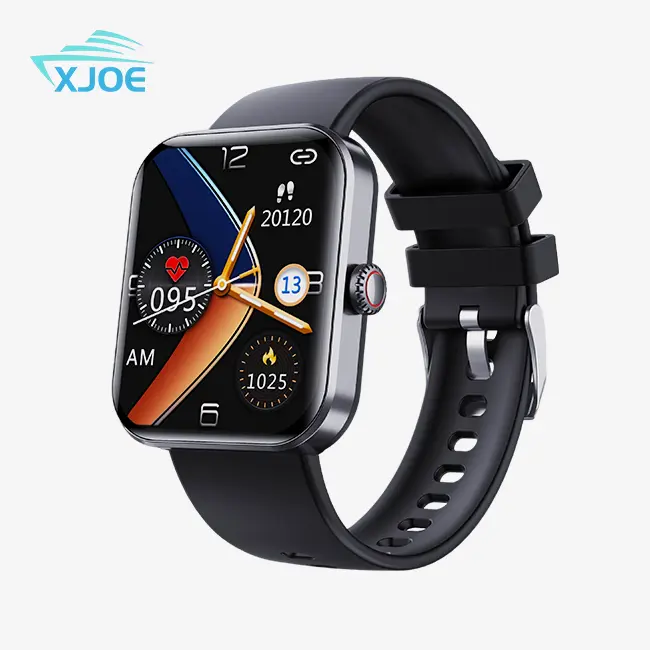
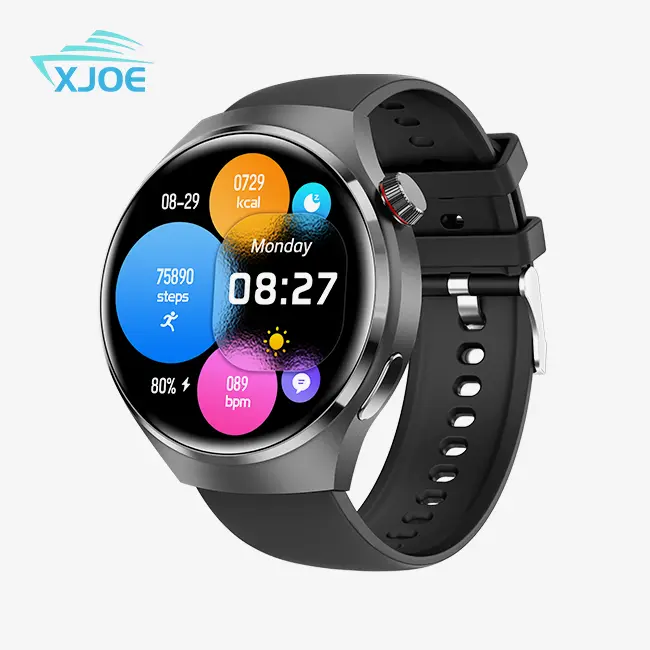
Through electrodes built into the case and strap, electrocardiography in a smartwatch records the electrical signals from the heart. When someone puts their finger on the crown or sensor, the device records a single-lead ECG trace. This is enough to find rhythm problems, but it's not a full 12-lead clinical reading.
How SpO2 Sensors Work
Photoplethysmography (PPG) is used to measure SpO2. The monitor sends out red and infrared light through the skin and measures how much of each color is taken in by blood that is oxygenated and blood that is not. In real time, the number gives a blood oxygen saturation rate.
Factors That Affect Precision
There are a number of factors that affect how reliable readings are in real life. The most important thing is the quality of the sensor. Better photodiodes and analog front-end chips lower noise. Skin tone, background light, and hand movement are all things that can cause artifacts. One of the most common reasons for wrong readings is a strap that doesn't fit properly, especially when working out.
Accuracy Analysis: ECG vs. SpO2 Measurements
For procurement decisions, it's more important to know the numbers than to know the general idea.
SpO2 Accuracy Benchmarks
A study released in 2021 in the journal npj Digital Medicine discovered that many consumer wearables can keep SpO2 readings within ±2–3% of fingertip pulse oximeters when saturation levels are above 90%. Error margins get bigger below that point. This is a clinically acceptable range for tracking trends when daily health monitoring is used, which is where most people fall (between 95 and 100%).
ECG Accuracy for Rhythm Detection
With 98% sensitivity and 99.6% specificity, the 2019 Circulation study proved that the Apple Watch's single-lead smartwatch with spo2 and ecg can identify atrial fibrillation. The PPG-plus-electrode method was tried on that particular gadget, but it is widely used. What sourcing teams should remember is that code quality is just as important as hardware quality.
Known Limitations to Acknowledge
Motion flaws are still the biggest problem when it comes to accuracy. When you work out hard, your PPG signals weaken, and your ECG records may show noise. Different skin tones have also gotten a lot of attention. Some studies show that people with darker skin tones have less accurate SpO2 readings, which is something that responsible makers are working hard to fix by updating their testing algorithms.
Practical Benefits of ECG SpO2 Smartwatches for Daily Monitoring
Data on accuracy doesn't tell the whole story of a business. The usefulness of these gadgets for regular people and the business opportunities they open up for big companies are both very important.
Benefits for End Users
Continuous monitoring gives people who care about their health, athletes, and older people who are managing their cardiovascular risks peace of mind that a single clinic visit can't. The device doesn't just record one moment; it keeps track of trends over days and weeks.
Business Value for B2B Clients
Corporate wellness programs, health platforms for employees, and distributed health monitoring systems are all areas of procurement that are growing. These programs can be anchored by a reliable, low-cost wearable that can do ECG and blood oxygen testing instead of expensive medical-grade gear.
Here are the main benefits that this type of device gives to business buyers:
- Continuous data collection allows health administrators to monitor workforce wellness trends, not just one-time readings, making program outcomes measurable.
- Alert-based architecture means abnormal readings—sudden heart rate spikes or oxygen drops—trigger real-time notifications, supporting timely intervention without requiring constant supervision.
- Multi-sport compatibility across running, cycling, swimming, hiking, and yoga makes the device appropriate for diverse employee populations and consumer demographics alike.
The device is multi-sport compatible, meaning it can be used for running, riding, swimming, hiking, and yoga. This means it can be used by a wide range of employees and customers.
Sleep and Recovery Monitoring
The routine costs of health tracking programs go down directly because of these features, and procurement managers get a product that people actually wear all the time.
Selecting the Right ECG SpO2 Smartwatch for Your Business
Not every device in this group works the same. Before agreeing to a seller, procurement teams need a clear way to evaluate them.
Key Technical Specifications to Evaluate
When considering choices, these features have a direct effect on how reliable the product is and how happy the customer is with it:
- Sensor suite: Look for devices that include a dedicated smartwatch ECG Spo2 electrode, SpO2 PPG sensor, continuous heart rate sensor, and accelerometer—all four working together improve data accuracy significantly.
- Battery life: A minimum of 5–7 days on a single charge is the practical threshold for daily monitoring products. Shorter battery life leads to compliance gaps in tracking data.
- Water resistance: IP67 or better is non-negotiable for active users. Without it, return rates climb, and review scores drop.
Choosing a device that meets these standards will help protect the reputation of your brand in the future.
Regulatory and Certification Considerations
For countries like the US, getting FDA approval or CE marking makes buyers more confident and lowers the risk of harm. Instead of finding gaps after the inventory arrives, procurement pros should ask for documentation up front.
Evaluating Supplier Capability
Beyond the gadget itself, a supplier's dependability—consistent quality across production runs, a low minimum order quantity (MOQ) for testing the market, and quick replenishment cycles—determines how well a relationship with that supplier can grow.

Maximizing Accuracy and Daily Utility
It takes more than just taking these things out of the box to get the most out of them. The quality of the data gathered is directly affected by how it is used.
Correct Wear and Positioning
The strap should be snug, just above the wrist bone, about one finger-width away. If it's too loose, the PPG signs get weaker. When it's too tight, it limits blood flow and throws off readings. One of the easiest ways to cut down on accuracy issues and bad reviews is to teach end users about fit.
Integration with Health Platforms
When smartwatch data is added to a bigger health management system, it becomes more useful. Because they work with iOS 10.0 and Android 6.0 and up, these devices can sync with popular health apps and collect data for enterprise wellness dashboards.
Emerging Accuracy Improvements
Signal processing based on AI is bridging the gap between smart tech for consumers and medical monitors. When companies spend money on machine learning techniques for things like artifact filtering and custom calibration, the devices they make get more accurate over time. This is an important thing to think about when choosing a long-term OEM partner.
Conclusion
ECG SpO2 smartwatch trackers have grown up and become really useful tools for keeping an eye on your health every day. They are real health goods, not toys, because the SpO2 readings are accurate to within ±2–3% and the ECG readings are sensitive to rhythms above 95% of the time. For business-to-business buyers, the chance is to find devices with tested sensor quality, the right certifications, and a supplier that keeps production standards consistent. With the right product in the right category, you can make a lot of money and get people to buy from you again. Pick your supply partner with as much care as you pick the specs for your goods.
FAQ
1. Can an ECG SpO2 smartwatch replace a clinical pulse oximeter?
Consumer trackers can help you see trends, but they are not FDA-approved medical tools. They can be used to keep track of your health, but not for medical diagnosis. To keep customers from having unrealistic hopes, buyers should make this difference clear in product descriptions.
2. How often should users calibrate their device?
Most gadgets don't need to be calibrated by hand; instead, they self-adjust through software changes. The best way to keep things in good shape is to tell people to keep the code up to date. This process can be automated for corporate deployments with centralized device management.
3. Which user groups benefit most from these devices?
Having constant heart rate and oxygen readings while training is helpful for athletes. As people get older, they learn to spot odd beats earlier. Trend data at the community level helps corporate health programs. The gadget works for people of all ages, so distributors and sellers can reach a larger group of people.
4. What is the typical SpO2 accuracy range?
Based on peer-reviewed studies, most validated consumer devices record SpO2 values that are within ±2% of clinical oximeters when saturation levels are above 90%. When mistake rates drop below 90%, users should talk to a doctor.
5. Does skin tone affect accuracy?
Some studies have shown that PPG accuracy is lower for people with certain skin tones. This is being fixed by reputable companies using multi-wavelength sensors and better tuning techniques. Buyers should directly ask suppliers about how they test a wide range of people.
Partner with Xizhou for Verified ECG SpO2 Smartwatch Supply
Xizhou is an expert in making OEM and ODM smart wearables. It has developed R&D facilities that are GMP-certified and a lot of stock that can be sent out quickly. We can provide unique branding, packaging, and firmware support for your ECG SpO2 smartwatch, and we can do low-MOQ trial runs or large supply. You can email us at 13266508958@163.com to get samples and prices that are right for your market.
References
1. Perez, M. V., et al. "Large-Scale Assessment of a Smartwatch to Identify Atrial Fibrillation." New England Journal of Medicine, 2019.
2. Bent, B., et al. "Investigating Sources of Inaccuracy in Wearable Optical Heart Rate Sensors." npj Digital Medicine, 2020.
3. Luks, A. M., & Swenson, E. R. "Pulse Oximetry for Monitoring Patients with COVID-19 at Home." Annals of the American Thoracic Society, 2020.
4. Spaccarotella, C. A. M., et al. "Assessment of the Accuracy of Smartwatch Devices for Cardiovascular Monitoring." Journal of Clinical Medicine, 2020.
5. Wulterkens, B. M., et al. "Useful or Useless? The Clinical Value of Smartwatch ECG Recordings." Heart Rhythm, 2021.
6. Tison, G. H., et al. "Passive Detection of Atrial Fibrillation Using a Commercially Available Smartwatch." JAMA Cardiology, 2018.