Desert logistics teams rely on the High Temp Warning Band during peak heat
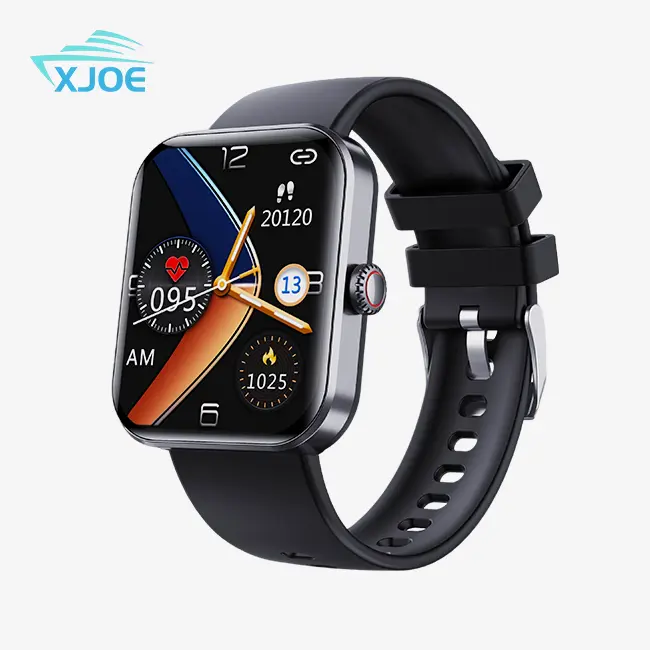
Desert logistics teams operating in extreme heat conditions depend on the High Temp Warning Band to protect personnel and maintain operational continuity during peak heat periods. This smart wearable continuously monitors body and ambient temperature within a range of 0°C to 50°C, triggering vibration and LED light alerts the moment unsafe thresholds are reached. Weighing only 30g with an IP67 water-resistance rating and a 5-day battery life, it is purpose-built for demanding field environments where heat-related risks are a constant operational concern.


Understanding High Temp Warning Bands and Their Importance in Desert Logistics
People and tools are both pushed to their limits during logistics activities in the desert. The National Oceanic and Atmospheric Administration (NOAA) says that in the summer, ground-level temperatures can reach over 50°C in dry places like the Sonoran Desert or the Arabian Peninsula. Unattended heat exposure in these situations is a direct threat to safety.
What Makes a High Temp Warning Band Different
A wearable temperature tracking band doesn't use thermocouples or adhesive heat indicator strips; instead, it sticks directly to the worker. It measures both body temperature and environmental temperature in real time, so there is no delay like with fixed-point monitors. This means that you can react faster when things change.
Why Wearable Temperature Alerts Matter in the Field
A few degrees difference in core body temperature can show that a logistics worker is getting too hot quickly when they are loading goods in a building that doesn't have air conditioning. According to the Occupational Safety and Health Administration (OSHA), heat-related illnesses kill dozens of workers in the US every year. Early sound and visual alerts give workers a very short time to act before symptoms get worse.
How These Bands Support Procurement and Safety Planning
Devices like this band give procurement managers ready-to-use safety data for finding protective wearables. They help people follow OSHA's rules for preventing heat illness and lower logistics workers' lawsuit risk. When you buy in bulk, you can also deploy items at the fleet level across multiple teams.
Core Challenges Faced by Desert Logistics Teams During Peak Heat
There is a lot of information about the problems that sports teams face in deserts. A study published in the Journal of Occupational and Environmental Medicine in 2022 found that workers who did jobs outside that required them to be in high temperatures were 35% more likely to get sick from the heat when temperature monitoring wasn't done. Three problems keep coming up for desert transportation teams in particular.
Equipment Sensitivity to Heat Fluctuations
When temperatures quickly rise, electronic logistics equipment like handheld scanners and GPS units placed on vehicles can stop working. Wearable health devices that warn workers of dangerously high temperatures can help them take action quickly, before damage happens, which lowers the cost of replacing broken equipment.
Human Error Caused by Heat Stress
Heat stress makes it harder to think clearly, which raises the risk of transportation mistakes like mislabeled packages or driving a vehicle in a way that is dangerous. When workers wear a continuous temperature monitor, they are more likely to take breaks to cool down. This directly lowers the number of mistakes that happen in high-pressure distribution environments.
Limitations of Traditional Temperature Monitoring Tools
Handheld devices need to be checked by hand, thermocouples need to be calibrated, and heat strips can only be used once. In the desert, where temperatures change quickly, these methods don't work. The High Temp Warning Band sends real-time alerts without having to be turned on by hand, which makes it a reliable option for use in the field.
Choosing the Right High Temp Warning Band for Your Logistics Operations
Not all wearables that track heat work the same in desert operations settings. To choose the right device, you need to compare its specs to what your operation actually needs.
Key Technical Specifications to Evaluate
These are the most important technical points for desert logistics deployment:
- Temperature Range: The band covers 0°C to 50°C, suitable for the full spectrum of outdoor desert conditions.
- Alert Method: Vibration plus LED light alerts ensure workers receive notifications even in noisy or high-glare environments.
- Water Resistance: IP67-rated protection guards against dust and sweat — both constant factors in desert fieldwork.
- Battery Life: A 120mAh battery delivers approximately 5 days of typical use, reducing charging interruptions during extended deployments.
- Connectivity: Compatible with iOS 10.0+ and Android 6.0+, enabling app-based monitoring and alert management.
Together, these features make the band a reliable tool for situations where something going wrong is not a choice. When purchasing things for multiple teams, procurement managers should also think about charging infrastructure. Magnetic charging makes field logistics easier than other options that depend on cables.
OEM and Private Label Customization Options
OEM customization is available for Amazon sellers, Shopify brands, and corporate buyers who want versions with their own logos. You can brand your app's user interface, put logos on packaging, and create logos that go with your products. This makes the band a good choice for sellers who want to sell safety gear for the workplace or gear for outdoor sports.
Comparing Wearable Bands Against Fixed-Point Temperature Sensors
Fixed sensors keep an eye on certain areas. Bands that people wear keep an eye on them. Wearable health device tracking gives more useful information than stationary wearable health devices alone in logistics in the desert, where workers are always moving between loading docks that are out in the sun and temperature-controlled storage areas. Both methods can be used together, but wearable health device tracking is the best way to protect your own safety.

Installation, Maintenance, and Lifespan of High Temp Warning Bands in Desert Conditions
If you deploy these bands properly, they will work properly and last a long time. The tips below are useful for logistics teams that are in charge of managing shared devices for large groups of workers.
Step-by-Step Setup for Field Deployment
It takes less than five minutes per unit to set up the band. To use for the first time, fully charge it with a magnetic charger. You can get the companion app for iOS or Android, connect it via Bluetooth, and set temperature alert limits based on your company's safety rules. To get accurate readings of your skin temperature, make sure the 250mm rubber strap fits around your wrist snugly, not too tight.
Daily Maintenance Practices in Hot and Dusty Environments
There is desert dust all over,
Lifecycle Planning for Procurement Teams
. A dry cloth should be used to wipe the band clean at the end of each shift. The band is rated IP67, which means it can handle sweat and light water without breaking. Checking the battery life every day and charging it overnight will keep it fully charged and ready to go.
Future Trends in Heat Safety Wearables for Desert Logistics
The market for heat safety wearables for work is growing. MarketsandMarkets says that the market for wearable health devices will grow to



Desert logistics teams rely on the High Temp Warning Band during peak heat
Desert logistics teams operating in extreme heat conditions depend on the High Temp Warning Band to protect personnel and maintain operational continuity during peak heat periods. This smart wearable continuously monitors body and ambient temperature within a range of 0°C to 50°C, triggering vibration and LED light alerts the moment unsafe thresholds are reached. Weighing only 30g with an IP67 water-resistance rating and a 5-day battery life, it is purpose-built for demanding field environments where heat-related risks are a constant operational concern.
Understanding High Temp Warning Bands and Their Importance in Desert Logistics
People and tools are both pushed to their limits during logistics activities in the desert. The National Oceanic and Atmospheric Administration (NOAA) says that in the summer, ground-level temperatures can reach over 50°C in dry places like the Sonoran Desert or the Arabian Peninsula. Unattended heat exposure in these situations is a direct threat to safety.
What Makes a High Temp Warning Band Different
A wearable temperature tracking band doesn't use thermocouples or adhesive heat indicator strips; instead, it sticks directly to the worker. It measures both body temperature and environmental temperature in real time, so there is no delay like with fixed-point monitors. This means that you can react faster when things change.
Why Wearable Temperature Alerts Matter in the Field
A few degrees difference in core body temperature can show that a logistics worker is getting too hot quickly when they are loading goods in a building that doesn't have air conditioning. According to the Occupational Safety and Health Administration (OSHA), heat-related illnesses kill dozens of workers in the US every year. Early sound and visual alerts give workers a very short time to act before symptoms get worse.
How These Bands Support Procurement and Safety Planning
Devices like this band give procurement managers ready-to-use safety data for finding protective wearables. They help people follow OSHA's rules for preventing heat illness and lower logistics workers' lawsuit risk. When you buy in bulk, you can also deploy items at the fleet level across multiple teams.
Core Challenges Faced by Desert Logistics Teams During Peak Heat
There is a lot of information about the problems that sports teams face in deserts. A study published in the Journal of Occupational and Environmental Medicine in 2022 found that workers who did jobs outside that required them to be in high temperatures were 35% more likely to get sick from the heat when temperature monitoring wasn't done. Three problems keep coming up for desert transportation teams in particular.
Equipment Sensitivity to Heat Fluctuations
When temperatures quickly rise, electronic logistics equipment like handheld scanners and GPS units placed on vehicles can stop working. Wearable health devices that warn workers of dangerously high temperatures can help them take action quickly, before damage happens, which lowers the cost of replacing broken equipment.
Human Error Caused by Heat Stress
Heat stress makes it harder to think clearly, which raises the risk of transportation mistakes like mislabeled packages or driving a vehicle in a way that is dangerous. When workers wear a continuous temperature monitor, they are more likely to take breaks to cool down. This directly lowers the number of mistakes that happen in high-pressure distribution environments.
Limitations of Traditional Temperature Monitoring Tools
Handheld devices need to be checked by hand, thermocouples need to be calibrated, and heat strips can only be used once. In the desert, where temperatures change quickly, these methods don't work. The High Temp Warning Band sends real-time alerts without having to be turned on by hand, which makes it a reliable option for use in the field.
Choosing the Right High Temp Warning Band for Your Logistics Operations
Not all wearables that track heat work the same in desert operations settings. To choose the right device, you need to compare its specs to what your operation actually needs.
Key Technical Specifications to Evaluate
These are the most important technical points for desert logistics deployment:
- Temperature Range: The band covers 0°C to 50°C, suitable for the full spectrum of outdoor desert conditions.
- Alert Method: Vibration plus LED light alerts ensure workers receive notifications even in noisy or high-glare environments.
- Water Resistance: IP67-rated protection guards against dust and sweat — both constant factors in desert fieldwork.
- Battery Life: A 120mAh battery delivers approximately 5 days of typical use, reducing charging interruptions during extended deployments.
- Connectivity: Compatible with iOS 10.0+ and Android 6.0+, enabling app-based monitoring and alert management.
Together, these features make the band a reliable tool for situations where something going wrong is not a choice. When purchasing things for multiple teams, procurement managers should also think about charging infrastructure. Magnetic charging makes field logistics easier than other options that depend on cables.
OEM and Private Label Customization Options
OEM customization is available for Amazon sellers, Shopify brands, and corporate buyers who want versions with their own logos. You can brand your app's user interface, put logos on packaging, and create logos that go with your products. This makes the band a good choice for sellers who want to sell safety gear for the workplace or gear for outdoor sports.
Comparing Wearable Bands Against Fixed-Point Temperature Sensors
Fixed sensors keep an eye on certain areas. Bands that people wear keep an eye on them. Wearable health device tracking gives more useful information than stationary wearable health devices alone in logistics in the desert, where workers are always moving between loading docks that are out in the sun and temperature-controlled storage areas. Both methods can be used together, but wearable health device tracking is the best way to protect your own safety.
Installation, Maintenance, and Lifespan of High Temp Warning Bands in Desert Conditions
If you deploy these bands properly, they will work properly and last a long time. The tips below are useful for logistics teams that are in charge of managing shared devices for large groups of workers.
Step-by-Step Setup for Field Deployment
It takes less than five minutes per unit to set up the band. To use for the first time, fully charge it with a magnetic charger. You can get the companion app for iOS or Android, connect it via Bluetooth, and set temperature alert limits based on your company's safety rules. To get accurate readings of your skin temperature, make sure the 250mm rubber strap fits around your wrist snugly, not too tight.
Daily Maintenance Practices in Hot and Dusty Environments
There is desert dust all over,
Lifecycle Planning for Procurement Teams
. A dry cloth should be used to wipe the band clean at the end of each shift. The band is rated IP67, which means it can handle sweat and light water without breaking. Checking the battery life every day and charging it overnight will keep it fully charged and ready to go.
Future Trends in Heat Safety Wearables for Desert Logistics
The market for heat safety wearables for work is growing. MarketsandMarkets says that the market for wearable health devices will grow to $186 billion by 2030. One of the fastest-growing areas is industrial safety applications.
IoT Integration and Remote Monitoring
New heat-alert bands are being made that can connect to the Internet of Things (IoT). This will let managers see temperature data for the whole team from a central dashboard. This is especially helpful for logistics companies that have to manage large crews in different desert sites.
Advanced Materials Extending Durability
Long-term use in the desert is making reusable bands last longer thanks to new silicone materials that are more resistant to UV light and heat. This lowers the number of times that buyers have to repair things and their overall cost of ownership.
Growing Regulatory Pressure on Heat Safety
The proposed Heat Illness Prevention in Outdoor and Indoor Work Settings rule by OSHA, which is set to go into effect in 2024, is likely to raise the need for documented, wearable heat monitoring tools. If procurement teams buy gadgets that are legal now, they will be ahead of the rules when they become law.
Conclusion
During the hottest parts of the day, desert transport teams face real, measured risks, and passive safety steps are no longer enough. The 30g High Temp Warning Band continuously monitors your body temperature and lets you know right away with vibrations and LEDs. It is also built to last and is ready to go into the field. This device meets the basic needs of high-heat work areas, whether you are in charge of a field crew, looking for items to resell, or making your own safety product. Because Xizhou can make things and help with customization, it can handle orders of any size, from small test runs to large distribution numbers.
FAQ
1. How accurate is the High Temp Warning Band compared to traditional temperature sensors?
The band uses precision sensors to track body and ambient temperature within the 0°C to 50°C range. While industrial thermocouple systems may offer tighter tolerances in fixed equipment, wearable sensors provide superior personal monitoring accuracy because they track the worker directly rather than the surrounding air at a fixed point.
2. Can the band be reused across multiple workers in a logistics team?
Yes. The band is designed for extended use and can be reassigned between workers. Clean the strap with a damp cloth between users, and reset the app profile as needed. Shared-use deployment is practical for shift-based logistics operations where full individual unit allocation is cost-prohibitive.
3. What safety certifications should buyers verify when sourcing heat-alert wearables?
Look for IP67 water and dust resistance certification, which this band carries. For regulated environments, verify that the device and its alert thresholds align with OSHA heat illness prevention guidelines. Buyers pursuing private label versions should also request documentation confirming sensor calibration standards from the manufacturer.
Source Your High Temp Warning Band Supplier Through Xizhou Today
Verified high-temp warning band supplier services are available in Xizhou. There are low MOQ choices, fast modification, and reliable quality control for every batch. Our GMP-certified plant, full certification paperwork, and helpful after-sales team will make sure that your buying process goes smoothly. To get a price, place a sample order, or talk to an OEM representative, email us at 13266508958@163.com. Get a partner who knows what "field-ready" means to protect your team and your products with a High Temp Warning Band.
References
1. National Oceanic and Atmospheric Administration (NOAA). Heat: A Major Killer. NOAA Climate.gov, 2023.
2. Occupational Safety and Health Administration (OSHA). Heat Illness Prevention in Outdoor and Indoor Work Settings — Proposed Rule. U.S. Department of Labor, 2024.
3. Journal of Occupational and Environmental Medicine. "Heat Stress Exposure and Worker Health Outcomes in High-Temperature Industries." 2022.
4. MarketsandMarkets. Wearable Technology Market — Global Forecast to 2030. MarketsandMarkets Research, 2023.
5. Centers for Disease Control and Prevention (CDC). Heat Stress in the Workplace. NIOSH Workplace Safety and Health, 2022..
6. American Conference of Governmental Industrial Hygienists (ACGIH). TLVs and BEIs: Threshold Limit Values for Chemical Substances and Physical Agents. ACGIH, 2023.







IoT Integration and Remote Monitoring
New heat-alert bands are being made that can connect to the Internet of Things (IoT). This will let managers see temperature data for the whole team from a central dashboard. This is especially helpful for logistics companies that have to manage large crews in different desert sites.
Advanced Materials Extending Durability
Long-term use in the desert is making reusable bands last longer thanks to new silicone materials that are more resistant to UV light and heat. This lowers the number of times that buyers have to repair things and their overall cost of ownership.
Growing Regulatory Pressure on Heat Safety
The proposed Heat Illness Prevention in Outdoor and Indoor Work Settings rule by OSHA, which is set to go into effect in 2024, is likely to raise the need for documented, wearable heat monitoring tools. If procurement teams buy gadgets that are legal now, they will be ahead of the rules when they become law.
Conclusion
During the hottest parts of the day, desert transport teams face real, measured risks, and passive safety steps are no longer enough. The 30g High Temp Warning Band continuously monitors your body temperature and lets you know right away with vibrations and LEDs. It is also built to last and is ready to go into the field. This device meets the basic needs of high-heat work areas, whether you are in charge of a field crew, looking for items to resell, or making your own safety product. Because Xizhou can make things and help with customization, it can handle orders of any size, from small test runs to large distribution numbers.
FAQ
1. How accurate is the High Temp Warning Band compared to traditional temperature sensors?
The band uses precision sensors to track body and ambient temperature within the 0°C to 50°C range. While industrial thermocouple systems may offer tighter tolerances in fixed equipment, wearable sensors provide superior personal monitoring accuracy because they track the worker directly rather than the surrounding air at a fixed point.
2. Can the band be reused across multiple workers in a logistics team?
Yes. The band is designed for extended use and can be reassigned between workers. Clean the strap with a damp cloth between users, and reset the app profile as needed. Shared-use deployment is practical for shift-based logistics operations where full individual unit allocation is cost-prohibitive.
3. What safety certifications should buyers verify when sourcing heat-alert wearables?
Look for IP67 water and dust resistance certification, which this band carries. For regulated environments, verify that the device and its alert thresholds align with OSHA heat illness prevention guidelines. Buyers pursuing private label versions should also request documentation confirming sensor calibration standards from the manufacturer.
Source Your High Temp Warning Band Supplier Through Xizhou Today
Verified high-temp warning band supplier services are available in Xizhou. There are low MOQ choices, fast modification, and reliable quality control for every batch. Our GMP-certified plant, full certification paperwork, and helpful after-sales team will make sure that your buying process goes smoothly. To get a price, place a sample order, or talk to an OEM representative, email us at 13266508958@163.com. Get a partner who knows what "field-ready" means to protect your team and your products with a High Temp Warning Band.
References
1. National Oceanic and Atmospheric Administration (NOAA). Heat: A Major Killer. NOAA Climate.gov, 2023.
2. Occupational Safety and Health Administration (OSHA). Heat Illness Prevention in Outdoor and Indoor Work Settings — Proposed Rule. U.S. Department of Labor, 2024.
3. Journal of Occupational and Environmental Medicine. "Heat Stress Exposure and Worker Health Outcomes in High-Temperature Industries." 2022.
4. MarketsandMarkets. Wearable Technology Market — Global Forecast to 2030. MarketsandMarkets Research, 2023.
5. Centers for Disease Control and Prevention (CDC). Heat Stress in the Workplace. NIOSH Workplace Safety and Health, 2022..
6. American Conference of Governmental Industrial Hygienists (ACGIH). TLVs and BEIs: Threshold Limit Values for Chemical Substances and Physical Agents. ACGIH, 2023.