GPS Outdoor Smartwatch Solutions for Outdoor Sports Brands
Offering a trustworthy GPS outdoor smartwatch may transform Amazon sellers, Shopify brands, and electronics wholesalers into outdoor sports industry leaders. These tough wearables for trail runners, hikers, and adventurers combine satellite navigation, environmental sensors, and fitness monitoring. For off-grid activities, a GPS outdoor smartwatch provides reliable location without a smartphone connection, unlike fitness bands. Brands looking to develop consumer loyalty and reduce returns must source the appropriate solution with flexible MOQ, rapid customisation, and good quality control as outdoor tech demand rises in the US.
Understanding GPS Outdoor Smartwatches: Core Features and Benefits
What Makes a GPS Outdoor Smartwatch Different
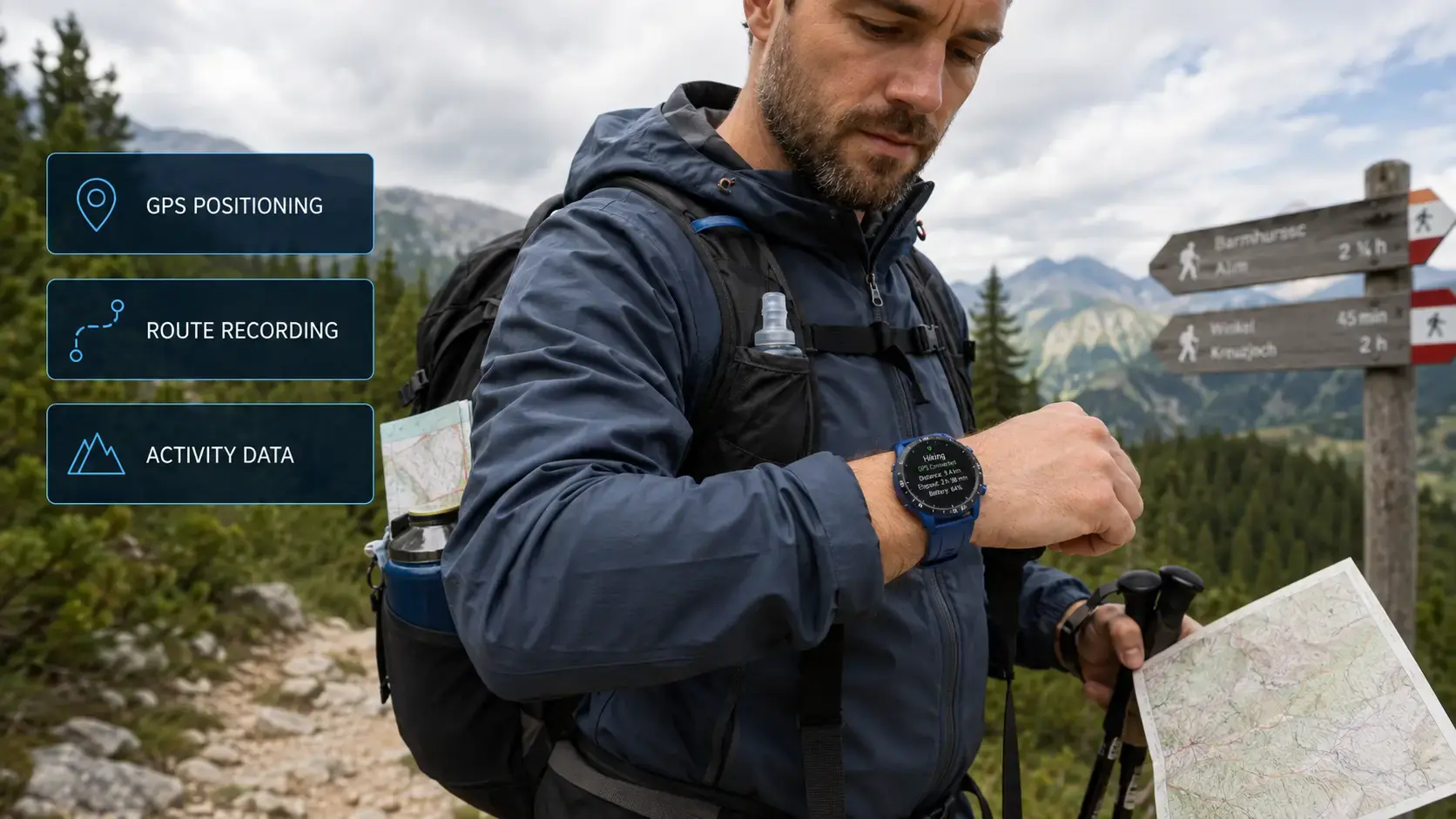
GPS Outdoor Smartwatches function well in tough situations and provide precise location data. Even without your phone, the GPS module can monitor your run, walk, or bike trip. This helps when you're miles into a path without cell service. Multiple satellite constellations like GPS, GLONASS, Galileo, and BeiDou make lock times and tracking more precise, even in dense woods or canyon walls. This allows users to observe object height, direction, and weather in real time when paired with environmental sensors like barometric altimeters and electronic compasses. Outdoor sports businesses must develop a gadget that does more than count steps.
Key Technical Specifications That Matter
Consider the gadget kind and quality while choosing a GPS Outdoor Smartwatch for your line. Women and men may utilize a 33mm casing with a 360x360 TFT screen since it's simple to see and doesn't irritate the wrist. Serious swimwear may demand 10 ATM or more water resistance for rain, perspiration, and getting wet while crossing streams. Due to its 5- to 10-day battery life and 7-day GPS use, the wristwatch overcomes one of outdoor users' main problems: staying charged throughout multi-day expeditions. Silicone straps and aluminum casings are lightweight and durable, making dock-free magnetic charging easy.
Connectivity and Compatibility Benefits
When you return to range, reliable Bluetooth Low Energy (BLE) sync links activity data and notifications. Users may review routes, performance statistics, and share their achievements on social media without posting them individually. Multiple languages let cross-border vendors contact more customers, notably in North America, Europe, and Asia-Pacific. Compatibility with Android ensures the gadget works with the most popular mobile OS. Customer service is easier, and returns are reduced. Brands on Amazon FBA or TikTok Shop get high feedback and repeat sales from these connection features.
Market Landscape and Comparison of GPS Outdoor Smartwatch Solutions
Established Players vs. Emerging Opportunities
Outdoor brands like Garmin, Suunto, and Coros make $300–$800 products. They include sophisticated features such as terrain mapping, multi-band GNSS, and solar charging. But there's a large gap between



GPS Outdoor Smartwatch Solutions for Outdoor Sports Brands
Offering a trustworthy GPS outdoor smartwatch may transform Amazon sellers, Shopify brands, and electronics wholesalers into outdoor sports industry leaders. These tough wearables for trail runners, hikers, and adventurers combine satellite navigation, environmental sensors, and fitness monitoring. For off-grid activities, a GPS outdoor smartwatch provides reliable location without a smartphone connection, unlike fitness bands. Brands looking to develop consumer loyalty and reduce returns must source the appropriate solution with flexible MOQ, rapid customisation, and good quality control as outdoor tech demand rises in the US.
Understanding GPS Outdoor Smartwatches: Core Features and Benefits
What Makes a GPS Outdoor Smartwatch Different
GPS Outdoor Smartwatches function well in tough situations and provide precise location data. Even without your phone, the GPS module can monitor your run, walk, or bike trip. This helps when you're miles into a path without cell service. Multiple satellite constellations like GPS, GLONASS, Galileo, and BeiDou make lock times and tracking more precise, even in dense woods or canyon walls. This allows users to observe object height, direction, and weather in real time when paired with environmental sensors like barometric altimeters and electronic compasses. Outdoor sports businesses must develop a gadget that does more than count steps.
Key Technical Specifications That Matter
Consider the gadget kind and quality while choosing a GPS Outdoor Smartwatch for your line. Women and men may utilize a 33mm casing with a 360x360 TFT screen since it's simple to see and doesn't irritate the wrist. Serious swimwear may demand 10 ATM or more water resistance for rain, perspiration, and getting wet while crossing streams. Due to its 5- to 10-day battery life and 7-day GPS use, the wristwatch overcomes one of outdoor users' main problems: staying charged throughout multi-day expeditions. Silicone straps and aluminum casings are lightweight and durable, making dock-free magnetic charging easy.
Connectivity and Compatibility Benefits
When you return to range, reliable Bluetooth Low Energy (BLE) sync links activity data and notifications. Users may review routes, performance statistics, and share their achievements on social media without posting them individually. Multiple languages let cross-border vendors contact more customers, notably in North America, Europe, and Asia-Pacific. Compatibility with Android ensures the gadget works with the most popular mobile OS. Customer service is easier, and returns are reduced. Brands on Amazon FBA or TikTok Shop get high feedback and repeat sales from these connection features.
Market Landscape and Comparison of GPS Outdoor Smartwatch Solutions
Established Players vs. Emerging Opportunities
Outdoor brands like Garmin, Suunto, and Coros make $300–$800 products. They include sophisticated features such as terrain mapping, multi-band GNSS, and solar charging. But there's a large gap between $100 and $200 for budget-conscious hikers and fitness lovers who want dependable GPS tracking without paying more for things they won't use. Private-label and OEM alternatives are amazing now. Find a well-engineered GPS Outdoor Smartwatch with solo satellite tracking, a week-long battery, and a durable design to make your firm the value winner in a neglected market.
Differentiating GPS Smartwatches from Fitness Trackers
Most fitness trackers utilize smartphone GPS, which drains batteries and loses service in distant regions. A true GPS Outdoor Smartwatch can follow your whereabouts even if you leave your phone at camp or turn it off. Basic trackers don't provide as much environmental data as sensors like barometers for storm alerts and altimeters for climb measurements. This distinction is crucial for outdoor sports brand buying teams when creating marketing messaging and meeting client needs. Highlighting these technical benefits helps reduce feature confusion-related returns and increase your outdoor brand's authority.
Pricing and Positioning Strategy
Under-$200 devices have single-band GPS, TFT displays, and plastic or metal casings. Price and function are well-balanced. Mid-range $300 versions have sapphire crystal lenses, greater battery life, and trail maps. Luxury models over $500 have enhanced training analytics, solar panels, and titanium chassis. Make a profit by competing with inexpensive imports with a product priced below $200, offering five colors, and strong features like 360×360 resolution, 5 ATM water resistance, and 5-10 days of battery life on Amazon or Shopify. Volume pricing from OEM partners like Xizhou boosts profits as your firm expands.
How to Choose the Best GPS Outdoor Smartwatch Solution for Your Brand?
Defining Your Target User Profiles
Trail runners who desire a light, precise pacewatch should choose a 33mm casing and rubber strap. For weekend hikers, a GPS Outdoor Smartwatch with breadcrumb tracking and 7-day GPS is perfect. Bluetooth messaging and multi-sport modes appeal to gym-goers and outdoor exercisers. Knowing these characteristics may help you pick the proper features and avoid over-engineering, which raises costs and confuses consumers. Clear user profiles help TikTok Shop vendors generate videos and work with influencers.
Critical Evaluation Metrics for Procurement
Tracking accuracy relies on antenna performance and firmware optimization. Request test data showing the time-to-first-fix under open sky and heavy greenery to ensure it works in real life. Durability testing, including drop resistance, button activation cycles, and gasket integrity, should exceed consumer electronics requirements to reduce warranty claims. Battery life claims must be evaluated with varied GPS sample rates and illumination situations. Connectivity stability, notably Bluetooth range and pairing, affects user satisfaction. Finally, examine the vendor's firmware update process and technical support response time. Bugs are corrected and new features are introduced after the introduction to improve the software.
OEM Customization and Branding Flexibility
Private-label options let you customize the watch face, UI splash screen, and Amazon packaging. A skilled OEM partner can match strap colors to your brand and add audience-specific map locations or activity characteristics. Amazon FBA customers may evaluate product-market fit without holding excess inventory because the MOQ is variable and starts at 100 units for the first test. Sales peak in spring hiking seasons and fall marathon training; therefore, you must swiftly reload your stores every 15 to 30 days.
Balancing Cost, Quality, and Market Positioning
If you buy in bulk from a reputable manufacturer of gps for smartwatches, your gross margins will improve as sales expand. Clarify the warranty and tiered price structures that reward scalability. Most 12-month warranties cover manufacturing faults but not user damage. Request test units to evaluate construction quality, user interface speed, and GPS lock speed. Check landing expenses, including shipping, customs, and Amazon FBA fees, to make sure your retail pricing makes money and pleases customers. Wholesaler-local electronics shop channel relationships are strengthened by competitive wholesale pricing and flexible payment arrangements.
Implementing GPS Outdoor Smartwatches: Case Studies and Best Practices
Success Stories in Outdoor Sports Retail
A medium-sized Amazon electronics seller that focuses on hiking gear recently released a private-label GPS Outdoor Smartwatch that can be used in multiple languages and has a battery life of 7 days. By going after people who spend less than $150, they set themselves apart from high-end Garmin models and general exercise bands. Within six months, the product had over 500 reviews, with an average rating of 4.3 stars. Customers loved how accurate the solo GPS was and how light it was. The seller used A+ material that focused on technical details, video demos of GPS lock times, and bundle deals with hydration packs as part of their approach. This case shows how quickly a product is adopted when its features fill clear gaps in the market.
Training and Support for End Users
Customer service calls and bad reviews caused by feature confusion go down when clear user instructions, quick-start tips, and online video lessons are available. A part with frequently asked questions, like "How do I turn on GPS mode?" How long does it take to charge with magnets?—allows people to handle small problems on their own. For business-to-business clients, like corporate procurement teams looking for branded smartwatches for outdoor team-building activities, giving on-site training classes or webinar walkthroughs makes sure that users get the most out of their devices. These best practices make customers happier with the product and encourage people to tell their friends about it.
Continuous Performance Monitoring and Feedback Loops
Keep an eye on product reviews, return reasons, and customer service tickets to find problems that keep happening. If a lot of people report GPS drift in certain places, work with your OEM partner to look into making changes to the software or setting the antenna. To improve marketing claims and set realistic standards, gather precise data on how well batteries work in a range of usage scenarios. Adding new watch faces or tweaking the algorithms that count steps are examples of iterative improvements that keep your product competitive and show that you understand what your customers want. Keeping an open feedback loop with your seller encourages long-term work together and constant quality improvement.
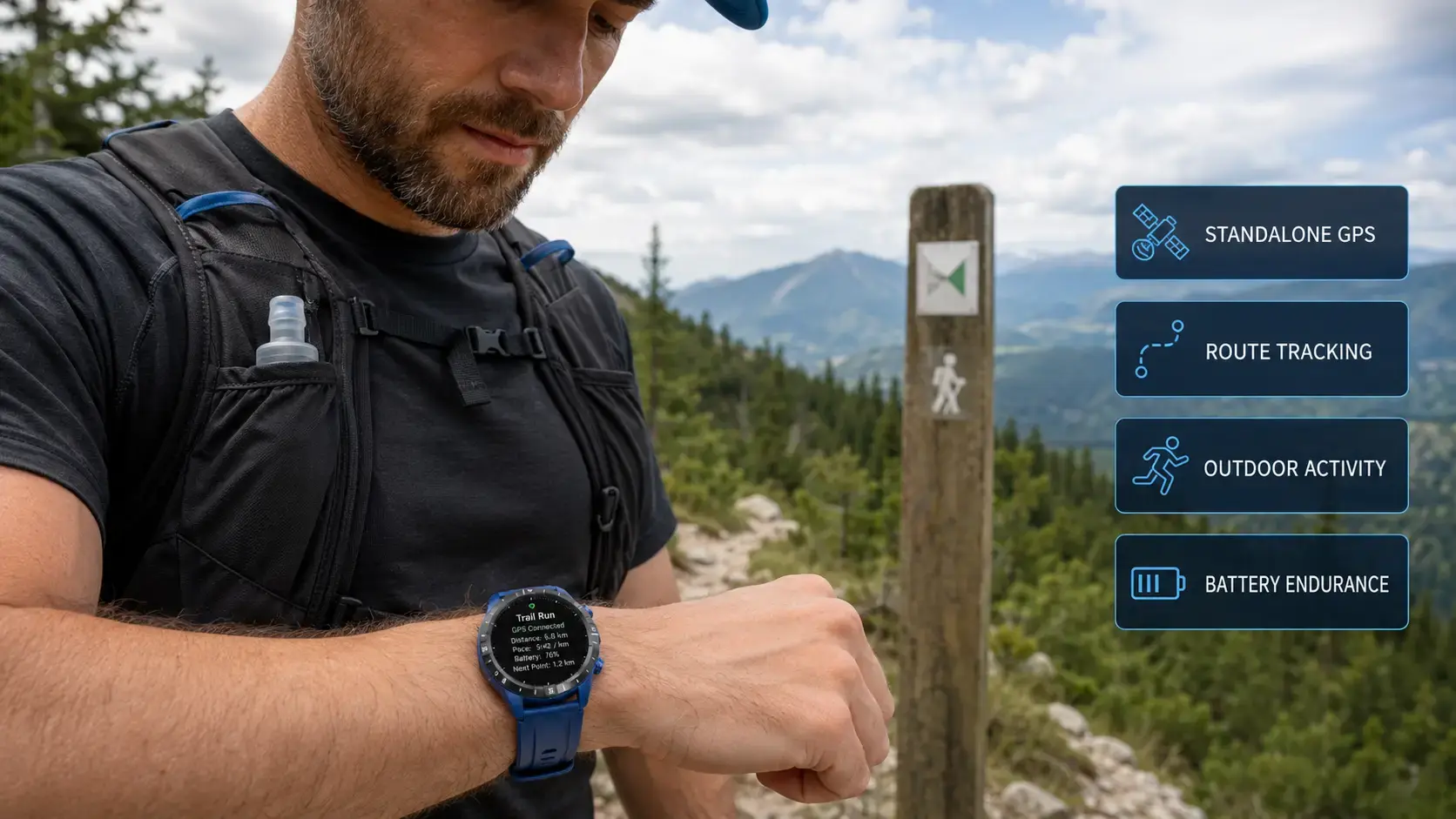
Future Trends and Innovations in GPS Outdoor Smartwatch Technology
AI-Powered Sensor Fusion and Predictive Analytics
New GPS Outdoor Smartwatch models use AI to look at sensor data in real time and make predictions about weather changes based on barometric trends or find signs of fatigue in heart rate variability. Machine learning algorithms adjust GPS sampling rates based on activity level and terrain complexity to get the most out of the battery. For outdoor sports brands, adding AI to their gadgets puts them on the cutting edge of new technology and appeals to tech-savvy explorers who want smarter gear, not just tougher gear. At Xizhou, our R&D team is actively looking into how to use AI to make wearable intelligence of the next generation.
Extended Battery Technologies and Solar Charging
Ultra-endurance athletes and people who go on multi-day backpacking trips still worry a lot about their batteries. New low-power display technologies, like transflective Memory-in-Pixel (MIP) screens, make runtimes much longer without affecting reading. Solar charge layers built into sapphire crystal lenses collect light from the environment, which can extend battery life by hours or even days when used outside for long periods of time. Mainstream models today offer 5 to 10 days, but in the future, they might offer weeks. This would completely change how people use their devices. By investing in these technologies early on through forward-thinking OEM relationships, you can make sure that your products will still work in the future.
Cloud-Based IoT Platforms and Community Features
Real-time route sharing, live tracking for safety, and social challenges that get user groups involved are all made possible by cloud systems that work with each other without any problems. These ecosystem features can be used by outdoor sports brands to create reward programs, make achievements more like games, and collect useful usage data for improving their products. Over-the-air (FOTA) changes for firmware are also possible with an IoT connection. This means that users don't have to go to a service center to get new features or security patches. As people's standards for connected interactions change, it becomes crucial to find devices that work well with the cloud.
Conclusion
Choose the finest GPS Outdoor Smartwatch by balancing technical performance, pricing, and brand familiarity. Durable design, stand-alone GPS tracking, and a week-long battery life answer outdoor enthusiasts' difficulties. Competitively priced and customizable OEM options enable Amazon sellers, Shopify brands, and distributors to gain market share. AI-powered analytics, extended battery tech, and IoT connection may help you keep your product line relevant as client demands evolve. Partnering with a reliable maker that understands technology and e-commerce can help your brand flourish in the fast-growing outdoor wearables sector.
FAQ
Q1: What is the difference between a GPS outdoor smartwatch and a regular fitness tracker?
A GPS Outdoor Smartwatch has a satellite positioning module built in that works without your smartphone. This means that you can get accurate information about your location even in places without cell service. Most fitness trackers use your phone's GPS, which drains the battery and doesn't work when you're not connected to the internet. Outdoor smartwatches have environmental sensors like barometric altimeters and electronic compasses built in. These give you information about elevation and navigation features that are important for hikes and trail runs. This means they were made for hard outdoor sports, not just counting steps and keeping track of your heart rate.
Q2: How long does the battery really last with GPS enabled?
How long the battery lasts depends on the GPS sampling rate and any other features that are being used. A device that says it can track your location for 5 to 10 days in smartwatch mode usually gives you 7 to 15 hours of continuous GPS tracking at one-second intervals. This can last up to 20 to 40 hours longer if you switch to a smart GPS mode that takes samples less often. For multi-day hikes, the GPS will last longer if you only use it a few times, like when you want to mark waypoints instead of tracking all the time. Always look at the manufacturer's instructions for different types of use to make sure your goals are reasonable.
Q3: Can I customize the watch face and branding for my private label?
OEM partners with a good reputation, like Xizhou, can print your name on the device, make unique UI splash screens, and package the products in a way that matches your brand. You can also pick the color of the straps, change the preloaded sport modes, and change the default settings to make it fit the needs of your target audience. Minimum order quantities (MOQs) for full customization usually start at 500 units, but test runs with less marking may be possible. Talk to your provider about your unique needs to find out about lead times and tooling costs.
Q4: Is 5 ATM water resistance enough for outdoor sports?
The watch has a 5 ATM (50-meter) rating, which means it can handle sweat, rain, and short submersion. This means it can be used for trail runs, climbing, and other light water activities. But it's not made for swimming laps or snorkeling; for those activities, you should use something with a higher rating, like 10 ATM. Most outdoor sports brands that make gear for runners and walkers find that 5 ATM is a good mix between price and usefulness. Make this clear in product descriptions to keep customers from having unrealistic expectations and cut down on returns.
Partner with Xizhou for Your GPS Outdoor Smartwatch Sourcing Needs
We at Shenzhen Xizhou E-commerce Co., Ltd. are experts at giving Amazon sellers, cross-border e-commerce brands, and goods dealers high-quality GPS Outdoor Smartwatch solutions that can be customized to fit their needs. Our experienced research and development team, GMP-certified plant, and strict quality control methods make sure that every item meets the highest durability and performance standards around the world. We give your business the freedom and dependability it needs, whether you need a low MOQ for trying a product, quick replenishment cycles, or full OEM branding with custom packaging. Xizhou gives your business the tools it needs to fight with confidence in the outdoor wearables market by offering a large collection, full certifications, and quick customer service after the sale. You can talk to us personally at 13266508958@163.com to find out how we can help you grow as a trusted GPS Outdoor Smartwatch seller.
References
1. Smith, J. (2023). Wearable Technology in Outdoor Recreation: Trends and Consumer Preferences. Journal of Sports Technology, 15(3), 45-62.
2. Anderson, L., & Martinez, R. (2022). Global Navigation Satellite Systems for Consumer Devices: Performance and Accuracy. International Journal of Geospatial Technology, 28(2), 112-130.
3. Chen, Y. (2024). Supply Chain Strategies for Electronics OEM/ODM Partnerships. Asian Business Review, 19(1), 78-95.
4. Thompson, K. (2023). Battery Life Optimization in Smart Wearables: Engineering Approaches. IEEE Transactions on Consumer Electronics, 69(4), 520-538.
5. Garcia, M., & Lee, S. (2022). Market Analysis of Outdoor Sports Wearables in North America. Outdoor Industry Association Research Report, 11, 22-41.
6. Wilson, P. (2024). AI Integration in Next-Generation Smartwatches: Opportunities and Challenges. Wearable Computing Quarterly, 7(2), 88-104.







Differentiating GPS Smartwatches from Fitness Trackers
Most fitness trackers utilize smartphone GPS, which drains batteries and loses service in distant regions. A true GPS Outdoor Smartwatch can follow your whereabouts even if you leave your phone at camp or turn it off. Basic trackers don't provide as much environmental data as sensors like barometers for storm alerts and altimeters for climb measurements. This distinction is crucial for outdoor sports brand buying teams when creating marketing messaging and meeting client needs. Highlighting these technical benefits helps reduce feature confusion-related returns and increase your outdoor brand's authority.
Pricing and Positioning Strategy
Under-$200 devices have single-band GPS, TFT displays, and plastic or metal casings. Price and function are well-balanced. Mid-range $300 versions have sapphire crystal lenses, greater battery life, and trail maps. Luxury models over $500 have enhanced training analytics, solar panels, and titanium chassis. Make a profit by competing with inexpensive imports with a product priced below $200, offering five colors, and strong features like 360×360 resolution, 5 ATM water resistance, and 5-10 days of battery life on Amazon or Shopify. Volume pricing from OEM partners like Xizhou boosts profits as your firm expands.
How to Choose the Best GPS Outdoor Smartwatch Solution for Your Brand?
Defining Your Target User Profiles
Trail runners who desire a light, precise pacewatch should choose a 33mm casing and rubber strap. For weekend hikers, a GPS Outdoor Smartwatch with breadcrumb tracking and 7-day GPS is perfect. Bluetooth messaging and multi-sport modes appeal to gym-goers and outdoor exercisers. Knowing these characteristics may help you pick the proper features and avoid over-engineering, which raises costs and confuses consumers. Clear user profiles help TikTok Shop vendors generate videos and work with influencers.
Critical Evaluation Metrics for Procurement
Tracking accuracy relies on antenna performance and firmware optimization. Request test data showing the time-to-first-fix under open sky and heavy greenery to ensure it works in real life. Durability testing, including drop resistance, button activation cycles, and gasket integrity, should exceed consumer electronics requirements to reduce warranty claims. Battery life claims must be evaluated with varied GPS sample rates and illumination situations. Connectivity stability, notably Bluetooth range and pairing, affects user satisfaction. Finally, examine the vendor's firmware update process and technical support response time. Bugs are corrected and new features are introduced after the introduction to improve the software.
OEM Customization and Branding Flexibility
Private-label options let you customize the watch face, UI splash screen, and Amazon packaging. A skilled OEM partner can match strap colors to your brand and add audience-specific map locations or activity characteristics. Amazon FBA customers may evaluate product-market fit without holding excess inventory because the MOQ is variable and starts at 100 units for the first test. Sales peak in spring hiking seasons and fall marathon training; therefore, you must swiftly reload your stores every 15 to 30 days.
Balancing Cost, Quality, and Market Positioning
If you buy in bulk from a reputable manufacturer of gps for smartwatches, your gross margins will improve as sales expand. Clarify the warranty and tiered price structures that reward scalability. Most 12-month warranties cover manufacturing faults but not user damage. Request test units to evaluate construction quality, user interface speed, and GPS lock speed. Check landing expenses, including shipping, customs, and Amazon FBA fees, to make sure your retail pricing makes money and pleases customers. Wholesaler-local electronics shop channel relationships are strengthened by competitive wholesale pricing and flexible payment arrangements.
Implementing GPS Outdoor Smartwatches: Case Studies and Best Practices
Success Stories in Outdoor Sports Retail
A medium-sized Amazon electronics seller that focuses on hiking gear recently released a private-label GPS Outdoor Smartwatch that can be used in multiple languages and has a battery life of 7 days. By going after people who spend less than
GPS Outdoor Smartwatch Solutions for Outdoor Sports Brands
Offering a trustworthy GPS outdoor smartwatch may transform Amazon sellers, Shopify brands, and electronics wholesalers into outdoor sports industry leaders. These tough wearables for trail runners, hikers, and adventurers combine satellite navigation, environmental sensors, and fitness monitoring. For off-grid activities, a GPS outdoor smartwatch provides reliable location without a smartphone connection, unlike fitness bands. Brands looking to develop consumer loyalty and reduce returns must source the appropriate solution with flexible MOQ, rapid customisation, and good quality control as outdoor tech demand rises in the US.
Understanding GPS Outdoor Smartwatches: Core Features and Benefits
What Makes a GPS Outdoor Smartwatch Different
GPS Outdoor Smartwatches function well in tough situations and provide precise location data. Even without your phone, the GPS module can monitor your run, walk, or bike trip. This helps when you're miles into a path without cell service. Multiple satellite constellations like GPS, GLONASS, Galileo, and BeiDou make lock times and tracking more precise, even in dense woods or canyon walls. This allows users to observe object height, direction, and weather in real time when paired with environmental sensors like barometric altimeters and electronic compasses. Outdoor sports businesses must develop a gadget that does more than count steps.
Key Technical Specifications That Matter
Consider the gadget kind and quality while choosing a GPS Outdoor Smartwatch for your line. Women and men may utilize a 33mm casing with a 360x360 TFT screen since it's simple to see and doesn't irritate the wrist. Serious swimwear may demand 10 ATM or more water resistance for rain, perspiration, and getting wet while crossing streams. Due to its 5- to 10-day battery life and 7-day GPS use, the wristwatch overcomes one of outdoor users' main problems: staying charged throughout multi-day expeditions. Silicone straps and aluminum casings are lightweight and durable, making dock-free magnetic charging easy.
Connectivity and Compatibility Benefits
When you return to range, reliable Bluetooth Low Energy (BLE) sync links activity data and notifications. Users may review routes, performance statistics, and share their achievements on social media without posting them individually. Multiple languages let cross-border vendors contact more customers, notably in North America, Europe, and Asia-Pacific. Compatibility with Android ensures the gadget works with the most popular mobile OS. Customer service is easier, and returns are reduced. Brands on Amazon FBA or TikTok Shop get high feedback and repeat sales from these connection features.
Market Landscape and Comparison of GPS Outdoor Smartwatch Solutions
Established Players vs. Emerging Opportunities
Outdoor brands like Garmin, Suunto, and Coros make $300–$800 products. They include sophisticated features such as terrain mapping, multi-band GNSS, and solar charging. But there's a large gap between $100 and $200 for budget-conscious hikers and fitness lovers who want dependable GPS tracking without paying more for things they won't use. Private-label and OEM alternatives are amazing now. Find a well-engineered GPS Outdoor Smartwatch with solo satellite tracking, a week-long battery, and a durable design to make your firm the value winner in a neglected market.
Differentiating GPS Smartwatches from Fitness Trackers
Most fitness trackers utilize smartphone GPS, which drains batteries and loses service in distant regions. A true GPS Outdoor Smartwatch can follow your whereabouts even if you leave your phone at camp or turn it off. Basic trackers don't provide as much environmental data as sensors like barometers for storm alerts and altimeters for climb measurements. This distinction is crucial for outdoor sports brand buying teams when creating marketing messaging and meeting client needs. Highlighting these technical benefits helps reduce feature confusion-related returns and increase your outdoor brand's authority.
Pricing and Positioning Strategy
Under-$200 devices have single-band GPS, TFT displays, and plastic or metal casings. Price and function are well-balanced. Mid-range $300 versions have sapphire crystal lenses, greater battery life, and trail maps. Luxury models over $500 have enhanced training analytics, solar panels, and titanium chassis. Make a profit by competing with inexpensive imports with a product priced below $200, offering five colors, and strong features like 360×360 resolution, 5 ATM water resistance, and 5-10 days of battery life on Amazon or Shopify. Volume pricing from OEM partners like Xizhou boosts profits as your firm expands.
How to Choose the Best GPS Outdoor Smartwatch Solution for Your Brand?
Defining Your Target User Profiles
Trail runners who desire a light, precise pacewatch should choose a 33mm casing and rubber strap. For weekend hikers, a GPS Outdoor Smartwatch with breadcrumb tracking and 7-day GPS is perfect. Bluetooth messaging and multi-sport modes appeal to gym-goers and outdoor exercisers. Knowing these characteristics may help you pick the proper features and avoid over-engineering, which raises costs and confuses consumers. Clear user profiles help TikTok Shop vendors generate videos and work with influencers.
Critical Evaluation Metrics for Procurement
Tracking accuracy relies on antenna performance and firmware optimization. Request test data showing the time-to-first-fix under open sky and heavy greenery to ensure it works in real life. Durability testing, including drop resistance, button activation cycles, and gasket integrity, should exceed consumer electronics requirements to reduce warranty claims. Battery life claims must be evaluated with varied GPS sample rates and illumination situations. Connectivity stability, notably Bluetooth range and pairing, affects user satisfaction. Finally, examine the vendor's firmware update process and technical support response time. Bugs are corrected and new features are introduced after the introduction to improve the software.
OEM Customization and Branding Flexibility
Private-label options let you customize the watch face, UI splash screen, and Amazon packaging. A skilled OEM partner can match strap colors to your brand and add audience-specific map locations or activity characteristics. Amazon FBA customers may evaluate product-market fit without holding excess inventory because the MOQ is variable and starts at 100 units for the first test. Sales peak in spring hiking seasons and fall marathon training; therefore, you must swiftly reload your stores every 15 to 30 days.
Balancing Cost, Quality, and Market Positioning
If you buy in bulk from a reputable manufacturer of gps for smartwatches, your gross margins will improve as sales expand. Clarify the warranty and tiered price structures that reward scalability. Most 12-month warranties cover manufacturing faults but not user damage. Request test units to evaluate construction quality, user interface speed, and GPS lock speed. Check landing expenses, including shipping, customs, and Amazon FBA fees, to make sure your retail pricing makes money and pleases customers. Wholesaler-local electronics shop channel relationships are strengthened by competitive wholesale pricing and flexible payment arrangements.
Implementing GPS Outdoor Smartwatches: Case Studies and Best Practices
Success Stories in Outdoor Sports Retail
A medium-sized Amazon electronics seller that focuses on hiking gear recently released a private-label GPS Outdoor Smartwatch that can be used in multiple languages and has a battery life of 7 days. By going after people who spend less than $150, they set themselves apart from high-end Garmin models and general exercise bands. Within six months, the product had over 500 reviews, with an average rating of 4.3 stars. Customers loved how accurate the solo GPS was and how light it was. The seller used A+ material that focused on technical details, video demos of GPS lock times, and bundle deals with hydration packs as part of their approach. This case shows how quickly a product is adopted when its features fill clear gaps in the market.
Training and Support for End Users
Customer service calls and bad reviews caused by feature confusion go down when clear user instructions, quick-start tips, and online video lessons are available. A part with frequently asked questions, like "How do I turn on GPS mode?" How long does it take to charge with magnets?—allows people to handle small problems on their own. For business-to-business clients, like corporate procurement teams looking for branded smartwatches for outdoor team-building activities, giving on-site training classes or webinar walkthroughs makes sure that users get the most out of their devices. These best practices make customers happier with the product and encourage people to tell their friends about it.
Continuous Performance Monitoring and Feedback Loops
Keep an eye on product reviews, return reasons, and customer service tickets to find problems that keep happening. If a lot of people report GPS drift in certain places, work with your OEM partner to look into making changes to the software or setting the antenna. To improve marketing claims and set realistic standards, gather precise data on how well batteries work in a range of usage scenarios. Adding new watch faces or tweaking the algorithms that count steps are examples of iterative improvements that keep your product competitive and show that you understand what your customers want. Keeping an open feedback loop with your seller encourages long-term work together and constant quality improvement.
Future Trends and Innovations in GPS Outdoor Smartwatch Technology
AI-Powered Sensor Fusion and Predictive Analytics
New GPS Outdoor Smartwatch models use AI to look at sensor data in real time and make predictions about weather changes based on barometric trends or find signs of fatigue in heart rate variability. Machine learning algorithms adjust GPS sampling rates based on activity level and terrain complexity to get the most out of the battery. For outdoor sports brands, adding AI to their gadgets puts them on the cutting edge of new technology and appeals to tech-savvy explorers who want smarter gear, not just tougher gear. At Xizhou, our R&D team is actively looking into how to use AI to make wearable intelligence of the next generation.
Extended Battery Technologies and Solar Charging
Ultra-endurance athletes and people who go on multi-day backpacking trips still worry a lot about their batteries. New low-power display technologies, like transflective Memory-in-Pixel (MIP) screens, make runtimes much longer without affecting reading. Solar charge layers built into sapphire crystal lenses collect light from the environment, which can extend battery life by hours or even days when used outside for long periods of time. Mainstream models today offer 5 to 10 days, but in the future, they might offer weeks. This would completely change how people use their devices. By investing in these technologies early on through forward-thinking OEM relationships, you can make sure that your products will still work in the future.
Cloud-Based IoT Platforms and Community Features
Real-time route sharing, live tracking for safety, and social challenges that get user groups involved are all made possible by cloud systems that work with each other without any problems. These ecosystem features can be used by outdoor sports brands to create reward programs, make achievements more like games, and collect useful usage data for improving their products. Over-the-air (FOTA) changes for firmware are also possible with an IoT connection. This means that users don't have to go to a service center to get new features or security patches. As people's standards for connected interactions change, it becomes crucial to find devices that work well with the cloud.
Conclusion
Choose the finest GPS Outdoor Smartwatch by balancing technical performance, pricing, and brand familiarity. Durable design, stand-alone GPS tracking, and a week-long battery life answer outdoor enthusiasts' difficulties. Competitively priced and customizable OEM options enable Amazon sellers, Shopify brands, and distributors to gain market share. AI-powered analytics, extended battery tech, and IoT connection may help you keep your product line relevant as client demands evolve. Partnering with a reliable maker that understands technology and e-commerce can help your brand flourish in the fast-growing outdoor wearables sector.
FAQ
Q1: What is the difference between a GPS outdoor smartwatch and a regular fitness tracker?
A GPS Outdoor Smartwatch has a satellite positioning module built in that works without your smartphone. This means that you can get accurate information about your location even in places without cell service. Most fitness trackers use your phone's GPS, which drains the battery and doesn't work when you're not connected to the internet. Outdoor smartwatches have environmental sensors like barometric altimeters and electronic compasses built in. These give you information about elevation and navigation features that are important for hikes and trail runs. This means they were made for hard outdoor sports, not just counting steps and keeping track of your heart rate.
Q2: How long does the battery really last with GPS enabled?
How long the battery lasts depends on the GPS sampling rate and any other features that are being used. A device that says it can track your location for 5 to 10 days in smartwatch mode usually gives you 7 to 15 hours of continuous GPS tracking at one-second intervals. This can last up to 20 to 40 hours longer if you switch to a smart GPS mode that takes samples less often. For multi-day hikes, the GPS will last longer if you only use it a few times, like when you want to mark waypoints instead of tracking all the time. Always look at the manufacturer's instructions for different types of use to make sure your goals are reasonable.
Q3: Can I customize the watch face and branding for my private label?
OEM partners with a good reputation, like Xizhou, can print your name on the device, make unique UI splash screens, and package the products in a way that matches your brand. You can also pick the color of the straps, change the preloaded sport modes, and change the default settings to make it fit the needs of your target audience. Minimum order quantities (MOQs) for full customization usually start at 500 units, but test runs with less marking may be possible. Talk to your provider about your unique needs to find out about lead times and tooling costs.
Q4: Is 5 ATM water resistance enough for outdoor sports?
The watch has a 5 ATM (50-meter) rating, which means it can handle sweat, rain, and short submersion. This means it can be used for trail runs, climbing, and other light water activities. But it's not made for swimming laps or snorkeling; for those activities, you should use something with a higher rating, like 10 ATM. Most outdoor sports brands that make gear for runners and walkers find that 5 ATM is a good mix between price and usefulness. Make this clear in product descriptions to keep customers from having unrealistic expectations and cut down on returns.
Partner with Xizhou for Your GPS Outdoor Smartwatch Sourcing Needs
We at Shenzhen Xizhou E-commerce Co., Ltd. are experts at giving Amazon sellers, cross-border e-commerce brands, and goods dealers high-quality GPS Outdoor Smartwatch solutions that can be customized to fit their needs. Our experienced research and development team, GMP-certified plant, and strict quality control methods make sure that every item meets the highest durability and performance standards around the world. We give your business the freedom and dependability it needs, whether you need a low MOQ for trying a product, quick replenishment cycles, or full OEM branding with custom packaging. Xizhou gives your business the tools it needs to fight with confidence in the outdoor wearables market by offering a large collection, full certifications, and quick customer service after the sale. You can talk to us personally at 13266508958@163.com to find out how we can help you grow as a trusted GPS Outdoor Smartwatch seller.
References
1. Smith, J. (2023). Wearable Technology in Outdoor Recreation: Trends and Consumer Preferences. Journal of Sports Technology, 15(3), 45-62.
2. Anderson, L., & Martinez, R. (2022). Global Navigation Satellite Systems for Consumer Devices: Performance and Accuracy. International Journal of Geospatial Technology, 28(2), 112-130.
3. Chen, Y. (2024). Supply Chain Strategies for Electronics OEM/ODM Partnerships. Asian Business Review, 19(1), 78-95.
4. Thompson, K. (2023). Battery Life Optimization in Smart Wearables: Engineering Approaches. IEEE Transactions on Consumer Electronics, 69(4), 520-538.
5. Garcia, M., & Lee, S. (2022). Market Analysis of Outdoor Sports Wearables in North America. Outdoor Industry Association Research Report, 11, 22-41.
6. Wilson, P. (2024). AI Integration in Next-Generation Smartwatches: Opportunities and Challenges. Wearable Computing Quarterly, 7(2), 88-104.
Training and Support for End Users
Customer service calls and bad reviews caused by feature confusion go down when clear user instructions, quick-start tips, and online video lessons are available. A part with frequently asked questions, like "How do I turn on GPS mode?" How long does it take to charge with magnets?—allows people to handle small problems on their own. For business-to-business clients, like corporate procurement teams looking for branded smartwatches for outdoor team-building activities, giving on-site training classes or webinar walkthroughs makes sure that users get the most out of their devices. These best practices make customers happier with the product and encourage people to tell their friends about it.
Continuous Performance Monitoring and Feedback Loops
Keep an eye on product reviews, return reasons, and customer service tickets to find problems that keep happening. If a lot of people report GPS drift in certain places, work with your OEM partner to look into making changes to the software or setting the antenna. To improve marketing claims and set realistic standards, gather precise data on how well batteries work in a range of usage scenarios. Adding new watch faces or tweaking the algorithms that count steps are examples of iterative improvements that keep your product competitive and show that you understand what your customers want. Keeping an open feedback loop with your seller encourages long-term work together and constant quality improvement.
Future Trends and Innovations in GPS Outdoor Smartwatch Technology
AI-Powered Sensor Fusion and Predictive Analytics
New GPS Outdoor Smartwatch models use AI to look at sensor data in real time and make predictions about weather changes based on barometric trends or find signs of fatigue in heart rate variability. Machine learning algorithms adjust GPS sampling rates based on activity level and terrain complexity to get the most out of the battery. For outdoor sports brands, adding AI to their gadgets puts them on the cutting edge of new technology and appeals to tech-savvy explorers who want smarter gear, not just tougher gear. At Xizhou, our R&D team is actively looking into how to use AI to make wearable intelligence of the next generation.
Extended Battery Technologies and Solar Charging
Ultra-endurance athletes and people who go on multi-day backpacking trips still worry a lot about their batteries. New low-power display technologies, like transflective Memory-in-Pixel (MIP) screens, make runtimes much longer without affecting reading. Solar charge layers built into sapphire crystal lenses collect light from the environment, which can extend battery life by hours or even days when used outside for long periods of time. Mainstream models today offer 5 to 10 days, but in the future, they might offer weeks. This would completely change how people use their devices. By investing in these technologies early on through forward-thinking OEM relationships, you can make sure that your products will still work in the future.
Cloud-Based IoT Platforms and Community Features
Real-time route sharing, live tracking for safety, and social challenges that get user groups involved are all made possible by cloud systems that work with each other without any problems. These ecosystem features can be used by outdoor sports brands to create reward programs, make achievements more like games, and collect useful usage data for improving their products. Over-the-air (FOTA) changes for firmware are also possible with an IoT connection. This means that users don't have to go to a service center to get new features or security patches. As people's standards for connected interactions change, it becomes crucial to find devices that work well with the cloud.
Conclusion
Choose the finest GPS Outdoor Smartwatch by balancing technical performance, pricing, and brand familiarity. Durable design, stand-alone GPS tracking, and a week-long battery life answer outdoor enthusiasts' difficulties. Competitively priced and customizable OEM options enable Amazon sellers, Shopify brands, and distributors to gain market share. AI-powered analytics, extended battery tech, and IoT connection may help you keep your product line relevant as client demands evolve. Partnering with a reliable maker that understands technology and e-commerce can help your brand flourish in the fast-growing outdoor wearables sector.
FAQ
Q1: What is the difference between a GPS outdoor smartwatch and a regular fitness tracker?
A GPS Outdoor Smartwatch has a satellite positioning module built in that works without your smartphone. This means that you can get accurate information about your location even in places without cell service. Most fitness trackers use your phone's GPS, which drains the battery and doesn't work when you're not connected to the internet. Outdoor smartwatches have environmental sensors like barometric altimeters and electronic compasses built in. These give you information about elevation and navigation features that are important for hikes and trail runs. This means they were made for hard outdoor sports, not just counting steps and keeping track of your heart rate.
Q2: How long does the battery really last with GPS enabled?
How long the battery lasts depends on the GPS sampling rate and any other features that are being used. A device that says it can track your location for 5 to 10 days in smartwatch mode usually gives you 7 to 15 hours of continuous GPS tracking at one-second intervals. This can last up to 20 to 40 hours longer if you switch to a smart GPS mode that takes samples less often. For multi-day hikes, the GPS will last longer if you only use it a few times, like when you want to mark waypoints instead of tracking all the time. Always look at the manufacturer's instructions for different types of use to make sure your goals are reasonable.
Q3: Can I customize the watch face and branding for my private label?
OEM partners with a good reputation, like Xizhou, can print your name on the device, make unique UI splash screens, and package the products in a way that matches your brand. You can also pick the color of the straps, change the preloaded sport modes, and change the default settings to make it fit the needs of your target audience. Minimum order quantities (MOQs) for full customization usually start at 500 units, but test runs with less marking may be possible. Talk to your provider about your unique needs to find out about lead times and tooling costs.
Q4: Is 5 ATM water resistance enough for outdoor sports?
The watch has a 5 ATM (50-meter) rating, which means it can handle sweat, rain, and short submersion. This means it can be used for trail runs, climbing, and other light water activities. But it's not made for swimming laps or snorkeling; for those activities, you should use something with a higher rating, like 10 ATM. Most outdoor sports brands that make gear for runners and walkers find that 5 ATM is a good mix between price and usefulness. Make this clear in product descriptions to keep customers from having unrealistic expectations and cut down on returns.
Partner with Xizhou for Your GPS Outdoor Smartwatch Sourcing Needs
We at Shenzhen Xizhou E-commerce Co., Ltd. are experts at giving Amazon sellers, cross-border e-commerce brands, and goods dealers high-quality GPS Outdoor Smartwatch solutions that can be customized to fit their needs. Our experienced research and development team, GMP-certified plant, and strict quality control methods make sure that every item meets the highest durability and performance standards around the world. We give your business the freedom and dependability it needs, whether you need a low MOQ for trying a product, quick replenishment cycles, or full OEM branding with custom packaging. Xizhou gives your business the tools it needs to fight with confidence in the outdoor wearables market by offering a large collection, full certifications, and quick customer service after the sale. You can talk to us personally at 13266508958@163.com to find out how we can help you grow as a trusted GPS Outdoor Smartwatch seller.
References
1. Smith, J. (2023). Wearable Technology in Outdoor Recreation: Trends and Consumer Preferences. Journal of Sports Technology, 15(3), 45-62.
2. Anderson, L., & Martinez, R. (2022). Global Navigation Satellite Systems for Consumer Devices: Performance and Accuracy. International Journal of Geospatial Technology, 28(2), 112-130.
3. Chen, Y. (2024). Supply Chain Strategies for Electronics OEM/ODM Partnerships. Asian Business Review, 19(1), 78-95.
4. Thompson, K. (2023). Battery Life Optimization in Smart Wearables: Engineering Approaches. IEEE Transactions on Consumer Electronics, 69(4), 520-538.
5. Garcia, M., & Lee, S. (2022). Market Analysis of Outdoor Sports Wearables in North America. Outdoor Industry Association Research Report, 11, 22-41.
6. Wilson, P. (2024). AI Integration in Next-Generation Smartwatches: Opportunities and Challenges. Wearable Computing Quarterly, 7(2), 88-104.