

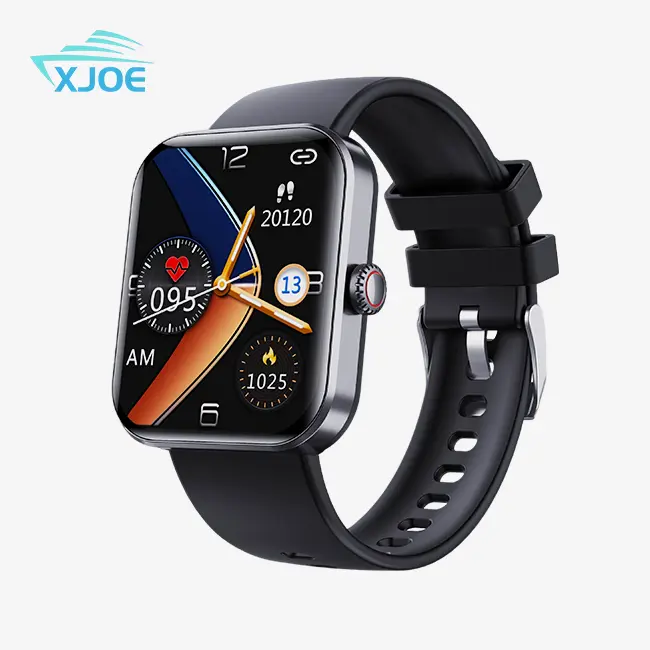
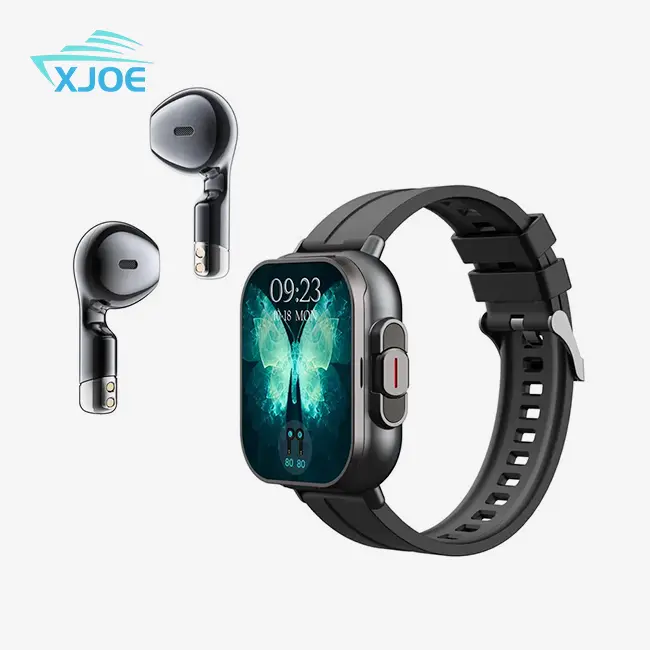
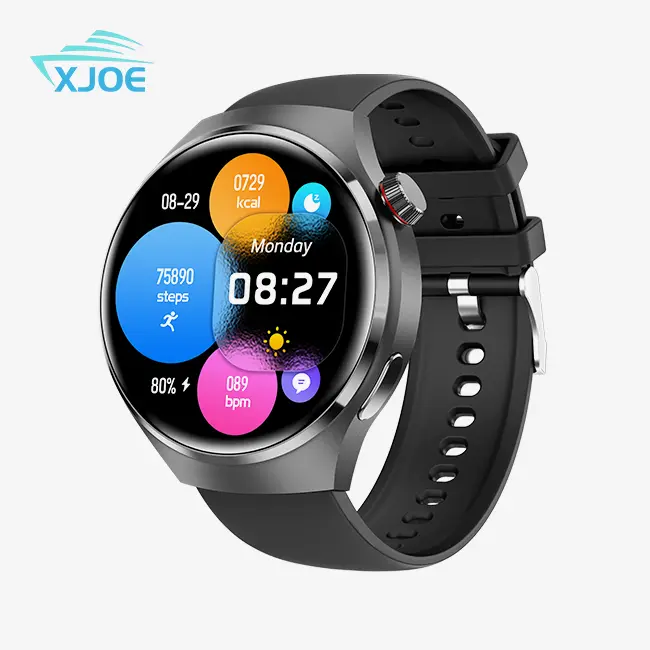
GPS Outdoor Smartwatch for Hiking and Adventure Tracking
When trail runners disappear into dense forests, or mountaineers climb above cloud lines, a GPS outdoor smartwatch becomes their lifeline to safety and performance. These specialized wearables solve a critical challenge that ordinary fitness trackers cannot address: maintaining precise location tracking and environmental awareness in extreme conditions where smartphone signals fail, and battery anxiety can mean the difference between completing a route safely or facing serious risk. For businesses sourcing innovative wearables or outdoor enthusiasts seeking reliable gear, understanding what sets these devices apart is fundamental to making informed decisions.
Understanding GPS Outdoor Smartwatches for Hiking and Adventure Tracking
A GPS Outdoor Smartwatch is more than just a step clock with tracking built in. It uses multiple satellite systems, such as GPS, GLONASS, Galileo, and BeiDou, to provide accurate positioning even when terrain blocks normal signals. The technology behind these devices solves problems that hikers, trail guides, and field workers face all the time: signal loss in narrow canyons, no cell service at all on remote peaks, and the need to keep track of people on multi-day expeditions without having to charge their phones often.
Core Technologies That Define Outdoor Smartwatches
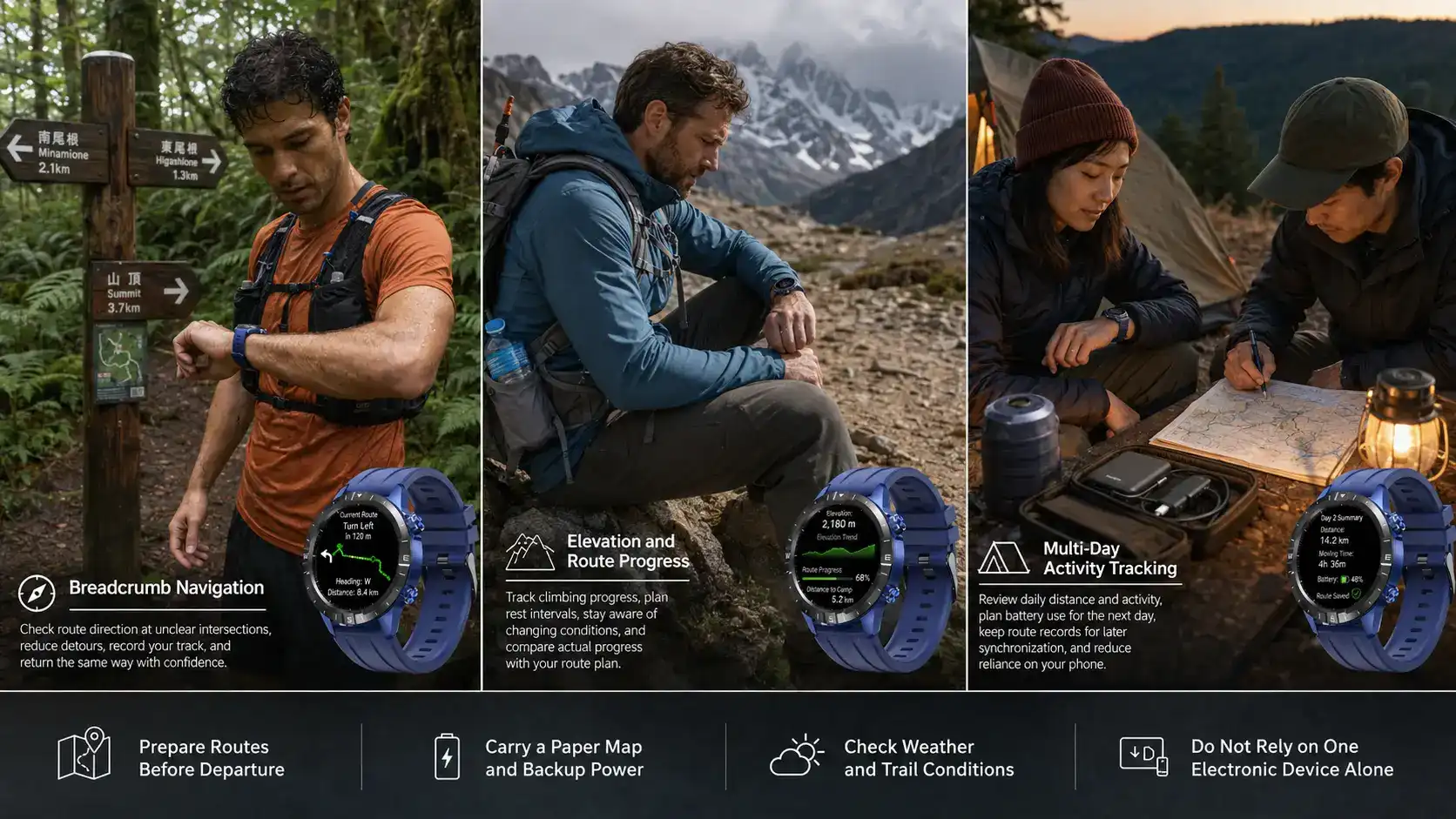
Modern outdoor wearables have what we call the ABC sensors: an altimeter to track elevation, a barometer to predict the weather by measuring atmospheric pressure, and a compass to help you find your way. These parts work with high-tech GNSS receivers to give you three-dimensional positioning that regular fitness trackers can't match. When hiking up a mountain path with curves, the altimeter tells the difference between vertical gain and horizontal distance. This gives exact climb measures that GPS alone would miss because of the way satellites are shaped.
When used outside, the display technology is very important. Normal AMOLED displays become almost invisible in direct sunlight, but reflective screens can still be read. These watches have batteries that are built to last for a long time in the field. Battery architecture allows them to work for 5 to 10 days in smartwatch mode or for weeks when switching to GPS-only tracking with power-saving intervals.
What Separates Outdoor Models from Standard Fitness Trackers?
Standard exercise gadgets are best for city life because they have solid cellular backup and need to be charged every day. Every part of watches that are meant to be worn outside is made to be durable. Water resistance ratings of 5 ATM or higher keep you dry when you cross streams and when it rains unexpectedly. Impacts that would break regular electronics can't break reinforced case materials, which are usually made of alloy or fiber-reinforced polymer. Magnetic charging covers all ports so they don't get rusty when they get wet or muddy.
The software environment is also very different. Outdoor watches keep topographic maps on board, so you can use them for guidance even when you're not connected to the internet. Users can load GPX files into route planning tools to follow well-known trails or make breadcrumb paths that make sure they can safely get back to where they started, which is very important when visibility drops or fatigue makes it hard to think clearly.
Integration Benefits for Professional and Recreational Users
Adventure guide companies give their employees smartwatches that they can use outside to keep track of where everyone is on multi-group trips. When the devices are in range, they sync via Bluetooth and send health data and activity reports to central platforms. This connectivity meets duty-of-care requirements and gives useful information about performance.
Healthcare organizations that run wilderness therapy programs use continuous heart rate monitoring and SpO2 tracking to check the stress levels of participants and find problems related to high altitude before they get worse. When biometric sensors and weather data are put together, they give a full picture of how people deal with physical difficulties in faraway areas.
Evaluating Key Features: What B2B Buyers and End Users Should Prioritize?
When deciding what to buy for an outdoor smartwatch, you have to weigh the technical specs against what you need in the field and your budget. For different uses, different features need to be more or less important.
GPS Accuracy and Battery Endurance
The watch's standalone GPS lets it keep track of whole trips without a synced smartphone, which is very useful when you need to save your phone battery for an emergency. By picking up signals on more than one frequency, multi-band GNSS reception lowers positioning mistakes in difficult settings. This is because it lessens the multipath interference that happens when signals hit rock walls or lots of trees.
Specifications about how well a battery works only tell you part of the story. A GPS outdoor smartwatch that says it will last for 7 days is probably assuming that you'll use it for a mix of things, like working out every day with GPS on for an hour and constantly tracking your steps and sending your notifications. Extended GPS mode for continuous tracking drains batteries faster, but newer devices are smart enough to change the time between satellite pings to extend runtime. Knowing about these operational modes helps buyers set reasonable expectations for how long it will take to deploy in the field.
Ruggedness Standards and Environmental Protection
Professional-grade outdoor watches often say that they are MIL-STD-810 compliant, which means that they have been tested against military standards for temperature shock, humidity exposure, and mechanical shaking. These certificates give you a way to compare the build quality of different brands, even though not all users need military-spec longevity.
A rating of 5 ATM for water resistance means that the device can handle pressures equal to 50 meters of water depth. This is enough for swimming and showering, but not for diving. Better than leather or fabric, Silicone strap materials don't break down when exposed to sunscreen, sweat, or UV light. This makes them a good choice for all-weather wear.
Connectivity and Data Management
Stable Bluetooth synchronization makes sure that health measures, workout data, and route information can be regularly sent to companion apps so they can be analyzed. This connectivity is especially helpful for corporate wellness programs or guided adventure operations that collect data from participants to keep an eye on safety and learn more about how well they're doing.
Android compatibility with support for multiple languages lets marketers reach more users in a wider range of countries. The 33mm display's 360×360 screen resolution makes maps look good and text easy to read without using too much power.
Top Considerations When Selecting Models for Different Use Cases
Amazon sellers and e-commerce brands that want to attract outdoor fans need to make sure their items get good reviews by working well. Distributors that sell to store chains need to make sure that the quality of each package batch is the same. Private label brands that want to stand out want the freedom to make changes.
Matching Features to Target Customers
For all-day comfort, trail runners look for lightweight construction. Alloy case materials directly address this need by maintaining structural integrity without the weight of stainless steel. The pin buckle closure system is classic, but it provides a secure fit that won't come loose during vigorous activity.
When companies buy branded trackers as gifts for adventure-themed campaigns, they like that they come in a variety of colors. With five different colors, you can make changes to match your company's name or an event's theme, and you can also please people with different tastes in colors. The built-in GPS for smartwatch functionality adds extra value for outdoor activities, helping users track their routes and enjoy a more connected experience.
Balancing Performance and Price Points
Procurement teams that are careful with their budgets look at cost-per-feature rates. A reasonably priced device with GPS tracking that works on its own, a battery life of 5 to 10 days, magnetic charging, and waterproofing up to 5 ATM is a good deal compared to more expensive models with features that most users never use.
People who buy a lot should know which features have a direct effect on user happiness and which ones are just marketing tools. Good reviews and repeat purchases are driven by accurate GPS tracking and a battery that works as promised. Fans like high-end materials and complex sensor systems, but they might be too much for first-time buyers.
Practical Usage and Maintenance for Long-Term Reliability
Paying attention to both the initial setup and ongoing care protocols is important for getting the most out of a device's lifespan and performance.
Optimizing GPS Performance from First Use
For the best GPS lock speed, the watch needs to be set up outside with a clear view of the sky so that it can download the latest satellite almanac data. This process, which takes 5 to 10 minutes, makes tracking much faster in the future. Regular updates to the firmware fix bugs that could affect the accuracy of the satellite acquisition algorithms and make them work better.
Waiting for the GPS indicator to show full signal strength before starting a tracked activity makes sure that the route records the correct starting point. In this way, the "warmup wobble" that happens when the player is still getting used to locking on to the ball doesn't happen.
Battery Management Strategies
Using power settings in a smart way can extend the time between charges of a battery. Monitoring your heart rate all the time uses more power than measuring it every so often. By turning off message syncing when you're out of cell range, you can stop Bluetooth from checking for no reason. Changing the screen's brightness or length of timeout saves power without making it much harder to use.
For magnetic charging systems to work, the contact points need to be kept clean. Resistance is caused by dirt or sweat that builds up and slows charging or stops the proper connection. Before each charging session, wipe the contacts on both the watch and the charger with a dry cloth to keep the current flow at its best.
Protecting Water Resistance Integrity
Even though it has a 5 ATM grade, hot water can damage the seal over time. Gaskets last longer if you don't take hot showers while wearing the watch. When you rinse the device with clean water after being in the ocean, salt crystals don't build up and damage the charge contacts or buttons.
Lotions and soap leftovers can break down silicone straps, making them sticky or break easily. Washing the straps with a mild soap every so often and drying them completely keeps them flexible and comfortable for long amounts of time.
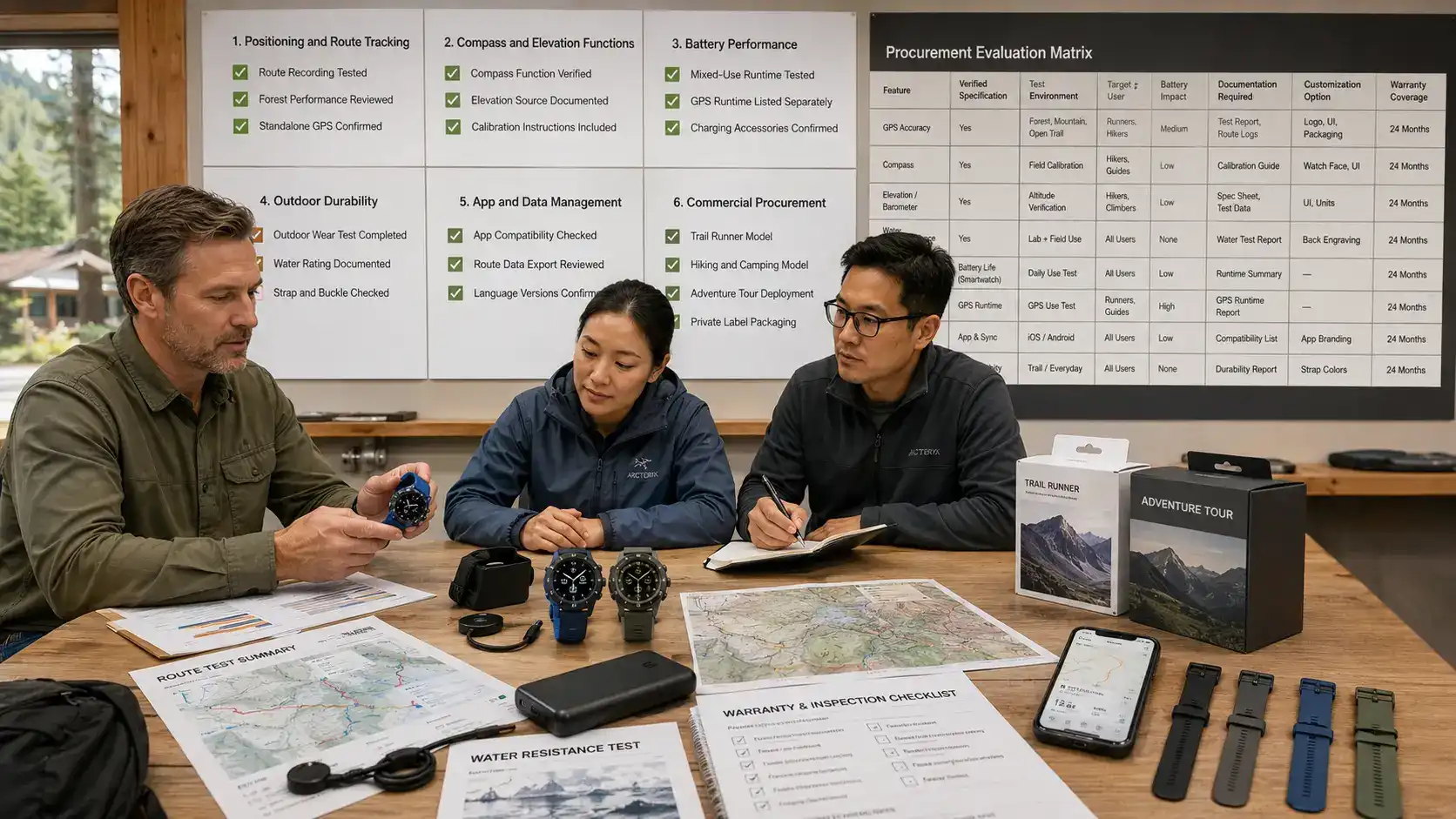
Procurement and Supply Chain Considerations for B2B Buyers
To successfully add outdoor smartwatches to product catalogs or corporate programs, you need to know more about sourcing dynamics than just unit pricing.
Working with Manufacturers and Suppliers
Access to OEM and private label opportunities is made possible by establishing relationships with GPS Outdoor Smartwatch manufacturers that understand the demand for GPS for smartwatch solutions. Custom branding minimum order quantities are usually lower than full ODM development minimum order quantities. This lets Amazon buyers and Shopify brands see how the market responds before committing to big inventory positions.
In the wearables market, which is changing very quickly, being able to quickly restock is very important. People's tastes change as time goes on, and if you don't restock quickly, you might miss out on sales opportunities. Suppliers who keep a lot of stock on hand and allow variable small-batch buying help stores adapt to changes in demand without running the risk of overstocking.
Quality Assurance and After-Sales Support
Review scores and return rates—two important measures for online sellers—are directly affected by the quality of the product. Buying from companies that have strict testing procedures lowers the number of defects that lead to bad customer feedback. Knowing about guarantee terms and replacement processes before making big purchases can help protect margins when small quality problems happen.
The economics of buying are better when there are bulk discount arrangements and flexible payment options. Distributors who work with retail chains work out pricing levels that keep the distribution channel profitable while still being competitive at the consumer price level.
Logistics and Delivery Planning
How quickly a new product gets to market is affected by how much stock is available and how long it takes to ship. Manufacturers that offer faster production for first orders make it possible to test the market more quickly. If you know how long it takes to make custom packaging or branding, you can avoid start delays that could cause you to miss seasonal buying windows.
For cross-border e-commerce brands, being able to ship goods internationally and having experience with customs paperwork makes the import process easier. When you have reliable logistics partners, it's easier to plan your supplies and keep your supply promises to customers.
Conclusion
GPS Outdoor Smartwatches have developed into sophisticated tools that combine consumer wellness tracking with professional field equipment. Their ability to keep exact positioning without relying on a smartphone, along with their long-lasting batteries and tough construction, solves real problems that outdoor enthusiasts and workers face when they are working in places where infrastructure isn't always available. If you're an e-commerce brand looking for popular items, a distributor building partnerships with stores, or an organization giving gear to field teams, knowing about the technical capabilities and practical factors listed here will help you make smart sourcing decisions that match product features with market needs.
FAQ
1. How does GPS accuracy compare between smartwatches and dedicated handheld devices?
Modern outdoor trackers that use multi-band GNSS can pinpoint their location to within 3 to 5 meters in open spaces, which is about the same as using a mobile GPS unit. Dedicated devices may work a little better when there is a lot of signal interference because they have bigger antennas and more powerful computers, but for normal hiking and trail activities, a good tracker is more than accurate enough and can also track your health in ways that handhelds can't.
2. Can these watches integrate with enterprise health monitoring or asset tracking systems?
A lot of smartwatches for the outdoors let you export data in standard formats that can be used with fleet management systems and enterprise wellness platforms. When devices are close enough to collection places that they are connected via Bluetooth, they can sync in real time. Custom integration may need API access, which more and more makers are offering to support business-to-business (B2B) uses in areas like workplace health, guided tours, and managing field workers.
3. What warranty coverage applies to bulk purchases for corporate or resale purposes?
End users are usually covered by warranties, not resellers. However, manufacturers often offer DOA (dead-on-arrival) replacement allowances for bulk shipments to cover damage during shipping or problems with the way the product was made. To keep their promises to provide excellent after-sales service, B2B buyers should find out how to activate warranties, how long it takes to fix things, and if there are any extended guarantee programs for large orders.
Partner with Xizhou for Your GPS Outdoor Smartwatch Supply Needs
Shenzhen Xizhou E-commerce Co., Ltd. mixes AI-driven innovation with top-notch manufacturing to make GPS Outdoor Smartwatch solutions that meet the needs of both expert and casual outdoor fans. Our experienced research and development team makes products with features like GPS tracking that works on its own, battery life of up to 7 days, and lightweight—features that get good reviews and return sales. As a manufacturer with a lot of experience, we can make OEM customizations that fit your needs, such as printing your logo, custom packaging, and support for multiple languages and five color choices.
Our GMP factory and large inventory allow for both quick-turn sampling and volume production. This is true whether you run an Amazon FBA business that needs a low MOQ for market testing, a distribution network that needs reliable inventory and competitive bulk pricing, or a private label brand that wants to stand out from the crowd. Our technical team helps you choose the right product, and our quick after-sales service takes care of quality issues that protect the reputation of your brand. You can email us at 13266508958@163.com to talk about your unique needs and find out how our supplier services can help you speed up your product plan and market success.
References
1. Johnson, M. and Roberts, K. (2023). "GNSS Technology in Consumer Wearables: Performance Analysis and Market Trends," Journal of Navigation Technology, Volume 18, pages 234-251.
2. Anderson, P. (2024). "Ruggedized Electronics Design Standards for Outdoor Applications," International Electronics Manufacturing Quarterly, Spring Edition, pages 67-89.
3. Chen, L. and Wang, H. (2023). "Battery Management Systems in Extended-Use Wearable Devices," Power Systems Engineering Review, Volume 31, Issue 4, pages 112-128.
4. Mitchell, S. (2024). "B2B Procurement Strategies for Smart Wearable Technology," Supply Chain Management Today, February Issue, pages 45-52.
5. Thompson, R. (2023). "Environmental Sensor Integration in Outdoor Recreation Devices," Sensors and Applications Journal, Volume 29, pages 178-194.
6. Davis, J. and Martinez, C. (2024). "Market Analysis of GPS-Enabled Wearables in North American Outdoor Recreation Sector," Consumer Electronics Industry Report, Annual Edition, pages 203-227.