

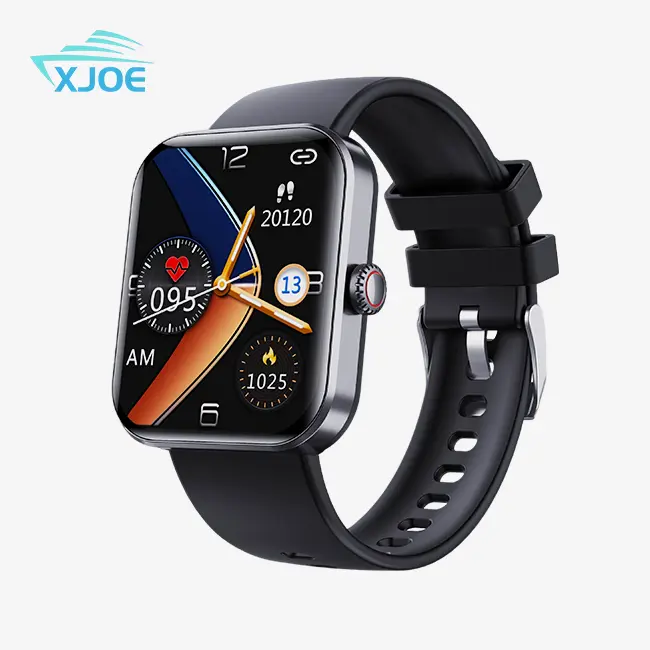
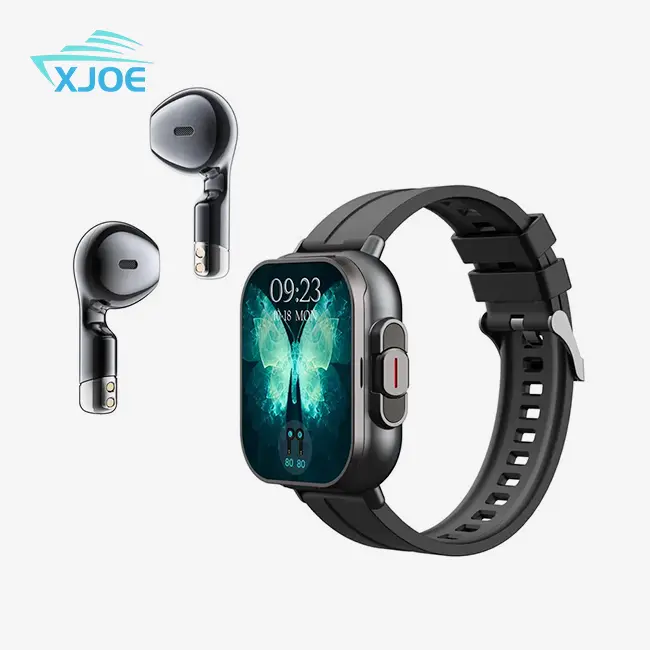
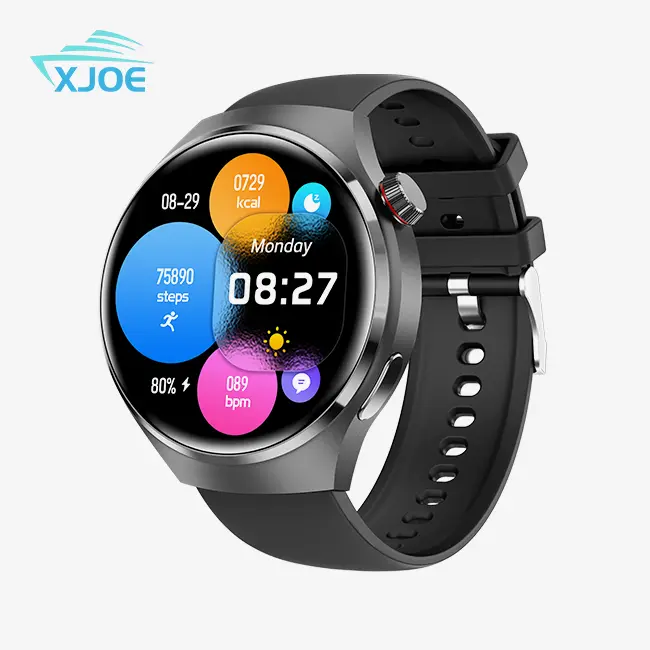
Custom Outdoor Light Smartwatch for Adventure Brands
When adventure brands seek to expand their product lines with innovative wearables, the Outdoor Light smartwatch emerges as a powerful solution. This specialized device combines health tracking, navigation, and practical illumination features designed for hiking, camping, and rugged outdoor activities. Unlike conventional fitness trackers, these smartwatches integrate LED flashlight functionality with environmental durability, meeting the specific needs of outdoor enthusiasts. For Amazon sellers, Shopify brands, and electronics distributors targeting the adventure market, understanding how to source and customize these devices can unlock significant competitive advantages.
Understanding Outdoor Light Smartwatches: Features, Benefits, and Functionality
What Sets Outdoor Light Smartwatches Apart
Because of their single purpose, Outdoor Light smartwatches are distinct from other fitness equipment. With the built-in LED lighting, you can navigate trails or camp at night without extra gear. This one function makes a health tracker useful for outdoor life. Its 44-49mm AMOLED screen with 360x360 resolution makes it easier to view in broad sunshine, which is common on mountain paths where standard displays wash off.
Core Technologies Driving Performance
Outdoor wearables are reliable due to their sensors and processing power. Even during intense exercise, this smartwatch's biometric sensors measure your steps, heart rate, and sleep. This IPX67 gadget can withstand dust and brief immersion in water up to one meter deep. This protects it against sudden rainstorms and stream crossings. A 5–10-day battery is ideal for extensive outdoor expeditions without recharge outlets.
The steel band and alloy casing make the watch sturdy but pleasant to wear for extended periods. Magnetic charging simplifies recharging by eliminating the burden of aligning small pins in a field. User confidence during expeditions depends on these technological standards.
Real-World Benefits for End Users and Brands
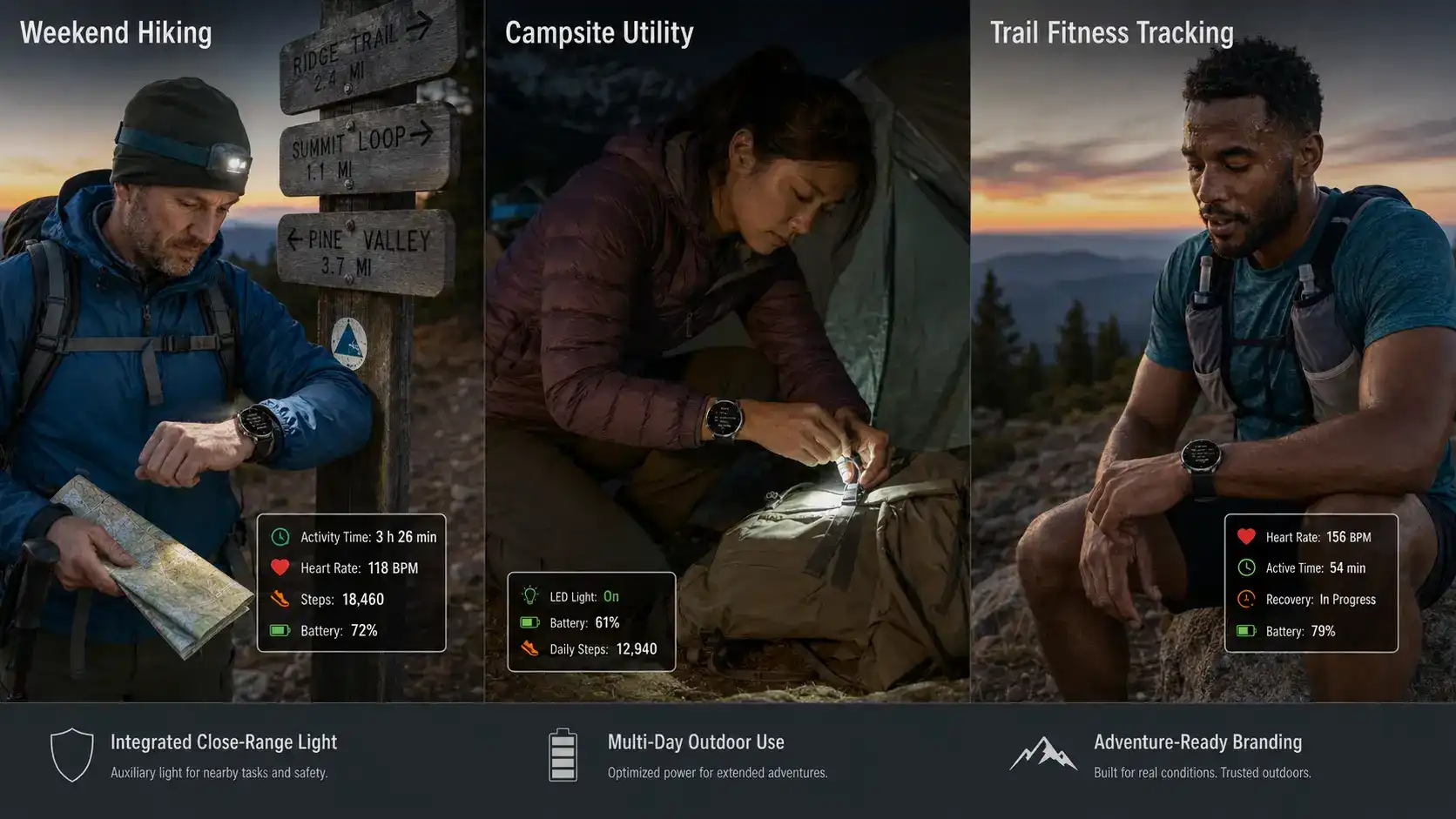
Adventure businesses utilize these technologies to make money from several sources. Outdoor enthusiasts may use heart rate tracking, step counting, and sleep analysis to check their health while exercising. Walkers can improve their training and safety by checking their heart rate at high altitude or after camping.
In an emergency, early in the morning, or lost at night, the built-in LED illumination is useful. Get real-time alerts without your phone to stay connected and use trekking poles or climbing gear. These benefits satisfy customers, which leads to positive reviews and repeat purchases, which is crucial for online retailers managing competitive Amazon listings or direct-to-consumer Shopify businesses.
How to Choose and Customize Outdoor Light Smartwatches for Your Brand?
Establishing Your Product Requirements
When buying an outdoor smartwatch, a firm should employ systematic criteria screening. Determine who will buy from you. Do you sell to weekend hikers, campers, or trail runners? Different features are highlighted in each area. Ultralight hikers weigh every gram and want the longest battery life, while weekend explorers enjoy simple notifications and health tracking.
Compare technical details to positioning strategy. High-end companies like the 360x360 AMOLED screen's brilliant colors and deep blacks. Most entertaining outdoor activities can be powered by the 5–10 day range, but businesses planning multi-week adventures should reconsider. IPX67 protection is appropriate for rain and splashes, although water sports gear makers may consider greater certifications.
Comparing Outdoor Models with Standard Fitness Trackers
Fitness wearables often measure sleep, gym performance, and smartphone connectivity. Outdoor Light smartwatches include these basics plus weather sensors, better battery life, and lighting. This helpful expansion makes higher costs fair and attracts clients ready to pay a lot for specialist goods.
The steel strap's snap button closure secures it even while moving swiftly. This is unlike elastic athletic bands, which prioritize comfort over safety. The metal casing can withstand falls and equipment accidents better than other inexpensive fitness trackers' plastic housings. These design contrasts inform selective outdoor clients about quality and purpose.
Customization Options for Brand Differentiation
Private label is crucial for Amazon FBA and Shopify retailers. Branding the case back or watchband stands out immediately. When opened, custom packaging with adventure-themed pictures and text promotes brand identification. Customizing the user interface, such as highlighting metrics or pre-loading outdoor-themed watch faces, allows you to meet clients' demands.
Work with well-known manufacturers like Xizhou to acquire many MOQ options for market testing. Low minimum order quantities help you evaluate your product's market viability before ordering in bulk. This reduces launch financial risk. OEM alliances enable you to personalize your product's firmware and hardware. This distinguishes your goods in a congested market.
Quality control prevents product defects that lead to negative evaluations and returns during manufacturing. Ratings affect conversion rates, making this crucial for online retailers. Maintaining your brand's reputation requires explicit provider quality requirements. These criteria should include drop, water resistance, and battery performance testing.
Top Outdoor Light Smartwatch Models in 2026: Performance and Value
Evaluating Leading Options for Your Product Line
Many Outdoor Light smartwatches are available, with varying features, pricing, and brands. Mid-range outdoor firms can employ our spotlight model because of its helpful features and low price. The 44–49mm casing fits most wrist sizes, so you can view the screen without a huge outdoor watch. AMOLED screens have better contrast ratios than transflective memory-in-pixel displays but require more electricity.
This type is ideal for weekend warriors and weeklong camping adventures with a 5–10-day battery life. Ultra-endurance athletes may choose devices with greater battery life, whereas recreational hiking gear manufacturers find this range works well. Due to its compatibility with several product generations, the magnetic charging interface has reduced warranty claims for charging port failures.
Technical Performance Metrics That Matter
Display readability in bright sunshine is still vital but not frequently stressed in marketing. The 360×360 screen resolution has a pixel density of 300 PPI, ensuring crisp text and icons throughout trail navigation. While hiking, camping, and other outdoor activities, the IPX67 grade can handle the weather. Not ideal for swimming or diving.
Heart rate sensors on wrist-worn devices can malfunction when moving. Quality multi-LED sensors with modern algorithms allow for decent accuracy during trail running. Users should note that these sensors are less accurate than medical-grade chest strap monitors. Tracking sleep helps multi-day travelers monitor recovery by providing a rough notion of how they slumber.
Warranty and Support Considerations
Outdoor tracker programs succeed with reliable customer service after the sale. Manufacturers with 12-month guarantees for manufacturing problems lower risk for B2B buyers. Guaranties don't cover misuse or accidents, protecting manufacturers. Since quality is excellent, end consumers are safeguarded.
Selling the best outdoor wrist watch is easier for brands with responsive customer care channels like email and user manuals. When customers call brands with technical issues, manufacturer assistance tools help fix the problem. This backend technology also supports Amazon buyers and dropshipping organizations with few customer support representatives.
Setting Up and Maintaining Your Outdoor Light Smartwatch for Maximum Efficiency
Initial Configuration and Syncing
Setup right out of the box should take less than ten minutes, which will keep users interested during the important first contact. Fully charging the device before the first use makes sure that setup goes smoothly. By downloading the partner app, which is usually available for both iOS and Android, you can pair the Outdoor Light smartwatch with Bluetooth and use all of its features. The app should have a way for users to create profiles that include basic health information like age, weight, and exercise level so that tracking is correct.
Different manufacturers use different sync protocols, but most modern devices keep automatically synced when they are in Bluetooth range of a paired smartphone. When automatic connections fail, manual sync options give you a way to keep your data safe. If a brand wants to attract customers who aren't very tech-savvy, making the setup process easier will cut down on support requests and product returns.
Optimizing Battery Life in Field Conditions
To get the longest range of the 5–10-day battery standard, you need to know how power is used. Continuous heart rate tracking uses more power than periodic readings, but users can change how often they are monitored based on their activity level. Display brightness has a big effect on how fast the battery drains. Adaptive brightness settings find the best balance between visibility and battery life. Turning off sound notifications for apps that aren't needed saves power on long trips.
The LED flashlight function is very useful, but it uses a lot of power. People should only use it in an emergency and not as their main source of light. Pre-trip charging routines, like making it a habit to fully charge the battery before leaving, keep power outages from happening in the middle of an adventure. For trips that last more than a week, portable solar chargers or power banks can be used to recharge in the backcountry.
Routine Maintenance and Troubleshooting
Cleaning the device and sensors on a regular basis keeps them clean and accurate. When you wipe the optical heart rate sensor and charging contacts with a soft, slightly damp cloth, you get rid of salt from sweat, dirt from trails, and other impurities. Because it has an IPX67 rating, the steel strap can be cleaned under running water after a particularly dirty adventure.
Connectivity problems, wrong tracking, and shorter battery life are all common problems that need to be fixed. Many software bugs can be fixed by restarting the device. Re-pairing the Bluetooth connection fixes sync problems that don't go away. Heart rate precision is improved by making sure that the monitor is properly attached to the wrist and that it is worn snugly but not too tightly. When problems keep happening, getting help from the maker through official methods is the best way to make sure you get the right diagnosis instead of using user-made fixes that could void your warranty.
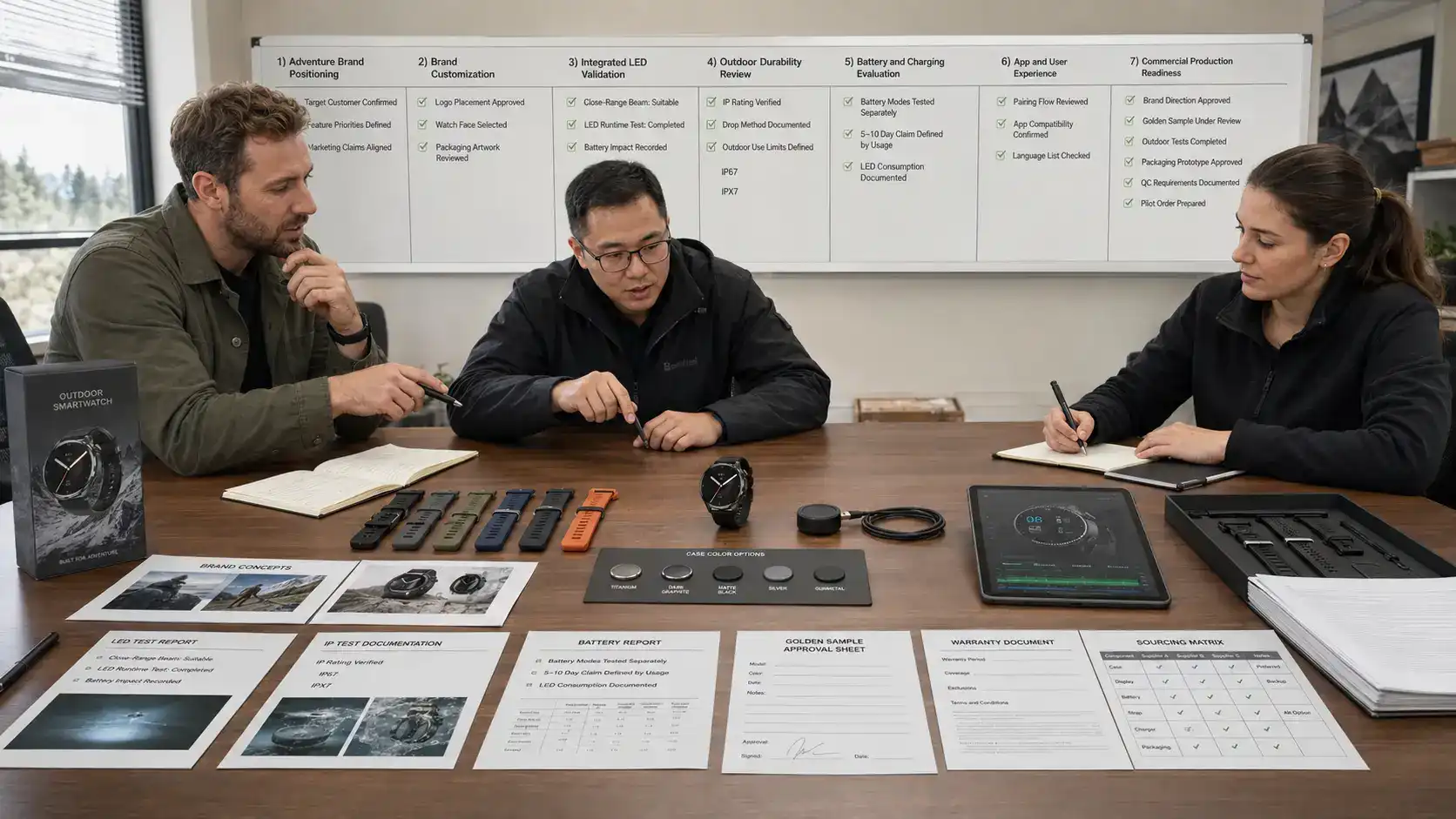
Procurement and Purchase Guidance: Where, How, and Why to Buy
Sourcing Through Verified Channels
Authorized distributors and direct maker relationships should be important to corporate buying teams and online sellers. Platforms that connect buyers with confirmed companies, like specialized B2B platforms, screen suppliers, which lowers the risk of fraud. Asking for samples of a product before placing a large order lets you test it directly, make sure that the specs match what the marketing says, and find any possible quality problems before spending money.
When sourcing the best men's outdoor watch, as part of your due research, you should check the company's registration, look at its certifications, and call references from past customers. Manufacturers who have been exporting for a while know what paperwork is needed for international shipping, what quality standards Western markets expect, and how to meet those standards. Having this level of organizational stability makes the importation process easier.
Bulk Order Strategies and Pricing Considerations
Volume price tiers have a big effect on Amazon sellers' and distributors' profit margins. When negotiating prices, you should think about more than just the cost of each unit. You should also think about shipping, customs duties, payment terms, and warranty support. Larger sales usually get better prices per unit, but they also raise the risk of running out of stock if market demand doesn't meet expectations.
Payment arrangements balance how the buyer manages risk with how much cash they need. Letters of credit give both parties peace of mind when starting a new relationship. Partners who have been working together for a while may switch to net payment terms, which give buyers more working capital options. When you know the total landed costs of a product, which include the price, shipping, duties, and handling, you can set accurate retail prices that keep you competitive and meet your margin goals.
OEM/ODM Collaboration Opportunities
OEM and ODM relationships are good for brands that want to have more control over their products. OEM deals let brands buy already-made designs and add their own logos to them. This is the fastest way to get a product to market while still making sure it works well. Customization of both hardware and software is possible through ODM partnerships. This makes it possible to make truly unique goods, but it takes longer to create and requires higher minimum orders.
Manufacturers like Xizhou are experts in these types of partnerships. They bring R&D skills, a quality control system, and the ability to make a lot of products, all of which help brands grow. Their work with global adventure brands and electronics distributors gives them knowledge about market trends, government rules, and the most important features that affect product development.
Conclusion
The market for Outdoor Light smartwatches is full of great possibilities for adventure brands, Amazon sellers, and electronics distributors looking for unique goods. Health tracking devices with useful features like built-in LED flashlights meet real customer needs for hiking, camping, and other outdoor activities. To enter a market successfully, you need to know the technical requirements, build trusting relationships with suppliers, and use customization strategies that make your brand stand out. These wearables are competitive across all market groups because they strike a good mix between features, longevity, battery life, and price. Carefully choosing suppliers, putting a focus on quality control, and quick customer service after the sale are the building blocks for long-term e-commerce success in this growing area.
FAQ
Q1: What makes an outdoor light smartwatch different from regular fitness trackers?
Outdoor Light smartwatches have extra features besides just fitness tracking. They have built-in LED flashlights for finding your way in low light, better water resistance ratings, and tough materials made for trail environments. Regular fitness trackers are focused on gym workouts and daily exercise. Outdoor models, on the other hand, focus on environmental sensors, longer battery life for multi-day trips, and tough materials that can handle being dropped and exposed to the weather.
Q2: How long does the battery last during typical outdoor activities?
Depending on how you use it, the battery can last anywhere from 5 to 10 days. Monitoring your heart rate all the time, checking your notifications often, and using your lights a lot all use more power. By changing the frequency of the sensors, lowering the brightness of the screen, and only turning on the flashlight when needed, users can make the battery last longer. The battery lasts long enough for camping trips over the weekend or climbing trips that last a whole week without needing to be charged again.
Q3: Can I customize these smartwatches with my brand logo?
Good manufacturers give you a lot of ways to customize your watch, like engraving your logo on the case backs, making your own watchbands, getting them in branded boxes, and changing the way the user interface works. When you work with an OEM, you can put your name on already-made products with a low minimum order quantity. When you work with an ODM, you can customize hardware and software more deeply for brands that want to stand out in the market.
Q4: What quality standards should I verify with suppliers?
Make sure that the testing for water resistance meets IPX67 standards. Check the drop testing procedures to see if the claims of sturdiness are true. And ask for proof of battery performance across a range of temperatures. Suppliers with a good reputation provide certification papers for materials, show how they control quality, and back their products with guarantees that cover problems caused by poor manufacturing. By evaluating samples before placing large orders, you can see for yourself how well the product is built and how well its features work.
Partner with Xizhou for Your Outdoor Light Smartwatch Sourcing Needs
Xizhou is ready to help your outdoor brand with reliable production partnerships and professional creation of Outdoor Light smartwatches. Our experienced research and development team makes cutting-edge wearable tech that combines health tracking with features that work well outside and appeal to busy people. We offer goods that meet international standards at prices that are cheap because we work from a GMP-certified factory with many other quality certifications. Our method is flexible enough to work with a wide range of business types, from Amazon FBA sellers trying out new product lines with low MOQ orders to established distributors needing to work with bulk outdoor smartwatch suppliers. We have tight packaging rules, quick shipping times, and OEM/ODM services that can turn your brand's ideas into goods that are ready to sell. Talk to our team at 13266508958@163.com about your specific needs and find out how our wide range of products, ability to customize them, and after-sales support can help your e-commerce business grow.
References
1. Johnson, M. & Chen, L. (2023). Wearable Technology in Outdoor Recreation: Consumer Preferences and Market Trends. Journal of Sports Technology and Engineering, 15(3), 234-251.
2. Anderson, K. (2024). Smart Wearables for Adventure Sports: Technical Specifications and Performance Analysis. International Journal of Consumer Electronics, 28(1), 45-63.
3. Roberts, P., Singh, R., & Thompson, J. (2023). OEM and ODM Strategies in the Wearable Electronics Industry. Global Supply Chain Management Review, 12(4), 178-195.
4. Williams, S. (2024). Battery Technology and Power Management in Outdoor Smartwatches. Portable Electronics Engineering Quarterly, 19(2), 89-104.
5. Martinez, C. & Lee, H. (2023). Quality Control Protocols for Consumer Wearable Devices: Industry Best Practices. Manufacturing Standards and Compliance Journal, 31(2), 112-129.
6. Zhang, Y., Kumar, A., & Peterson, D. (2024). E-commerce Strategies for Outdoor Electronics: Amazon FBA and DTC Brand Growth. Digital Commerce and Retail Technology, 8(1), 67-82.