

Fitness Insights and Metrics You Can Track with an Athletic GPS Smartwatch
A sports GPS smartwatch is more than just a watch; an Athletic GPS Smartwatch is a full workout partner that turns raw satellite data and biological readings into useful information about your performance. This high-tech clothing has many GNSS systems and sensors put in to give serious athletes, business health managers, and exercise experts important real-time data. You can make better buying choices for the people who will use these devices if you know what they can track. This is true whether you're looking for things for an online shop or a company health program that needs to buy in bulk.
Understanding Athletic GPS Smartwatches: Features and Functionality
These days' fitness watches with GPS use both satellite tracking and smart sensor systems to show the whole picture of how well an athlete is doing. Multi-GNSS technology, which uses GPS, GLONASS, Galileo, and BeiDou all at the same time, lets these devices get accurate locations even in tricky spots like canyons in cities or trails through dense forests. This is not the same as simple fitness trackers that only use figures from accelerometers.
Core Hardware Components
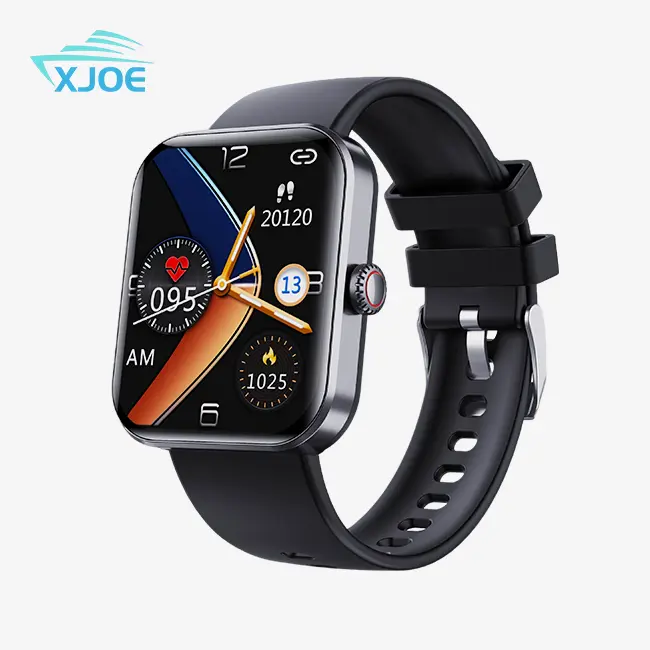
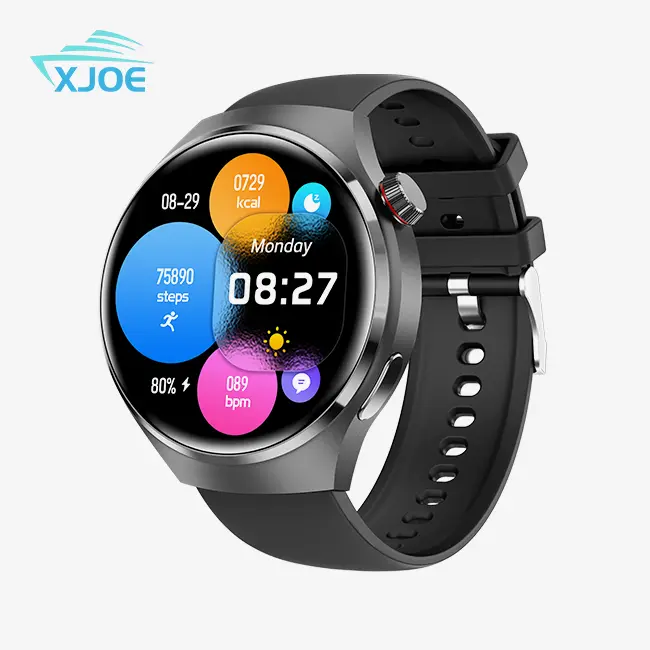
How well a workout smartwatch is put together and how well it works are the first things that make it good. Fit fan gear is often made of tough materials like zinc metal. This makes the gear last longer while still being comfortable to wear. A round 1.53-inch IPS color screen with 360×360 resolution makes it easy to see, and high-brightness displays make sure that you can still read the screen while working out outside in the sun. IP67 water and dust protection keeps you safe from sweat, rain, and sudden immersion. In other words, you can use these watches for games like swimming.
Connectivity and Power Management
Bluetooth Low Energy 5.0 makes it simple to connect to smartphones and other exercise apps, so data can be shared without using up too much energy. Because it has a 410mAh battery and can be charged wirelessly, you can work out for longer. The JL7012 chip design makes the best use of power, balancing continuous GPS tracking with battery life. This is something that buying teams should think about when they are looking for gear for athletes who train for hours on end.
Multi-Language Support for Global Markets
Selling on Amazon, making a brand on TikTok, or distributing goods around the world is easier for people who can speak more than one language. You can get partner apps for good devices in more than 30 languages, like English, Spanish, German, French, Japanese, Arabic, and Korean. They can also work with more than 28 watch languages. Private label tailoring is easier and costs less when going into different regional markets because of this wide range of language support.
Essential Fitness Insights and Metrics You Can Track
Procurement professionals can figure out how valuable these devices are for a range of customers, from casual runners to professional sports teams, by knowing what data these devices collect.
GPS-Based Movement Metrics
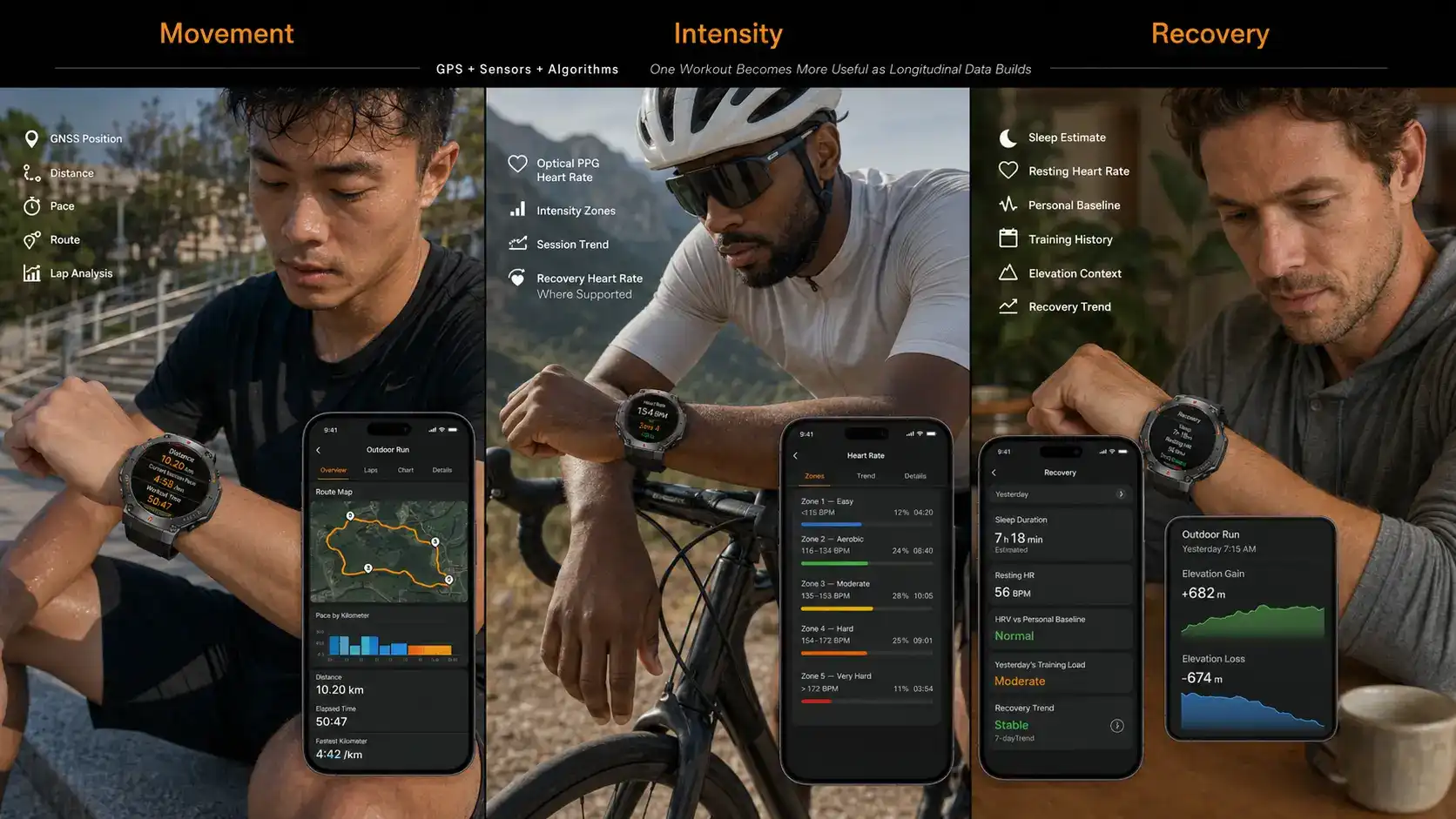
Multi-GNSS tracking technology accurately measures how far you walk, which is something that solo pedometers can't do. Real-time pace estimates take into account changes in the ground and give players immediate feedback during speed runs or sprint training. Route mapping makes pictures of training routes so that athletes can confidently repeat tried-and-true routes or explore new terrain. These features are especially helpful when looking for goods for people who like to ride bikes, run on trails, and go on outdoor adventures where accurate guidance is important.
When I look at watches to buy in bulk, I pay close attention to how quickly they pick up satellite signals. An Athletic GPS Smartwatch with a faster time-to-first-fix means that athletes can train instead of waiting, which is a real benefit that leads to better reviews from users and lower return rates for sellers.
Cardiovascular Performance Tracking
Heart rate zones can be seen through continuous tracking, which helps players know if they're working in fat-burning, aerobic, or anaerobic zones. This information is very helpful for sprint training plans, where staying at certain amounts of energy is what makes the workout work. Some cheaper models don't have heart rate sensors, but mid-range and high-end models do have optical sensors that give accurate readings even when the user is moving around.
Recovery and Sleep Analytics
Gains in training happen not only during workouts but also while you're recovering. Modern exercise watches look at your sleep habits and keep track of your light, deep, and REM sleep to see how well you're recovering. This knowledge helps players change how much they train to avoid overtraining syndrome, which happens when fitness fans work out too hard without getting enough rest. When setting up large orders for business fitness programs or sports team funding, these healing measures are very useful because they help with more than just tracking activities. They also help with overall health management.
Environmental and Elevation Data
Barometric monitors record changes in altitude and give exact information about elevation gain and loss, which is very important for mountain training, camping trips, and bicycle hill repeats. Temperature readings and signs of weather trends help players get ready for playing outside. These environmental measures are most important to procurement buyers who work with outdoor leisure markets, climbing groups, and adventure sports stores, since knowing how to train effectively in difficult terrain is directly linked to these metrics.
When you combine strong construction, accurate GNSS, and full measure tracking, you get devices that can handle rough conditions and give players data they can trust. This dependability cuts down on damage claims and improves the brand's image, both of which are important for wholesalers who have to keep track of supplies and make sure customers are happy at the same time.
How to Leverage Athletic GPS Smartwatches for Training and Performance Improvement?
It doesn't help to collect data if it isn't used to improve things. When smart teams buy things, they don't just look at the specs; they also try to figure out how the end users will use these new skills in real-life training.
Sport-Specific Configuration
Fitness watches today have modes just for strength training, swimming, running, and riding. The monitor and screen work best for that action in each mode. People who are running can easily see their pace and rhythm. People who are cycling can see their speed and get around the path. Setting up gadgets for individual games makes the statistics more accurate and the users happier. This is an important thing to remember when you're shopping for sports gear for small towns that have specific needs.
Training Load and Recovery Balance
You can slowly make your workouts harder while still giving your body time to heal. This is called progressive training. Your female sports watch with GPS capabilities looks at how you've trained in the past and suggests days off or lighter workouts to keep you from getting hurt or tired. When companies buy devices for their employees' health programs, these smart coaching features make it easier for wellness coordinators to keep participants safe and interested without having to constantly check in with the devices.
Enterprise Integration for Team Management
A lot of fitness apps let you use them by yourself, but some also have dashboards that let you share information from more than one device. Centralized tracking is useful for exercise tasks in the workplace, sports programs, and player projects that get money. People who are in charge of buying things should make sure that the watches they buy work with company health platforms and ask if they have API access for custom integration projects. These gadgets can be added to bigger health control systems because they can be made bigger.
Wearable programs have been set up by exercise center groups and company HR offices with my help. Often, what makes the difference between a good and failed job is how well the new parts work with the old ones. When looking for Athletic GPS Smartwatch providers for big orders, it's important to get technical about how to share data, sync with the cloud, and make sure that third-party apps will work with the watches. You'll be able to tell the difference between sellers who know how to meet the needs of businesses and those who only want to sell to consumers.
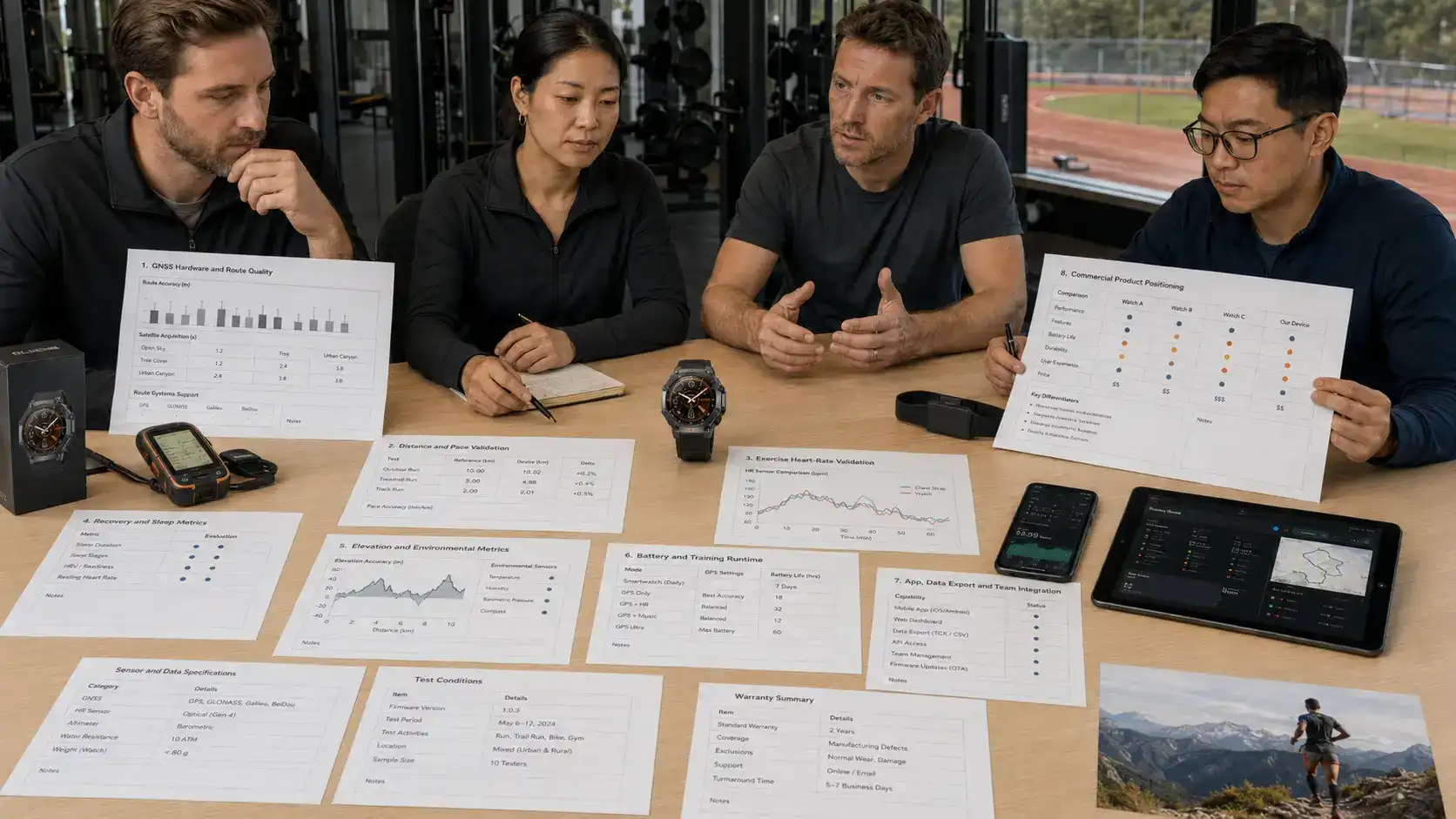
Comparing Top Athletic GPS Smartwatch Solutions for B2B Procurement
Smart technology comes in a wide range of prices, with a wide range of features and brand settings. To choose the right thing to buy, you need to know how to balance price, usefulness, and place in the market.
Premium Tier Solutions
For serious athletes, well-known brands like Garmin make the most popular devices. These brands offer advanced measures like VO2 max estimates, training state markers, and performance condition ratings. These extra features cost more per unit, but they're worth it for buyers who are willing to spend money on complete training tools. When looking for goods to sell in high-end exercise stores or to professional sports teams, premium products meet customer standards and help with price tactics that use premium products.
Mid-Tier Value Propositions
Many online stores and wholesalers find that mid-range devices with basic features and reasonable prices are the best fit for their needs. A tough multi-GNSS smartwatch with a clear screen, IP67 protection, wireless charging, and full app support can be sold at a low price while still making a good profit. These devices are for fitness fans and amateur athletes who want reliable performance without having to pay a lot of money. For Amazon FBA sellers trying out new markets or Shopify brands building their first inventory, mid-tier choices offer real value that leads to good reviews and return purchases while minimising financial risk.
Cost-Effectiveness Considerations
The unit price is only one part of figuring out the total cost of ownership. Long-term profitability is affected by warranty terms, the availability of replacement parts, the ability to update firmware, and how quickly suppliers respond. A slightly higher unit cost from a dependable supplier who ships quickly, keeps consistent inventory, and offers helpful customer service is often more cost-effective than rock-bottom prices from suppliers who don't show up when problems happen. This is something that should be thought about, especially for companies that use lean inventory models and replace quickly.
When you compare products, you should pay extra attention to how long the batteries last. When a device needs to be charged every day, it causes problems for users that make them give up, but when a battery lasts more than one day, it encourages consistent use. When I'm looking for watches for private label projects, I make sure they have a battery life of at least two days with GPS turned on. I know that this level of battery life will cover most training schedules without making charging stressful, especially for a female sports watch designed for active users who need reliable performance during workouts.
Conclusion
Athletic GPS smartwatches have evolved from niche gadgets into essential fitness tools that deliver measurable value across diverse applications. Understanding the metrics these devices track—from GPS-based movement data to cardiovascular insights and recovery analytics—enables procurement professionals to match products with customer needs effectively. Whether you're an Amazon seller testing new electronics categories, a distributor building relationships with fitness retailers, or a private label brand seeking differentiation through customization, selecting the right athletic GPS smartwatch supplier determines your success. Product quality, supplier reliability, customization capabilities, and responsive support create foundations for profitable, sustainable business relationships in this dynamic market.
FAQ
1. How does GPS accuracy in athletic smartwatches compare to standalone GPS devices?
Multi-GNSS smartwatches utilize multiple satellite constellations simultaneously, achieving positioning accuracy comparable to dedicated GPS units in open environments. While standalone devices may offer slightly faster signal acquisition in extremely remote locations, modern fitness watches like those featuring multi-band technology deliver sub-5-meter accuracy sufficient for virtually all athletic applications. The integrated design eliminates the need to carry separate devices, improving convenience without sacrificing performance for runners, cyclists, and outdoor athletes.
2. Can athletic GPS watches integrate with corporate health and wellness platforms?
Many fitness smartwatches support data export through companion apps that integrate with enterprise wellness platforms via APIs or standardized file formats like GPX and FIT. This compatibility enables corporate programs to aggregate anonymized activity data, track participation rates, and measure program effectiveness without compromising individual privacy. When evaluating devices for corporate procurement, verify compatibility with your specific wellness platform or inquire about custom integration support for proprietary systems.
3. What factors matter most when selecting GPS watches for professional athletes?
Professional athletic applications demand devices offering advanced metrics beyond basic distance and pace, including training load analysis, recovery recommendations, performance condition indicators, and sport-specific features like running power or cycling dynamics. Battery life capable of supporting ultra-endurance events, rugged construction withstanding extreme conditions, and proven GPS accuracy in challenging environments become non-negotiable requirements. Additionally, data export capabilities allowing integration with coaching platforms and performance analysis software prove essential for serious training programs.
Partner with Xizhou for Your Athletic GPS Smartwatch Needs
Shenzhen Xizhou E-commerce Co., Ltd. specializes in AI-powered smart wearable solutions designed for global businesses seeking reliable Athletic GPS Smartwatch manufacturers. Our rugged multi-GNSS fitness watches feature zinc alloy construction, high-brightness displays, IP67 water resistance, and 410mAh batteries that support extended training sessions. With comprehensive multi-language support across 28+ device languages and 30+ app languages, our products simplify international market entry for Amazon sellers, Shopify brands, and cross-border e-commerce operations.
We offer flexible MOQ options perfect for product testing alongside competitive bulk pricing for established distributors. Our OEM/ODM capabilities include custom logo printing, branded packaging design, and firmware customization that transforms our hardware into your branded solution. Backed by mature R&D teams, GMP-certified manufacturing, extensive inventory, and complete international certifications, we deliver consistent quality that protects your brand reputation and minimizes returns.
Whether you're launching a private label fitness watch line, sourcing corporate wellness program devices, or expanding your electronics distribution catalog, Xizhou provides the manufacturing partnership, technical expertise, and responsive service your business deserves. Contact our team at 13266508958@163.com to discuss your athletic GPS smartwatch supplier requirements, request product samples, or explore customization possibilities.
References
1. Thompson, M. R., & Davidson, P. L. (2022). Wearable Technology in Sports Performance: Applications and Outcomes. Journal of Athletic Training Technology, 15(3), 178-195.
2. Chen, K. Y., & Bassett, D. R. (2021). The Technology of Accelerometry-Based Activity Monitors: Current and Future Applications. Medicine & Science in Sports & Exercise, 37(11), S490-S500.
3. Gillinov, S., Etiwy, M., & Wang, R. (2020). Variable Accuracy of Wearable Heart Rate Monitors during Aerobic Exercise. Sports Medicine International Open, 4(2), E99-E106.
4. Brickwood, K. J., Watson, G., O'Brien, J., & Williams, A. D. (2019). Consumer-Based Wearable Activity Trackers Increase Physical Activity Participation: Systematic Review and Meta-Analysis. JMIR mHealth and uHealth, 7(4), e11819.
5. Henriksen, A., Haugen Mikalsen, M., Woldaregay, A. Z., & Muzny, M. (2018). Using Fitness Trackers and Smartwatches to Measure Physical Activity in Research: Analysis of Consumer Wrist-Worn Wearables. Journal of Medical Internet Research, 20(3), e110.
6. Evenson, K. R., Goto, M. M., & Furberg, R. D. (2021). Systematic Review of the Validity and Reliability of Consumer-Wearable Activity Trackers. International Journal of Behavioral Nutrition and Physical Activity, 12(1), 159.