

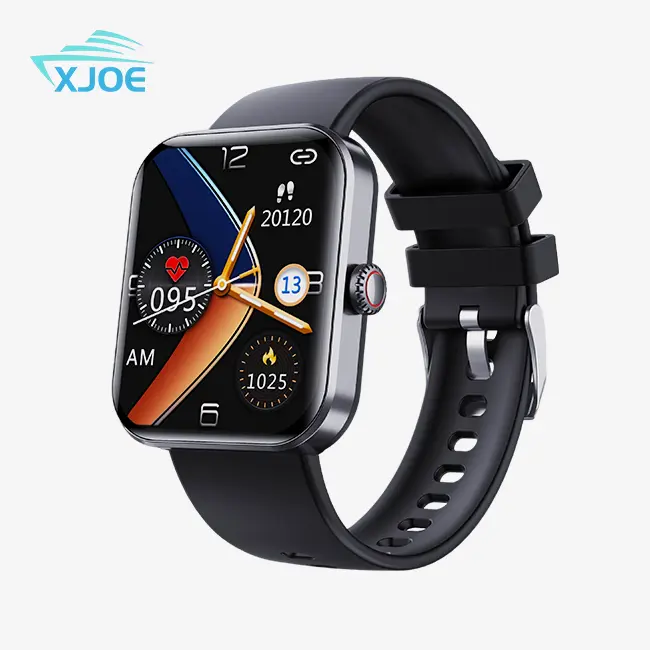
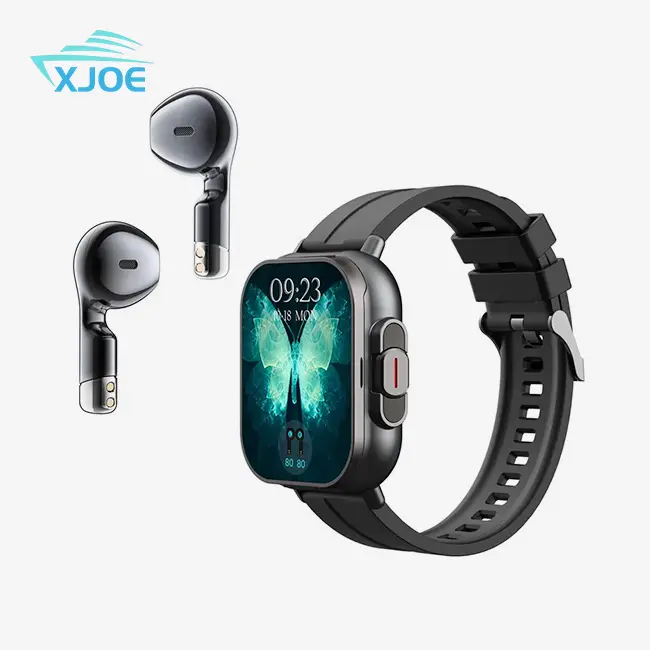
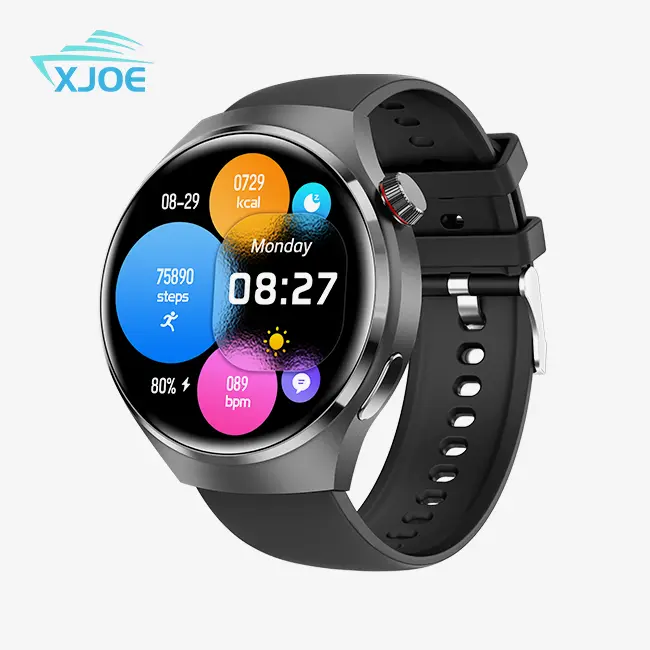
ECG Sport Watch Sensors for Accurate Sports Data Analysis
When athletes and health-conscious users demand more than step counts, the ECG sports watch becomes the product that fills the gap. Unlike standard fitness trackers, an ECG-enabled smartwatch captures real-time electrocardiogram data alongside continuous heart rate metrics, giving both end users and B2B buyers a measurable edge. Whether you are sourcing for Amazon FBA, building a private label brand, or supplying corporate wellness programs, understanding how these sensors work — and what separates reliable hardware from low-quality alternatives — is the foundation of a profitable product decision.
Medical Disclaimer: The health monitoring features described in this article are intended for general fitness and wellness purposes only. They are not a substitute for professional medical advice, diagnosis, or treatment. Users with known cardiac conditions should consult a licensed healthcare provider before relying on wearable ECG data.
Understanding ECG Sport Watch Sensors and Their Role in Sports Data Analysis
How ECG Sensors Differ From Standard Heart Rate Monitors
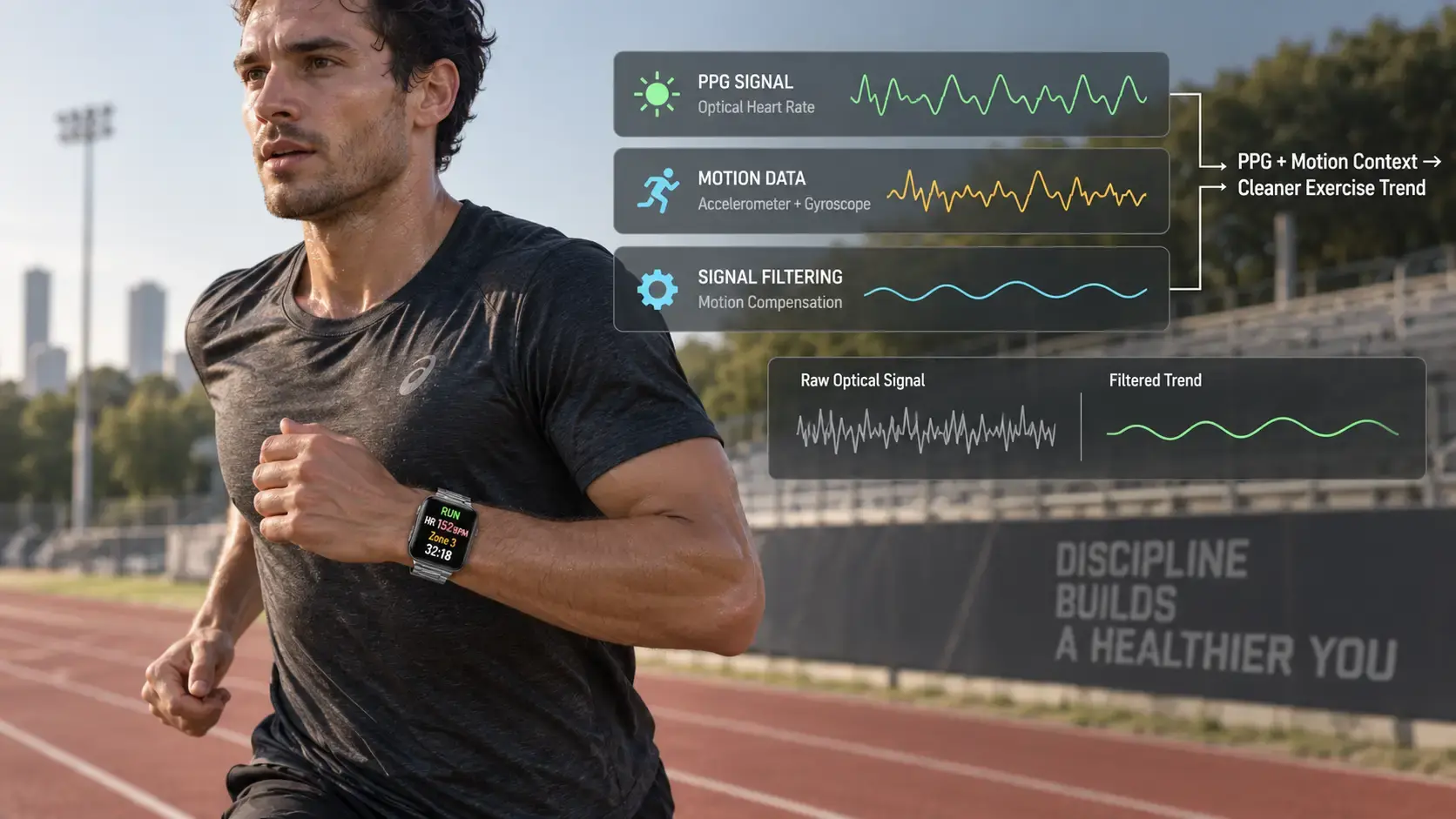
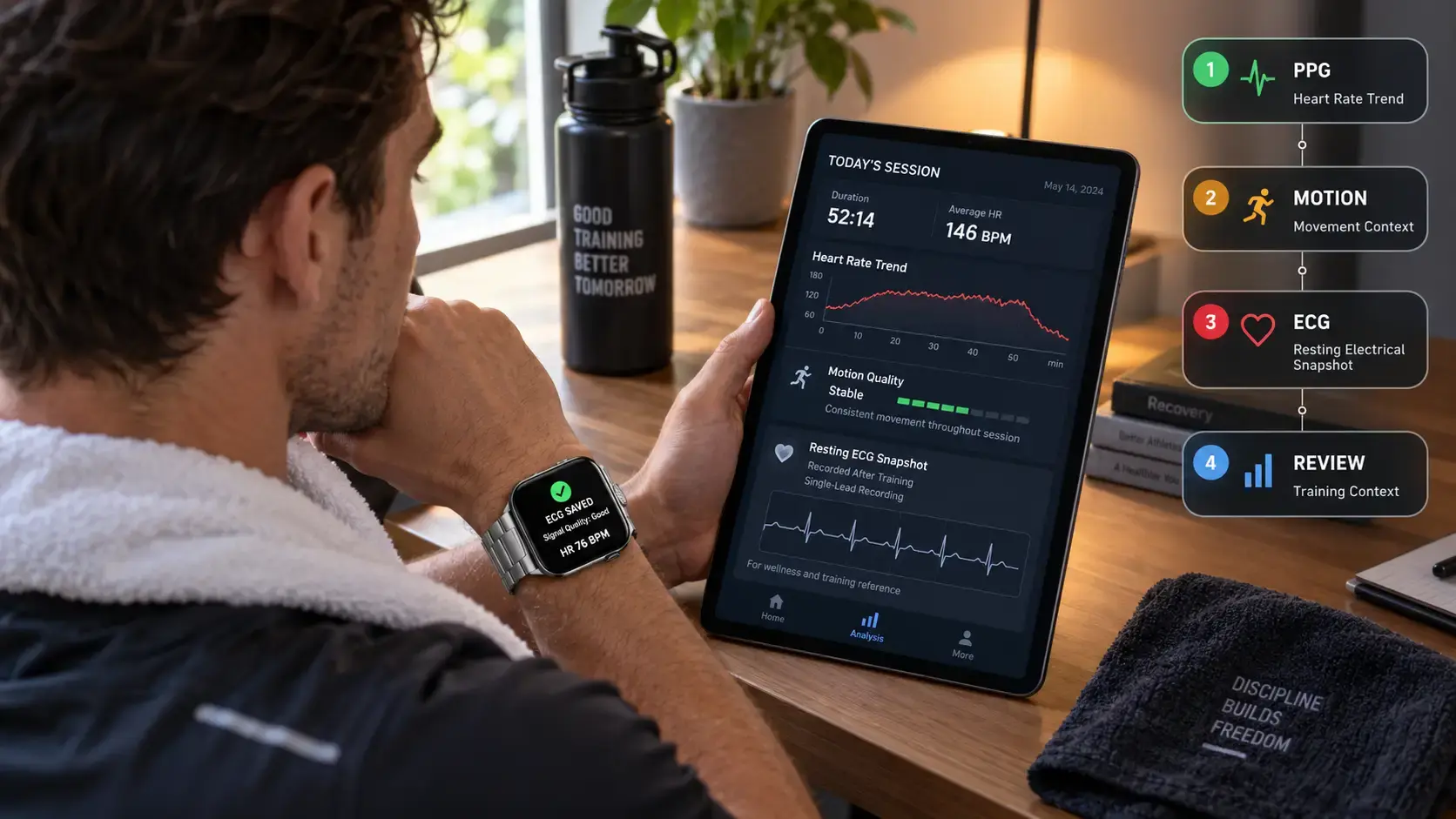
A normal sports watch figures out your heart rate by photoplethysmography (PPG), which is just shining light through your skin. On the other hand, an ECG-capable watch uses skin-contact electrodes to directly record the electrical data that the heart sends out. This difference is important because PPG can miss arrhythmias, but ECG data records the whole waveform, so it can find irregular rhythms, early beats, and signs of heart stress during intense workouts.
The Sensor Stack Inside a Modern Cardiac Sports Watch
The ECG smartwatches of today have multiple sensor layers that work together at the same time. Electrodes for an ECG record electrical signals from the heart; PPG sensors compare heart rates; and accelerometers and gyroscopes measure motion and the quality of movement. Then, signal processing algorithms get rid of noise that comes from motion artifacts, which is very important when you're running or cycling. This creates a picture of sports data with many dimensions that can't be made by just one type of monitor.
Because of these features, ECG Sport Watches are really useful for players, sports coaches who are in charge of the health of their teams, and workplace wellness programs that keep track of the cardiovascular fitness of a lot of employees.
The Evolution and Advantages of ECG Sport Watch Sensors Over Traditional Methods
Traditional chest strap ECG monitors were the best way to keep an eye on your heart rate during sports, but they are bulky, inconvenient to wear every day, and don't give you any other health information. Early exercise bands that were worn on the wrist were more convenient, but they were not very accurate at measuring heart rate.
These problems can be fixed with modern ECG smartwatches. According to a study released in the Journal of the American Heart Association (2019), wrist-based ECG wearables were clinically accurate at finding atrial fibrillation. This proved that this type of monitor could be used in the real world. The sensor integration now includes smart notification systems, multi-sport modes, continuous monitoring, and sleep analysis, all in a thin alloy case.
For business-to-business buyers, this change means they can reach a bigger market with a sports health ECG watch. Products that were once only popular with professional athletes are now used by people who are just starting to get fit, programs that help people with chronic diseases, senior care centers, and community health checking systems. This wider range of use cases is what leads to repeat purchases and stable long-term demand for the ECG Sport Watch.
Comparing ECG Sport Watch Sensors Across Leading Models
Brand Performance Benchmarks
As far as software platform interaction and FDA-cleared ECG accuracy go, the Apple Watch Series 9 is the best. For outdoor games, Garmin's Fenix line is the best when it comes to GPS accuracy and durability. Both the Samsung Galaxy Watch and the Fitbit Sense have competitive ECG features and work with more Android devices. Each brand focuses on different strengths, and each has a high retail price that gives a lot of room for OEM and private-label options that are aimed at customers who want to save money.
Key Procurement Parameters to Evaluate
When buying ECG Sport Watches to resell or develop under your own brand, the following factors affect both customer satisfaction and long-term return rates:
- ECG accuracy and algorithm certification: Don't just look for hardware electrodes; look for devices with verified signal processing as well. Trusted algorithms separate accurate heart data from noisy readings.
- Battery endurance: The Xizhou ECG Sport Watch has a battery life of 5–10 days, which is longer than most high-end brands, which only last 18–36 hours of continuous use.
- Water resistance rating: IP67 certification covers splash resistance and short submersion, making it good for most fitness activities and training outside.
- Display quality: A 2.01-inch TFT screen with a resolution of 240x296 makes it easy to read real-time info, even when the screen is outside.
- Connectivity: Dual Bluetooth (BLE 5.1 + BT 3.0) makes stable connections possible on both new and old devices, which lowers the number of customer comments about failed connections.
These factors serve as a starting point for procurement managers to match product specs with end-user scenarios. This includes situations involving gym dealers and workplace health tech programs.
How to Choose and Procure the Right ECG Sport Watch for Your Business Needs
Matching Sensor Capabilities to Market Scenarios
For each route of marketing, a different type of product is needed. Amazon FBA sellers can get a watch that works with a lot of operating systems (Android and iOS), pairs easily with Bluetooth, and has a specification sheet that helps them write good selling copy. Corporate gift buyers want gifts that come in nice packaging, can be personalized with a logo, and can be made in large quantities quickly. Community health systems and wellness programs need sensors that are always accurate and are built to last so they can be used every day.
This is how the Xizhou ECG sports watch was made to work in real life. Its TPU strap and metal case make it durable without making it too big. Its different sports modes let users with different activity profiles use it. Sleep tracking and smart messages make daily activities more interesting outside of workouts, which makes end users think the product is worth more.
Supplier Selection: What Separates Reliable Partners From Risk Factors
When purchasing managers look at ECG Sport Watch providers, they should focus on three things that can't be negotiated: certified quality control processes, clear OEM/ODM capabilities, and quick after-sales infrastructure. A supplier who doesn't have GMP factory standards or certifications that can be checked adds the risk of product defects that lead to bad reviews and expensive return processing. Before committing to large orders, check batch consistency records and ask for sample units.
Optimizing Sports Data Analysis Through ECG Sport Watch Sensors: Practical Implementation Tips
Sensor Placement and Usage Best Practices
For ECG data to be accurate, the sensor needs to stay in touch with clean, dry skin. A watch should sit just above the wrist bone, about one finger-width above. It should be snug, but not tight. Cross-referencing ECG data with PPG heart rate readings makes analysis more reliable during high-intensity periods when motion glitches are more common.
Integration Into B2B Health and Performance Ecosystems
When B2B clients use ECG Sport Watches on a large scale, like in community health screening programs, employee wellness platforms, or sports academies, they get the best return on investment (ROI) when device data is combined with analytics dashboards. Most current ECG watches connect to companion apps via Bluetooth. These apps can then use APIs to send data to corporate health management systems. This workflow takes data from individual users and turns it into information about the whole community. This is a skill that HR departments, sports medicine teams, and health insurance incentive programs are all wanting more of.
Real-world deployments in corporate wellness settings have demonstrated measurable reductions in undetected cardiovascular risk events when continuous ECG monitoring was introduced as part of routine health checks — validating the business case for procurement decisions beyond simple retail margin calculations.
Conclusion
ECG sport watches are one of the most durable types of consumer electronics on the market right now. The sensor technology has improved, and the market it can reach has grown to include a lot more than just competitive athletes. Now, B2B buyers can get OEM-quality hardware that provides real cardiac monitoring value at prices that most people can afford. Choosing the right supplier—one with proven manufacturing standards, easy customization options, and a steady stock—will determine whether this product becomes a high-margin, repeat-order mainstay or a source of expensive returns. The research backs up the spending. It's time for the market.
FAQ
1. How accurate are ECG smartwatch sensors compared to medical-grade devices?
Consumer sports watches with ECG sensors on the wrist are not the same as professional 12-lead ECG units. However, studies that have been reviewed by experts, such as one that was published in npj Digital Medicine (2019), show that single-lead wrist ECG trackers are very good at finding atrial fibrillation. They are good tools for keeping an eye on your health, but they are not medical alternatives.
2. Can these watches detect arrhythmias reliably during high-intensity exercise?
Motion artifacts can make signals less clear when you're working out hard. Better-designed devices use adaptive filtering algorithms to separate cardiac signals from movement noise. This keeps the reliability of detection even when training at moderate to high intensity.
3. What certifications should I require from an ECG sports watch supplier?
Give priority to suppliers who have CE certification, RoHS compliance, and GMP production methods that can be shown to work. Check the FCC approval for sale in the U.S. market. Before you place a bulk order, ask for batch quality reports and sample validation.
4. What is the minimum order quantity for OEM customization?
Not all suppliers do this. Xizhou can do both low-MOQ sampling for testing products and large-scale OEM/ODM production, so it can be used by both new distributors and distributors who have been in business for a while.
Source Your Next ECG Sport Watch With Xizhou
Xizhou makes approved ECG sport watches that are made for business-to-business customers, such as private label startups and large wholesalers. Our GMP factory, experienced research and development team, and full range of certifications ensure that your inventory always arrives on time and works as expected. Our team is ready to help you with your buying strategy, whether you need unique branding, a flexible MOQ, or quick replenishment cycles. Reach our procurement team directly at 13266508958@163.com to start a personalized consultation today.
References
1. Hannun, A. Y., et al. "Cardiologist-level arrhythmia detection and classification in ambulatory electrocardiograms using a deep neural network." Nature Medicine, 2019.
2. Bumgarner, J. M., et al. "Smartwatch algorithm for automated detection of atrial fibrillation." Journal of the American College of Cardiology, 2018.
3. Tison, G. H., et al. "Passive detection of atrial fibrillation using a commercially available smartwatch." JAMA Cardiology, 2018.
4. Perez, M. V., et al. "Large-scale assessment of a smartwatch to identify atrial fibrillation." New England Journal of Medicine, 2019.
5. Lown, M., et al. "Validating a wearable ECG device in the detection of atrial fibrillation." npj Digital Medicine, 2019.
6. Stults, B., & Cohn, J. "Wearable ECG technology in sports and occupational health monitoring." American Journal of Preventive Cardiology, 2021.