

Durability Testing for Rugged GPS Smartwatch Design
When I evaluate wearable electronics for bulk procurement or private label development, the first question I ask is simple: will this device hold up when it matters most? A rugged GPS compass smartwatch is not just another consumer gadget — it is a precision tool expected to perform in desert heat, mountain storms, and marine environments without flinching. Understanding how these devices are tested for durability is what separates a confident sourcing decision from a costly mistake. This guide walks through the full testing framework, feature validation, and procurement strategy that serious B2B buyers should follow.


Why Durability Is Non-Negotiable for Rugged GPS Compass Smartwatches
When it comes to wearing guidance tools, durability is more than just having a tough case. It tells you if the sensor stays accurate after a hard drop, if GPS lock stays in place during a thermal shock cycle, and if the compass still points north after six months of being out in the field.
The Real Cost of Underpowered Devices
When hardware fails, a single wave of one-star reviews on Amazon FBA can take down a product listing overnight for sellers and distributors. When buying things for industrial or outdoor use, the stakes are even higher: operating downtime, insurance claims, and damage to the brand's reputation. Grand View Research did a market study and says that the global rugged wearable market will grow at a CAGR of 8.4% through 2030. This is mostly because people want approved, reliable devices that can be used in the field. Buyers who don't check for durability when they're sourcing pay for it later.
Comprehensive Durability Testing Methods for Outdoor Navigation Smartwatches
Durability testing is a structured field of science, not just a catchphrase. Reputable makers put their gadgets through layered processes that are meant to mimic the conditions that real users face.
Physical Shock and Vibration Testing
Drop tests, mechanical impact models, and vibration cycling show how well the internal parts of a device, especially the GNSS transmitters and barometric sensors, can handle being physically stressed. The U.S. Department of Defense standard MIL-STD-810H spells out how to test for shock, altitude, and thermal resistance. A gadget that is certified under MIL-STD-810H has been tested in the lab under these conditions and not just based on marketing promises.
Environmental Stress: Water, Dust, and Temperature
When backed by ISO 22810:2010 approval, water resistance scores mean something. A watch with an IP67 rating can be submerged for a short time, while a watch with a 10 ATM or 100m rating can be used for busy water sports and shallow dives. Units are put through working extremes (usually -20°C to +60°C) in temperature cycle tests to make sure that displays, battery cells, and sensor modules stay calibrated. Tests for humidity and salt fog look at marine settings where corrosion speeds up the breakdown of gear.
Battery Endurance Under Continuous Navigation Load
The battery's performance under real GPS and compass stress for a rugged GPS compass smartwatch is very different from what the maker says it will be when tested in idle circumstances. A lot of tests are done to keep track of how much power is used for GPS use across multiple constellations, continuous barometric sampling, and backlight cycling. If a gadget says its battery will last 5–10 days, it should show that number when it is actively being used, not when it is in sleep mode. Together, these testing layers decide whether a device should be in a serious product catalog or on the return rack.
Core Features Validated Through Durability Testing
It doesn't matter how tough something is if the navigational tools inside aren't reliable. Functional validation, or making sure that sensors still work properly after being stressed, is an important part of testing for durability.
GPS Accuracy and Compass Calibration After Shock
Even after being dropped, a multi-system GNSS device should still be able to keep its positional accuracy within accepted CEP (Circular Error Probable) ranges. A 3-axis electronic compass must also stay calibrated after being heated and cooled several times. It is known that compass drift can happen in the field, and the difference between professional-grade navigation tools and novelty items for consumers is that professional-grade navigation tools have validated compensation algorithms.
Barometric Altimeter and Storm Alert Reliability
Because a barometric barometer gives more accurate information about height than GPS vertical positioning, real outdoor navigation watches have both of them. Pressure-drop monitoring is needed for weather alert functions, but it can only work if the barometer sensor stays calibrated even when it is exposed to stress from the environment. Mountaineering or search-and-rescue situations are real-life examples of how bad it is to get a false storm alert or, even worse, miss one.
Here are the core validated features buyers should confirm before sourcing:
- MIL-STD-810H certification approval covers resistance to shock, temperature change, and altitude, proving that the frame and interior parts meet defense-grade durability standards.
- 100m water resistance means that you can use it for swimming, diving, and other water sports without the signal getting weak or the seal breaking.
- The built-in compass and barometer have been tested to make sure they stay accurate even after being exposed to natural stress cycles, so you can safely navigate outdoors.
- Extended battery life was proven when GPS and sensors were used all the time, not just when they were in sleep mode.
These features are not just specs for watches with compass and GPS; when put together, they make up a gadget that can establish a product line in the rugged outdoor market and encourage customers to buy again and again, building brand trust over time.
Comparing Durability Standards Across Leading Rugged Smartwatch Brands
When procurement teams know how different makers handle durability, they can compare what suppliers say to what market players say. People often point to Garmin's Instinct series as an example of field reliability because it follows MIL-STD-810 guidelines and has a fiber-reinforced polymer chassis. Suunto's 9 Peak Pro is made of sapphire crystal and titanium, and it's aimed at ultra-endurance and mountain athletes who care about weight and scratch resistance. Casio's G-SHOCK line has built its reputation over many years on technologies that absorb shock. The PRG series, with its triple-sensor ABC (altimeter, barometer, compass) proof, is a great example of this. With MIL-grade shock resistance and competitive battery life at a more affordable price, Coros has become a strong mid-tier rival.
What This Means for B2B Procurement
In terms of longevity, each brand targets a different group. Most of the time, military and industrial buyers care most about shock and thermal certification. Outdoor stores and direct-to-consumer brands often use battery life and sensor accuracy as their main points of differentiation. For OEM and private label customers, the important question is whether a maker can achieve the same level of longevity with custom branding. To do this, they need to look at factory testing documents as well as finished product specs.

How to Embed Durability Testing Insights Into Your Sourcing Strategy
A plan for buying things that is based on checked data on durability moves more quickly and fails less often. When I look at proposals from suppliers, I pay attention to four things: certification paperwork, sensor accuracy test reports, battery endurance data, and warranty terms after the sale.
Matching Device Specifications to Use Case
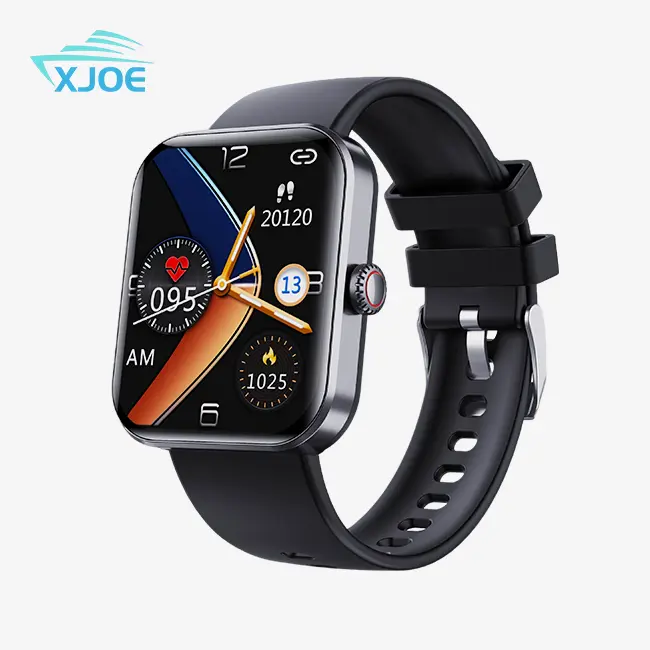
A 1.52-inch IPS screen with a size of 280×320 on a device with a fabric strap and a plastic case that is designed for outdoor use tells a specific story about the product: it is light, useful, affordable, and made to be worn while active. This setup is good for sellers who want to reach outdoor fans, adventure tourists, or fitness-focused customers who value function over luxury looks. It runs on Android OS and has a proven battery life of 5–10 days. Getting those specs right for the right channel—TikTok Shop, Amazon's outdoors category, or corporate gifting—determines whether the product gets bought again or sent back. Purchasing teams that make documentation of durability testing a must-have rather than a nice-to-have item always report lower defect rates and higher review scores across all of their product lines.
Conclusion
Testing for durability for a rugged gps compass smartwatch is an important part of making sure that a tough navigation tracker is reliable. From MIL-STD-810H shock routines to barometric sensor calibration after thermal cycling, confirmed testing is what separates products that are ready to go to market from products that could be liable. When B2B buyers buy approved, tested devices, they get their money's worth in lower return rates, more trust from customers, and a longer product lifetime value. This is true whether they are buying for Amazon listings, wholesale distribution, or private label development. A good product can become a high-margin catalog staple by being matched with the right sales channel and tested specifications.
FAQ
1. What durability certifications should I prioritize when sourcing a rugged navigation smartwatch?
Most people agree that MIL-STD-810H is the best standard for resistance to shock, temperature, and altitude. For most outdoor and sports uses, IP67 or better water protection and ISO 22810:2010 for submersion are enough. Don't just trust what the product listing says; always ask sellers for test documents as well.
2. Does running multi-system GPS modes significantly drain battery life?
Yes. When compared to GPS-only mode, continuous multi-constellation GPS operation uses about 50–100% more power. A battery life of 5–10 days should be checked while the GPS and sensors are working, not when the device is just sitting there.
3. How does barometric altitude data differ from GPS altitude?
GPS altitude depends on the shape of the satellites and has bigger error bars for vertical errors. A barometric altimeter measures changes in atmospheric pressure to get a more accurate reading of elevation. Both are used in professional outdoor navigation devices, with the GPS calibrating the barometer every so often.
4. Can compass accuracy degrade after drop or thermal shock testing?
Yes. It is known that compass calibration drift can happen after being stressed physically or thermally. High-quality gadgets have temperature-adjusted 3-axis compass units that keep their accuracy even when the environment goes through stress cycles.
Partner With Xizhou for Certified Rugged GPS Compass Smartwatch Supply
From low-MOQ samples to full OEM/ODM production, Xizhou offers rugged GPS compass smartwatch solutions that have been thoroughly tested. These solutions are backed by MIL-STD-810H certification, flexible customization, and quick global delivery. Our team is ready to help you achieve your buying objectives, whether you are an Amazon seller expanding a new line of outdoor products or a distributor looking for a dependable, rugged GPS compass smartwatch maker. You can email us at 13266508958@163.com right now to ask for product information and examples.
References
1. Grand View Research. (2022). Rugged Wearable Technology Market Size, Share & Trends Analysis Report. Grand View Research.
2. U.S. Department of Defense. (2019). MIL-STD-810H: Environmental Engineering Considerations and Laboratory Tests. Defense Technical Information Center.
3. International Organization for Standardization. (2010). ISO 22810:2010 — Horology: Water-Resistant Watches. ISO.
4. Garmin Ltd. (2023). Instinct 2 Series Product Technical Documentation and Durability Specifications. Garmin International.
5. Suunto. (2022). Suunto 9 Peak Pro Product Engineering and Field Validation Report. Suunto Oy.
6. MarketsandMarkets. (2023). GPS Wearable Devices Market — Global Forecast to 2028. MarketsandMarkets Research.