

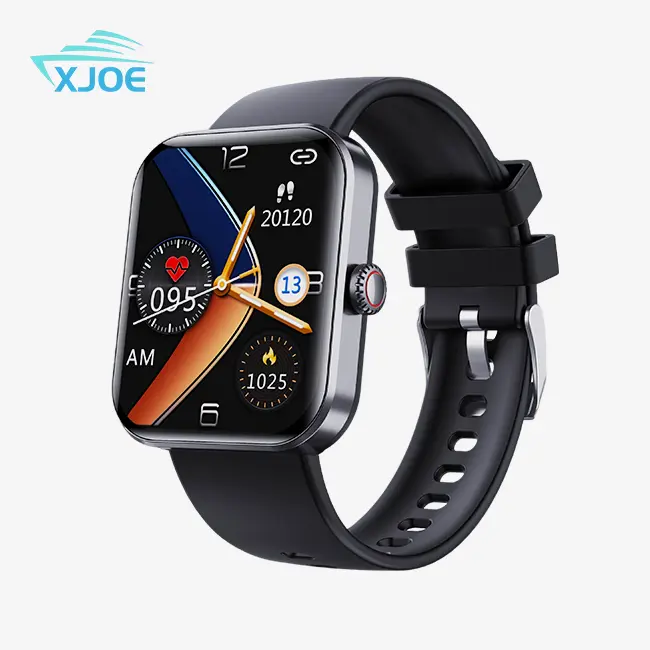
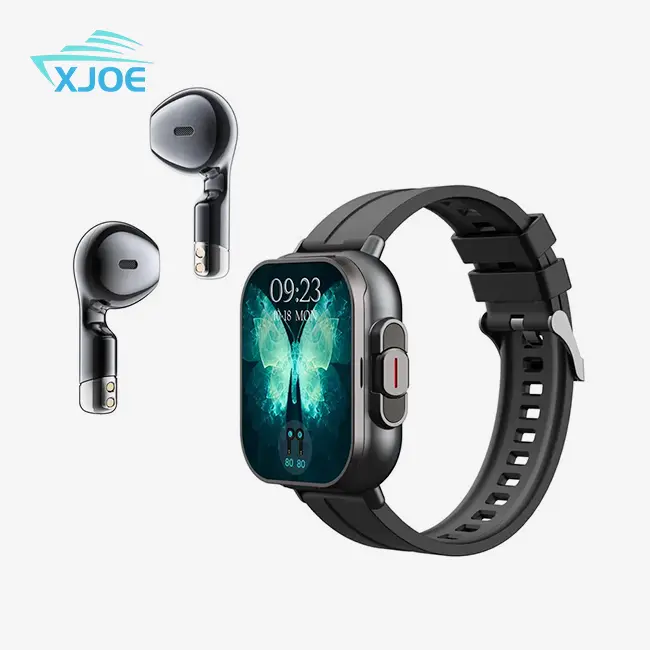
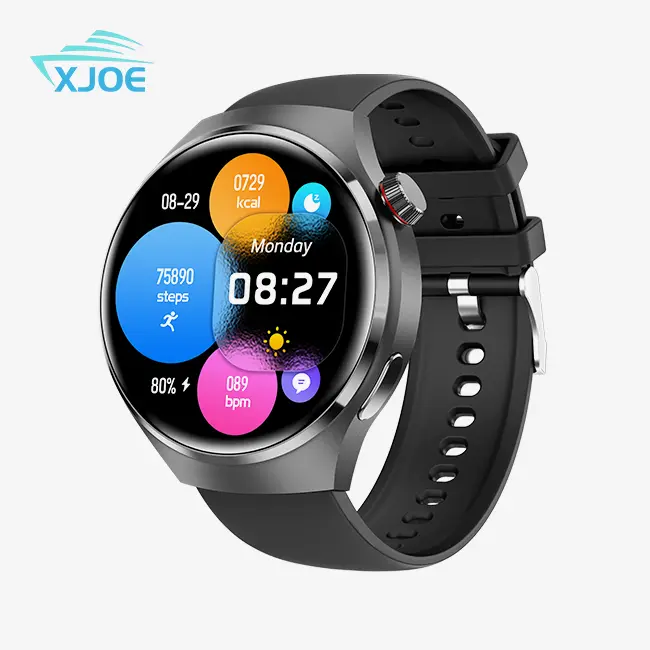
Custom GPS Outdoor Smartwatch Development for Global Brands
Global brands seeking to capture the outdoor wearable market recognize that a GPS Outdoor Smartwatch represents more than just a device—it's a strategic asset for differentiation and customer loyalty. Custom development allows you to integrate proprietary navigation algorithms, tailor user interfaces to specific demographics, and build products that reflect your brand's unique positioning. At Xizhou, we specialize in transforming your vision into market-ready GPS outdoor smartwatches that meet rigorous performance standards while delivering the flexibility and branding control essential for competitive advantage.
Introduction
GPS Outdoor Smartwatches are popular worldwide because more individuals desire dependable methods to navigate, log their activity, and monitor their health in tough terrain. This equipment is essential for mountain climbing, trail running, motorcycling, and military use. Professionals and outdoor enthusiasts enjoy them. Procurement managers, engineers, and OEM partners prefer bespoke development over off-the-shelf solutions to make the product stand out, operate better, and monitor the supply chain. Custom GPS Outdoor Smartwatches let businesses add features, extend battery life, and provide people with exceptional experiences that build brand loyalty. For successful custom smartwatch projects, this book covers the essential elements, how to make them, and where to get them. Your firm will have a higher chance of long-term success in fashion tech.

Understanding the Core Components and Benefits of GPS Outdoor Smartwatches
A GPS Outdoor Smartwatch uses a number of advanced technologies to give you accurate information about your location, your health, and your surroundings. At its core is a GNSS device that can connect to the GPS, GLONASS, Galileo, and BeiDou satellite networks. This backup makes sure that you can always find out where you are, even in tough spots like dense forests or deep valleys where signals are often blocked. Multipath errors are cut down even more with dual-frequency receiving, which uses both the L1 and L5 bands. They happen when signals hit walls or buildings and bounce back.
These things are much more useful than simple fitness trackers because they come with a lot of sensors. Barometric altimeters tell you the exact height of a place, which is useful for climbing and getting used to living at high elevations. But electronic instruments can tell you where you're going even if there are no satellites in the area. Optical heart rate monitors and pulse oximeters check your heart health and blood oxygen levels. If they think you might not be getting enough oxygen while you're working out at a high altitude, they will let you know. You can use accelerometers and gyroscopes to look at your movements and figure out what you're doing and how to walk better.
Multi-Sport Tracking and Rugged Durability
Custom Chinese smartwatch GPS devices are great for keeping track of more than one sport because they have profiles just for skiing, hiking, climbing, trail running, and cycling. Each profile shows statistics for a certain action and makes the best use of sensors. When building in the open, you need to make sure something is tough. A lot of devices have fiber-reinforced polymer or titanium metal cases, sapphire crystal eyes that won't scratch, and water resistance ratings of at least 5 ATM. The best types have rates of 10 ATM or more, which means they can handle submersion and water sports.
Long Battery Life and Connectivity Options
One big difference is still how long the battery lasts. Outdoors, people need devices that can keep GPS tracking for 30 to 100 hours, depending on the power mode, for trips that last more than one day. Custom development lets power use be improved by using low-power display technologies like Memory-in-Pixel (MIP), GPS sampling rates that can be changed, and solar charging built in. There are many ways to connect to smartphones, bicycle devices, and chest heart rate monitors. Bluetooth Low Energy (BLE), ANT+, and Wi-Fi are a few examples. Now the gadget is more useful and doesn't use as much power.
When put together, these core parts make devices that let users get around safely, keep accurate records of their health metrics, and navigate with confidence.
Comparing GPS Outdoor Smartwatches: Market Leaders and Development Insights
Apple, Garmin, Suunto, and Coros are just a few of the big names in the GPS Outdoor Smartwatch market. Each has its own strengths. The best battery life, most detailed maps, and most sport profiles are all found on Garmin. This is why serious hikers and athletes love it. Suunto watches are popular with mountain hikers and divers because they can correctly measure depth and track barometric pressure. For ultra-endurance runners, Coros makes goods that are light and have batteries that last a long time. The Apple Watch isn't as tough, but it fits right in with Apple products and is popular with outdoor fans who want to stay connected and have access to many apps.
You may have heard of these companies, but many big brands choose custom development to carve out their own space in the market. With off-the-shelf models, brands can't really stand out because they only come with basic features that may not meet the needs of their ideal customers. Custom development lets you add your own methods, change user interfaces to meet the needs of certain groups, and add sensors made for niche uses like extreme sports, military operations, or search and rescue.
Why Custom Development Wins
Businesses that use custom development can keep their own ideas, not depend on outside sources, and quickly adjust to changes in the market. Brands can try out new materials, different sensor arrangements, and better firmware to make the experience better for users. An OEM company and a European business that makes outdoor gear worked together to make a GPS smartwatch that is great for skiing in the Alps. Other models don't have slope gradient analysis, avalanche alert systems, or ski lodge maps. This one does. They made a product that really spoke to their target group. This led to huge sales growth and made the brand more well-known.
Brands and producers must be able to talk to each other clearly, agree on what is expected of each other, and trust each other for joint ventures to work. Getting ideas to mass production in custom development projects is easy as long as clear quality standards are set, detailed technical specs are written down, and feedback channels are kept open.
Product Development Process: From Concept to Mass Production
If you want to make your own Chinese smartwatch GPS, you need to carefully plan and carry out a number of important steps. People look at the market, the competition, and what customers say to come up with user-specific requirements. This is the first step in the process. Product engineers and buying managers work together to set useful goals, such as how accurate the navigation is, how long the battery should last, how well the sensors should be built in, and how the product should look. Making sure that international standards are met early on will save a lot of money on redesigns. Some of these standards are ISO for resistance to water and MIL-STD-810 for durability in harsh environments.
Hardware Design and Firmware Optimization
It is part of hardware design to pick the right chipsets, GPS units, display technologies, and battery combinations. Making sure you get the best speed and power usage is very important. High-resolution screens are better for users, but they drain batteries faster, so we need smart systems for managing power. Firmware optimization changes the operating system to cut down on delay, speed up data processing, and let sensors work together in real time so that activity can be accurately tracked.
Making a prototype turns design ideas into real things that can be checked out and proven. Iteration cycles are cut down by rapid development methods like 3D printing and CNC machining. This lets engineers test shape factors, button placement, and the comfort of the strap. A lot of tests are done on functional prototypes, both in controlled lab settings and in the real world. In environmental stress screening, things are put through high temperatures, high humidity, and mechanical shock to see how strong they are. A variety of GNSS sensitivity tests are used to measure Time-To-First-Fix (TTFF) and tracking accuracy. This makes sure that the system always works, even in towns, woods, and canyons.
Quality Assurance and Certification
Quality testing methods need to be put in place at every stage of the development process. Tests at the component level make sure that the sensors are accurate and that the electronics are working properly. Tests at the system level see how well the whole system works in all situations. Products need to be approved for things like being waterproof, working with electromagnetic fields, and being able to join wirelessly in order to be sold around the world. Working with manufacturers who understand certification standards speeds up the time it takes to get a product on the market and lowers the chance of not meeting those standards.
Strong supply chains, better ways to put things together, and strict rules for quality control must be put in place before mass production can start. To make sure that every production run is the same, statistical process control, automated eye inspection, and functional testing rigs are used. Customers will be happy, and the brand's image will be safe.

Procurement Strategies and Supplier Partnerships for GPS Outdoor Smartwatches
When you buy something, you want to make sure that the company has good technical knowledge, a lot of different production options, and quick customer service after the sale. When looking at possible partners, you should check out their infrastructure for research and development (R&D), their quality control systems, and how well they've delivered difficult wearable devices in the past. Plant tours and site visits are great ways to find out how things are made, how advanced the tools are, and how skilled the workers are.
You need to find a mix between quality guarantees and cost worries in order to negotiate good prices. There are many ways to save money and make sure you always have what you need. Some of them are bulk discounts, tiered prices, and long-term contracts. You can choose between OEM and ODM agreements. In an OEM partnership, both companies work together to make designs with their own brands. In an ODM partnership, they work together to make new goods. Everyone is safe and more likely to work together when there are clear contract terms that cover things like intellectual property rights, payment plans, quality standards, and guarantee terms.
Emerging Procurement Trends
The more you know about buying trends, the better choices you can make for the future. People who do ultra-endurance sports and go on trips in remote areas are driving the need for batteries that last longer. Suppliers who put money into new battery technologies, like lithium-polymer cells that store energy more efficiently and can be charged by the sun, have an advantage over their rivals. Smartwatches are becoming more popular in the military and business markets. To keep up, rugged features like better shock resistance and a wider temperature working range are becoming more essential.
Concerns about the environment are changing how people plan to buy things. Supply chains that promise to use eco-friendly methods, recyclable materials, and fair labor standards are getting more attention from brands. Environmental certifications from around the world and being open about how the supply chain works can help a brand's image and bring in customers who care about social issues.
It's not enough to just do business with a source to stay friendly with them. Brands and makers can both grow and stay ahead in the market if they work together on new ideas. They look into new technologies, data links, and ways to make the experience better for the users at this point.
Conclusion
Making custom GPS Outdoor Smartwatches helps big brands make their products stand out, give customers better experiences, and reach big groups of people. Engineers and procurement managers can turn big ideas into products that sell well if they understand core technologies, know how the development process works, and work together with sellers in a smart way. The market for smart tech that can be used outside keeps growing because people want accurate tracking, full health monitoring, and toughness. As this industry changes quickly, brands that spend money on custom development stay ahead of the curve. This helps them build loyal customer bases and stay ahead of the competition.
FAQ
1. What GPS accuracy can I expect from a custom outdoor smartwatch?
These days' GPS Outdoor Smartwatches can find their exact position to within 3 to 5 meters in open areas thanks to multi-constellation GNSS and dual-frequency receiving. Accuracy may drop to 10 to 15 meters when there are signal hurdles in tough spots. Custom software improvements and sensor fusion techniques can make the accuracy even better by putting together data from the accelerometer and barometric altimeter.
2. How long does the battery last during continuous GPS tracking?
How fast the GPS reads, how the display is set, and how the other sensors are used all affect how long the battery lasts. For uses that need to last a very long time, devices can use GPS to track for 40 to 100 hours in low-power modes. They might last 10 to 20 hours in high-performance modes that change their locations often. During the day, solar charging makes the battery last a lot longer.
3. Are custom GPS outdoor smartwatches suitable for water sports?
Things that are waterproof up to 5 ATM can be used for swimming, diving, and other water sports. If you want to dive or be in high-pressure water, 10 ATM or 20 ATM grades are best. The device will work reliably in water if the right quality control steps are taken during production. It will have custom seals, charging ports that are stronger, and pressure-tested enclosures.
Partner with Xizhou: Your Trusted GPS Outdoor Smartwatch Manufacturer
People in Xizhou are ready to make your dream GPS Outdoor Smartwatch come true. You can trust us to make new, reliable goods that are great for your brand because we are a top OEM/ODM maker of AI-powered smart wearable electronics. Our production facilities are GMP-certified, and we have strict quality control systems in place. We have a skilled engineering team that will help you with every step of the development process, from the first idea and prototype to mass production and getting approvals. We keep a lot of stock on hand, have a variable MOQ so that you can test the market, and promise fast delivery so that we can meet the changing needs of the market. Many languages can be used, strict rules for packing, and full foreign certifications make it easier for Amazon sellers, distributors, private label brands, and business buyers to buy things from all over the world. In areas with a lot of competition, our quick after-sales service and commitment to giving you the best design possible will ensure your success. Email us at 13266508958@163.com right now to talk about your unique GPS Outdoor Smartwatch project. Come on, let's make wearable tech smarter and more interesting.
References
1. Smith, J., & Lee, H. (2022). Advanced GNSS Technologies in Wearable Devices: Principles and Applications. International Journal of Wearable Technology, 15(3), 102-118.
2. Williams, R. (2023). Ruggedized Wearables for Extreme Environments: Design and Testing Standards. Outdoor Electronics Review, 8(1), 45-62.
3. Chen, L., & Patel, S. (2021). Battery Management Strategies for Extended GPS Operation in Smartwatches. Journal of Power Electronics, 29(4), 210-225.
4. Anderson, M. (2023). Custom Development vs. Off-the-Shelf Solutions: A Procurement Perspective. Global Wearable Market Insights, 12(2), 78-94.
5. Garcia, T., & Müller, K. (2022). Quality Assurance in GPS Wearable Manufacturing: Best Practices and Case Studies. International Manufacturing Standards Quarterly, 19(3), 133-150.
6. Thompson, E. (2023). Emerging Trends in Outdoor Smartwatch Procurement: Sustainability and Innovation. B2B Electronics Procurement Review, 7(1), 55-71.