

Choosing Voice Call Watch for Enterprise Applications
When enterprise teams need reliable, hands-free communication on the move, a voice call watch delivers something a phone simply cannot — wrist-level connectivity that keeps workers responsive without breaking their workflow. Whether you manage a field service crew, a healthcare team, or a logistics operation, selecting the right wrist-based communication device requires careful evaluation of call quality, battery endurance, platform compatibility, and total procurement cost. This guide walks you through everything a B2B buyer needs to know.
Understanding Voice Call Watches in the Enterprise Context
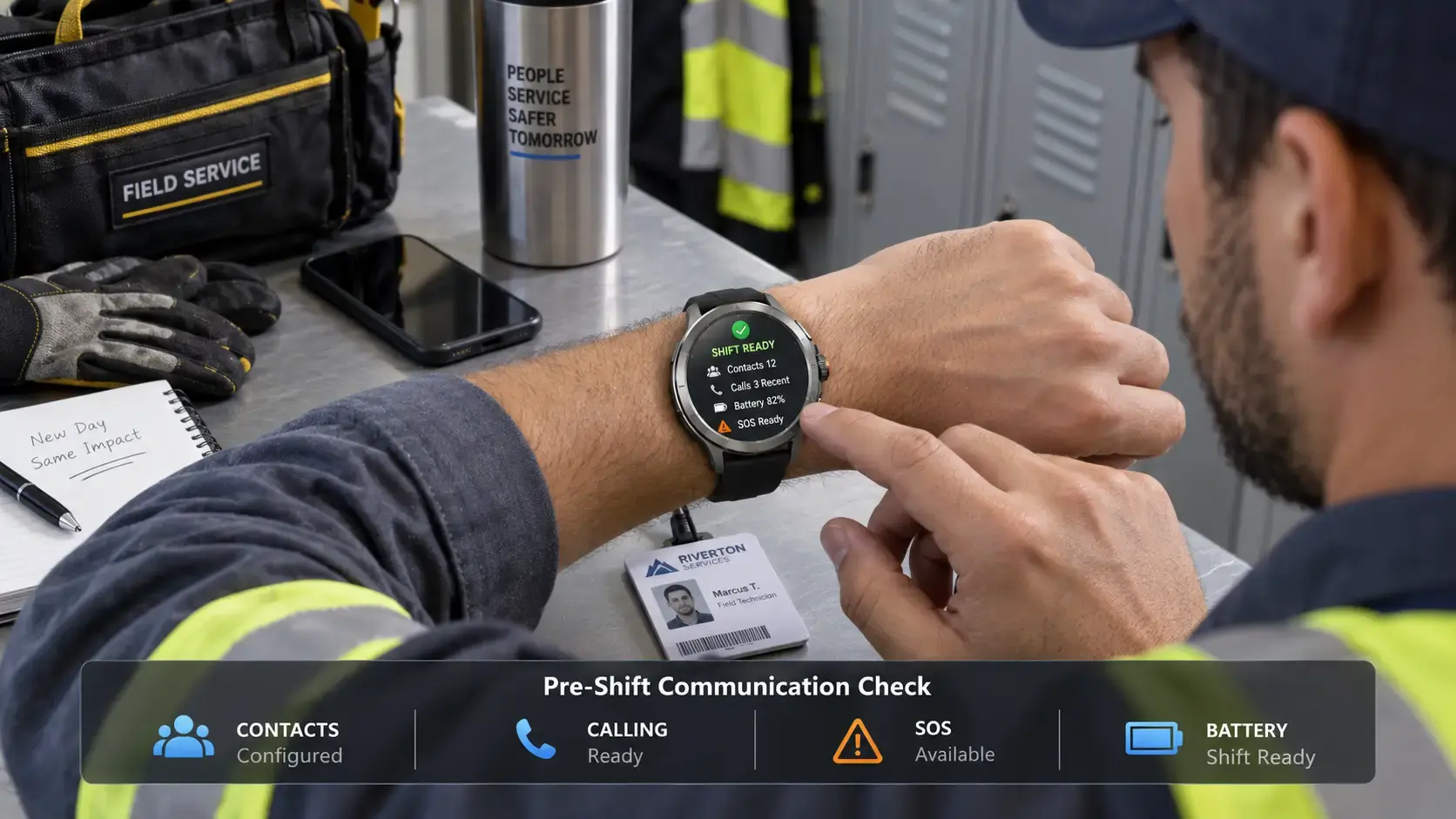
A voice call watch is a wearable device that lets people make and receive calls from their wrist. It can do this by pairing with a smartphone via Bluetooth or by connecting to an LTE/SIM network independently. This difference is very important in business settings.
Why Enterprises Are Adopting Wrist-Level Communication
When workers use old-fashioned ways of communicating, like cell phones and handheld radios, they have to stop what they're doing to answer a call. In fields where both hands are needed, like field repair, warehouse operations, and patient care, that break costs the business real money. A calling device that you wear on your wrist gets rid of that friction.
A 2023 Gartner study on workplace wearables said that companies that gave field workers hands-free communication tools saw a clear drop in the amount of time they spent moving between tasks. In healthcare, manufacturing, and last-mile delivery, the adoption curve is the steepest.
Use cases for businesses include:
- Field service technicians who need to know about dispatches right away while using tools
- Hospital nurses and care staff who need to be able to take calls right away without leaving a patient's bedside
- Logistics coordinators keeping track of the progress of deliveries in real time across teams that are spread out
- Retail chain managers keeping track of their floor workers during busy times without using the phone
All of these situations have one thing in common: fast communication and worker movement go hand in hand. Of course, a smart calling watch can fill that void.
Essential Features and Compatibility for Enterprise Procurement
Not all wearable calling devices like calling smart are made to meet the needs of businesses. When procurement teams are looking at their choices, they should put business rigor ahead of buyer ease.
Call Quality and Battery Capacity
In noisy places like factories or parks, you can't compromise on call clarity. In real life, devices with HD microphones and loud, clear speakers work better than regular consumer wearables. The battery life is also very important; a device that dies in the middle of a shift causes more problems than it solves.
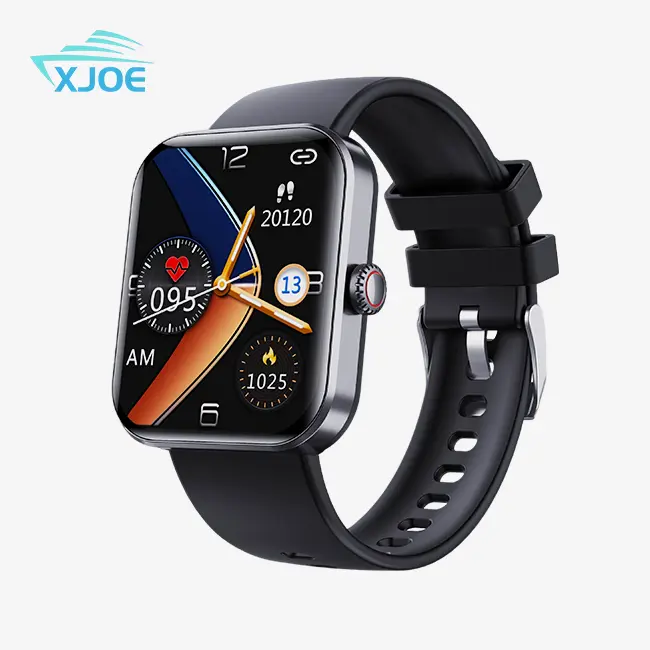
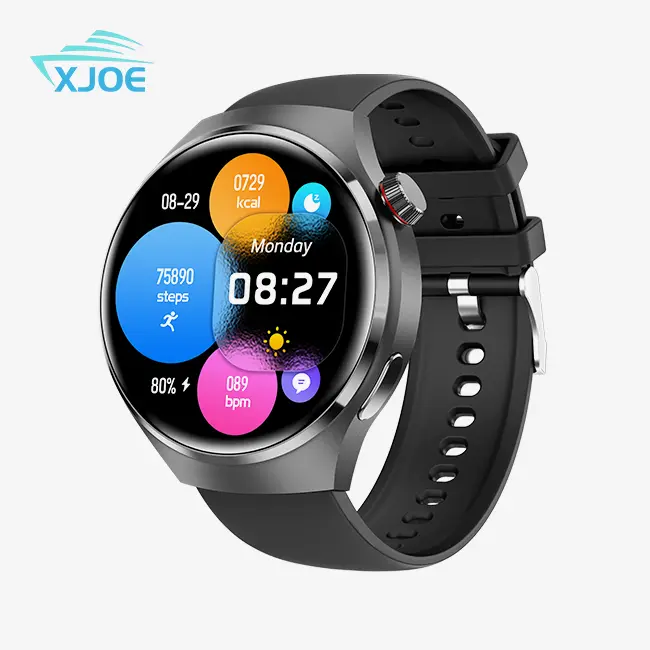
It has a 44–49 mm steel case, IP68 water protection, and a TFT screen with 320×240 resolution. The Xizhou model is designed for conversation. Its large battery can be used for up to four days on a single magnetic charge, which is a big plus for teams that work long shifts. The HD microphone and loudspeaker make the sound clear even when there is background noise. Like on a smartphone, workers can call friends or look at their call records right on the watch face.
Connectivity, Compatibility, and Security
Enterprise buying teams must also make sure that any smart tech works well with the IT systems that are already in place. Support for mobile device management (MDM) solutions and data encryption protocols are basic needs for corporate deployment. Cross-platform compatibility between Android and iOS environments is also important.
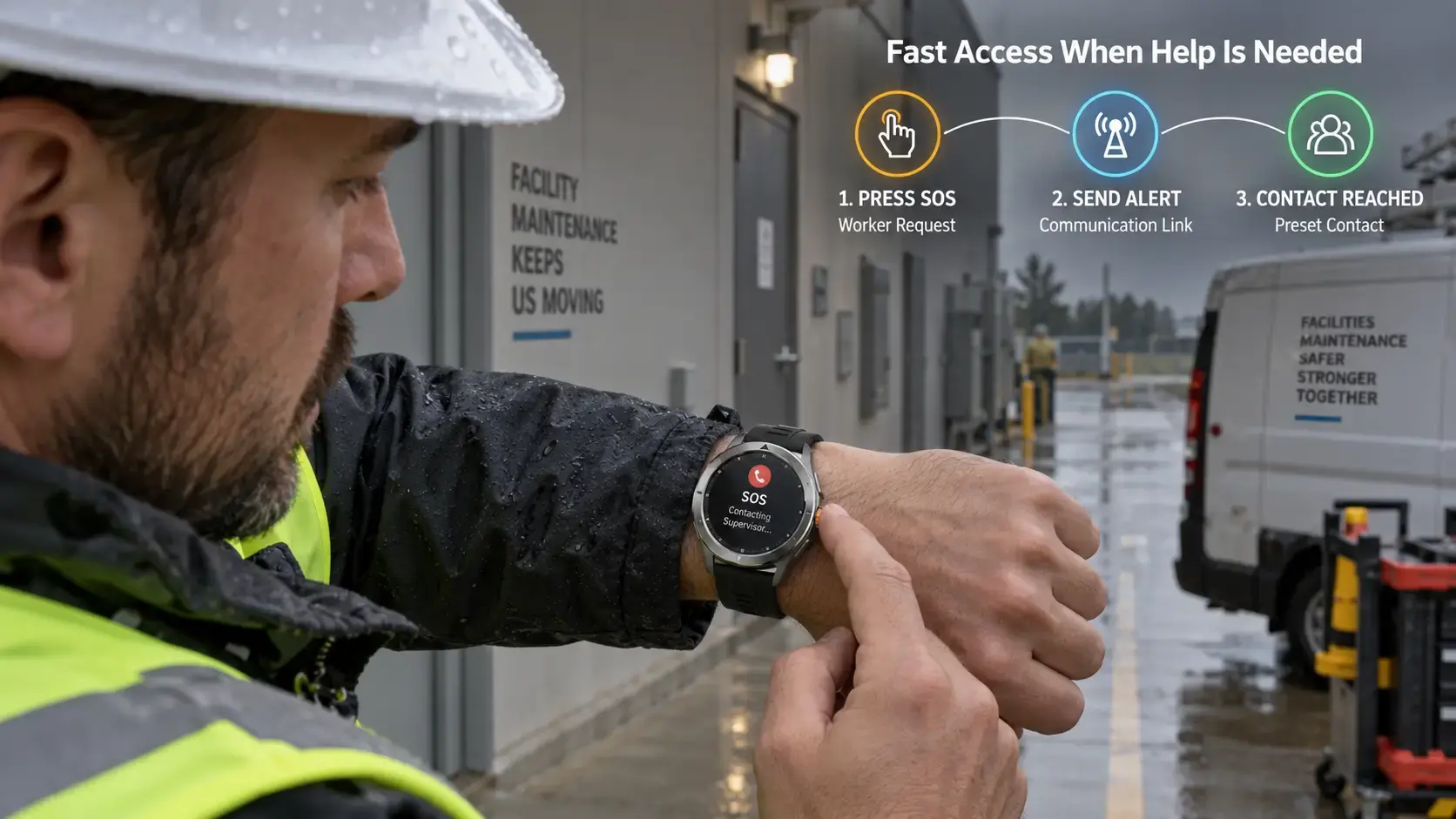
The one-touch SOS emergency call button is also very important. This feature is especially useful in dangerous industries, when a worker is alone, or when patient safety is a priority. This single-button alert feature adds an extra layer of safety that risk assessments will like from procurement teams and HR departments.
Comparing Voice Call Watches: Choosing the Best Fit for Your Enterprise
The market for wearable communications has grown a lot. Buyers in the business world can now pick from consumer-grade smartwatches with calling features, wearables designed specifically for business contact, and Bluetooth speakers. There are different trade-offs for each group.
Device Category Comparison
While Bluetooth headsets offer better sound isolation, they come at the cost of less mobility and ease of use at wrist level. Consumer smartwatches from Apple and Samsung have nice interfaces, but they are expensive per unit and aren't very tough for use in the workplace. Purpose-built calling gadgets, which are made to communicate, offer the best mix of longevity, battery life, and call control features at a price that makes them a good choice for large businesses.
For buying teams, here is a useful cost-benefit lens:
- Consumer smartwatches (Apple Watch Ultra, Samsung Galaxy Watch): Premium build and ecosystem interaction, but they are more expensive per unit and don't offer many OEM customization options, which makes them less suitable for large-scale B2B adoption.
- Garmin and Huawei enterprise-adjacent models: Strong durability and battery life, but there aren't many ways to customize or brand them.
- OEM/ODM enterprise wearables: Made to be bought in bulk, they have a flexible MOQ, can be branded, run on Android OS, are waterproof up to IP68, and focus on communication. This makes them very cost-effective for Amazon sellers, corporate gift buyers, and enterprise wholesalers.
The ability to customize device branding, pre-install software, and negotiate bulk pricing is a strategic procurement advantage that consumer brands can't match for procurement professionals in charge of multi-unit deployments.
How to Effectively Procure Voice Call Watches for Your Enterprise
Role mapping is the first step in effective business buying for a voice call watch. This means figuring out which employees will use the device and what kinds of communication needs they have every day. A warehouse picker, a community health worker, and a business boss all have different needs.
Evaluating Suppliers for Enterprise-Grade Reliability
Carefully consider the following when making a short list of suppliers:
- Warranty coverage and after-sales responsiveness: Businesses that are putting hundreds of units into use can't afford for warranty settlement to take too long. It is important to find a supplier with specialized B2B help lines.
- OEM and private label capability: Companies that want to make their own branded tools or sell them under their own brand name need a maker with a proven system for customization.
- Shipping reliability and inventory depth: Suppliers with stable inventory and quick logistics are needed for frequent restocking cycles. This is especially true for Amazon FBA sellers and cross-border e-commerce brands that have to stick to tight replenishment windows.
Xizhou's line of business wearables is designed to meet these needs. Xizhou has a mature research and development team, GMP-certified production, full product certifications, and full OEM/ODM support. They sell communication-focused wearables built for scale to both new and established electronics wholesalers. Flexible MOQ options let you test out new products without taking on too much inventory risk. This directly addresses one of the biggest problems that online sellers and people who buy promotional items often have.
Implementation Best Practices and Future-Proofing Your Investment
It takes more than just unboxing and handing out units to get wrist communication devices to everyone on an enterprise team. An organized rollout plan keeps the investment safe and encourages people to actually use it.
Provisioning, Training, and Long-Term Maintenance
Before devices get to end users, they should be provisioned with contacts, emergency call settings, and any MDM registration. Adoption rates go up greatly and the number of IT support tickets goes down when training sessions are short—even ten minutes per user.
To keep the battery working well over the four-day cycle, tell users to turn on magnetic charging at night and turn off background features that aren't being used during active shifts. Regular updates to the firmware keep the system stable and, over time, make it run better.
Looking ahead, health tracking powered by AI and real-time location services are coming together with business wearables. For safety-sensitive fields, employee welfare programs, community health systems, and others, wrist-level devices that can make calls and track biometrics will no longer be extras but standard equipment. When businesses buy from a maker that is actively developing new products instead of a catalog seller, they can update without having to move providers.
Conclusion
There is a lot more to picking the right voice call watch for a business setup than just comparing screen sizes. Call quality, battery life, platform compatibility, emergency safety features, and the reliability of the supplier are all things that you should think about when making a purchase decision that will affect how your employees do their jobs every day. Wearable devices like the Xizhou communication-focused one have a good mix of durable hardware, Android-based freedom, and IP68 protection, and they were made with business needs in mind. When a business works with the right provider, wrist-level contact can be one of the most useful operational improvements it makes.
Medical Disclaimer: Health-related features referenced in this article, such as activity monitoring, are intended for general wellness awareness only and do not constitute medical advice or clinical diagnostic tools. Please consult qualified medical professionals for health-related decisions.
FAQ
1. What makes a voice call watch suitable for enterprise use?
Enterprise-level wrist calling devices need to be able to make calls clearly, last longer on a single charge, and work with other IT systems. In the field, in healthcare settings, and in transport, features like HD microphones, SOS buttons, and IP68 waterproofing are very useful.
2. Can a wrist calling device work independently without a smartphone?
Yes, types that have a SIM or LTE connection built in can work on their own. Bluetooth-paired models need to be close to a phone that is also paired. Independent connectivity is the best configuration for enterprise deployment in the field or for lone workers.
3. What is the typical MOQ for enterprise procurement from an OEM supplier?
MOQ is different for each source and amount of customization. Xizhou allows flexible low-MOQ orders for testing products as well as bulk fulfillment for large-scale deployment, so both new distributors and established ones can use it.
4. How are call data and user privacy protected on enterprise wearables?
For enterprise operations, devices should be needed that can secure data and connect to an MDM. As part of good business IT control, suppliers' compliance documents are checked before they are bought.
Partner With Xizhou for Your Next Voice Call Watch Supplier Order
Xizhou is an expert in making enterprise-ready smart wearables like the voice call watch. They have a certified GMP factory, an experienced R&D team, and the ability to do both OEM and ODM work. Our wearable device for communication is designed to work in real business settings and has HD call clarity, a four-day battery life, IP68 durability, and a one-touch SOS button. We're here to help you grow at every stage, whether you need a variable MOQ to test a product or large-scale bulk delivery. You can email us at 13266508958@163.com right now to request a book or ask a question.
References
1. Gartner. (2023). Market Guide for Enterprise Wearable Technologies. Gartner Research.
2. IDC. (2023). Worldwide Wearable Device Tracker: Enterprise Segment Analysis. International Data Corporation.
3. Forrester Research. (2022). The Future of Frontline Worker Technology: Communication and Mobility. Forrester Research, Inc.
4. IEEE. (2022). Security Frameworks for Enterprise IoT and Wearable Devices. IEEE Transactions on Industrial Informatics.
5. Grand View Research. (2023). Smart Wearable Market Size, Share & Trends Analysis Report. Grand View Research.
6. Frost & Sullivan. (2023). B2B Wearable Communications: Procurement Trends and Vendor Landscape. Frost & Sullivan Global Research.