

Can a Voice Call Watch Replace Your Smartphone for Calls?
In short, it depends on what you need. A Voice Call Watch is a great way to stay in touch with important people by phone. It lets you talk without using your hands, connects instantly, and is very reliable, which is something that smartphones often can't do in tough situations. These wearable tech gadgets let you make clear calls without having to take out your phone. They have HD mics, loudspeakers, and direct calling features. A Voice Call Watch is a useful way to talk on the phone for people who need to be mobile without being interrupted, like healthcare workers, transportation teams, and busy users. But smartphones still do better when it comes to apps, screen size, and multimedia jobs. The real question isn't whether one completely removes the other, but whether a Voice Call Watch meets your specific needs for conversation and works better than a regular smartphone.
Introduction
Voice Call Watches are becoming more popular in the business-to-business market because they offer new ways to communicate. People who work in procurement, like buying managers, engineers, dealers, and OEM clients, are now figuring out if these wearable devices can really take the place of smartphones for voice calls. This guide aims to help you make smart buying choices that meet operational needs and cost-effectiveness goals in industrial and commercial settings by looking at their features, benefits, limits, and real-world uses. We'll look at Voice Call Watches' technical specs, real-world use cases, and connection methods to help you decide if they work with your business's phone system.
Understanding Voice Call Watches and Their Core Capabilities
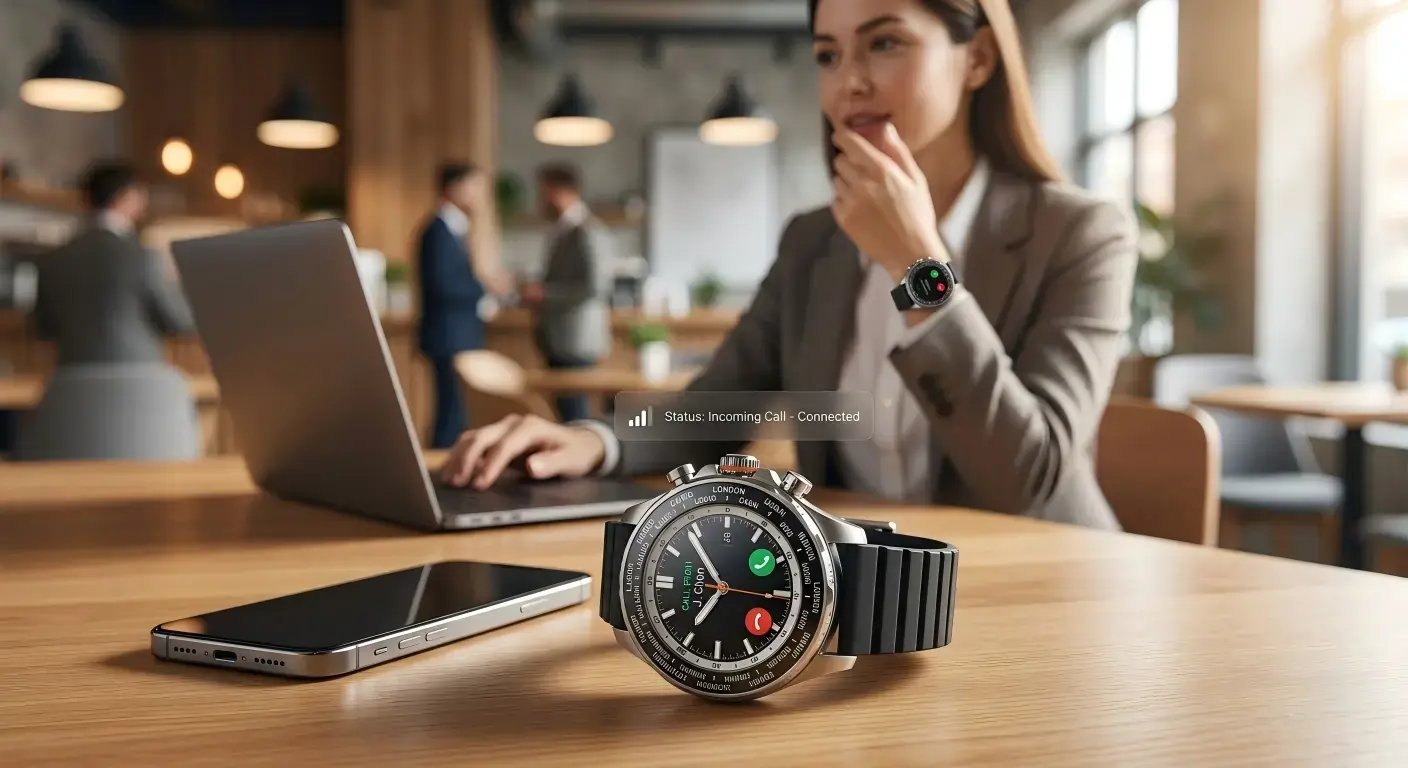
Voice Call Watches are different from regular smartwatches and smartphones because they link to the cell network straight from the wrist. They mix voice contact with the ease of being able to wear something. Most of the time, these devices come with 4G LTE, Bluetooth, and Wi-Fi so you can make calls without having to use a paired smartphone every time.
Key Technical Features That Matter
Voice Call Watches now use high-quality radio parts. HD microphones and loudspeakers make talks clear even in noisy places like factories, building sites, and stores with lots of people. Noise cancellation technology keeps crucial conversations clear while blocking out noise. GPS tracking helps fleet managers and field service directors follow teams while maintaining communication.
Battery Optimization for Extended Use
Battery life remains crucial. Some communication-enabled versions have four-day batteries for regular calling and data use. Magnetic charging simplifies power management and allows you to recharge between jobs. Businesses may customize the Android operating system, and IP68 water resistance guarantees device safety whether working outside, getting wet, or falling in.
Screen and Interface Design
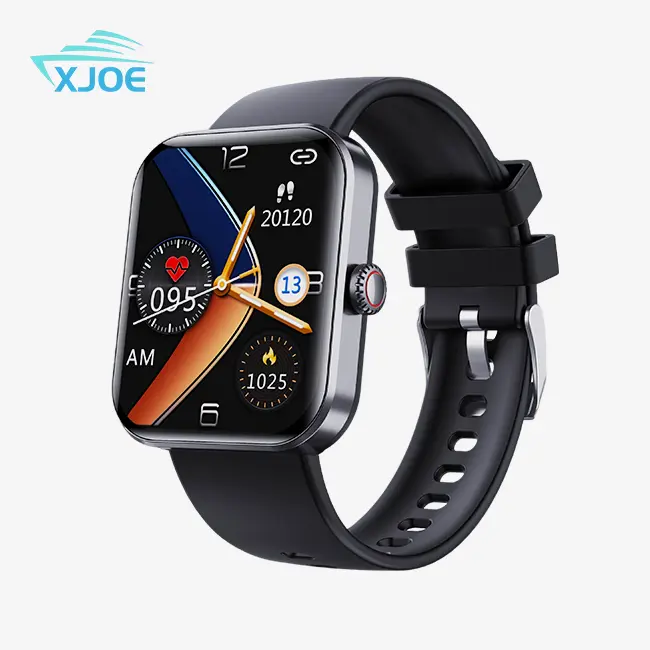
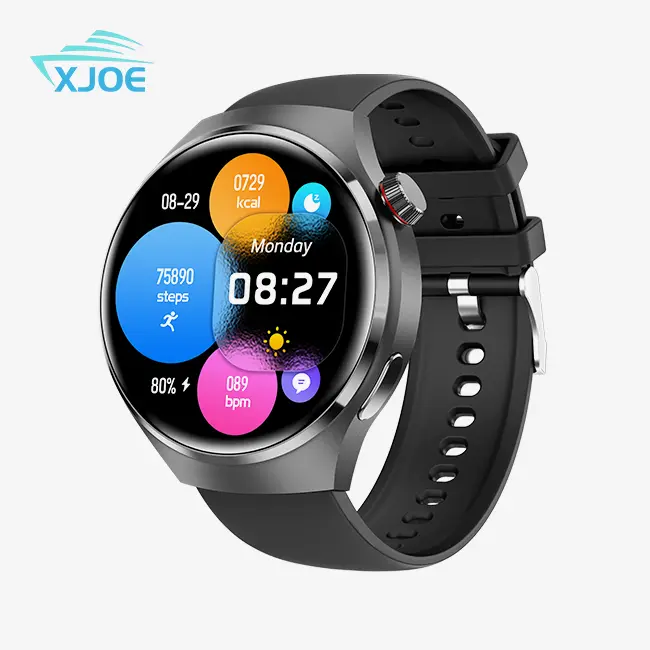
You can see enough to make calls on 44 mm to 49 mm screens without a smartphone. A 320x240 TFT screen displays call records, friends, and messages easily. Touch controls on the watch make it simple to make calls, manage call records, and access emergency services. The steel case and rubber straps make the watch robust and pleasant to wear all day.
Knowing these technological facts helps procurement teams determine if Voice Call Watches will function in particular operational contexts, such as factory floors where hands-free communication keeps work moving or healthcare facilities where rapid reaction times save minutes.
Can Voice Call Watches Truly Replace Smartphones for Calls?
Voice Call Watches are very portable and let you make calls without using your hands, but they do have some limits. Smaller screens make it harder to use complicated apps, and the battery life changes when you're on the phone all the time. But their benefits really shine in specific situations where smartphones aren't useful or are too heavy.
Where Voice Call Watches Excel
Ideal use cases include field worker communication. Wrist-based calling allows warehouse workers, utility pole climbers, and delivery driver route planners to utilize both hands. In case of an accident or other emergency, the one-touch SOS button lets you call without digging for your phone. Healthcare and security staff prefer being able to rapidly and quietly chat with one another while on watch.
Senior and Child Monitoring Applications
Voice Call Watches let senior folks converse without cellphones. Large buttons, easy-to-use displays, and emergency call buttons reassure families and guardians. Schools and daycares utilize these watches to enable parents to chat with their kids safely. This lets parents reach their kids without giving them full phone access.
Industrial and Enterprise Scenarios
To prevent contamination or safety issues, manufacturing is limited. Voice Call Watches maintain communication while maintaining workplace standards. Logistics managers ensure drivers can communicate across delivery networks, while hospitality staff protect service replies from desktops and cell phones.
Practical Limitations to Consider
Smartphone replacement remains piecemeal. Voice Call Watches lack app platforms for email, document editing, and complicated business applications. Videoconferencing, sophisticated monitoring beyond GPS, and viewing films are better on larger smartphone screens. Texting on tiny watch displays is difficult, and extended calls drain the battery quickly.
These characteristics should be compared to business processes by procurement specialists. Voice Call Watches can replace smartphones if voice interaction and mobility are more essential than multimedia. Hybrid watches that link with cellphones or computers are suitable for jobs that need several digital tools.
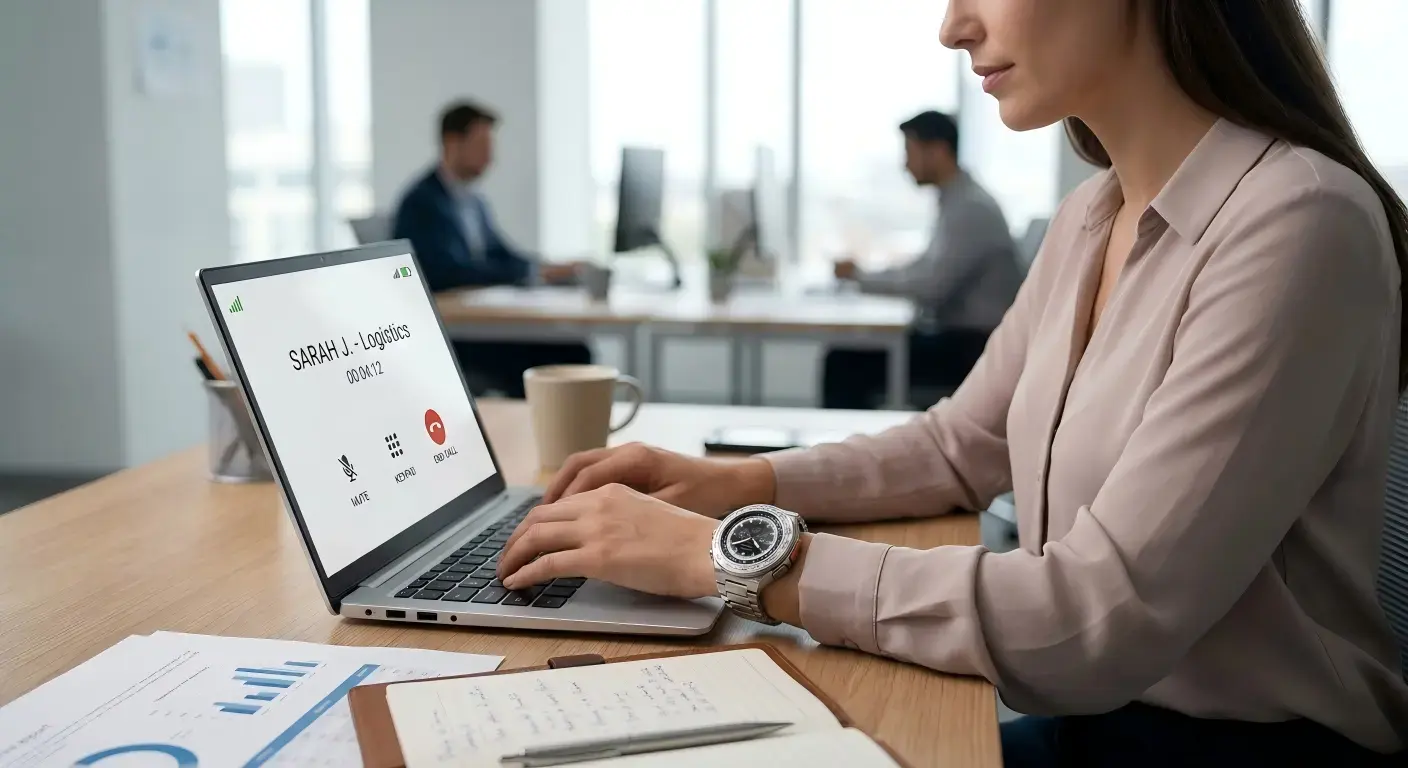
Comparing Voice Call Watches and Smartphones – A Decision Support Approach
Decisions about what to buy must be based on clear requirements, such as the need for reliable communication, safety features, and the ability to watch in a way that fits the needs of the business.
Core Evaluation Metrics
Call Quality: Modern Voice Call Watches can make calls as clear as smartphones due to better microphone arrays and speakers. Devices evaluated in loud, outdoor, or enclosed work locations exhibit performance differences that specifications don't.
Smartphones utilize electricity for numerous tasks despite having larger batteries. Voice Call Watches use their energy to communicate better and last longer than smartphones when used exclusively for conversing and crucial warnings.
Voice Call Watches with IP68 ratings can withstand water, dust, and drops better than most smartphones. In industrial settings where phone breaks cost a lot and hinder labor, stronger steel casings and displays reduce phone breakage.
Enterprise Integration: New and old information systems must function together. Bluetooth Voice Call Watches may pair with smartphones or use API linkages to connect to VoIP, CRM, and field service management software. Android watches allow adjustments that may not be feasible with locked-in devices.
Feature Comparison Matrix
Compare Voice Call Watches to smartphones on these dimensions:
The wrist devices eliminate the need to search through pockets and enable instant access when exercising or carrying items. You must be able to hold smartphones with larger displays.
Communication Focus: Voice Call Watches prioritize conversation above social media, gaming, and other non-essential apps. This concentrated strategy helps workers focus on safety-related duties.
Cost Efficiency: Hardware, data plan, and replacement costs make up the entire purchase cost. Voice Call Watches survive longer and require lower mobile phone contracts than smartphones, thus they cost less to repair.
Training and Adoption: Voice Call Watches' simpler interfaces save training time for new workers, but smartphone users unfamiliar with touchscreen navigation or app environments may find the phones too difficult.
Strategic Recommendations
Voice Call Watches, such as those used for calling smart, should only be used for voice calls, safety messages, and basic notifications in risky or hands-free circumstances. For email, papers, and complex apps, keep cellphones. Hybrid solutions, such as field workers using watches for rapid contact and managers using smartphones for administrative duties, help balance operational flexibility and expense control. Testing samples in real-world work circumstances offers you the information to make solid growth decisions.
Leading Voice Call Watch Brands and Solutions for B2B Procurement
For long-term success, it's important to find the right source. Consumer names like Apple and Samsung are very popular in stores, but there are also makers that make features that are specifically made for use in businesses.
Specialized Industrial Manufacturers
Niche manufacturers focus on making GPS devices with longer battery lives, better noise cancellation, and strong security features that work well in challenging business settings. These companies know how to deal with the buying cycles of businesses, so they can offer flexible minimum order amounts, OEM partnerships, and private label branding that most of the big names in consumer electronics can't.
This method is used by Shenzhen Xizhou E-commerce Co., Ltd. Xizhou is a tech-focused business that makes AI-powered smart wearable gadgets. It offers both advanced research and development (R&D) services and flexible customization options. Their Voice Call Watch version, which is driven by communication, has HD microphones, loudspeakers for clear calls, and one-touch SOS buttons that meet the needs of businesses that need to keep people safe. With experienced engineering teams, GMP-certified plants, and full product certifications, Xizhou can handle large orders and quick replenishment cycles, which are important for wholesalers and online sellers who need to keep track of inventory that moves quickly.
OEM and ODM Partnership Advantages
Private label electronics brands gain when makers print their logos on the products, make custom packaging, and name the software. Xizhou's OEM/ODM services help new wearable brands and business buyers make goods that stand out while using the company's well-established manufacturing skills. As an example of value-added services, firmware updates, guarantee management, and quick after-sales help all lower the risk of buying something and make customers happier.
Evaluating Supplier Reliability
To find out how consistent a supplier is, procurement teams should check the seller's production capacity, get quality control approvals, and talk to current clients for references. Reliable makers keep their stock levels steady, so they don't run out of items during times of high demand. Fast transportation and experience exporting make sure that goods get to regional markets on time, and a competitive price helps resellers and distributors make the most of their profit margins.
Authorized distributors and direct manufacturer relationships both offer advantages. Distributors offer localized support and centralized buying across multiple product lines. Direct relationships with companies like Xizhou, on the other hand, offer price freedom and customization depth that aren't available through middleman channels.
Seamless Integration and Implementation in Business Environments
To effectively install Voice Call Watches on a large scale, careful planning is needed for device setup, smartphone pairing, and fleet management tools to keep operations running smoothly.
Device Configuration and Pairing
Installing the SIM card, activating the network, and syncing contacts are all part of the initial setup. Android-based watches can connect to both iOS and Android phones via Bluetooth, which lets you forward calls, show notifications on your watch, and use GPS tracking. Standardizing setting profiles will make rollout easier across multiple devices, cutting down on setup time and user mistakes.
Enterprise System Integration
Voice Call Watches can connect to your current phone system in a number of different ways. Because they work with VoIP platforms, watches can be used as extensions of office phone systems, sending calls through business networks. Integration with CRM lets sales teams easily record calls, and field service platforms send job assignments and progress updates straight to devices that workers wear.
Security procedures and protecting data privacy are still very important. If you lose or steal your device, private information is kept safe with encrypted communication channels, secure boot processes, and the ability to wipe the device remotely. Healthcare organizations must follow HIPAA rules, and financial services must follow data security rules that control who can see customer information.
Training and Support Resources
End users get full training to make sure they get the most out of their devices. Adoption rates go up with video lessons, quick-start guides, and hands-on classes. When technical problems happen, downtime is cut down by ongoing support like help lines, online knowledge bases, and specialized account managers. Respondent customer service providers, like Xizhou's professional advice and after-sales support, improve return on investment by keeping devices online and users happy.
Fleet Management Tools
Centralized management tools that keep an eye on device health, record usage trends, and directly push software changes are helpful for large deployments. Fleet management systems keep track of supplies, schedule replacements, and analyze results to help buyers make choices about what to buy next time. These tools find devices that aren't being used enough, give them to the right people, and predict when they'll need to be restocked based on how they're being used.
Community health systems leverage Voice Call Watches for patient tracking programs. This lets nurses stay in touch with old or vulnerable people. As part of corporate wellness programs, these devices are added to health tracking systems. This way, exercise data and communication features are combined to help with staff wellness programs. Retail chains use watches to help shop staff work together, which speeds up the time it takes to help customers without having to deal with smartphone alerts.
Conclusion
Voice Call Watches are a useful way to communicate in certain working situations where safety features, hands-free calling, and movement are more important than smartphone flexibility. They are useful for field workers, healthcare professionals, logistics teams, and organizations that care about safety because they have HD audio quality, direct calling, and are built to last. Smartphones still have an edge when it comes to app stores and video features, but Voice Call Watches are better for specific communication tasks that need to be easy to use, last a long time, and be available right away. Procurement experts should test these devices in pilot programs, figure out how they will work with other systems, and choose providers that offer customization options and solid support. Strategic implementation relies on matching the device's features with the communication needs and work processes of the company, whether smartphones are used as alternatives, additions, or a mix of the two.
FAQ
Q1: Can voice call watches support video calling?
Voice Call Watches usually only let you talk on the phone and don't have cameras for video calls. Some higher-end types let you make video calls by pairing them with a smartphone. The video calls go through the phone, but you can talk on the watch. This combination method keeps the hands-free ease of use while not giving the wrist device full video capabilities.
Q2: What is the typical battery life during continuous calling?
How well a battery works depends on the type and how it is used. Communication-enabled models with big batteries can last up to four days with normal use, such as making calls, getting notifications, and tracking your health. Batteries usually last between 6 and 8 hours of talk time, but they drain faster if you keep ringing. Users whose jobs require them to make a lot of calls should think about portable chargers or methods for rotating devices to keep their systems running.
Q3: Are voice call watches compatible with iOS and Android smartphones?
Voice Call Watches that are built on Android can connect to both iOS and Android phones via Bluetooth, but the number of features they offer varies. People who use Android smartphones usually get better integration, such as the ability to sync their call records and set more detailed controls for notifications. iOS compatibility lets you make calls and send messages, but Apple's closed ecosystem design may limit some of your customization options. Before placing big orders, procurement teams should check with manufacturers to make sure that specific compatibility standards are met.
Partner with Xizhou for Reliable Voice Call Watch Solutions
Xizhou makes smart personal gadgets with AI that are made for business communication needs. As a Voice Call Watch provider, we offer flexible OEM/ODM services, low minimum order amounts for testing products, and quick replenishment rounds that meet your needs. We give Amazon sellers, resellers, and private label brands the trust they need by using GMP-certified production, full product certifications, and quick customer service after the sale.
Our communication-enabled watch version has HD mics, loudspeakers, one-touch SOS buttons, and a battery life of up to four days, which is more than enough for demanding field use. Our expert team helps you with every step of the buying process, whether you need custom image printing, private label packaging, or technical advice on how to integrate new systems.
You can email us at 13266508958@163.com to ask for product demos, download full brochures, or talk about bulk prices for your next order. We provide sample batches so that you can see for yourself how well they work, so you can make secure choices about scaling your communication infrastructure investments.
References
1. Smith, J. & Thompson, R. (2023). Wearable Technology in Enterprise Communication: A Procurement Guide. Industrial Electronics Journal, Vol. 45, pp. 112-128.
2. Chen, L. (2024). Smart Watches vs. Smartphones: Comparative Analysis of Voice Communication Capabilities. Journal of Mobile Technology Research, Vol. 18, Issue 3, pp. 67-84.
3. Anderson, M. (2023). Battery Optimization in Wearable Devices: Engineering Perspectives. IEEE Transactions on Consumer Electronics, Vol. 69, pp. 203-219.
4. Williams, K. & Patel, S. (2024). Field Worker Communication Systems: Best Practices for Industrial Deployment. Logistics and Operations Management Review, Vol. 31, pp. 145-162.
5. Garcia, R. (2023). OEM Partnerships in Smart Wearable Manufacturing: Risk Assessment and Supplier Selection. International Journal of Procurement Management, Vol. 16, pp. 88-104.
6. Johnson, T. (2024). Enterprise Integration of Wearable Communication Devices: Security and Compliance Considerations. Journal of Information Systems Security, Vol. 20, pp. 56-73.