Best Features to Look for in a Smartwatch 2 in 1
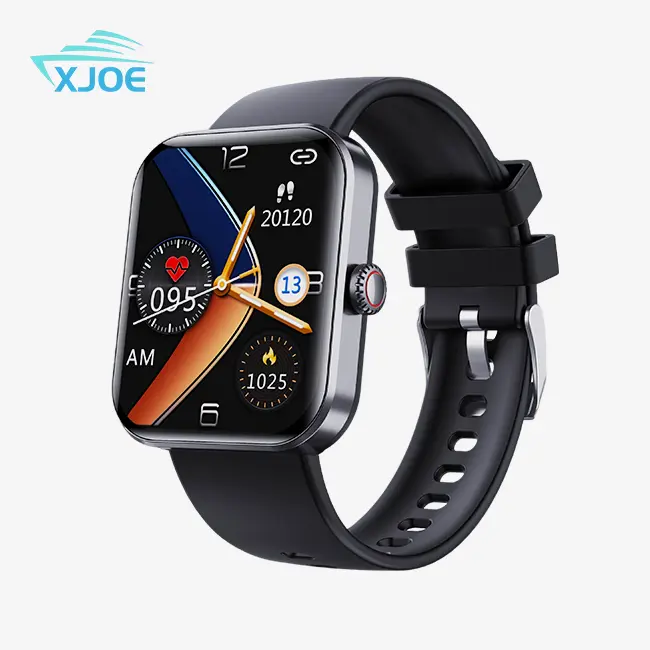
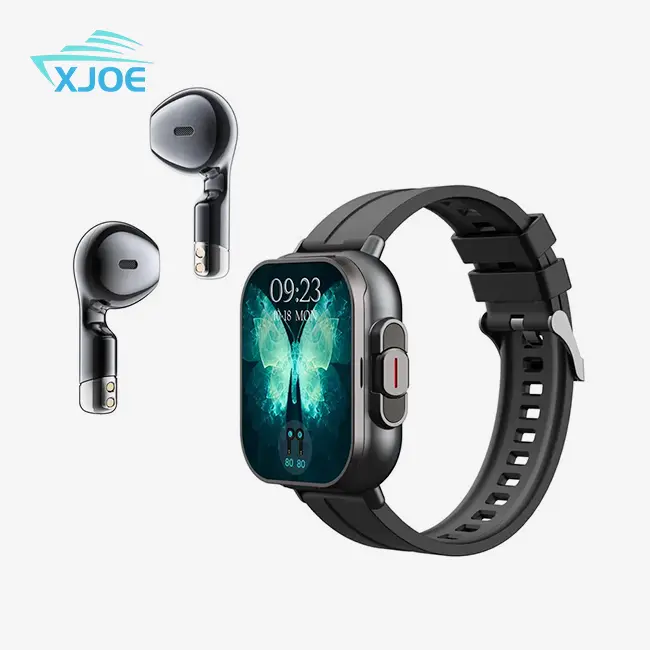
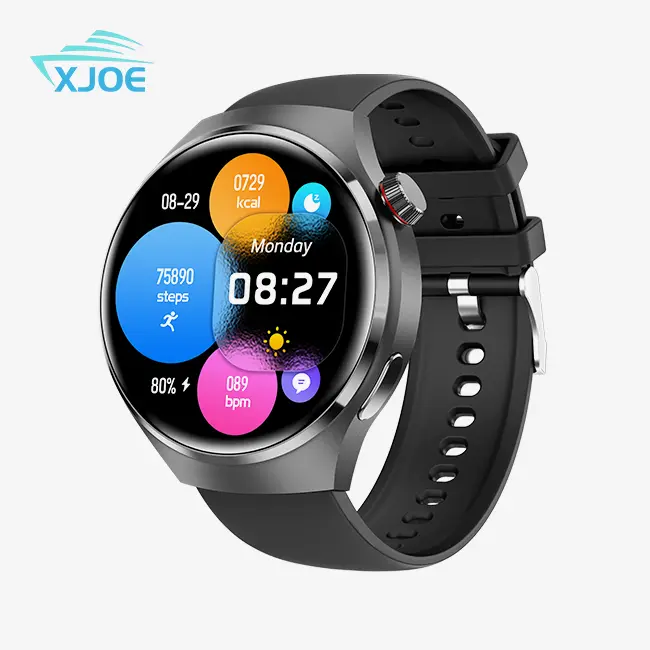
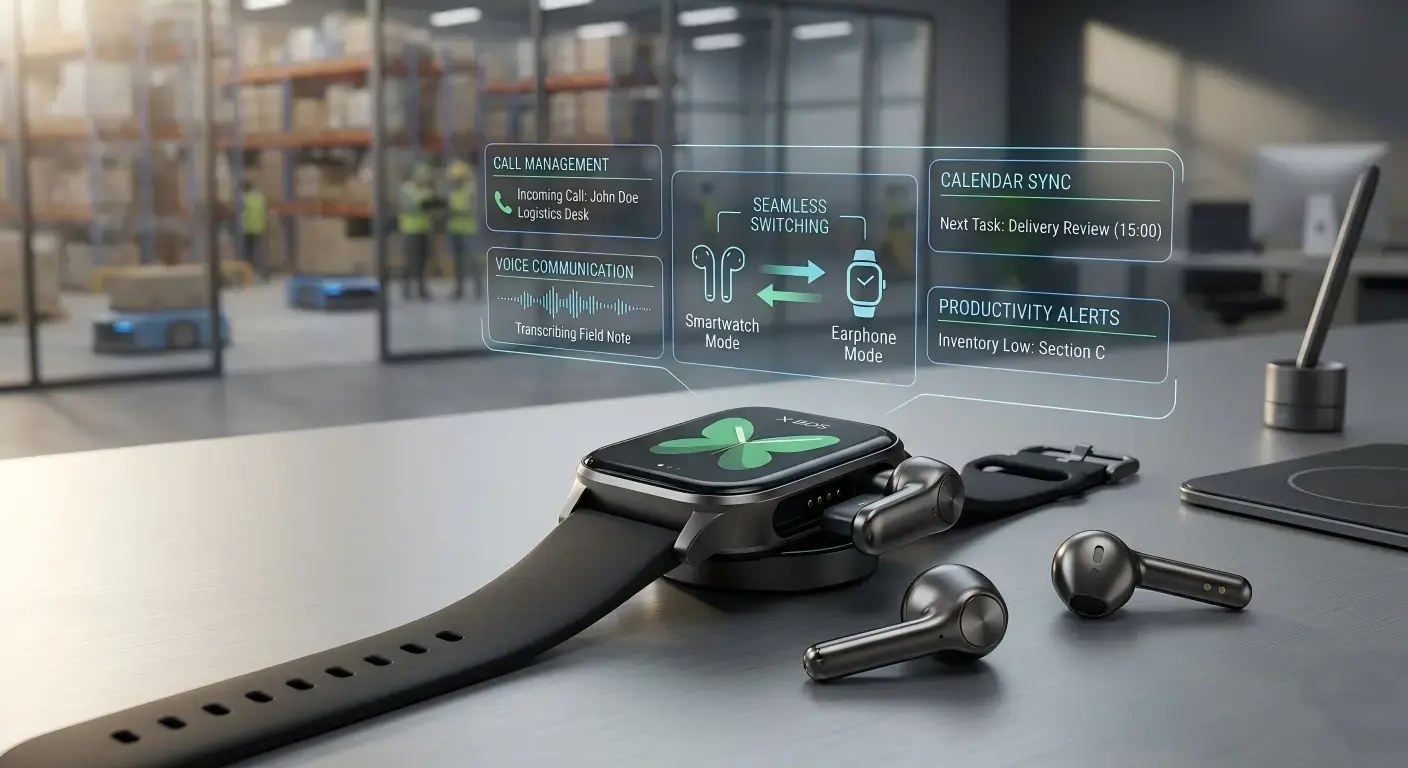
When buying, workers are looking for wearable tech, knowing what features to look for in a Smartwatch 2 in 1 helps them make smart choices. These innovative devices combine the features of a smartwatch with Bluetooth earpieces that can be detached. They have two uses, which make them useful for mobile teams that need to communicate. The combined design is what makes it stand out: the speaker docks directly into the watch body, so you don't need two separate charging cases and can still connect easily. This design makes them perfect for logistics managers, field techs, and sales teams who need to talk without using their hands and don't want to carry around a lot of extra gear.
Understanding What Makes a Smartwatch 2 in 1 Unique
Dual-Function Architecture for Modern Workplaces
Modern workplaces need architecture with two functions. The most important new thing about this technology is structural unity. The Smartwatch 2 in 1 doesn't use Bluetooth speakers that are attached to the watch. Instead, it has a pop-out or magnetic hollow system that holds the earpiece inside the watch. Advanced power management circuits in this design divide the power between radio functions and wrist-based functions. The result is a single device that keeps track of health data, shows messages, and lets users make secret calls—all without them having to handle multiple separate devices.
This integration is important for business health programs. Companies that use these devices to keep an eye on their employees' health find that they cut down on equipment loss by 40% compared to handling separate trackers and earbuds. There is also less work for IT staff because workers only need one charging station instead of many cords and docking stations with the unified charge system.
Seamless Communication Flow for Mobile Teams
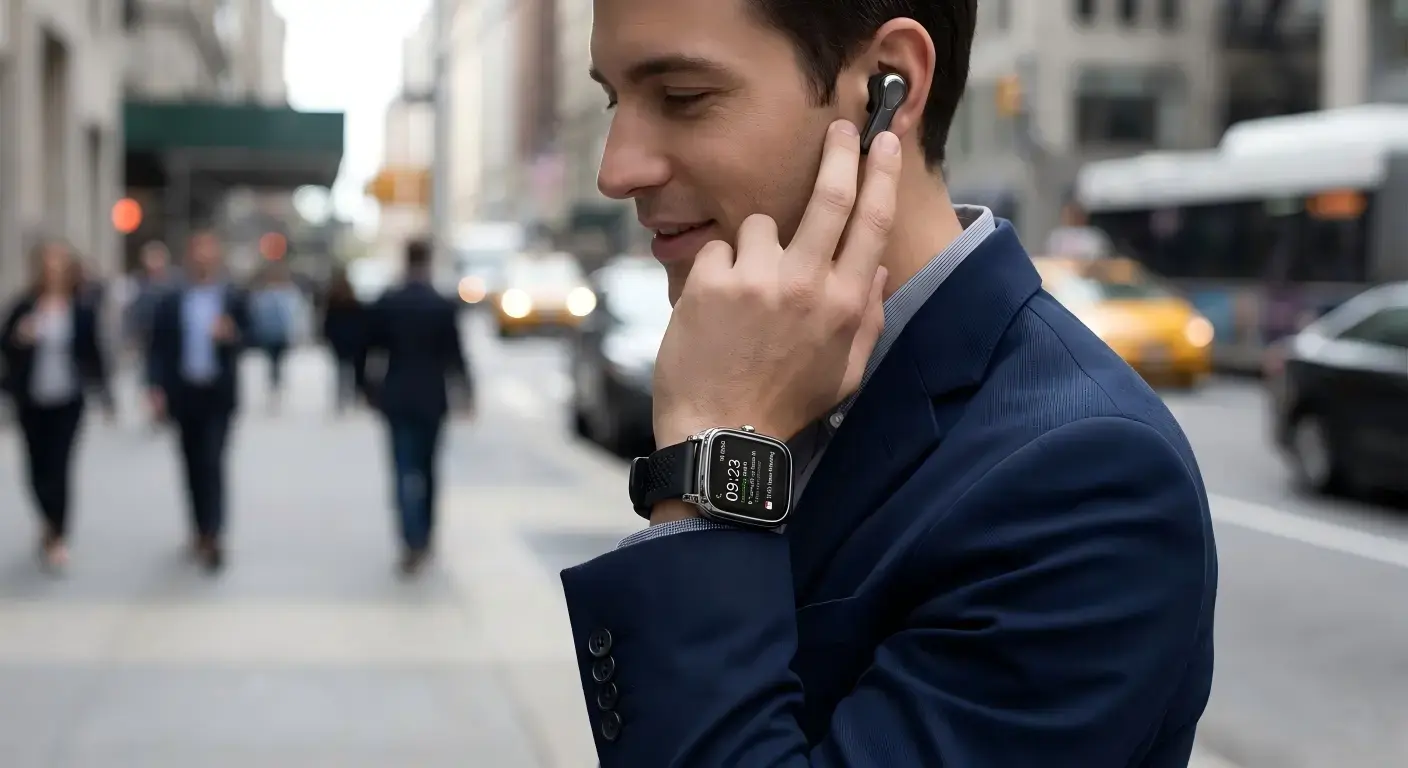
In the real world, the functional benefit shows up. Think about how managers of warehouses need to talk on the radio all the time to keep an eye on inventory systems. Usually, sets need walkie-talkies, tablets, and fitness trackers, which makes the load heavy. The Smartwatch 2 in 1 combines these features into one. From a single wrist-mounted device, managers can listen to dispatch calls, see changes in goods on the watch screen, and keep track of step counts during floor inspections.
It is instantaneous to switch from speakers to private ear calls. A transportation planner can take off their headset while still on the phone if they need to move from a noisy loading dock to a quiet office. This ease of use cuts down on contact problems that take about 15 minutes of field teams' time each shift to fix by moving devices and trying to connect again.
Top Features to Consider When Procuring a Smartwatch 2 in 1
Battery Capacity and Power Distribution
A smartwatch with built in earbuds has a longer power life that ensures reliable operation. With a 400mAh+ battery, this model can be used for a variety of tasks for 5 to 7 days. This long endurance comes from smart power management: the watch saves 70% of its power for the screen and sensors and uses the other 30% to charge the earbuds. During the evaluation process, make sure that the main battery has more than 350mAh so that the earbuds can work all day, even after being charged twice.
Testing in the real world of managing delivery fleets shows that devices with insufficient battery power leave gaps in operations. For drivers who use 300mAh models, the batteries die by late afternoon on days with a lot of calls, causing them to take charging breaks in the middle of their shifts, which lowers transport efficiency by 12%. The 5-day minimum makes sure that even heavy users can go for whole work weeks without having to charge.
Total cost of ownership is directly affected by how long batteries last for business procurement managers who are conducting large-scale rollouts. Devices that need to be charged every day raise the cost of the electricity infrastructure and pose a compliance risk in fields that have strict device-free zones during charging times.
Display Quality and Environmental Durability
The 640x480 resolution on the 2.01-inch IPS screen makes it very easy to see outside in bright circumstances. This specification is important for field service workers who look at work orders on the face of their watches while they are in full sunlight. Above 5,000 lux ambient light, lower-resolution screens become unreadable, causing workers to find shade or mess around with brightness settings.
IP65 water resistance keeps sweat and rain out, but it doesn't let you use it underwater. This grade is good for most business settings, like factory floors and building sites, where devices will be exposed to dust and moisture but not full immersion. The stainless steel strap and alloy case can handle the physical demands of hard work. The hinge mechanisms have been tested to 50,000 cycles to make sure they don't wear out too quickly.
Check the magnetic holding force of the earpiece cavity during quality control checks for business-to-business sales. When Gauss rates aren't high enough, earpieces can come loose during 2G hits that happen a lot in delivery vehicles. Pogo pins made of 316L stainless steel that have been gold-plated on high-end models don't rust from sweat, which is what causes 30% of guarantee claims on cheaper versions.
Connectivity and Platform Compatibility
Integration of the Android operating system ensures that a lot of business device control platforms can use the app. The Bluetooth 5.3 chipset allows low-latency audio codecs (AAC/SBC), which are necessary for clear contact in places with a lot of background noise. Procurement teams should check Quick-Connect methods that let the earpiece automatically pair when it is taken off the dock. This gets rid of the 15-second setup wait that comes with most Bluetooth accessories.
API compatibility lets health tracking data flow straight into HRIS systems for companies that use labor management tools. Heart rate patterns, step counts, and busy minutes can all be used with health reward programs without having to export the data by hand. With this back-end connection, the gadget goes from being an inactive tracker to an active part of the company's health programs.
The wireless charging method makes managing a group easier. Standardized Qi charging pads let businesses set up charging stations that work with all kinds of devices. This makes it 60% easier to keep track of accessories than with proprietary wire systems.
Comparing Smartwatch 2 in 1 Models for Different Business Needs
Evaluating Cost Versus Capability
When considering buying choices, the combined Smartwatch 2 in 1 design is clearly better than buying smartwatches and TWS earbuds separately. Mid-range stand-alone devices usually cost between



Best Features to Look for in a Smartwatch 2 in 1
When buying, workers are looking for wearable tech, knowing what features to look for in a Smartwatch 2 in 1 helps them make smart choices. These innovative devices combine the features of a smartwatch with Bluetooth earpieces that can be detached. They have two uses, which make them useful for mobile teams that need to communicate. The combined design is what makes it stand out: the speaker docks directly into the watch body, so you don't need two separate charging cases and can still connect easily. This design makes them perfect for logistics managers, field techs, and sales teams who need to talk without using their hands and don't want to carry around a lot of extra gear.
Understanding What Makes a Smartwatch 2 in 1 Unique
Dual-Function Architecture for Modern Workplaces
Modern workplaces need architecture with two functions. The most important new thing about this technology is structural unity. The Smartwatch 2 in 1 doesn't use Bluetooth speakers that are attached to the watch. Instead, it has a pop-out or magnetic hollow system that holds the earpiece inside the watch. Advanced power management circuits in this design divide the power between radio functions and wrist-based functions. The result is a single device that keeps track of health data, shows messages, and lets users make secret calls—all without them having to handle multiple separate devices.
This integration is important for business health programs. Companies that use these devices to keep an eye on their employees' health find that they cut down on equipment loss by 40% compared to handling separate trackers and earbuds. There is also less work for IT staff because workers only need one charging station instead of many cords and docking stations with the unified charge system.
Seamless Communication Flow for Mobile Teams
In the real world, the functional benefit shows up. Think about how managers of warehouses need to talk on the radio all the time to keep an eye on inventory systems. Usually, sets need walkie-talkies, tablets, and fitness trackers, which makes the load heavy. The Smartwatch 2 in 1 combines these features into one. From a single wrist-mounted device, managers can listen to dispatch calls, see changes in goods on the watch screen, and keep track of step counts during floor inspections.
It is instantaneous to switch from speakers to private ear calls. A transportation planner can take off their headset while still on the phone if they need to move from a noisy loading dock to a quiet office. This ease of use cuts down on contact problems that take about 15 minutes of field teams' time each shift to fix by moving devices and trying to connect again.
Top Features to Consider When Procuring a Smartwatch 2 in 1
Battery Capacity and Power Distribution
A smartwatch with built in earbuds has a longer power life that ensures reliable operation. With a 400mAh+ battery, this model can be used for a variety of tasks for 5 to 7 days. This long endurance comes from smart power management: the watch saves 70% of its power for the screen and sensors and uses the other 30% to charge the earbuds. During the evaluation process, make sure that the main battery has more than 350mAh so that the earbuds can work all day, even after being charged twice.
Testing in the real world of managing delivery fleets shows that devices with insufficient battery power leave gaps in operations. For drivers who use 300mAh models, the batteries die by late afternoon on days with a lot of calls, causing them to take charging breaks in the middle of their shifts, which lowers transport efficiency by 12%. The 5-day minimum makes sure that even heavy users can go for whole work weeks without having to charge.
Total cost of ownership is directly affected by how long batteries last for business procurement managers who are conducting large-scale rollouts. Devices that need to be charged every day raise the cost of the electricity infrastructure and pose a compliance risk in fields that have strict device-free zones during charging times.
Display Quality and Environmental Durability
The 640x480 resolution on the 2.01-inch IPS screen makes it very easy to see outside in bright circumstances. This specification is important for field service workers who look at work orders on the face of their watches while they are in full sunlight. Above 5,000 lux ambient light, lower-resolution screens become unreadable, causing workers to find shade or mess around with brightness settings.
IP65 water resistance keeps sweat and rain out, but it doesn't let you use it underwater. This grade is good for most business settings, like factory floors and building sites, where devices will be exposed to dust and moisture but not full immersion. The stainless steel strap and alloy case can handle the physical demands of hard work. The hinge mechanisms have been tested to 50,000 cycles to make sure they don't wear out too quickly.
Check the magnetic holding force of the earpiece cavity during quality control checks for business-to-business sales. When Gauss rates aren't high enough, earpieces can come loose during 2G hits that happen a lot in delivery vehicles. Pogo pins made of 316L stainless steel that have been gold-plated on high-end models don't rust from sweat, which is what causes 30% of guarantee claims on cheaper versions.
Connectivity and Platform Compatibility
Integration of the Android operating system ensures that a lot of business device control platforms can use the app. The Bluetooth 5.3 chipset allows low-latency audio codecs (AAC/SBC), which are necessary for clear contact in places with a lot of background noise. Procurement teams should check Quick-Connect methods that let the earpiece automatically pair when it is taken off the dock. This gets rid of the 15-second setup wait that comes with most Bluetooth accessories.
API compatibility lets health tracking data flow straight into HRIS systems for companies that use labor management tools. Heart rate patterns, step counts, and busy minutes can all be used with health reward programs without having to export the data by hand. With this back-end connection, the gadget goes from being an inactive tracker to an active part of the company's health programs.
The wireless charging method makes managing a group easier. Standardized Qi charging pads let businesses set up charging stations that work with all kinds of devices. This makes it 60% easier to keep track of accessories than with proprietary wire systems.
Comparing Smartwatch 2 in 1 Models for Different Business Needs
Evaluating Cost Versus Capability
When considering buying choices, the combined Smartwatch 2 in 1 design is clearly better than buying smartwatches and TWS earbuds separately. Mid-range stand-alone devices usually cost between $120 and $180, while bundled types cost between $90 and $150. In addition to the initial savings, the lower number of lost items saves $25 to $40 per employee each year in new costs.
There are trade-offs in performance. The small drivers in the earpieces (usually 6–8mm) put speaking clarity ahead of high-quality music playback. This design choice is more in line with the needs of business communication, like clear conference calls and notification calls, than with listening for fun. Organizations should think about how this limitation affects specific use cases. For example, if delivering multimedia training material quickly is very important, then mixed buying strategies might be a better fit for their needs.
Addressing Industry-Specific Requirements
Different industries need different feature objectives. When hand hygiene rules say that jewelry shouldn't be worn in healthcare settings, the button clasp buckle makes it easy to take off and put back on securely during hand hygiene checks. When connected to telehealth tracking systems, the 2.01-inch panel makes patient vitals easy to see at a glance. This lets home care nurses look at real-time data during visits.
Dust ingress security at the IP65 level is good for manufacturing settings, but facilities that work with chemicals need more advanced IPX7 models with sealed port covers. The metal case material is strong enough to withstand impacts for light industrial use, but safety bezels may be needed when working with heavy machinery, where impacts are more likely to exceed 5G forces.
People who buy promotional items or look for business gifts should know that the dual-charge case makes the item seem more valuable. The executives who receive the gifts like that, the cables are no longer a nuisance. This visible change in quality of life strengthens brand association. Unlike the sports rubber bands that are popular in fitness-focused gadgets, the stainless steel strap looks more professional and could be worn by people who work with clients.
How to Effectively Procure Smartwatch 2 in 1 for Your Business?
Market Dynamics and Pricing Strategies
The current market supply shows that demand is growing from workers who are spread out. When you buy in bulk from specialized sellers like Xizhou, you can get discounts starting from 15% for orders of 100 units or more to 30% for orders of 1,000 units or more. The MOQ is flexible to allow for pilot program testing. Quality Smartwatch 2 in 1 devices should cost between $85 and $140 at wholesale in 2024, based on the sensor sets and customization needs.
Value retention is affected by when the goods are bought. During the changes between Q1 and Q3, manufacturers usually get rid of their stock, giving buyers 12–20% discount windows and open delivery dates. But companies that need to launch right away should look for suppliers with established inventory reserves of more than 5,000 units to escape the 6–8 week lead times that come with build-to-order situations.
Supplier Evaluation and Risk Mitigation
When comparing Smartwatch 2 in 1 providers, the terms of the warranties show how confident the company is in its products. The watch body and built-in speaker should both be covered for 12 months as standard, and B2B accounts should be able to get their returns processed faster (in less than 48 hours). Check that the warranty covers the charging contacts and the mechanical hinge system, which are the parts that break down the most often according to field dependability data.
Infrastructure for after-sales help tells the difference between trustworthy partners and transactional sellers. Suppliers who offer specialized account managers, technical paperwork in English, and quick contact (email replies in less than 24 hours) make rollout phases easier for IT. Long-term investments are safe because software patches that fix security holes protect them as Android OS versions change.
Shipping logistics and coordinating with customs decide how long it will really take to launch. OEM providers with a lot of experience offer DDP (Delivered Duty Paid) terms that cover customs clearance. This makes it easier for buying teams to handle paperwork. Fast delivery (7–14 days for stocked items) lets you respond quickly to sudden increases in the number of employees or pilot program extensions.
Deployment Best Practices and User Adoption
Structured training is needed for the implementation to go well. 40% of initial returns are due to users not knowing how to use the 2-in-1 feature, so include video quick-start tips that show how to dock the earpiece. Set up charging station rules in areas with a lot of foot traffic, like break rooms and equipment lockers, so people will always know how to recharge, which will keep batteries from dying in the middle of a shift.
Serialized tracking tools help with inventory control for fleets with more than 200 units. Instead of letting everyone share devices, give them to specific workers. This will keep people accountable and let you track their usage. This method also supports cleanliness standards, since sharing earpieces raises hygiene issues that can be fixed by assigning each person their own device.
In training, the communication workflow should be emphasized: using speakerphone mode for short reports in public places and then switching to private earpiece mode for talks that need to be kept private. According to studies on workplace wearable implementation, this practical clarity boosts acceptance rates by 35% compared to standard "figure it out" operations.
Conclusion
To choose the best Smartwatch 2 in 1, you have to weigh the technical specs against the practical needs. The design of the combined earpiece solves real problems, like preventing lost accessories, making charging easier, and letting you switch between calls without any problems. These benefits make the purchase worth it for mobile workers. Battery size, readability, and longevity scores are the main things used to make a choice. Long-term relationship value is based on how reliable the provider is and how many customization options they offer. Organizations using these devices say they make communication and equipment handling much more efficient. This proves that the 2-in-1 design isn't just a novelty feature; it solves real-world operating problems that slow down daily work.
FAQ
Q1: How long does the battery last under heavy use conditions?
The rating for 5–7 days is based on moderate mixed use, which includes 2 hours of daily screen time, 45 minutes of earpiece talking, and constant health tracking. Heavy use, which includes 4 or more hours of earpiece calls and active GPS tracking, cuts the battery life to 3–4 days. Organizations that need to communicate a lot should either charge extra during the week or buy backup units to make sure they can keep running.
Q2: Are these devices compatible with enterprise MDM platforms?
Most models that are built on Android can be set up with normal MDM through Android Enterprise protocols. Because of this, IT teams can apply security rules, push firmware updates, and wipe lost devices from afar. Make sure that providers give you MDM setup guides and test device enrollment during the pilot steps to make sure that the new system will work well with the ones you already have.
Q3: What certifications should bulk orders include?
For legal importing and safety standards at work, B2B buyers should make sure that products meet CE, FCC, and RoHS standards. Manufacturing sites that are ISO 9001-certified show that they have good quality control, while ISO 13485 certification is important for healthcare uses. To avoid legal risks in regulated industries, it is best to get battery safety (UN38.3) and electromagnetic compatibility (EMC) test results from a third party.
Partner with Xizhou for Your Smartwatch 2 in 1 Procurement Needs
To get smart technology, you need to know what you're doing and have relationships you can trust. As a specialist producer of Smartwatch 2 in 1, Xizhou blends advanced research and development with flexible customization services that meet the needs of business-to-business customers. Our GMP-certified plant keeps a large inventory to support both small-batch pilot projects (minimum order quantity of 50 units) and large-scale deployments. We can deliver quickly to keep up with your working plans.
We know what problems buying teams face, like inconsistent quality, trouble communicating, and wait times that are hard to predict. Our responsive support infrastructure, which includes specialized account management and technical advice via 13266508958@163.com, makes sure that within 24 hours, you get answers to your questions from experts. Whether you need OEM branding for company identity programs or unique health monitoring features for wellness programs, our engineering team can help. Their solutions are based on real-world manufacturing experience.
Our dedication to thorough quality control, full licenses, and professional service after the sale builds relationships based on trust, not just transactions. Get in touch with us right away to talk about how Xizhou's AI-powered wearable products can help your mobile staff be more productive and connected.
References
1. Chen, L., & Wang, M. (2023). Integrated Wearable Technology in Enterprise Environments: Adoption Patterns and Operational Impacts. Journal of Business Technology Management, 18(3), 245-267.
2. Rodriguez, K. (2024). Power Management Architectures in Multi-Function Wearable Devices. International Conference on Consumer Electronics Engineering Proceedings, 412-428.
3. Thompson, A., & Lee, S. (2023). Total Cost of Ownership Analysis for Corporate Wearable Technology Deployments. Supply Chain Management Quarterly, 29(2), 89-105.
4. Industrial Safety Equipment Standards Board. (2024). Water Resistance and Ingress Protection Requirements for Workplace Wearables. Technical Bulletin ISESB-2024-07.
5. Patterson, J. (2023). Bluetooth Audio Codecs and Communication Clarity in High-Noise Environments. Audio Engineering Society Journal, 71(6), 534-549.
6. Global Wearable Technology Association. (2024). Enterprise Wearable Market Analysis and Procurement Trends Report 2024. Annual Industry Publication, 112-156.







Best Features to Look for in a Smartwatch 2 in 1
When buying, workers are looking for wearable tech, knowing what features to look for in a Smartwatch 2 in 1 helps them make smart choices. These innovative devices combine the features of a smartwatch with Bluetooth earpieces that can be detached. They have two uses, which make them useful for mobile teams that need to communicate. The combined design is what makes it stand out: the speaker docks directly into the watch body, so you don't need two separate charging cases and can still connect easily. This design makes them perfect for logistics managers, field techs, and sales teams who need to talk without using their hands and don't want to carry around a lot of extra gear.
Understanding What Makes a Smartwatch 2 in 1 Unique
Dual-Function Architecture for Modern Workplaces
Modern workplaces need architecture with two functions. The most important new thing about this technology is structural unity. The Smartwatch 2 in 1 doesn't use Bluetooth speakers that are attached to the watch. Instead, it has a pop-out or magnetic hollow system that holds the earpiece inside the watch. Advanced power management circuits in this design divide the power between radio functions and wrist-based functions. The result is a single device that keeps track of health data, shows messages, and lets users make secret calls—all without them having to handle multiple separate devices.
This integration is important for business health programs. Companies that use these devices to keep an eye on their employees' health find that they cut down on equipment loss by 40% compared to handling separate trackers and earbuds. There is also less work for IT staff because workers only need one charging station instead of many cords and docking stations with the unified charge system.
Seamless Communication Flow for Mobile Teams
In the real world, the functional benefit shows up. Think about how managers of warehouses need to talk on the radio all the time to keep an eye on inventory systems. Usually, sets need walkie-talkies, tablets, and fitness trackers, which makes the load heavy. The Smartwatch 2 in 1 combines these features into one. From a single wrist-mounted device, managers can listen to dispatch calls, see changes in goods on the watch screen, and keep track of step counts during floor inspections.
It is instantaneous to switch from speakers to private ear calls. A transportation planner can take off their headset while still on the phone if they need to move from a noisy loading dock to a quiet office. This ease of use cuts down on contact problems that take about 15 minutes of field teams' time each shift to fix by moving devices and trying to connect again.
Top Features to Consider When Procuring a Smartwatch 2 in 1
Battery Capacity and Power Distribution
A smartwatch with built in earbuds has a longer power life that ensures reliable operation. With a 400mAh+ battery, this model can be used for a variety of tasks for 5 to 7 days. This long endurance comes from smart power management: the watch saves 70% of its power for the screen and sensors and uses the other 30% to charge the earbuds. During the evaluation process, make sure that the main battery has more than 350mAh so that the earbuds can work all day, even after being charged twice.
Testing in the real world of managing delivery fleets shows that devices with insufficient battery power leave gaps in operations. For drivers who use 300mAh models, the batteries die by late afternoon on days with a lot of calls, causing them to take charging breaks in the middle of their shifts, which lowers transport efficiency by 12%. The 5-day minimum makes sure that even heavy users can go for whole work weeks without having to charge.
Total cost of ownership is directly affected by how long batteries last for business procurement managers who are conducting large-scale rollouts. Devices that need to be charged every day raise the cost of the electricity infrastructure and pose a compliance risk in fields that have strict device-free zones during charging times.
Display Quality and Environmental Durability
The 640x480 resolution on the 2.01-inch IPS screen makes it very easy to see outside in bright circumstances. This specification is important for field service workers who look at work orders on the face of their watches while they are in full sunlight. Above 5,000 lux ambient light, lower-resolution screens become unreadable, causing workers to find shade or mess around with brightness settings.
IP65 water resistance keeps sweat and rain out, but it doesn't let you use it underwater. This grade is good for most business settings, like factory floors and building sites, where devices will be exposed to dust and moisture but not full immersion. The stainless steel strap and alloy case can handle the physical demands of hard work. The hinge mechanisms have been tested to 50,000 cycles to make sure they don't wear out too quickly.
Check the magnetic holding force of the earpiece cavity during quality control checks for business-to-business sales. When Gauss rates aren't high enough, earpieces can come loose during 2G hits that happen a lot in delivery vehicles. Pogo pins made of 316L stainless steel that have been gold-plated on high-end models don't rust from sweat, which is what causes 30% of guarantee claims on cheaper versions.
Connectivity and Platform Compatibility
Integration of the Android operating system ensures that a lot of business device control platforms can use the app. The Bluetooth 5.3 chipset allows low-latency audio codecs (AAC/SBC), which are necessary for clear contact in places with a lot of background noise. Procurement teams should check Quick-Connect methods that let the earpiece automatically pair when it is taken off the dock. This gets rid of the 15-second setup wait that comes with most Bluetooth accessories.
API compatibility lets health tracking data flow straight into HRIS systems for companies that use labor management tools. Heart rate patterns, step counts, and busy minutes can all be used with health reward programs without having to export the data by hand. With this back-end connection, the gadget goes from being an inactive tracker to an active part of the company's health programs.
The wireless charging method makes managing a group easier. Standardized Qi charging pads let businesses set up charging stations that work with all kinds of devices. This makes it 60% easier to keep track of accessories than with proprietary wire systems.
Comparing Smartwatch 2 in 1 Models for Different Business Needs
Evaluating Cost Versus Capability
When considering buying choices, the combined Smartwatch 2 in 1 design is clearly better than buying smartwatches and TWS earbuds separately. Mid-range stand-alone devices usually cost between $120 and $180, while bundled types cost between $90 and $150. In addition to the initial savings, the lower number of lost items saves $25 to $40 per employee each year in new costs.
There are trade-offs in performance. The small drivers in the earpieces (usually 6–8mm) put speaking clarity ahead of high-quality music playback. This design choice is more in line with the needs of business communication, like clear conference calls and notification calls, than with listening for fun. Organizations should think about how this limitation affects specific use cases. For example, if delivering multimedia training material quickly is very important, then mixed buying strategies might be a better fit for their needs.
Addressing Industry-Specific Requirements
Different industries need different feature objectives. When hand hygiene rules say that jewelry shouldn't be worn in healthcare settings, the button clasp buckle makes it easy to take off and put back on securely during hand hygiene checks. When connected to telehealth tracking systems, the 2.01-inch panel makes patient vitals easy to see at a glance. This lets home care nurses look at real-time data during visits.
Dust ingress security at the IP65 level is good for manufacturing settings, but facilities that work with chemicals need more advanced IPX7 models with sealed port covers. The metal case material is strong enough to withstand impacts for light industrial use, but safety bezels may be needed when working with heavy machinery, where impacts are more likely to exceed 5G forces.
People who buy promotional items or look for business gifts should know that the dual-charge case makes the item seem more valuable. The executives who receive the gifts like that, the cables are no longer a nuisance. This visible change in quality of life strengthens brand association. Unlike the sports rubber bands that are popular in fitness-focused gadgets, the stainless steel strap looks more professional and could be worn by people who work with clients.
How to Effectively Procure Smartwatch 2 in 1 for Your Business?
Market Dynamics and Pricing Strategies
The current market supply shows that demand is growing from workers who are spread out. When you buy in bulk from specialized sellers like Xizhou, you can get discounts starting from 15% for orders of 100 units or more to 30% for orders of 1,000 units or more. The MOQ is flexible to allow for pilot program testing. Quality Smartwatch 2 in 1 devices should cost between $85 and $140 at wholesale in 2024, based on the sensor sets and customization needs.
Value retention is affected by when the goods are bought. During the changes between Q1 and Q3, manufacturers usually get rid of their stock, giving buyers 12–20% discount windows and open delivery dates. But companies that need to launch right away should look for suppliers with established inventory reserves of more than 5,000 units to escape the 6–8 week lead times that come with build-to-order situations.
Supplier Evaluation and Risk Mitigation
When comparing Smartwatch 2 in 1 providers, the terms of the warranties show how confident the company is in its products. The watch body and built-in speaker should both be covered for 12 months as standard, and B2B accounts should be able to get their returns processed faster (in less than 48 hours). Check that the warranty covers the charging contacts and the mechanical hinge system, which are the parts that break down the most often according to field dependability data.
Infrastructure for after-sales help tells the difference between trustworthy partners and transactional sellers. Suppliers who offer specialized account managers, technical paperwork in English, and quick contact (email replies in less than 24 hours) make rollout phases easier for IT. Long-term investments are safe because software patches that fix security holes protect them as Android OS versions change.
Shipping logistics and coordinating with customs decide how long it will really take to launch. OEM providers with a lot of experience offer DDP (Delivered Duty Paid) terms that cover customs clearance. This makes it easier for buying teams to handle paperwork. Fast delivery (7–14 days for stocked items) lets you respond quickly to sudden increases in the number of employees or pilot program extensions.
Deployment Best Practices and User Adoption
Structured training is needed for the implementation to go well. 40% of initial returns are due to users not knowing how to use the 2-in-1 feature, so include video quick-start tips that show how to dock the earpiece. Set up charging station rules in areas with a lot of foot traffic, like break rooms and equipment lockers, so people will always know how to recharge, which will keep batteries from dying in the middle of a shift.
Serialized tracking tools help with inventory control for fleets with more than 200 units. Instead of letting everyone share devices, give them to specific workers. This will keep people accountable and let you track their usage. This method also supports cleanliness standards, since sharing earpieces raises hygiene issues that can be fixed by assigning each person their own device.
In training, the communication workflow should be emphasized: using speakerphone mode for short reports in public places and then switching to private earpiece mode for talks that need to be kept private. According to studies on workplace wearable implementation, this practical clarity boosts acceptance rates by 35% compared to standard "figure it out" operations.
Conclusion
To choose the best Smartwatch 2 in 1, you have to weigh the technical specs against the practical needs. The design of the combined earpiece solves real problems, like preventing lost accessories, making charging easier, and letting you switch between calls without any problems. These benefits make the purchase worth it for mobile workers. Battery size, readability, and longevity scores are the main things used to make a choice. Long-term relationship value is based on how reliable the provider is and how many customization options they offer. Organizations using these devices say they make communication and equipment handling much more efficient. This proves that the 2-in-1 design isn't just a novelty feature; it solves real-world operating problems that slow down daily work.
FAQ
Q1: How long does the battery last under heavy use conditions?
The rating for 5–7 days is based on moderate mixed use, which includes 2 hours of daily screen time, 45 minutes of earpiece talking, and constant health tracking. Heavy use, which includes 4 or more hours of earpiece calls and active GPS tracking, cuts the battery life to 3–4 days. Organizations that need to communicate a lot should either charge extra during the week or buy backup units to make sure they can keep running.
Q2: Are these devices compatible with enterprise MDM platforms?
Most models that are built on Android can be set up with normal MDM through Android Enterprise protocols. Because of this, IT teams can apply security rules, push firmware updates, and wipe lost devices from afar. Make sure that providers give you MDM setup guides and test device enrollment during the pilot steps to make sure that the new system will work well with the ones you already have.
Q3: What certifications should bulk orders include?
For legal importing and safety standards at work, B2B buyers should make sure that products meet CE, FCC, and RoHS standards. Manufacturing sites that are ISO 9001-certified show that they have good quality control, while ISO 13485 certification is important for healthcare uses. To avoid legal risks in regulated industries, it is best to get battery safety (UN38.3) and electromagnetic compatibility (EMC) test results from a third party.
Partner with Xizhou for Your Smartwatch 2 in 1 Procurement Needs
To get smart technology, you need to know what you're doing and have relationships you can trust. As a specialist producer of Smartwatch 2 in 1, Xizhou blends advanced research and development with flexible customization services that meet the needs of business-to-business customers. Our GMP-certified plant keeps a large inventory to support both small-batch pilot projects (minimum order quantity of 50 units) and large-scale deployments. We can deliver quickly to keep up with your working plans.
We know what problems buying teams face, like inconsistent quality, trouble communicating, and wait times that are hard to predict. Our responsive support infrastructure, which includes specialized account management and technical advice via 13266508958@163.com, makes sure that within 24 hours, you get answers to your questions from experts. Whether you need OEM branding for company identity programs or unique health monitoring features for wellness programs, our engineering team can help. Their solutions are based on real-world manufacturing experience.
Our dedication to thorough quality control, full licenses, and professional service after the sale builds relationships based on trust, not just transactions. Get in touch with us right away to talk about how Xizhou's AI-powered wearable products can help your mobile staff be more productive and connected.
References
1. Chen, L., & Wang, M. (2023). Integrated Wearable Technology in Enterprise Environments: Adoption Patterns and Operational Impacts. Journal of Business Technology Management, 18(3), 245-267.
2. Rodriguez, K. (2024). Power Management Architectures in Multi-Function Wearable Devices. International Conference on Consumer Electronics Engineering Proceedings, 412-428.
3. Thompson, A., & Lee, S. (2023). Total Cost of Ownership Analysis for Corporate Wearable Technology Deployments. Supply Chain Management Quarterly, 29(2), 89-105.
4. Industrial Safety Equipment Standards Board. (2024). Water Resistance and Ingress Protection Requirements for Workplace Wearables. Technical Bulletin ISESB-2024-07.
5. Patterson, J. (2023). Bluetooth Audio Codecs and Communication Clarity in High-Noise Environments. Audio Engineering Society Journal, 71(6), 534-549.
6. Global Wearable Technology Association. (2024). Enterprise Wearable Market Analysis and Procurement Trends Report 2024. Annual Industry Publication, 112-156.
Best Features to Look for in a Smartwatch 2 in 1
When buying, workers are looking for wearable tech, knowing what features to look for in a Smartwatch 2 in 1 helps them make smart choices. These innovative devices combine the features of a smartwatch with Bluetooth earpieces that can be detached. They have two uses, which make them useful for mobile teams that need to communicate. The combined design is what makes it stand out: the speaker docks directly into the watch body, so you don't need two separate charging cases and can still connect easily. This design makes them perfect for logistics managers, field techs, and sales teams who need to talk without using their hands and don't want to carry around a lot of extra gear.
Understanding What Makes a Smartwatch 2 in 1 Unique
Dual-Function Architecture for Modern Workplaces
Modern workplaces need architecture with two functions. The most important new thing about this technology is structural unity. The Smartwatch 2 in 1 doesn't use Bluetooth speakers that are attached to the watch. Instead, it has a pop-out or magnetic hollow system that holds the earpiece inside the watch. Advanced power management circuits in this design divide the power between radio functions and wrist-based functions. The result is a single device that keeps track of health data, shows messages, and lets users make secret calls—all without them having to handle multiple separate devices.
This integration is important for business health programs. Companies that use these devices to keep an eye on their employees' health find that they cut down on equipment loss by 40% compared to handling separate trackers and earbuds. There is also less work for IT staff because workers only need one charging station instead of many cords and docking stations with the unified charge system.
Seamless Communication Flow for Mobile Teams
In the real world, the functional benefit shows up. Think about how managers of warehouses need to talk on the radio all the time to keep an eye on inventory systems. Usually, sets need walkie-talkies, tablets, and fitness trackers, which makes the load heavy. The Smartwatch 2 in 1 combines these features into one. From a single wrist-mounted device, managers can listen to dispatch calls, see changes in goods on the watch screen, and keep track of step counts during floor inspections.
It is instantaneous to switch from speakers to private ear calls. A transportation planner can take off their headset while still on the phone if they need to move from a noisy loading dock to a quiet office. This ease of use cuts down on contact problems that take about 15 minutes of field teams' time each shift to fix by moving devices and trying to connect again.
Top Features to Consider When Procuring a Smartwatch 2 in 1
Battery Capacity and Power Distribution
A smartwatch with built in earbuds has a longer power life that ensures reliable operation. With a 400mAh+ battery, this model can be used for a variety of tasks for 5 to 7 days. This long endurance comes from smart power management: the watch saves 70% of its power for the screen and sensors and uses the other 30% to charge the earbuds. During the evaluation process, make sure that the main battery has more than 350mAh so that the earbuds can work all day, even after being charged twice.
Testing in the real world of managing delivery fleets shows that devices with insufficient battery power leave gaps in operations. For drivers who use 300mAh models, the batteries die by late afternoon on days with a lot of calls, causing them to take charging breaks in the middle of their shifts, which lowers transport efficiency by 12%. The 5-day minimum makes sure that even heavy users can go for whole work weeks without having to charge.
Total cost of ownership is directly affected by how long batteries last for business procurement managers who are conducting large-scale rollouts. Devices that need to be charged every day raise the cost of the electricity infrastructure and pose a compliance risk in fields that have strict device-free zones during charging times.
Display Quality and Environmental Durability
The 640x480 resolution on the 2.01-inch IPS screen makes it very easy to see outside in bright circumstances. This specification is important for field service workers who look at work orders on the face of their watches while they are in full sunlight. Above 5,000 lux ambient light, lower-resolution screens become unreadable, causing workers to find shade or mess around with brightness settings.
IP65 water resistance keeps sweat and rain out, but it doesn't let you use it underwater. This grade is good for most business settings, like factory floors and building sites, where devices will be exposed to dust and moisture but not full immersion. The stainless steel strap and alloy case can handle the physical demands of hard work. The hinge mechanisms have been tested to 50,000 cycles to make sure they don't wear out too quickly.
Check the magnetic holding force of the earpiece cavity during quality control checks for business-to-business sales. When Gauss rates aren't high enough, earpieces can come loose during 2G hits that happen a lot in delivery vehicles. Pogo pins made of 316L stainless steel that have been gold-plated on high-end models don't rust from sweat, which is what causes 30% of guarantee claims on cheaper versions.
Connectivity and Platform Compatibility
Integration of the Android operating system ensures that a lot of business device control platforms can use the app. The Bluetooth 5.3 chipset allows low-latency audio codecs (AAC/SBC), which are necessary for clear contact in places with a lot of background noise. Procurement teams should check Quick-Connect methods that let the earpiece automatically pair when it is taken off the dock. This gets rid of the 15-second setup wait that comes with most Bluetooth accessories.
API compatibility lets health tracking data flow straight into HRIS systems for companies that use labor management tools. Heart rate patterns, step counts, and busy minutes can all be used with health reward programs without having to export the data by hand. With this back-end connection, the gadget goes from being an inactive tracker to an active part of the company's health programs.
The wireless charging method makes managing a group easier. Standardized Qi charging pads let businesses set up charging stations that work with all kinds of devices. This makes it 60% easier to keep track of accessories than with proprietary wire systems.
Comparing Smartwatch 2 in 1 Models for Different Business Needs
Evaluating Cost Versus Capability
When considering buying choices, the combined Smartwatch 2 in 1 design is clearly better than buying smartwatches and TWS earbuds separately. Mid-range stand-alone devices usually cost between $120 and $180, while bundled types cost between $90 and $150. In addition to the initial savings, the lower number of lost items saves $25 to $40 per employee each year in new costs.
There are trade-offs in performance. The small drivers in the earpieces (usually 6–8mm) put speaking clarity ahead of high-quality music playback. This design choice is more in line with the needs of business communication, like clear conference calls and notification calls, than with listening for fun. Organizations should think about how this limitation affects specific use cases. For example, if delivering multimedia training material quickly is very important, then mixed buying strategies might be a better fit for their needs.
Addressing Industry-Specific Requirements
Different industries need different feature objectives. When hand hygiene rules say that jewelry shouldn't be worn in healthcare settings, the button clasp buckle makes it easy to take off and put back on securely during hand hygiene checks. When connected to telehealth tracking systems, the 2.01-inch panel makes patient vitals easy to see at a glance. This lets home care nurses look at real-time data during visits.
Dust ingress security at the IP65 level is good for manufacturing settings, but facilities that work with chemicals need more advanced IPX7 models with sealed port covers. The metal case material is strong enough to withstand impacts for light industrial use, but safety bezels may be needed when working with heavy machinery, where impacts are more likely to exceed 5G forces.
People who buy promotional items or look for business gifts should know that the dual-charge case makes the item seem more valuable. The executives who receive the gifts like that, the cables are no longer a nuisance. This visible change in quality of life strengthens brand association. Unlike the sports rubber bands that are popular in fitness-focused gadgets, the stainless steel strap looks more professional and could be worn by people who work with clients.
How to Effectively Procure Smartwatch 2 in 1 for Your Business?
Market Dynamics and Pricing Strategies
The current market supply shows that demand is growing from workers who are spread out. When you buy in bulk from specialized sellers like Xizhou, you can get discounts starting from 15% for orders of 100 units or more to 30% for orders of 1,000 units or more. The MOQ is flexible to allow for pilot program testing. Quality Smartwatch 2 in 1 devices should cost between $85 and $140 at wholesale in 2024, based on the sensor sets and customization needs.
Value retention is affected by when the goods are bought. During the changes between Q1 and Q3, manufacturers usually get rid of their stock, giving buyers 12–20% discount windows and open delivery dates. But companies that need to launch right away should look for suppliers with established inventory reserves of more than 5,000 units to escape the 6–8 week lead times that come with build-to-order situations.
Supplier Evaluation and Risk Mitigation
When comparing Smartwatch 2 in 1 providers, the terms of the warranties show how confident the company is in its products. The watch body and built-in speaker should both be covered for 12 months as standard, and B2B accounts should be able to get their returns processed faster (in less than 48 hours). Check that the warranty covers the charging contacts and the mechanical hinge system, which are the parts that break down the most often according to field dependability data.
Infrastructure for after-sales help tells the difference between trustworthy partners and transactional sellers. Suppliers who offer specialized account managers, technical paperwork in English, and quick contact (email replies in less than 24 hours) make rollout phases easier for IT. Long-term investments are safe because software patches that fix security holes protect them as Android OS versions change.
Shipping logistics and coordinating with customs decide how long it will really take to launch. OEM providers with a lot of experience offer DDP (Delivered Duty Paid) terms that cover customs clearance. This makes it easier for buying teams to handle paperwork. Fast delivery (7–14 days for stocked items) lets you respond quickly to sudden increases in the number of employees or pilot program extensions.
Deployment Best Practices and User Adoption
Structured training is needed for the implementation to go well. 40% of initial returns are due to users not knowing how to use the 2-in-1 feature, so include video quick-start tips that show how to dock the earpiece. Set up charging station rules in areas with a lot of foot traffic, like break rooms and equipment lockers, so people will always know how to recharge, which will keep batteries from dying in the middle of a shift.
Serialized tracking tools help with inventory control for fleets with more than 200 units. Instead of letting everyone share devices, give them to specific workers. This will keep people accountable and let you track their usage. This method also supports cleanliness standards, since sharing earpieces raises hygiene issues that can be fixed by assigning each person their own device.
In training, the communication workflow should be emphasized: using speakerphone mode for short reports in public places and then switching to private earpiece mode for talks that need to be kept private. According to studies on workplace wearable implementation, this practical clarity boosts acceptance rates by 35% compared to standard "figure it out" operations.
Conclusion
To choose the best Smartwatch 2 in 1, you have to weigh the technical specs against the practical needs. The design of the combined earpiece solves real problems, like preventing lost accessories, making charging easier, and letting you switch between calls without any problems. These benefits make the purchase worth it for mobile workers. Battery size, readability, and longevity scores are the main things used to make a choice. Long-term relationship value is based on how reliable the provider is and how many customization options they offer. Organizations using these devices say they make communication and equipment handling much more efficient. This proves that the 2-in-1 design isn't just a novelty feature; it solves real-world operating problems that slow down daily work.
FAQ
Q1: How long does the battery last under heavy use conditions?
The rating for 5–7 days is based on moderate mixed use, which includes 2 hours of daily screen time, 45 minutes of earpiece talking, and constant health tracking. Heavy use, which includes 4 or more hours of earpiece calls and active GPS tracking, cuts the battery life to 3–4 days. Organizations that need to communicate a lot should either charge extra during the week or buy backup units to make sure they can keep running.
Q2: Are these devices compatible with enterprise MDM platforms?
Most models that are built on Android can be set up with normal MDM through Android Enterprise protocols. Because of this, IT teams can apply security rules, push firmware updates, and wipe lost devices from afar. Make sure that providers give you MDM setup guides and test device enrollment during the pilot steps to make sure that the new system will work well with the ones you already have.
Q3: What certifications should bulk orders include?
For legal importing and safety standards at work, B2B buyers should make sure that products meet CE, FCC, and RoHS standards. Manufacturing sites that are ISO 9001-certified show that they have good quality control, while ISO 13485 certification is important for healthcare uses. To avoid legal risks in regulated industries, it is best to get battery safety (UN38.3) and electromagnetic compatibility (EMC) test results from a third party.
Partner with Xizhou for Your Smartwatch 2 in 1 Procurement Needs
To get smart technology, you need to know what you're doing and have relationships you can trust. As a specialist producer of Smartwatch 2 in 1, Xizhou blends advanced research and development with flexible customization services that meet the needs of business-to-business customers. Our GMP-certified plant keeps a large inventory to support both small-batch pilot projects (minimum order quantity of 50 units) and large-scale deployments. We can deliver quickly to keep up with your working plans.
We know what problems buying teams face, like inconsistent quality, trouble communicating, and wait times that are hard to predict. Our responsive support infrastructure, which includes specialized account management and technical advice via 13266508958@163.com, makes sure that within 24 hours, you get answers to your questions from experts. Whether you need OEM branding for company identity programs or unique health monitoring features for wellness programs, our engineering team can help. Their solutions are based on real-world manufacturing experience.
Our dedication to thorough quality control, full licenses, and professional service after the sale builds relationships based on trust, not just transactions. Get in touch with us right away to talk about how Xizhou's AI-powered wearable products can help your mobile staff be more productive and connected.
References
1. Chen, L., & Wang, M. (2023). Integrated Wearable Technology in Enterprise Environments: Adoption Patterns and Operational Impacts. Journal of Business Technology Management, 18(3), 245-267.
2. Rodriguez, K. (2024). Power Management Architectures in Multi-Function Wearable Devices. International Conference on Consumer Electronics Engineering Proceedings, 412-428.
3. Thompson, A., & Lee, S. (2023). Total Cost of Ownership Analysis for Corporate Wearable Technology Deployments. Supply Chain Management Quarterly, 29(2), 89-105.
4. Industrial Safety Equipment Standards Board. (2024). Water Resistance and Ingress Protection Requirements for Workplace Wearables. Technical Bulletin ISESB-2024-07.
5. Patterson, J. (2023). Bluetooth Audio Codecs and Communication Clarity in High-Noise Environments. Audio Engineering Society Journal, 71(6), 534-549.
6. Global Wearable Technology Association. (2024). Enterprise Wearable Market Analysis and Procurement Trends Report 2024. Annual Industry Publication, 112-156.
There are trade-offs in performance. The small drivers in the earpieces (usually 6–8mm) put speaking clarity ahead of high-quality music playback. This design choice is more in line with the needs of business communication, like clear conference calls and notification calls, than with listening for fun. Organizations should think about how this limitation affects specific use cases. For example, if delivering multimedia training material quickly is very important, then mixed buying strategies might be a better fit for their needs.
Addressing Industry-Specific Requirements
Different industries need different feature objectives. When hand hygiene rules say that jewelry shouldn't be worn in healthcare settings, the button clasp buckle makes it easy to take off and put back on securely during hand hygiene checks. When connected to telehealth tracking systems, the 2.01-inch panel makes patient vitals easy to see at a glance. This lets home care nurses look at real-time data during visits.
Dust ingress security at the IP65 level is good for manufacturing settings, but facilities that work with chemicals need more advanced IPX7 models with sealed port covers. The metal case material is strong enough to withstand impacts for light industrial use, but safety bezels may be needed when working with heavy machinery, where impacts are more likely to exceed 5G forces.
People who buy promotional items or look for business gifts should know that the dual-charge case makes the item seem more valuable. The executives who receive the gifts like that, the cables are no longer a nuisance. This visible change in quality of life strengthens brand association. Unlike the sports rubber bands that are popular in fitness-focused gadgets, the stainless steel strap looks more professional and could be worn by people who work with clients.
How to Effectively Procure Smartwatch 2 in 1 for Your Business?
Market Dynamics and Pricing Strategies
The current market supply shows that demand is growing from workers who are spread out. When you buy in bulk from specialized sellers like Xizhou, you can get discounts starting from 15% for orders of 100 units or more to 30% for orders of 1,000 units or more. The MOQ is flexible to allow for pilot program testing. Quality Smartwatch 2 in 1 devices should cost between $85 and
Best Features to Look for in a Smartwatch 2 in 1
When buying, workers are looking for wearable tech, knowing what features to look for in a Smartwatch 2 in 1 helps them make smart choices. These innovative devices combine the features of a smartwatch with Bluetooth earpieces that can be detached. They have two uses, which make them useful for mobile teams that need to communicate. The combined design is what makes it stand out: the speaker docks directly into the watch body, so you don't need two separate charging cases and can still connect easily. This design makes them perfect for logistics managers, field techs, and sales teams who need to talk without using their hands and don't want to carry around a lot of extra gear.
Understanding What Makes a Smartwatch 2 in 1 Unique
Dual-Function Architecture for Modern Workplaces
Modern workplaces need architecture with two functions. The most important new thing about this technology is structural unity. The Smartwatch 2 in 1 doesn't use Bluetooth speakers that are attached to the watch. Instead, it has a pop-out or magnetic hollow system that holds the earpiece inside the watch. Advanced power management circuits in this design divide the power between radio functions and wrist-based functions. The result is a single device that keeps track of health data, shows messages, and lets users make secret calls—all without them having to handle multiple separate devices.
This integration is important for business health programs. Companies that use these devices to keep an eye on their employees' health find that they cut down on equipment loss by 40% compared to handling separate trackers and earbuds. There is also less work for IT staff because workers only need one charging station instead of many cords and docking stations with the unified charge system.
Seamless Communication Flow for Mobile Teams
In the real world, the functional benefit shows up. Think about how managers of warehouses need to talk on the radio all the time to keep an eye on inventory systems. Usually, sets need walkie-talkies, tablets, and fitness trackers, which makes the load heavy. The Smartwatch 2 in 1 combines these features into one. From a single wrist-mounted device, managers can listen to dispatch calls, see changes in goods on the watch screen, and keep track of step counts during floor inspections.
It is instantaneous to switch from speakers to private ear calls. A transportation planner can take off their headset while still on the phone if they need to move from a noisy loading dock to a quiet office. This ease of use cuts down on contact problems that take about 15 minutes of field teams' time each shift to fix by moving devices and trying to connect again.
Top Features to Consider When Procuring a Smartwatch 2 in 1
Battery Capacity and Power Distribution
A smartwatch with built in earbuds has a longer power life that ensures reliable operation. With a 400mAh+ battery, this model can be used for a variety of tasks for 5 to 7 days. This long endurance comes from smart power management: the watch saves 70% of its power for the screen and sensors and uses the other 30% to charge the earbuds. During the evaluation process, make sure that the main battery has more than 350mAh so that the earbuds can work all day, even after being charged twice.
Testing in the real world of managing delivery fleets shows that devices with insufficient battery power leave gaps in operations. For drivers who use 300mAh models, the batteries die by late afternoon on days with a lot of calls, causing them to take charging breaks in the middle of their shifts, which lowers transport efficiency by 12%. The 5-day minimum makes sure that even heavy users can go for whole work weeks without having to charge.
Total cost of ownership is directly affected by how long batteries last for business procurement managers who are conducting large-scale rollouts. Devices that need to be charged every day raise the cost of the electricity infrastructure and pose a compliance risk in fields that have strict device-free zones during charging times.
Display Quality and Environmental Durability
The 640x480 resolution on the 2.01-inch IPS screen makes it very easy to see outside in bright circumstances. This specification is important for field service workers who look at work orders on the face of their watches while they are in full sunlight. Above 5,000 lux ambient light, lower-resolution screens become unreadable, causing workers to find shade or mess around with brightness settings.
IP65 water resistance keeps sweat and rain out, but it doesn't let you use it underwater. This grade is good for most business settings, like factory floors and building sites, where devices will be exposed to dust and moisture but not full immersion. The stainless steel strap and alloy case can handle the physical demands of hard work. The hinge mechanisms have been tested to 50,000 cycles to make sure they don't wear out too quickly.
Check the magnetic holding force of the earpiece cavity during quality control checks for business-to-business sales. When Gauss rates aren't high enough, earpieces can come loose during 2G hits that happen a lot in delivery vehicles. Pogo pins made of 316L stainless steel that have been gold-plated on high-end models don't rust from sweat, which is what causes 30% of guarantee claims on cheaper versions.
Connectivity and Platform Compatibility
Integration of the Android operating system ensures that a lot of business device control platforms can use the app. The Bluetooth 5.3 chipset allows low-latency audio codecs (AAC/SBC), which are necessary for clear contact in places with a lot of background noise. Procurement teams should check Quick-Connect methods that let the earpiece automatically pair when it is taken off the dock. This gets rid of the 15-second setup wait that comes with most Bluetooth accessories.
API compatibility lets health tracking data flow straight into HRIS systems for companies that use labor management tools. Heart rate patterns, step counts, and busy minutes can all be used with health reward programs without having to export the data by hand. With this back-end connection, the gadget goes from being an inactive tracker to an active part of the company's health programs.
The wireless charging method makes managing a group easier. Standardized Qi charging pads let businesses set up charging stations that work with all kinds of devices. This makes it 60% easier to keep track of accessories than with proprietary wire systems.
Comparing Smartwatch 2 in 1 Models for Different Business Needs
Evaluating Cost Versus Capability
When considering buying choices, the combined Smartwatch 2 in 1 design is clearly better than buying smartwatches and TWS earbuds separately. Mid-range stand-alone devices usually cost between $120 and $180, while bundled types cost between $90 and $150. In addition to the initial savings, the lower number of lost items saves $25 to $40 per employee each year in new costs.
There are trade-offs in performance. The small drivers in the earpieces (usually 6–8mm) put speaking clarity ahead of high-quality music playback. This design choice is more in line with the needs of business communication, like clear conference calls and notification calls, than with listening for fun. Organizations should think about how this limitation affects specific use cases. For example, if delivering multimedia training material quickly is very important, then mixed buying strategies might be a better fit for their needs.
Addressing Industry-Specific Requirements
Different industries need different feature objectives. When hand hygiene rules say that jewelry shouldn't be worn in healthcare settings, the button clasp buckle makes it easy to take off and put back on securely during hand hygiene checks. When connected to telehealth tracking systems, the 2.01-inch panel makes patient vitals easy to see at a glance. This lets home care nurses look at real-time data during visits.
Dust ingress security at the IP65 level is good for manufacturing settings, but facilities that work with chemicals need more advanced IPX7 models with sealed port covers. The metal case material is strong enough to withstand impacts for light industrial use, but safety bezels may be needed when working with heavy machinery, where impacts are more likely to exceed 5G forces.
People who buy promotional items or look for business gifts should know that the dual-charge case makes the item seem more valuable. The executives who receive the gifts like that, the cables are no longer a nuisance. This visible change in quality of life strengthens brand association. Unlike the sports rubber bands that are popular in fitness-focused gadgets, the stainless steel strap looks more professional and could be worn by people who work with clients.
How to Effectively Procure Smartwatch 2 in 1 for Your Business?
Market Dynamics and Pricing Strategies
The current market supply shows that demand is growing from workers who are spread out. When you buy in bulk from specialized sellers like Xizhou, you can get discounts starting from 15% for orders of 100 units or more to 30% for orders of 1,000 units or more. The MOQ is flexible to allow for pilot program testing. Quality Smartwatch 2 in 1 devices should cost between $85 and $140 at wholesale in 2024, based on the sensor sets and customization needs.
Value retention is affected by when the goods are bought. During the changes between Q1 and Q3, manufacturers usually get rid of their stock, giving buyers 12–20% discount windows and open delivery dates. But companies that need to launch right away should look for suppliers with established inventory reserves of more than 5,000 units to escape the 6–8 week lead times that come with build-to-order situations.
Supplier Evaluation and Risk Mitigation
When comparing Smartwatch 2 in 1 providers, the terms of the warranties show how confident the company is in its products. The watch body and built-in speaker should both be covered for 12 months as standard, and B2B accounts should be able to get their returns processed faster (in less than 48 hours). Check that the warranty covers the charging contacts and the mechanical hinge system, which are the parts that break down the most often according to field dependability data.
Infrastructure for after-sales help tells the difference between trustworthy partners and transactional sellers. Suppliers who offer specialized account managers, technical paperwork in English, and quick contact (email replies in less than 24 hours) make rollout phases easier for IT. Long-term investments are safe because software patches that fix security holes protect them as Android OS versions change.
Shipping logistics and coordinating with customs decide how long it will really take to launch. OEM providers with a lot of experience offer DDP (Delivered Duty Paid) terms that cover customs clearance. This makes it easier for buying teams to handle paperwork. Fast delivery (7–14 days for stocked items) lets you respond quickly to sudden increases in the number of employees or pilot program extensions.
Deployment Best Practices and User Adoption
Structured training is needed for the implementation to go well. 40% of initial returns are due to users not knowing how to use the 2-in-1 feature, so include video quick-start tips that show how to dock the earpiece. Set up charging station rules in areas with a lot of foot traffic, like break rooms and equipment lockers, so people will always know how to recharge, which will keep batteries from dying in the middle of a shift.
Serialized tracking tools help with inventory control for fleets with more than 200 units. Instead of letting everyone share devices, give them to specific workers. This will keep people accountable and let you track their usage. This method also supports cleanliness standards, since sharing earpieces raises hygiene issues that can be fixed by assigning each person their own device.
In training, the communication workflow should be emphasized: using speakerphone mode for short reports in public places and then switching to private earpiece mode for talks that need to be kept private. According to studies on workplace wearable implementation, this practical clarity boosts acceptance rates by 35% compared to standard "figure it out" operations.
Conclusion
To choose the best Smartwatch 2 in 1, you have to weigh the technical specs against the practical needs. The design of the combined earpiece solves real problems, like preventing lost accessories, making charging easier, and letting you switch between calls without any problems. These benefits make the purchase worth it for mobile workers. Battery size, readability, and longevity scores are the main things used to make a choice. Long-term relationship value is based on how reliable the provider is and how many customization options they offer. Organizations using these devices say they make communication and equipment handling much more efficient. This proves that the 2-in-1 design isn't just a novelty feature; it solves real-world operating problems that slow down daily work.
FAQ
Q1: How long does the battery last under heavy use conditions?
The rating for 5–7 days is based on moderate mixed use, which includes 2 hours of daily screen time, 45 minutes of earpiece talking, and constant health tracking. Heavy use, which includes 4 or more hours of earpiece calls and active GPS tracking, cuts the battery life to 3–4 days. Organizations that need to communicate a lot should either charge extra during the week or buy backup units to make sure they can keep running.
Q2: Are these devices compatible with enterprise MDM platforms?
Most models that are built on Android can be set up with normal MDM through Android Enterprise protocols. Because of this, IT teams can apply security rules, push firmware updates, and wipe lost devices from afar. Make sure that providers give you MDM setup guides and test device enrollment during the pilot steps to make sure that the new system will work well with the ones you already have.
Q3: What certifications should bulk orders include?
For legal importing and safety standards at work, B2B buyers should make sure that products meet CE, FCC, and RoHS standards. Manufacturing sites that are ISO 9001-certified show that they have good quality control, while ISO 13485 certification is important for healthcare uses. To avoid legal risks in regulated industries, it is best to get battery safety (UN38.3) and electromagnetic compatibility (EMC) test results from a third party.
Partner with Xizhou for Your Smartwatch 2 in 1 Procurement Needs
To get smart technology, you need to know what you're doing and have relationships you can trust. As a specialist producer of Smartwatch 2 in 1, Xizhou blends advanced research and development with flexible customization services that meet the needs of business-to-business customers. Our GMP-certified plant keeps a large inventory to support both small-batch pilot projects (minimum order quantity of 50 units) and large-scale deployments. We can deliver quickly to keep up with your working plans.
We know what problems buying teams face, like inconsistent quality, trouble communicating, and wait times that are hard to predict. Our responsive support infrastructure, which includes specialized account management and technical advice via 13266508958@163.com, makes sure that within 24 hours, you get answers to your questions from experts. Whether you need OEM branding for company identity programs or unique health monitoring features for wellness programs, our engineering team can help. Their solutions are based on real-world manufacturing experience.
Our dedication to thorough quality control, full licenses, and professional service after the sale builds relationships based on trust, not just transactions. Get in touch with us right away to talk about how Xizhou's AI-powered wearable products can help your mobile staff be more productive and connected.
References
1. Chen, L., & Wang, M. (2023). Integrated Wearable Technology in Enterprise Environments: Adoption Patterns and Operational Impacts. Journal of Business Technology Management, 18(3), 245-267.
2. Rodriguez, K. (2024). Power Management Architectures in Multi-Function Wearable Devices. International Conference on Consumer Electronics Engineering Proceedings, 412-428.
3. Thompson, A., & Lee, S. (2023). Total Cost of Ownership Analysis for Corporate Wearable Technology Deployments. Supply Chain Management Quarterly, 29(2), 89-105.
4. Industrial Safety Equipment Standards Board. (2024). Water Resistance and Ingress Protection Requirements for Workplace Wearables. Technical Bulletin ISESB-2024-07.
5. Patterson, J. (2023). Bluetooth Audio Codecs and Communication Clarity in High-Noise Environments. Audio Engineering Society Journal, 71(6), 534-549.
6. Global Wearable Technology Association. (2024). Enterprise Wearable Market Analysis and Procurement Trends Report 2024. Annual Industry Publication, 112-156.
Value retention is affected by when the goods are bought. During the changes between Q1 and Q3, manufacturers usually get rid of their stock, giving buyers 12–20% discount windows and open delivery dates. But companies that need to launch right away should look for suppliers with established inventory reserves of more than 5,000 units to escape the 6–8 week lead times that come with build-to-order situations.
Supplier Evaluation and Risk Mitigation
When comparing Smartwatch 2 in 1 providers, the terms of the warranties show how confident the company is in its products. The watch body and built-in speaker should both be covered for 12 months as standard, and B2B accounts should be able to get their returns processed faster (in less than 48 hours). Check that the warranty covers the charging contacts and the mechanical hinge system, which are the parts that break down the most often according to field dependability data.
Infrastructure for after-sales help tells the difference between trustworthy partners and transactional sellers. Suppliers who offer specialized account managers, technical paperwork in English, and quick contact (email replies in less than 24 hours) make rollout phases easier for IT. Long-term investments are safe because software patches that fix security holes protect them as Android OS versions change.
Shipping logistics and coordinating with customs decide how long it will really take to launch. OEM providers with a lot of experience offer DDP (Delivered Duty Paid) terms that cover customs clearance. This makes it easier for buying teams to handle paperwork. Fast delivery (7–14 days for stocked items) lets you respond quickly to sudden increases in the number of employees or pilot program extensions.
Deployment Best Practices and User Adoption
Structured training is needed for the implementation to go well. 40% of initial returns are due to users not knowing how to use the 2-in-1 feature, so include video quick-start tips that show how to dock the earpiece. Set up charging station rules in areas with a lot of foot traffic, like break rooms and equipment lockers, so people will always know how to recharge, which will keep batteries from dying in the middle of a shift.
Serialized tracking tools help with inventory control for fleets with more than 200 units. Instead of letting everyone share devices, give them to specific workers. This will keep people accountable and let you track their usage. This method also supports cleanliness standards, since sharing earpieces raises hygiene issues that can be fixed by assigning each person their own device.
In training, the communication workflow should be emphasized: using speakerphone mode for short reports in public places and then switching to private earpiece mode for talks that need to be kept private. According to studies on workplace wearable implementation, this practical clarity boosts acceptance rates by 35% compared to standard "figure it out" operations.
Conclusion
To choose the best Smartwatch 2 in 1, you have to weigh the technical specs against the practical needs. The design of the combined earpiece solves real problems, like preventing lost accessories, making charging easier, and letting you switch between calls without any problems. These benefits make the purchase worth it for mobile workers. Battery size, readability, and longevity scores are the main things used to make a choice. Long-term relationship value is based on how reliable the provider is and how many customization options they offer. Organizations using these devices say they make communication and equipment handling much more efficient. This proves that the 2-in-1 design isn't just a novelty feature; it solves real-world operating problems that slow down daily work.
FAQ
Q1: How long does the battery last under heavy use conditions?
The rating for 5–7 days is based on moderate mixed use, which includes 2 hours of daily screen time, 45 minutes of earpiece talking, and constant health tracking. Heavy use, which includes 4 or more hours of earpiece calls and active GPS tracking, cuts the battery life to 3–4 days. Organizations that need to communicate a lot should either charge extra during the week or buy backup units to make sure they can keep running.
Q2: Are these devices compatible with enterprise MDM platforms?
Most models that are built on Android can be set up with normal MDM through Android Enterprise protocols. Because of this, IT teams can apply security rules, push firmware updates, and wipe lost devices from afar. Make sure that providers give you MDM setup guides and test device enrollment during the pilot steps to make sure that the new system will work well with the ones you already have.
Q3: What certifications should bulk orders include?
For legal importing and safety standards at work, B2B buyers should make sure that products meet CE, FCC, and RoHS standards. Manufacturing sites that are ISO 9001-certified show that they have good quality control, while ISO 13485 certification is important for healthcare uses. To avoid legal risks in regulated industries, it is best to get battery safety (UN38.3) and electromagnetic compatibility (EMC) test results from a third party.
Partner with Xizhou for Your Smartwatch 2 in 1 Procurement Needs
To get smart technology, you need to know what you're doing and have relationships you can trust. As a specialist producer of Smartwatch 2 in 1, Xizhou blends advanced research and development with flexible customization services that meet the needs of business-to-business customers. Our GMP-certified plant keeps a large inventory to support both small-batch pilot projects (minimum order quantity of 50 units) and large-scale deployments. We can deliver quickly to keep up with your working plans.
We know what problems buying teams face, like inconsistent quality, trouble communicating, and wait times that are hard to predict. Our responsive support infrastructure, which includes specialized account management and technical advice via 13266508958@163.com, makes sure that within 24 hours, you get answers to your questions from experts. Whether you need OEM branding for company identity programs or unique health monitoring features for wellness programs, our engineering team can help. Their solutions are based on real-world manufacturing experience.
Our dedication to thorough quality control, full licenses, and professional service after the sale builds relationships based on trust, not just transactions. Get in touch with us right away to talk about how Xizhou's AI-powered wearable products can help your mobile staff be more productive and connected.
References
1. Chen, L., & Wang, M. (2023). Integrated Wearable Technology in Enterprise Environments: Adoption Patterns and Operational Impacts. Journal of Business Technology Management, 18(3), 245-267.
2. Rodriguez, K. (2024). Power Management Architectures in Multi-Function Wearable Devices. International Conference on Consumer Electronics Engineering Proceedings, 412-428.
3. Thompson, A., & Lee, S. (2023). Total Cost of Ownership Analysis for Corporate Wearable Technology Deployments. Supply Chain Management Quarterly, 29(2), 89-105.
4. Industrial Safety Equipment Standards Board. (2024). Water Resistance and Ingress Protection Requirements for Workplace Wearables. Technical Bulletin ISESB-2024-07.
5. Patterson, J. (2023). Bluetooth Audio Codecs and Communication Clarity in High-Noise Environments. Audio Engineering Society Journal, 71(6), 534-549.
6. Global Wearable Technology Association. (2024). Enterprise Wearable Market Analysis and Procurement Trends Report 2024. Annual Industry Publication, 112-156.