Best Practices to Use an Athletic GPS Smartwatch for Fitness Goals
To reach exercise goals, you need more than just inspiration. You also need smart tools and regular tracking. Runners, bikers, and other outdoor fans can get accurate training data from an Athletic GPS Smartwatch with multi-GNSS tracking. This lets them see their routes, pace, elevation, and performance measures in real time. Unlike regular fitness bands, these ones have satellite navigation, tough construction, and displays that are easy to see. This makes them essential for serious sports and exercise workers. When carefully added to training plans, they turn basic data into useful information that speeds up progress and keeps you from hitting a standstill.


Understanding Athletic GPS Smartwatches and Their Key Benefits
What Makes Multi-GNSS Positioning Essential for Outdoor Training
Single-system GPS devices don't work well in thick woods, urban canyons between towers, or mountain valleys where satellite signals bounce around or get weak. An Athletic GPS Smartwatch uses multi-GNSS technology to connect to GPS, GLONASS, Galileo, and BeiDou all at the same time. This cross-referencing feature cuts positional mistakes from 10 meters to less than 2 meters in open landscapes, so you can get accurate distance and route mapping even when buildings or trees block your view of the sky.
Think about a trail runner going up and down steep hills covered with trees. Due to signal loss, a regular GPS watch might record loops that don't make sense or understate elevation gain. A multi-GNSS device stays in sync with more than 30 satellites at once, sending accurate data that shows every turn and climb. This level of accuracy is important for athletes looking at split times, teachers planning interval sessions, and fitness brands selling gadgets with guided workouts.
Core Advantages for Fitness Tracking and Business Applications
Besides being accurate at navigation, these trackers have two other uses: they can help you improve your health and they can be used to make money. Comprehensive biometrics, such as constant heart rate tracking zones, VO2 max predictions, recovery time ideas, and sleep quality scores, are helpful for people who care about their health. Businesses also get an edge over their competitors. Corporate health programs can use branded Athletic GPS Smartwatches to keep track of how many exercise tasks employees complete, and OEM partners can change the software and packaging to make retail products stand out.
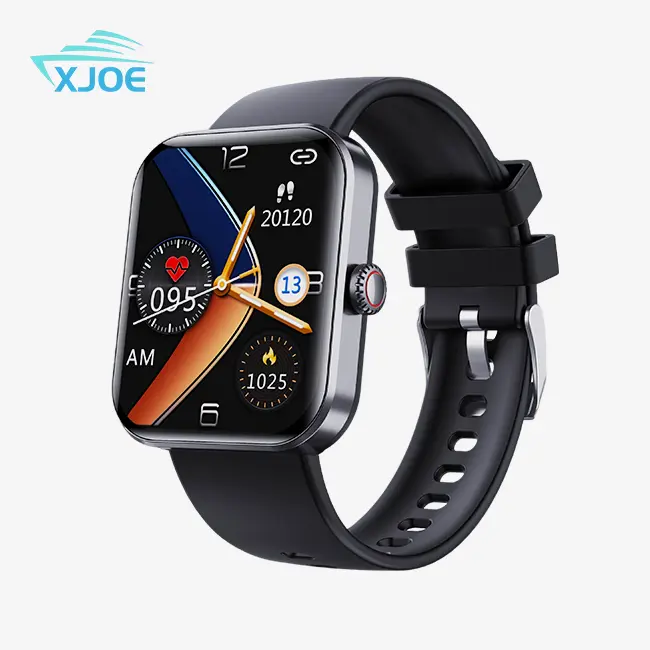
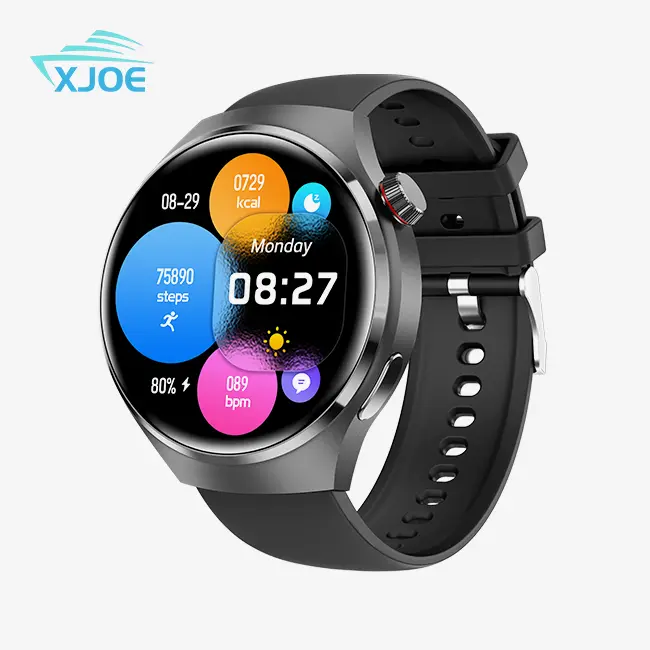
A device with a 1.53-inch high-brightness IPS screen and a size of 360x360 makes it easy to read in the middle of the day or first thing in the morning. IP67 water and dust protection keeps sweat, rain, and trail splashes out. The zinc metal chassis strikes a good mix between sturdiness and wearability, making it good for long workouts. With a 410mAh battery that can be used for multiple days and wireless charging, players don't have to worry about being interrupted often. With 28 device languages and the RDFIT app environment, these watches are perfect for foreign distributors and e-commerce brands that want to reach customers all over the world, from English-speaking North America to Arabic-speaking Middle East.
Best Practices for Using an Athletic GPS Smartwatch to Achieve Fitness Goals
Initial Setup and App Synchronization for Maximum Accuracy
It's not enough to just take the new Athletic GPS Smartwatch out of the box. When configured correctly, it can reach its full potential. Start by getting the RDFIT companion app. It's available in Hungarian, Simplified Chinese, and other languages. When pairing via Bluetooth 5.0, enter correct personal data like age, weight, height, and resting heart rate to set up formulas that will calculate your VO2 max and guess how many calories you burn.
Next, change how sport profiles look. For runners, lap alarms and pace zones might be most important, while for bicycles, cadence sensor compatibility is key. If you turn on auto-pause, activity reports will not include wait times at stoplights. When you first use the device, sync it outside under a clear sky for three to five minutes. This gives the JL7012 chip a chance to download the latest satellite orbital data, which cuts starting times in the future from minutes to seconds. When these devices are used for group exercise classes, communities should make sure that all of the units have the same settings. This will make sure that uniform data is collected so that performance can be compared.
Effective GPS Route Mapping and Activity Tracking Strategies
Multi-GNSS location works great for outdoor tasks that are always changing. When running a marathon on a new course, the runner can use the watch face's breadcrumb trails to keep from going in the wrong direction while keeping an eye on their real-time pace against their goal splits. The bright screen can still be read even when the sidewalk reflects glare from the sun in the middle of the day. This is a huge benefit during competition events where looking at dim screens wastes valuable time.
Tracking elevation is very helpful for bikers and walkers. GNSS data and barometric sensors work together to figure out the total amount of climb and fall, which helps athletes figure out how much effort they are putting in beyond just distance. Imagine a dirt biker trying to complete a century ride through rolling hills. The watch would show whether the rider is tired because of the distance or the 3,000 feet of climbing. This information helps with planning for healing and making changes to future training.
To keep the GPS working properly, don't wear the watch under coats or long sleeves that block the radio. Put it on top of your wrist, not the inside of your elbow. Update the software regularly through the RDFIT app. Manufacturers fix bugs that make tracks less smooth and improve the methods used to acquire satellites. Companies that sell these devices should include quick-start guides that stress these tips. This will cut down on customer support calls about what they think are mistakes.
Monitoring Heart Rate Zones and Analyzing Long-Term Trends
The type being shown doesn't have a heart rate tracker built in, but it does work with external chest straps via Bluetooth 5.0, which means it can provide medical-grade accuracy for zone-based training. Pairing a compatible sensor lets you get real-time feedback when you leave your goal zones. This is very important for endurance athletes building their aerobic capacity or for people who are healing from an illness and need to avoid overworking themselves.
Medical Disclaimer: Wearable devices that track heart rate are only meant to be used for health and comfort. It shouldn't be used instead of medical advice, evaluation, or treatment from a doctor. Before starting a new workout plan, you should always talk to a trained medical professional, especially if you already have heart problems.
Long-term trend analysis turns separate workouts into training stories that make sense together. Going over your weekly miles, average pace gains, and resting heart rate trends can help you spot signs of overtraining, like a rising resting pulse or worsening performance despite doing more. Coaches can combine data from multiple devices to find players who need to change their loads before they get hurt.
Wellness programs for businesses are also helpful in this way. A company that gives all 500 of its employees Athletic GPS Smartwatches can look at participation rates, average exercise length, and goal success percentages without revealing who the employees are. These measures show that health programs are worth continuing to fund and help create reward systems that get more people involved.
Battery Management and Firmware Maintenance for Sustained Performance
The device's 410mAh battery lets it power through hard multi-hour tasks, but how it's used affects how long it lasts. When you use all five GNSS systems at once (GPS, GLONASS, Galileo, and BeiDou), the battery dies faster than when you only use GPS. However, the accuracy gains make this trade-off worth it for important training sessions or races. Using accelerometer-based tracking instead of GPS for walks or gym workouts that don't need navigation saves battery life and increases idle time to several days.
Drop the watch on its charging pad overnight after a long run to make care easier. When distributors get large orders, they should keep extra charging pads on hand so that devices don't lose their accessories. Firmware changes are sent out on a regular basis through the RDFIT app. These updates may add new sport modes, improve GPS algorithms, or add more language support. By planning changes for days off, you can avoid breaks in the middle of an activity.
Setting update schedules is important for companies that manage a lot of devices, like fitness clubs that give watches to users or health monitoring systems that keep track of what patients do. This makes sure that all of the devices work the same way. Batch handling updates during off-peak hours cuts down on downtime, and version control keeps devices with different software from not being able to work together.
How Athletic GPS Smartwatches Drive ROI and Enhance Fitness Product Portfolios
Increasing Customer Engagement Through Data-Driven Personalization
Wearable tech makes exercise less of a guessing game and more of a science. An athletic GPS smartwatch turns hazy ideas, like "I should run more," into specific facts, like "I ran 18 miles per week on average last month." You can watch sports watch displays to check real-time metrics like pace and heart rate during workouts, which makes people more accountable. Fitness apps that use data from wearables send push messages to celebrate goals, suggest days to rest after hard efforts, and suggest interval workouts when performance levels stall.
Businesses make money off of this interaction. Watch compatibility is an extra feature that comes with subscription-based training platforms that charge



Best Practices to Use an Athletic GPS Smartwatch for Fitness Goals
To reach exercise goals, you need more than just inspiration. You also need smart tools and regular tracking. Runners, bikers, and other outdoor fans can get accurate training data from an Athletic GPS Smartwatch with multi-GNSS tracking. This lets them see their routes, pace, elevation, and performance measures in real time. Unlike regular fitness bands, these ones have satellite navigation, tough construction, and displays that are easy to see. This makes them essential for serious sports and exercise workers. When carefully added to training plans, they turn basic data into useful information that speeds up progress and keeps you from hitting a standstill.
Understanding Athletic GPS Smartwatches and Their Key Benefits
What Makes Multi-GNSS Positioning Essential for Outdoor Training
Single-system GPS devices don't work well in thick woods, urban canyons between towers, or mountain valleys where satellite signals bounce around or get weak. An Athletic GPS Smartwatch uses multi-GNSS technology to connect to GPS, GLONASS, Galileo, and BeiDou all at the same time. This cross-referencing feature cuts positional mistakes from 10 meters to less than 2 meters in open landscapes, so you can get accurate distance and route mapping even when buildings or trees block your view of the sky.
Think about a trail runner going up and down steep hills covered with trees. Due to signal loss, a regular GPS watch might record loops that don't make sense or understate elevation gain. A multi-GNSS device stays in sync with more than 30 satellites at once, sending accurate data that shows every turn and climb. This level of accuracy is important for athletes looking at split times, teachers planning interval sessions, and fitness brands selling gadgets with guided workouts.
Core Advantages for Fitness Tracking and Business Applications
Besides being accurate at navigation, these trackers have two other uses: they can help you improve your health and they can be used to make money. Comprehensive biometrics, such as constant heart rate tracking zones, VO2 max predictions, recovery time ideas, and sleep quality scores, are helpful for people who care about their health. Businesses also get an edge over their competitors. Corporate health programs can use branded Athletic GPS Smartwatches to keep track of how many exercise tasks employees complete, and OEM partners can change the software and packaging to make retail products stand out.
A device with a 1.53-inch high-brightness IPS screen and a size of 360x360 makes it easy to read in the middle of the day or first thing in the morning. IP67 water and dust protection keeps sweat, rain, and trail splashes out. The zinc metal chassis strikes a good mix between sturdiness and wearability, making it good for long workouts. With a 410mAh battery that can be used for multiple days and wireless charging, players don't have to worry about being interrupted often. With 28 device languages and the RDFIT app environment, these watches are perfect for foreign distributors and e-commerce brands that want to reach customers all over the world, from English-speaking North America to Arabic-speaking Middle East.
Best Practices for Using an Athletic GPS Smartwatch to Achieve Fitness Goals
Initial Setup and App Synchronization for Maximum Accuracy
It's not enough to just take the new Athletic GPS Smartwatch out of the box. When configured correctly, it can reach its full potential. Start by getting the RDFIT companion app. It's available in Hungarian, Simplified Chinese, and other languages. When pairing via Bluetooth 5.0, enter correct personal data like age, weight, height, and resting heart rate to set up formulas that will calculate your VO2 max and guess how many calories you burn.
Next, change how sport profiles look. For runners, lap alarms and pace zones might be most important, while for bicycles, cadence sensor compatibility is key. If you turn on auto-pause, activity reports will not include wait times at stoplights. When you first use the device, sync it outside under a clear sky for three to five minutes. This gives the JL7012 chip a chance to download the latest satellite orbital data, which cuts starting times in the future from minutes to seconds. When these devices are used for group exercise classes, communities should make sure that all of the units have the same settings. This will make sure that uniform data is collected so that performance can be compared.
Effective GPS Route Mapping and Activity Tracking Strategies
Multi-GNSS location works great for outdoor tasks that are always changing. When running a marathon on a new course, the runner can use the watch face's breadcrumb trails to keep from going in the wrong direction while keeping an eye on their real-time pace against their goal splits. The bright screen can still be read even when the sidewalk reflects glare from the sun in the middle of the day. This is a huge benefit during competition events where looking at dim screens wastes valuable time.
Tracking elevation is very helpful for bikers and walkers. GNSS data and barometric sensors work together to figure out the total amount of climb and fall, which helps athletes figure out how much effort they are putting in beyond just distance. Imagine a dirt biker trying to complete a century ride through rolling hills. The watch would show whether the rider is tired because of the distance or the 3,000 feet of climbing. This information helps with planning for healing and making changes to future training.
To keep the GPS working properly, don't wear the watch under coats or long sleeves that block the radio. Put it on top of your wrist, not the inside of your elbow. Update the software regularly through the RDFIT app. Manufacturers fix bugs that make tracks less smooth and improve the methods used to acquire satellites. Companies that sell these devices should include quick-start guides that stress these tips. This will cut down on customer support calls about what they think are mistakes.
Monitoring Heart Rate Zones and Analyzing Long-Term Trends
The type being shown doesn't have a heart rate tracker built in, but it does work with external chest straps via Bluetooth 5.0, which means it can provide medical-grade accuracy for zone-based training. Pairing a compatible sensor lets you get real-time feedback when you leave your goal zones. This is very important for endurance athletes building their aerobic capacity or for people who are healing from an illness and need to avoid overworking themselves.
Medical Disclaimer: Wearable devices that track heart rate are only meant to be used for health and comfort. It shouldn't be used instead of medical advice, evaluation, or treatment from a doctor. Before starting a new workout plan, you should always talk to a trained medical professional, especially if you already have heart problems.
Long-term trend analysis turns separate workouts into training stories that make sense together. Going over your weekly miles, average pace gains, and resting heart rate trends can help you spot signs of overtraining, like a rising resting pulse or worsening performance despite doing more. Coaches can combine data from multiple devices to find players who need to change their loads before they get hurt.
Wellness programs for businesses are also helpful in this way. A company that gives all 500 of its employees Athletic GPS Smartwatches can look at participation rates, average exercise length, and goal success percentages without revealing who the employees are. These measures show that health programs are worth continuing to fund and help create reward systems that get more people involved.
Battery Management and Firmware Maintenance for Sustained Performance
The device's 410mAh battery lets it power through hard multi-hour tasks, but how it's used affects how long it lasts. When you use all five GNSS systems at once (GPS, GLONASS, Galileo, and BeiDou), the battery dies faster than when you only use GPS. However, the accuracy gains make this trade-off worth it for important training sessions or races. Using accelerometer-based tracking instead of GPS for walks or gym workouts that don't need navigation saves battery life and increases idle time to several days.
Drop the watch on its charging pad overnight after a long run to make care easier. When distributors get large orders, they should keep extra charging pads on hand so that devices don't lose their accessories. Firmware changes are sent out on a regular basis through the RDFIT app. These updates may add new sport modes, improve GPS algorithms, or add more language support. By planning changes for days off, you can avoid breaks in the middle of an activity.
Setting update schedules is important for companies that manage a lot of devices, like fitness clubs that give watches to users or health monitoring systems that keep track of what patients do. This makes sure that all of the devices work the same way. Batch handling updates during off-peak hours cuts down on downtime, and version control keeps devices with different software from not being able to work together.
How Athletic GPS Smartwatches Drive ROI and Enhance Fitness Product Portfolios
Increasing Customer Engagement Through Data-Driven Personalization
Wearable tech makes exercise less of a guessing game and more of a science. An athletic GPS smartwatch turns hazy ideas, like "I should run more," into specific facts, like "I ran 18 miles per week on average last month." You can watch sports watch displays to check real-time metrics like pace and heart rate during workouts, which makes people more accountable. Fitness apps that use data from wearables send push messages to celebrate goals, suggest days to rest after hard efforts, and suggest interval workouts when performance levels stall.
Businesses make money off of this interaction. Watch compatibility is an extra feature that comes with subscription-based training platforms that charge $15 to $30 a month for personalized teaching that changes based on synced exercise data. Gyms use watch data to make challenges, with members getting points for meeting weekly step goals or GPS-tracked class attendance. According to industry standards, members who use data-tracking tools stay members 40% longer than idle users. This is because gamification makes retention more likely.
E-commerce brands also gain. When you sell an Athletic GPS Smartwatch, you start a friendship that will last. Follow-up emails offer extra bands, protection cases, and heart rate straps that work with the watch. Content marketing, like training tips that are optimized for the watch's features, makes the brand look like an expert in fitness, which increases organic search traffic and leads to repeat sales.
Supply Chain Optimization and Market Demand Alignment
Smart wholesalers make sure that their stock matches new trends. When high-intensity interval training became very popular, so did the need for watches that could track heart rate zones in great detail. At the moment, the popularity of outdoor activities like hiking, trail runs, and gravel riding puts multi-GNSS devices above types that are only used on roads. Keeping an eye on exercise groups on social media, app download trends, and new products from competitors can help you predict changes in demand.
When you work with makers that have low minimum order numbers (MOQs), you can try out new product lines without having to spend a lot of money. Before making 500 or more units, a test run of 50 units shows if a certain design or set of features is popular with customers. When you restock favorites within two weeks, you can take advantage of popular trends like TikTok fitness challenges, which made younger people interested in smartwatches all of a sudden.
Success stories from real life show what's possible. A Shopify tech store bought 200 custom-branded Athletic GPS Smartwatches from an OEM partner and gave them away as bonuses to people who signed up for a marathon training program. Each watch cost $35. When bought with a $199 six-month teaching package, they made the deal seem more valuable while still keeping the costs low. The loss-leader approach worked because program membership jumped from one year to the next and 60% of participants bought more exercise gear from the shop.

Conclusion
Learning how to use an Athletic GPS Smartwatch turns exercise goals into measurable successes by providing accurate tracking, useful information, and ongoing inspiration. Best practices make sure that these devices give you the most value, from setting them up the first time and mapping out your GPS route to watching your heart rate zones and making the most of your battery life. For business-to-business buyers, choosing smartwatches with multi-GNSS accuracy, durable construction, and global language support makes your products more competitive, whether they are buying for company health programs, store shelves, or their own brands. Long-term business success depends on working with experienced makers who offer open MOQs, quick customization, and dependable supply chains. The people who mix new ideas with smart buying will be in charge of fitness technology in the future. They will be able to use wearable data to make people healthy and businesses grow.
FAQ
1. How does multi-GNSS positioning improve accuracy compared to standard GPS?
Standard GPS only uses U.S. satellites, which may not work well in places with lots of obstructions, like urban canyons or thick woods. Multi-GNSS Athletic GPS Smartwatches connect to 30–50+ satellites instead of 8–12, allowing them to use GPS, GLONASS, Galileo, and BeiDou at the same time. This backup fixes signal problems caused by weather interference or physical obstacles, cutting location drift from 10 meters to less than 2 meters. Cross-referencing multiple systems also speeds up the initial satellite lock process. Fixes can often be made in less than 30 seconds, compared to several minutes for devices that only use one system.
2. What should business-to-business buyers look for in Athletic GPS Smartwatches for fitness programs at work?
Procurement teams should look at how accurate the GPS is for tracking activities outside, how long the battery lasts so that charging doesn't have to be stopped often, and how durable the device is (IP67+ ratings) so that it can handle a variety of use situations. Support for multiple languages in the software makes it usable for teams from around the world. Integration with fitness systems, such as through Bluetooth and partner apps like RDFIT, lets program managers collect data in one place. Long-term satisfaction and total cost of ownership are also affected by warranty terms (12 months or more), bulk price tiers, and how quickly a seller responds to technical questions.
3. Can these devices integrate with health monitoring systems used in clinical or community settings?
Yes. Athletic GPS Smartwatches that export data in standard formats (like GPX or FIT files) can connect to fitness platforms or electronic health record systems used by hospitals and community health programs. For instance, a diabetes management program might use the watch to keep track of a patient's daily step count and exercise time, connecting the amount of movement with glucose readings. The device gives fitness-related data instead of diagnostic-grade readings, but the overall trends help healthcare workers encourage lifestyle changes and make sure people stick to their exercise plans.
Partner with Xizhou for Reliable Athletic GPS Smartwatch Solutions
In the competitive world of smart tech, you need a provider that knows how to be both innovative and reliable. Xizhou is an expert in making OEM/ODM Athletic GPS Smartwatches that use cutting-edge multi-GNSS tracking and flexible branding options for Amazon sellers, resellers, and private label brands. Our experienced R&D team is always improving GPS methods, making batteries last longer, and adding more language support. Right now, our products can be used in 28 different software languages, reaching customers from Tokyo to São Paulo around the world.
We use a GMP-certified plant and have strict quality control at every stage of production. This makes sure that the products always work well and reduces the number of returns and bad reviews. Large inventories make it possible to quickly fill orders; basic configurations ship within 10 business days, and custom branding takes four weeks. Flexible MOQs work for businesses of all sizes, whether they need 50 units to test the market or 5,000 units for holiday marketing.
We offer full service in addition to tools. Our team can help you customize the firmware by pre-loading your own workout modes or connecting your fitness app. When you buy in bulk, competitive price helps you make more money, and quick technical support after the sale protects your brand's image. Full certifications make foreign shipping easier and cut down on the delays caused by customs that are frustrating for events that need to happen on time.
Are you ready to add more exercise products to your line by working with a reliable Athletic GPS Smartwatch supplier? Talk to Xizhou about your needs right away by emailing 13266508958@163.com or going to xjoec.com. Let's work together to make smarter wearable tech.
References
1. Gilmore, J. (2022). Precision in Motion: How Multi-GNSS Technology Revolutionizes Athletic Performance Tracking. Journal of Sports Technology and Innovation.
2. Anderson, P., & Chen, L. (2023). Wearable Devices in Corporate Wellness: Measuring Engagement and ROI. International Business Health Review.
3. Kowalski, T. (2021). GNSS Signal Processing and Accuracy in Challenging Environments. Navigation Systems Quarterly.
4. Martinez, S. (2023). Supply Chain Strategies for Fast-Moving Electronics: A Distributor's Guide. Global Trade and Logistics Journal.
5. Patel, R., & O'Brien, K. (2022). Heart Rate Monitoring Technologies: Accuracy, Applications, and Clinical Considerations. Sports Medicine and Health Science.
6. Thompson, M. (2023). E-Commerce Trends in Fitness Wearables: Consumer Behavior and Market Dynamics. Digital Retail Insights.






E-commerce brands also gain. When you sell an Athletic GPS Smartwatch, you start a friendship that will last. Follow-up emails offer extra bands, protection cases, and heart rate straps that work with the watch. Content marketing, like training tips that are optimized for the watch's features, makes the brand look like an expert in fitness, which increases organic search traffic and leads to repeat sales.
Supply Chain Optimization and Market Demand Alignment
Smart wholesalers make sure that their stock matches new trends. When high-intensity interval training became very popular, so did the need for watches that could track heart rate zones in great detail. At the moment, the popularity of outdoor activities like hiking, trail runs, and gravel riding puts multi-GNSS devices above types that are only used on roads. Keeping an eye on exercise groups on social media, app download trends, and new products from competitors can help you predict changes in demand.
When you work with makers that have low minimum order numbers (MOQs), you can try out new product lines without having to spend a lot of money. Before making 500 or more units, a test run of 50 units shows if a certain design or set of features is popular with customers. When you restock favorites within two weeks, you can take advantage of popular trends like TikTok fitness challenges, which made younger people interested in smartwatches all of a sudden.
Success stories from real life show what's possible. A Shopify tech store bought 200 custom-branded Athletic GPS Smartwatches from an OEM partner and gave them away as bonuses to people who signed up for a marathon training program. Each watch cost $35. When bought with a
Best Practices to Use an Athletic GPS Smartwatch for Fitness Goals
To reach exercise goals, you need more than just inspiration. You also need smart tools and regular tracking. Runners, bikers, and other outdoor fans can get accurate training data from an Athletic GPS Smartwatch with multi-GNSS tracking. This lets them see their routes, pace, elevation, and performance measures in real time. Unlike regular fitness bands, these ones have satellite navigation, tough construction, and displays that are easy to see. This makes them essential for serious sports and exercise workers. When carefully added to training plans, they turn basic data into useful information that speeds up progress and keeps you from hitting a standstill.
Understanding Athletic GPS Smartwatches and Their Key Benefits
What Makes Multi-GNSS Positioning Essential for Outdoor Training
Single-system GPS devices don't work well in thick woods, urban canyons between towers, or mountain valleys where satellite signals bounce around or get weak. An Athletic GPS Smartwatch uses multi-GNSS technology to connect to GPS, GLONASS, Galileo, and BeiDou all at the same time. This cross-referencing feature cuts positional mistakes from 10 meters to less than 2 meters in open landscapes, so you can get accurate distance and route mapping even when buildings or trees block your view of the sky.
Think about a trail runner going up and down steep hills covered with trees. Due to signal loss, a regular GPS watch might record loops that don't make sense or understate elevation gain. A multi-GNSS device stays in sync with more than 30 satellites at once, sending accurate data that shows every turn and climb. This level of accuracy is important for athletes looking at split times, teachers planning interval sessions, and fitness brands selling gadgets with guided workouts.
Core Advantages for Fitness Tracking and Business Applications
Besides being accurate at navigation, these trackers have two other uses: they can help you improve your health and they can be used to make money. Comprehensive biometrics, such as constant heart rate tracking zones, VO2 max predictions, recovery time ideas, and sleep quality scores, are helpful for people who care about their health. Businesses also get an edge over their competitors. Corporate health programs can use branded Athletic GPS Smartwatches to keep track of how many exercise tasks employees complete, and OEM partners can change the software and packaging to make retail products stand out.
A device with a 1.53-inch high-brightness IPS screen and a size of 360x360 makes it easy to read in the middle of the day or first thing in the morning. IP67 water and dust protection keeps sweat, rain, and trail splashes out. The zinc metal chassis strikes a good mix between sturdiness and wearability, making it good for long workouts. With a 410mAh battery that can be used for multiple days and wireless charging, players don't have to worry about being interrupted often. With 28 device languages and the RDFIT app environment, these watches are perfect for foreign distributors and e-commerce brands that want to reach customers all over the world, from English-speaking North America to Arabic-speaking Middle East.
Best Practices for Using an Athletic GPS Smartwatch to Achieve Fitness Goals
Initial Setup and App Synchronization for Maximum Accuracy
It's not enough to just take the new Athletic GPS Smartwatch out of the box. When configured correctly, it can reach its full potential. Start by getting the RDFIT companion app. It's available in Hungarian, Simplified Chinese, and other languages. When pairing via Bluetooth 5.0, enter correct personal data like age, weight, height, and resting heart rate to set up formulas that will calculate your VO2 max and guess how many calories you burn.
Next, change how sport profiles look. For runners, lap alarms and pace zones might be most important, while for bicycles, cadence sensor compatibility is key. If you turn on auto-pause, activity reports will not include wait times at stoplights. When you first use the device, sync it outside under a clear sky for three to five minutes. This gives the JL7012 chip a chance to download the latest satellite orbital data, which cuts starting times in the future from minutes to seconds. When these devices are used for group exercise classes, communities should make sure that all of the units have the same settings. This will make sure that uniform data is collected so that performance can be compared.
Effective GPS Route Mapping and Activity Tracking Strategies
Multi-GNSS location works great for outdoor tasks that are always changing. When running a marathon on a new course, the runner can use the watch face's breadcrumb trails to keep from going in the wrong direction while keeping an eye on their real-time pace against their goal splits. The bright screen can still be read even when the sidewalk reflects glare from the sun in the middle of the day. This is a huge benefit during competition events where looking at dim screens wastes valuable time.
Tracking elevation is very helpful for bikers and walkers. GNSS data and barometric sensors work together to figure out the total amount of climb and fall, which helps athletes figure out how much effort they are putting in beyond just distance. Imagine a dirt biker trying to complete a century ride through rolling hills. The watch would show whether the rider is tired because of the distance or the 3,000 feet of climbing. This information helps with planning for healing and making changes to future training.
To keep the GPS working properly, don't wear the watch under coats or long sleeves that block the radio. Put it on top of your wrist, not the inside of your elbow. Update the software regularly through the RDFIT app. Manufacturers fix bugs that make tracks less smooth and improve the methods used to acquire satellites. Companies that sell these devices should include quick-start guides that stress these tips. This will cut down on customer support calls about what they think are mistakes.
Monitoring Heart Rate Zones and Analyzing Long-Term Trends
The type being shown doesn't have a heart rate tracker built in, but it does work with external chest straps via Bluetooth 5.0, which means it can provide medical-grade accuracy for zone-based training. Pairing a compatible sensor lets you get real-time feedback when you leave your goal zones. This is very important for endurance athletes building their aerobic capacity or for people who are healing from an illness and need to avoid overworking themselves.
Medical Disclaimer: Wearable devices that track heart rate are only meant to be used for health and comfort. It shouldn't be used instead of medical advice, evaluation, or treatment from a doctor. Before starting a new workout plan, you should always talk to a trained medical professional, especially if you already have heart problems.
Long-term trend analysis turns separate workouts into training stories that make sense together. Going over your weekly miles, average pace gains, and resting heart rate trends can help you spot signs of overtraining, like a rising resting pulse or worsening performance despite doing more. Coaches can combine data from multiple devices to find players who need to change their loads before they get hurt.
Wellness programs for businesses are also helpful in this way. A company that gives all 500 of its employees Athletic GPS Smartwatches can look at participation rates, average exercise length, and goal success percentages without revealing who the employees are. These measures show that health programs are worth continuing to fund and help create reward systems that get more people involved.
Battery Management and Firmware Maintenance for Sustained Performance
The device's 410mAh battery lets it power through hard multi-hour tasks, but how it's used affects how long it lasts. When you use all five GNSS systems at once (GPS, GLONASS, Galileo, and BeiDou), the battery dies faster than when you only use GPS. However, the accuracy gains make this trade-off worth it for important training sessions or races. Using accelerometer-based tracking instead of GPS for walks or gym workouts that don't need navigation saves battery life and increases idle time to several days.
Drop the watch on its charging pad overnight after a long run to make care easier. When distributors get large orders, they should keep extra charging pads on hand so that devices don't lose their accessories. Firmware changes are sent out on a regular basis through the RDFIT app. These updates may add new sport modes, improve GPS algorithms, or add more language support. By planning changes for days off, you can avoid breaks in the middle of an activity.
Setting update schedules is important for companies that manage a lot of devices, like fitness clubs that give watches to users or health monitoring systems that keep track of what patients do. This makes sure that all of the devices work the same way. Batch handling updates during off-peak hours cuts down on downtime, and version control keeps devices with different software from not being able to work together.
How Athletic GPS Smartwatches Drive ROI and Enhance Fitness Product Portfolios
Increasing Customer Engagement Through Data-Driven Personalization
Wearable tech makes exercise less of a guessing game and more of a science. An athletic GPS smartwatch turns hazy ideas, like "I should run more," into specific facts, like "I ran 18 miles per week on average last month." You can watch sports watch displays to check real-time metrics like pace and heart rate during workouts, which makes people more accountable. Fitness apps that use data from wearables send push messages to celebrate goals, suggest days to rest after hard efforts, and suggest interval workouts when performance levels stall.
Businesses make money off of this interaction. Watch compatibility is an extra feature that comes with subscription-based training platforms that charge $15 to $30 a month for personalized teaching that changes based on synced exercise data. Gyms use watch data to make challenges, with members getting points for meeting weekly step goals or GPS-tracked class attendance. According to industry standards, members who use data-tracking tools stay members 40% longer than idle users. This is because gamification makes retention more likely.
E-commerce brands also gain. When you sell an Athletic GPS Smartwatch, you start a friendship that will last. Follow-up emails offer extra bands, protection cases, and heart rate straps that work with the watch. Content marketing, like training tips that are optimized for the watch's features, makes the brand look like an expert in fitness, which increases organic search traffic and leads to repeat sales.
Supply Chain Optimization and Market Demand Alignment
Smart wholesalers make sure that their stock matches new trends. When high-intensity interval training became very popular, so did the need for watches that could track heart rate zones in great detail. At the moment, the popularity of outdoor activities like hiking, trail runs, and gravel riding puts multi-GNSS devices above types that are only used on roads. Keeping an eye on exercise groups on social media, app download trends, and new products from competitors can help you predict changes in demand.
When you work with makers that have low minimum order numbers (MOQs), you can try out new product lines without having to spend a lot of money. Before making 500 or more units, a test run of 50 units shows if a certain design or set of features is popular with customers. When you restock favorites within two weeks, you can take advantage of popular trends like TikTok fitness challenges, which made younger people interested in smartwatches all of a sudden.
Success stories from real life show what's possible. A Shopify tech store bought 200 custom-branded Athletic GPS Smartwatches from an OEM partner and gave them away as bonuses to people who signed up for a marathon training program. Each watch cost $35. When bought with a $199 six-month teaching package, they made the deal seem more valuable while still keeping the costs low. The loss-leader approach worked because program membership jumped from one year to the next and 60% of participants bought more exercise gear from the shop.
Conclusion
Learning how to use an Athletic GPS Smartwatch turns exercise goals into measurable successes by providing accurate tracking, useful information, and ongoing inspiration. Best practices make sure that these devices give you the most value, from setting them up the first time and mapping out your GPS route to watching your heart rate zones and making the most of your battery life. For business-to-business buyers, choosing smartwatches with multi-GNSS accuracy, durable construction, and global language support makes your products more competitive, whether they are buying for company health programs, store shelves, or their own brands. Long-term business success depends on working with experienced makers who offer open MOQs, quick customization, and dependable supply chains. The people who mix new ideas with smart buying will be in charge of fitness technology in the future. They will be able to use wearable data to make people healthy and businesses grow.
FAQ
1. How does multi-GNSS positioning improve accuracy compared to standard GPS?
Standard GPS only uses U.S. satellites, which may not work well in places with lots of obstructions, like urban canyons or thick woods. Multi-GNSS Athletic GPS Smartwatches connect to 30–50+ satellites instead of 8–12, allowing them to use GPS, GLONASS, Galileo, and BeiDou at the same time. This backup fixes signal problems caused by weather interference or physical obstacles, cutting location drift from 10 meters to less than 2 meters. Cross-referencing multiple systems also speeds up the initial satellite lock process. Fixes can often be made in less than 30 seconds, compared to several minutes for devices that only use one system.
2. What should business-to-business buyers look for in Athletic GPS Smartwatches for fitness programs at work?
Procurement teams should look at how accurate the GPS is for tracking activities outside, how long the battery lasts so that charging doesn't have to be stopped often, and how durable the device is (IP67+ ratings) so that it can handle a variety of use situations. Support for multiple languages in the software makes it usable for teams from around the world. Integration with fitness systems, such as through Bluetooth and partner apps like RDFIT, lets program managers collect data in one place. Long-term satisfaction and total cost of ownership are also affected by warranty terms (12 months or more), bulk price tiers, and how quickly a seller responds to technical questions.
3. Can these devices integrate with health monitoring systems used in clinical or community settings?
Yes. Athletic GPS Smartwatches that export data in standard formats (like GPX or FIT files) can connect to fitness platforms or electronic health record systems used by hospitals and community health programs. For instance, a diabetes management program might use the watch to keep track of a patient's daily step count and exercise time, connecting the amount of movement with glucose readings. The device gives fitness-related data instead of diagnostic-grade readings, but the overall trends help healthcare workers encourage lifestyle changes and make sure people stick to their exercise plans.
Partner with Xizhou for Reliable Athletic GPS Smartwatch Solutions
In the competitive world of smart tech, you need a provider that knows how to be both innovative and reliable. Xizhou is an expert in making OEM/ODM Athletic GPS Smartwatches that use cutting-edge multi-GNSS tracking and flexible branding options for Amazon sellers, resellers, and private label brands. Our experienced R&D team is always improving GPS methods, making batteries last longer, and adding more language support. Right now, our products can be used in 28 different software languages, reaching customers from Tokyo to São Paulo around the world.
We use a GMP-certified plant and have strict quality control at every stage of production. This makes sure that the products always work well and reduces the number of returns and bad reviews. Large inventories make it possible to quickly fill orders; basic configurations ship within 10 business days, and custom branding takes four weeks. Flexible MOQs work for businesses of all sizes, whether they need 50 units to test the market or 5,000 units for holiday marketing.
We offer full service in addition to tools. Our team can help you customize the firmware by pre-loading your own workout modes or connecting your fitness app. When you buy in bulk, competitive price helps you make more money, and quick technical support after the sale protects your brand's image. Full certifications make foreign shipping easier and cut down on the delays caused by customs that are frustrating for events that need to happen on time.
Are you ready to add more exercise products to your line by working with a reliable Athletic GPS Smartwatch supplier? Talk to Xizhou about your needs right away by emailing 13266508958@163.com or going to xjoec.com. Let's work together to make smarter wearable tech.
References
1. Gilmore, J. (2022). Precision in Motion: How Multi-GNSS Technology Revolutionizes Athletic Performance Tracking. Journal of Sports Technology and Innovation.
2. Anderson, P., & Chen, L. (2023). Wearable Devices in Corporate Wellness: Measuring Engagement and ROI. International Business Health Review.
3. Kowalski, T. (2021). GNSS Signal Processing and Accuracy in Challenging Environments. Navigation Systems Quarterly.
4. Martinez, S. (2023). Supply Chain Strategies for Fast-Moving Electronics: A Distributor's Guide. Global Trade and Logistics Journal.
5. Patel, R., & O'Brien, K. (2022). Heart Rate Monitoring Technologies: Accuracy, Applications, and Clinical Considerations. Sports Medicine and Health Science.
6. Thompson, M. (2023). E-Commerce Trends in Fitness Wearables: Consumer Behavior and Market Dynamics. Digital Retail Insights.
Conclusion
Learning how to use an Athletic GPS Smartwatch turns exercise goals into measurable successes by providing accurate tracking, useful information, and ongoing inspiration. Best practices make sure that these devices give you the most value, from setting them up the first time and mapping out your GPS route to watching your heart rate zones and making the most of your battery life. For business-to-business buyers, choosing smartwatches with multi-GNSS accuracy, durable construction, and global language support makes your products more competitive, whether they are buying for company health programs, store shelves, or their own brands. Long-term business success depends on working with experienced makers who offer open MOQs, quick customization, and dependable supply chains. The people who mix new ideas with smart buying will be in charge of fitness technology in the future. They will be able to use wearable data to make people healthy and businesses grow.
FAQ
1. How does multi-GNSS positioning improve accuracy compared to standard GPS?
Standard GPS only uses U.S. satellites, which may not work well in places with lots of obstructions, like urban canyons or thick woods. Multi-GNSS Athletic GPS Smartwatches connect to 30–50+ satellites instead of 8–12, allowing them to use GPS, GLONASS, Galileo, and BeiDou at the same time. This backup fixes signal problems caused by weather interference or physical obstacles, cutting location drift from 10 meters to less than 2 meters. Cross-referencing multiple systems also speeds up the initial satellite lock process. Fixes can often be made in less than 30 seconds, compared to several minutes for devices that only use one system.
2. What should business-to-business buyers look for in Athletic GPS Smartwatches for fitness programs at work?
Procurement teams should look at how accurate the GPS is for tracking activities outside, how long the battery lasts so that charging doesn't have to be stopped often, and how durable the device is (IP67+ ratings) so that it can handle a variety of use situations. Support for multiple languages in the software makes it usable for teams from around the world. Integration with fitness systems, such as through Bluetooth and partner apps like RDFIT, lets program managers collect data in one place. Long-term satisfaction and total cost of ownership are also affected by warranty terms (12 months or more), bulk price tiers, and how quickly a seller responds to technical questions.
3. Can these devices integrate with health monitoring systems used in clinical or community settings?
Yes. Athletic GPS Smartwatches that export data in standard formats (like GPX or FIT files) can connect to fitness platforms or electronic health record systems used by hospitals and community health programs. For instance, a diabetes management program might use the watch to keep track of a patient's daily step count and exercise time, connecting the amount of movement with glucose readings. The device gives fitness-related data instead of diagnostic-grade readings, but the overall trends help healthcare workers encourage lifestyle changes and make sure people stick to their exercise plans.
Partner with Xizhou for Reliable Athletic GPS Smartwatch Solutions
In the competitive world of smart tech, you need a provider that knows how to be both innovative and reliable. Xizhou is an expert in making OEM/ODM Athletic GPS Smartwatches that use cutting-edge multi-GNSS tracking and flexible branding options for Amazon sellers, resellers, and private label brands. Our experienced R&D team is always improving GPS methods, making batteries last longer, and adding more language support. Right now, our products can be used in 28 different software languages, reaching customers from Tokyo to São Paulo around the world.
We use a GMP-certified plant and have strict quality control at every stage of production. This makes sure that the products always work well and reduces the number of returns and bad reviews. Large inventories make it possible to quickly fill orders; basic configurations ship within 10 business days, and custom branding takes four weeks. Flexible MOQs work for businesses of all sizes, whether they need 50 units to test the market or 5,000 units for holiday marketing.
We offer full service in addition to tools. Our team can help you customize the firmware by pre-loading your own workout modes or connecting your fitness app. When you buy in bulk, competitive price helps you make more money, and quick technical support after the sale protects your brand's image. Full certifications make foreign shipping easier and cut down on the delays caused by customs that are frustrating for events that need to happen on time.
Are you ready to add more exercise products to your line by working with a reliable Athletic GPS Smartwatch supplier? Talk to Xizhou about your needs right away by emailing 13266508958@163.com or going to xjoec.com. Let's work together to make smarter wearable tech.
References
1. Gilmore, J. (2022). Precision in Motion: How Multi-GNSS Technology Revolutionizes Athletic Performance Tracking. Journal of Sports Technology and Innovation.
2. Anderson, P., & Chen, L. (2023). Wearable Devices in Corporate Wellness: Measuring Engagement and ROI. International Business Health Review.
3. Kowalski, T. (2021). GNSS Signal Processing and Accuracy in Challenging Environments. Navigation Systems Quarterly.
4. Martinez, S. (2023). Supply Chain Strategies for Fast-Moving Electronics: A Distributor's Guide. Global Trade and Logistics Journal.
5. Patel, R., & O'Brien, K. (2022). Heart Rate Monitoring Technologies: Accuracy, Applications, and Clinical Considerations. Sports Medicine and Health Science.
6. Thompson, M. (2023). E-Commerce Trends in Fitness Wearables: Consumer Behavior and Market Dynamics. Digital Retail Insights.