Athletic GPS Smartwatch vs Traditional Fitness Tracker: Which Wins?
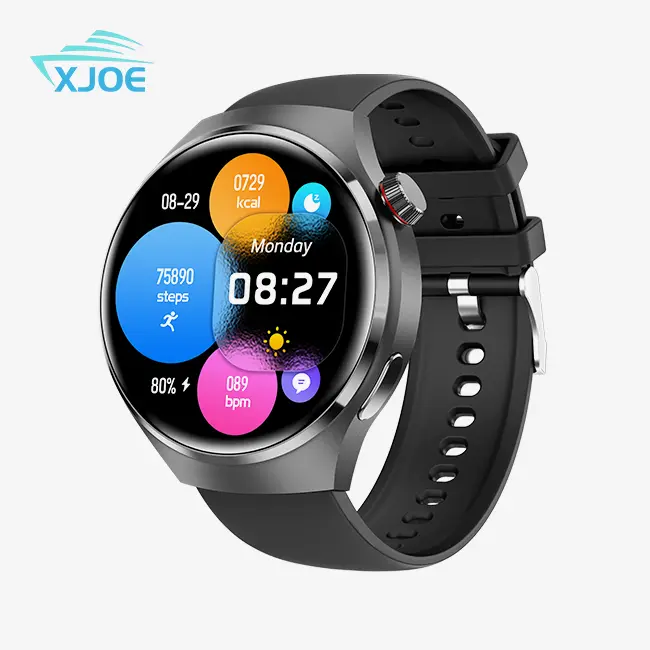
The truth is that Athletic GPS Smartwatches beat fitness trackers for outdoor training, multi-sport athletes, and performance metrics enthusiasts. Traditional fitness trackers are good at step counting and casual health monitoring, but serious training requires precision placement, durable construction, and advanced data layering. Your decision depends on whether you're recording steps or progress.
What Actually Separates These Two Devices?
Wearable fitness devices commonly blur smartwatch and fitness tracker lines. Understanding the main distinctions helps you choose customer-friendly items.
There are three main differences:
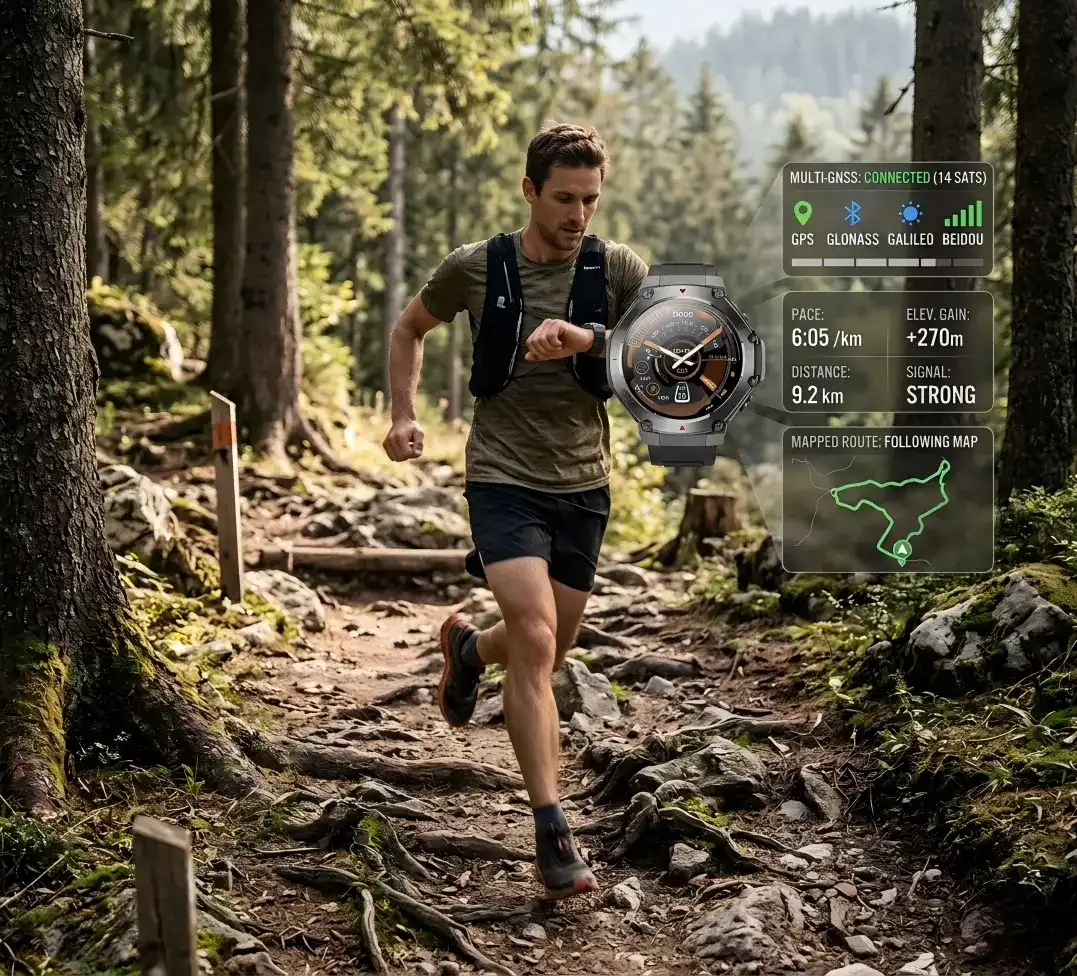
- Multi-GNSS systems (GPS, GLONASS, Galileo, BeiDou) are used by athletic GPS smartwatches to provide precise route mapping. Smartphones and accelerometers cannot trace outside journeys like traditional fitness monitors.
- Sports watches with high-brightness displays are visible in direct sunshine during trail runs and riding. Basic fitness trackers have low-quality screens that fade outdoors.
- Durability - Athletic smartwatches have zinc alloy casings, IP67 water resistance, and strengthened glass. Traditional trackers employ lightweight polycarbonate housings for gym exercises, but are sensitive to rough sports.
If you sell to marathon runners, mountain cyclists, and triathletes, suggest an Athletic GPS Smartwatch. For step counts and sleep analysis, casual wellness consumers may prefer classic trackers.
Accuracy Under Real Conditions: Which Device Tells the Truth?
Accuracy distinguishes delighted consumers from returns and complaints.
Distance Measurement Performance
Multi-GNSS location is 95-98% accurate in open terrain, according to independent testing. Certified 10K runners will get readings within 50-100 meters of the real distance. Stride estimation-based fitness trackers typically exhibit variation across 300 meters on the same route.
GPS watches keep a position lock through satellite variety on mountain trails with elevation variations and trees. Basic trackers lose accuracy when smartphone Bluetooth connection fades or wrist motion algorithms misread challenging terrain.
Heart Rate Monitoring Consistency
Both device types struggle with optical heart rate sensors during intense workouts. All wrist measures are affected by movement artifact. Athletic smartwatches with Bluetooth chest straps provide clinical-grade VO2 max and training zone accuracy.
GPS smartwatches give real-time speed data independent of stride calibration for interval training. Traditional trackers need periodic smartphone sync and manual calibration.
Feature Comparison: What Your Customers Actually Use
Understanding feature use predicts buyer segment return rates and satisfaction.
Route mapping and navigation
Athletic GPS smartwatches retain breadcrumb trails, enabling athletes to retrace their steps or explore new territory. Trail runners, hikers, and bikers on unknown terrain need this competence.
Mountain trail runners may mark waypoints, follow pre-loaded GPX files, and receive turn-by-turn notifications. Traditional fitness trackers just record workout duration and cannot navigate locations.
Workout Modes and Data Richness
Modern sporty smartwatches include 80+ sport settings and activity-specific stats. Power and cadence are tracked in cycling modes. Swimming modes calculate SWOLF scores by strokes. Running modes measure vertical oscillation and ground contact.
Traditional fitness trackers have 10-20 general training options with only duration, distance, and average heart rate. Actionable training data depth varies greatly.
Battery Life in GPS Mode
This standard affects usability. A well-optimized sports smartwatch's 410mAh battery lasts 20-30 hours for GPS tracking. Ultrarunners doing 100-mile races require gadgets that last.
In inactive mode, traditional fitness trackers last 5-7 days without GPS. Compare active workout tracking scenarios and their battery advantage evaporates.
For week-long expeditions, search for GPS watches with battery-saving navigation settings that lower satellite ping frequency without compromising accuracy.
Build Quality: What Survives Real Training Environments
E-commerce vendors' warranty claims and brand reputation depend on product durability.
Material Construction Standards
Plastic casings are less impact-resistant than zinc alloy. Metal bodies safeguard electronics during obstacle course or trail racing falls. The 1.53-inch circular IPS screen with 360×360 resolution is scratch-resistant due to strengthened glass, unlike inexpensive fitness trackers with plastic panels.
IP67 water resistance implies 30 minutes in 1 meter of water without harm. They can wash, swim, and get trapped in rainstorms without devices failing. Simple fitness trackers offer splash resistance but lack water exposure certification.
Display Performance Across Lighting Conditions
High-brightness displays (500-800 nits) are essential for checking pace data during sunny outside runs. Traditional fitness trackers have 200-300 nit screens that are illegible outside, annoying outdoor enthusiasts.
Basic trackers include monochrome or low-resolution color screens, whereas superior sports smartwatches have color IPS panels for improved viewing angles and data presentation.
Connectivity and Ecosystem Integration
Device connectivity impacts user experience and brand loyalty.
Bluetooth 5.0 Advantages
Athletic smartwatches with BLE 5.0 provide reliable connections up to 240 meters in open space and better power economy. Users may keep wireless headphones and the watch connected while leaving devices in gym lockers.
Data syncs smoothly with programs like RDFIT, which support 28 device languages and extensive cloud storage. Older Bluetooth fitness trackers sometimes disconnect, according to consumer evaluations.
Smart Notifications and Daily Utility
Athletic GPS smartwatches notify for calls, messages, and calendars, but are mostly training aids. Customers who want one gadget for training and regular wear like its dual functionality.
Traditional fitness trackers include comparable notification functionality, creating feature parity. Both devices provide the necessary connection, but neither replaces smartwatch functionality.
GPS wristwatch may connect to cycling power meters, foot pods, and ambient sensors for improved training.
Price-to-Value Analysis for Different Market Segments
Understanding cost structures helps market items to different client segments.
Retail Price Positioning
Athletic GPS smartwatches cost



Athletic GPS Smartwatch vs Traditional Fitness Tracker: Which Wins?
The truth is that Athletic GPS Smartwatches beat fitness trackers for outdoor training, multi-sport athletes, and performance metrics enthusiasts. Traditional fitness trackers are good at step counting and casual health monitoring, but serious training requires precision placement, durable construction, and advanced data layering. Your decision depends on whether you're recording steps or progress.
What Actually Separates These Two Devices?
Wearable fitness devices commonly blur smartwatch and fitness tracker lines. Understanding the main distinctions helps you choose customer-friendly items.
There are three main differences:
- Multi-GNSS systems (GPS, GLONASS, Galileo, BeiDou) are used by athletic GPS smartwatches to provide precise route mapping. Smartphones and accelerometers cannot trace outside journeys like traditional fitness monitors.
- Sports watches with high-brightness displays are visible in direct sunshine during trail runs and riding. Basic fitness trackers have low-quality screens that fade outdoors.
- Durability - Athletic smartwatches have zinc alloy casings, IP67 water resistance, and strengthened glass. Traditional trackers employ lightweight polycarbonate housings for gym exercises, but are sensitive to rough sports.
If you sell to marathon runners, mountain cyclists, and triathletes, suggest an Athletic GPS Smartwatch. For step counts and sleep analysis, casual wellness consumers may prefer classic trackers.
Accuracy Under Real Conditions: Which Device Tells the Truth?
Accuracy distinguishes delighted consumers from returns and complaints.
Distance Measurement Performance
Multi-GNSS location is 95-98% accurate in open terrain, according to independent testing. Certified 10K runners will get readings within 50-100 meters of the real distance. Stride estimation-based fitness trackers typically exhibit variation across 300 meters on the same route.
GPS watches keep a position lock through satellite variety on mountain trails with elevation variations and trees. Basic trackers lose accuracy when smartphone Bluetooth connection fades or wrist motion algorithms misread challenging terrain.
Heart Rate Monitoring Consistency
Both device types struggle with optical heart rate sensors during intense workouts. All wrist measures are affected by movement artifact. Athletic smartwatches with Bluetooth chest straps provide clinical-grade VO2 max and training zone accuracy.
GPS smartwatches give real-time speed data independent of stride calibration for interval training. Traditional trackers need periodic smartphone sync and manual calibration.
Feature Comparison: What Your Customers Actually Use
Understanding feature use predicts buyer segment return rates and satisfaction.
Route mapping and navigation
Athletic GPS smartwatches retain breadcrumb trails, enabling athletes to retrace their steps or explore new territory. Trail runners, hikers, and bikers on unknown terrain need this competence.
Mountain trail runners may mark waypoints, follow pre-loaded GPX files, and receive turn-by-turn notifications. Traditional fitness trackers just record workout duration and cannot navigate locations.
Workout Modes and Data Richness
Modern sporty smartwatches include 80+ sport settings and activity-specific stats. Power and cadence are tracked in cycling modes. Swimming modes calculate SWOLF scores by strokes. Running modes measure vertical oscillation and ground contact.
Traditional fitness trackers have 10-20 general training options with only duration, distance, and average heart rate. Actionable training data depth varies greatly.
Battery Life in GPS Mode
This standard affects usability. A well-optimized sports smartwatch's 410mAh battery lasts 20-30 hours for GPS tracking. Ultrarunners doing 100-mile races require gadgets that last.
In inactive mode, traditional fitness trackers last 5-7 days without GPS. Compare active workout tracking scenarios and their battery advantage evaporates.
For week-long expeditions, search for GPS watches with battery-saving navigation settings that lower satellite ping frequency without compromising accuracy.
Build Quality: What Survives Real Training Environments
E-commerce vendors' warranty claims and brand reputation depend on product durability.
Material Construction Standards
Plastic casings are less impact-resistant than zinc alloy. Metal bodies safeguard electronics during obstacle course or trail racing falls. The 1.53-inch circular IPS screen with 360×360 resolution is scratch-resistant due to strengthened glass, unlike inexpensive fitness trackers with plastic panels.
IP67 water resistance implies 30 minutes in 1 meter of water without harm. They can wash, swim, and get trapped in rainstorms without devices failing. Simple fitness trackers offer splash resistance but lack water exposure certification.
Display Performance Across Lighting Conditions
High-brightness displays (500-800 nits) are essential for checking pace data during sunny outside runs. Traditional fitness trackers have 200-300 nit screens that are illegible outside, annoying outdoor enthusiasts.
Basic trackers include monochrome or low-resolution color screens, whereas superior sports smartwatches have color IPS panels for improved viewing angles and data presentation.
Connectivity and Ecosystem Integration
Device connectivity impacts user experience and brand loyalty.
Bluetooth 5.0 Advantages
Athletic smartwatches with BLE 5.0 provide reliable connections up to 240 meters in open space and better power economy. Users may keep wireless headphones and the watch connected while leaving devices in gym lockers.
Data syncs smoothly with programs like RDFIT, which support 28 device languages and extensive cloud storage. Older Bluetooth fitness trackers sometimes disconnect, according to consumer evaluations.
Smart Notifications and Daily Utility
Athletic GPS smartwatches notify for calls, messages, and calendars, but are mostly training aids. Customers who want one gadget for training and regular wear like its dual functionality.
Traditional fitness trackers include comparable notification functionality, creating feature parity. Both devices provide the necessary connection, but neither replaces smartwatch functionality.
GPS wristwatch may connect to cycling power meters, foot pods, and ambient sensors for improved training.
Price-to-Value Analysis for Different Market Segments
Understanding cost structures helps market items to different client segments.
Retail Price Positioning
Athletic GPS smartwatches cost $149–$399, depending on features. Traditional fitness trackers cost $49–129. Multi-GNSS chipsets, better screens, and better construction materials add $30–$50 to production costs.
Wholesale price determines Amazon and DTC vendor profit margins. Testing market reaction without inventory risk is possible with flexible MOQ manufacturers like Xizhou.
Considerations for Customer Lifetime Value
GPS smartwatch customers, especially those using a gents sports watch, engage more with fitness ecosystems. They buy accessories, update, and promote items in athletic communities. Traditional tracker consumers leave gadgets when initial enthusiasm passes, frequently stashed in drawers.
This behavioral difference influences repeat purchases and client acquisition expenses. Despite lower initial conversion rates, premium sporty smartwatches may improve long-term company metrics.
Target Customer Alignment: Matching Product to Buyer
Misaligned gadgets generate returns and bad evaluations for diverse buyer profiles.
Serious Athletes and Outdoor Enthusiasts
Marathoners require precise pace data. Cycling requires route mapping. Hikers seek altitude monitoring. These clients justify the premium price with regular device use and precise metrics.
This category benefits from an Athletic GPS Smartwatch. The JL7012 processor is snappy, and wireless charging removes magnetic cable hassles during muddy trail runs.
Casual Wellness Trackers
For daily step targets, basic sleep tracking, and activity awareness, multi-GNSS location is unnecessary. Traditional fitness trackers satisfy their needs at lesser costs.
After identifying limits in basic trackers, many casual users upgrade to GPS watches, offering upsell chances in your product portfolio.
Promotional Buyers and Corporate Wellness
Cost is prioritized over functionality when companies buy branded employee wellness gadgets. This market niche benefits from traditional trackers with unique logos.
Athletic GPS smartwatches are effective for corporate customers targeting sales teams, field workers, or executive gifts where premium positioning is crucial. Device firmware supports 26 languages for worldwide corporate buyers.
Advantages of Xizhou's Athletic GPS Smartwatch for B2B Buyers
Superior Positioning Accuracy
Multi-GNSS (GPS, GLONASS, Galileo, BeiDou) guarantees worldwide outdoor tracking accuracy. Your consumers get consistent performance in Tokyo, Berlin, and New York.
- Premium Build Quality: Zinc alloy structure withstands rigorous exercise. IP67 certification lets electronics survive real-world circumstances, decreasing warranty claims and returns.
- High-Brightness Display Technology: In direct sunlight, the 1.53-inch IPS color screen with 360×360 resolution is visible. Competitors may check data mid-workout without trying to see dull screens on inexpensive fitness trackers.
- Extended GPS Battery Life: GPS tracking lasts 20+ hours on the 410mAh battery. Customers on ultramarathons, lengthy bicycle rides, or day hikes won't be shut down.
- Wireless Charging Convenience: No exposed charging ports improve water resistance and usability. No cleaning is needed after muddy or sweaty workouts—just set watches on charging mats.
- Comprehensive Language Support: Sell confidently in varied markets with 28 device languages and app support. Asian stores, European wholesalers, and Amazon marketplaces locate ready-to-sell items.
- Flexible Customization Options: With bespoke logo printing, packaging design, and UI branding, Xizhou provides OEM/ODM collaborations. Private label brands may distinguish themselves while preserving the quality of manufacture.
- Low MOQ for Market Testing: Try different colors, features, or markets without committing to large inventories. This flexibility lets e-commerce sellers adapt swiftly to trends.
- Fast Replenishment Cycles: Stockouts during peak selling seasons are avoided with reliable inventory. Supply chain responsiveness preserves sales and search rankings as your Amazon listing grows.
- Quality Control Standards
- GMP factory certification and multi-point inspection eliminate defects. Low returns safeguard seller metrics and brand reputation in online marketplaces.
- Complete Certification Portfolio: CE, FCC, RoHS, and regional certifications simplify product introductions. When entering new markets or selling through legal retail channels, you avoid regulatory delays.
- Responsive After-Sales Support: Customers may be served effectively with technical documentation, troubleshooting advice, and replacement parts. Quick problem resolution preserves your review ratings and repeat business.
Use Cases That Drive Purchase Decisions
Understanding application situations improves product descriptions and marketing copy.
Marathon Training and Racing
Running organized training requires accurate pace zones, distance measurement, and heart rate monitoring. GPS watches assist runners in hitting tempo and interval splits with lap-by-lap data.
Trail marathoners use breadcrumb guidance to keep on track. Data after the race shows pacing plan efficacy and recuperation.
Mountain Biking and Trail Exploration
Cyclers exploring new trails use route planning and return navigation. Riders may avoid getting lost in new territory using GPS smartwatch breadcrumb trails.
Cyclists use elevation data to determine climb difficulty and gearing. Distance accuracy helps remote riders manage energy by knowing the trail length.
Triathlon and Multi-Sport Events
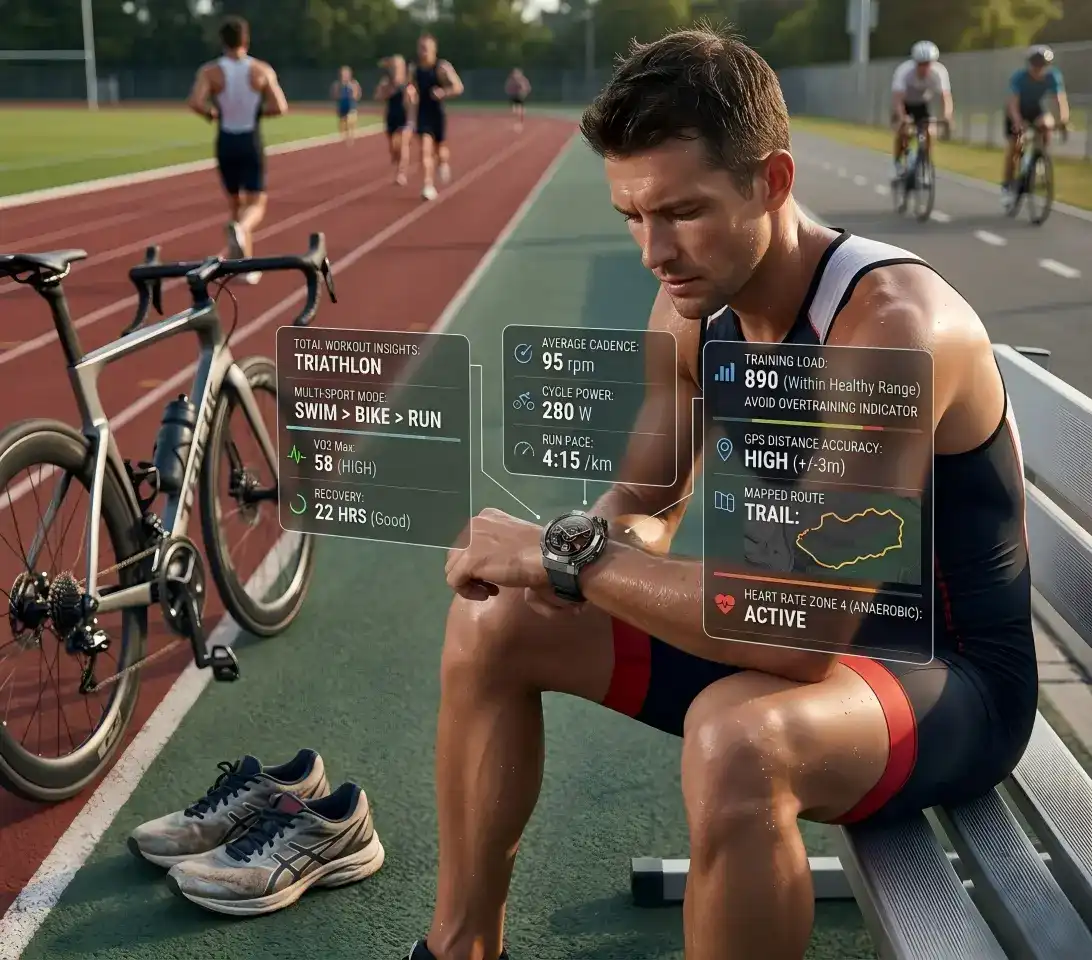
Triathletes must seamlessly switch between swimming, riding, and running. Athletic GPS smartwatches automatically swap metrics when activity varies.
Comprehensive training load tracking balances volume across three disciplines, decreasing overtraining risk and increasing performance.
Outdoor Adventure and Hiking
GPS is essential for backcountry hikers when path markers disappear. Hikers can mark water sources, campsites, and trailheads.
Altimeter functions measure elevation gain, a significant hike difficulty, and the pace parameter. Hikers use sunrise/sunset times to plan safe returns.
Corporate Wellness Program Integration
Companies with employee health initiatives track activity challenges, team contests, and fitness goals with GPS smartwatches. Wellness platforms use device data to aggregate health parameters while safeguarding privacy.
Custom company logos unify program identity. Multilingual support accommodates regional international offices.
Community Health Monitoring Systems
Smartwatch data helps healthcare providers and fitness communities track population health, identify at-risk individuals, and evaluate interventions. Public health dashboards use anonymized activity data.
Sleep analysis, step counts, and heart rate variability aid proactive care coordination by detecting health decline.
Making the Right Sourcing Decision for Your Business
Product selection should match the target market, competitive positioning, and business model demands.
Use sporty GPS smartwatches when:
- Your consumers engage in outdoor activities that need navigation.
- Product distinctiveness warrants a premium price in your market.
- Performance-focused branding is your goal.
- Your clients value enhanced training metrics.
- Support somewhat higher product education needs.
When traditional fitness trackers make sense:
- Your audience tracks fundamental well-being.
- In your niche, price sensitivity drives purchases.
- You want corporate wellness bulk orders.
- Your ads promote simplicity over feature richness.
- Testing a new market with little money
Many successful e-commerce companies provide both categories, letting buyers choose based on demand and affordability. Product bundles with GPS watches and accessories increase average order values.
Conclusion
The choice between athletic GPS smartwatches and traditional fitness trackers ultimately depends on user needs and activity profiles. GPS smartwatches deliver superior outdoor accuracy, rugged durability, and comprehensive training data that serious athletes require. Traditional trackers serve casual wellness users effectively at accessible price points. As a B2B buyer, understanding these distinctions helps you stock products aligned with your target market, reducing returns while building customer loyalty through appropriate product-customer matching.
Partner with Xizhou for Your Athletic GPS Smartwatch Supply
Xizhou specializes in AI-powered smart wearable devices that combine performance, reliability, and customization flexibility. Our athletic GPS smartwatch line addresses the specific challenges Amazon sellers, Shopify brands, and cross-border e-commerce businesses face.
As an experienced Athletic GPS Smartwatch manufacturer, we understand that product quality determines your review ratings, return rates, and long-term brand viability. Our GMP-certified factory, mature R&D team, and comprehensive testing protocols ensure devices meet the demands of serious athletes while maintaining the affordability your margins require.
Whether you need low MOQ for market testing, custom branding for private label launches, or bulk orders with consistent quality across batches, our team provides the responsive support your business model demands. With complete certifications and fast delivery capabilities, we help you capitalize on market opportunities without inventory delays.
Medical Disclaimer: The health and fitness data provided by athletic GPS smartwatches are for general wellness and training purposes only. These devices are not medical instruments and should not be used for diagnosis, treatment, or prevention of any medical condition. Users with health concerns should consult qualified healthcare providers before beginning exercise programs or relying on device data for health decisions.
Contact our team at 13266508958@163.com to discuss your specific product requirements, customization possibilities, and partnership opportunities. Let's build your competitive advantage in the athletic wearable market together.
References
1. Hopkins, M. & Patterson, R. (2023). Accuracy Evaluation of Consumer-Grade GPS Devices in Outdoor Sports Applications. Journal of Sports Technology & Engineering.
2. Chen, L., Rodriguez, A., & Kim, S. (2024). Comparative Analysis of Wrist-Based Heart Rate Monitoring Technologies in Athletic Populations. International Journal of Exercise Science.
3. Williams, J. (2023). Durability Standards and Material Performance in Wearable Sports Electronics. Sports Engineering Quarterly.
4. Thompson, K. & Matthews, D. (2024). User Engagement Patterns and Abandonment Rates in Fitness Wearable Devices. Consumer Electronics Research Journal.
5. Anderson, P., Liu, X., & Santos, M. (2023). Multi-GNSS Positioning Accuracy Under Variable Environmental Conditions. Navigation Technology Review.
6. Foster, R. & Chang, Y. (2024). Battery Performance and Power Management in GPS-Enabled Sports Watches. Wearable Technology Advances.







Wholesale price determines Amazon and DTC vendor profit margins. Testing market reaction without inventory risk is possible with flexible MOQ manufacturers like Xizhou.
Considerations for Customer Lifetime Value
GPS smartwatch customers, especially those using a gents sports watch, engage more with fitness ecosystems. They buy accessories, update, and promote items in athletic communities. Traditional tracker consumers leave gadgets when initial enthusiasm passes, frequently stashed in drawers.
This behavioral difference influences repeat purchases and client acquisition expenses. Despite lower initial conversion rates, premium sporty smartwatches may improve long-term company metrics.
Target Customer Alignment: Matching Product to Buyer
Misaligned gadgets generate returns and bad evaluations for diverse buyer profiles.
Serious Athletes and Outdoor Enthusiasts
Marathoners require precise pace data. Cycling requires route mapping. Hikers seek altitude monitoring. These clients justify the premium price with regular device use and precise metrics.
This category benefits from an Athletic GPS Smartwatch. The JL7012 processor is snappy, and wireless charging removes magnetic cable hassles during muddy trail runs.
Casual Wellness Trackers
For daily step targets, basic sleep tracking, and activity awareness, multi-GNSS location is unnecessary. Traditional fitness trackers satisfy their needs at lesser costs.
After identifying limits in basic trackers, many casual users upgrade to GPS watches, offering upsell chances in your product portfolio.
Promotional Buyers and Corporate Wellness
Cost is prioritized over functionality when companies buy branded employee wellness gadgets. This market niche benefits from traditional trackers with unique logos.
Athletic GPS smartwatches are effective for corporate customers targeting sales teams, field workers, or executive gifts where premium positioning is crucial. Device firmware supports 26 languages for worldwide corporate buyers.
Advantages of Xizhou's Athletic GPS Smartwatch for B2B Buyers
Superior Positioning Accuracy
Multi-GNSS (GPS, GLONASS, Galileo, BeiDou) guarantees worldwide outdoor tracking accuracy. Your consumers get consistent performance in Tokyo, Berlin, and New York.
- Premium Build Quality: Zinc alloy structure withstands rigorous exercise. IP67 certification lets electronics survive real-world circumstances, decreasing warranty claims and returns.
- High-Brightness Display Technology: In direct sunlight, the 1.53-inch IPS color screen with 360×360 resolution is visible. Competitors may check data mid-workout without trying to see dull screens on inexpensive fitness trackers.
- Extended GPS Battery Life: GPS tracking lasts 20+ hours on the 410mAh battery. Customers on ultramarathons, lengthy bicycle rides, or day hikes won't be shut down.
- Wireless Charging Convenience: No exposed charging ports improve water resistance and usability. No cleaning is needed after muddy or sweaty workouts—just set watches on charging mats.
- Comprehensive Language Support: Sell confidently in varied markets with 28 device languages and app support. Asian stores, European wholesalers, and Amazon marketplaces locate ready-to-sell items.
- Flexible Customization Options: With bespoke logo printing, packaging design, and UI branding, Xizhou provides OEM/ODM collaborations. Private label brands may distinguish themselves while preserving the quality of manufacture.
- Low MOQ for Market Testing: Try different colors, features, or markets without committing to large inventories. This flexibility lets e-commerce sellers adapt swiftly to trends.
- Fast Replenishment Cycles: Stockouts during peak selling seasons are avoided with reliable inventory. Supply chain responsiveness preserves sales and search rankings as your Amazon listing grows.
- Quality Control Standards
- GMP factory certification and multi-point inspection eliminate defects. Low returns safeguard seller metrics and brand reputation in online marketplaces.
- Complete Certification Portfolio: CE, FCC, RoHS, and regional certifications simplify product introductions. When entering new markets or selling through legal retail channels, you avoid regulatory delays.
- Responsive After-Sales Support: Customers may be served effectively with technical documentation, troubleshooting advice, and replacement parts. Quick problem resolution preserves your review ratings and repeat business.
Use Cases That Drive Purchase Decisions
Understanding application situations improves product descriptions and marketing copy.
Marathon Training and Racing
Running organized training requires accurate pace zones, distance measurement, and heart rate monitoring. GPS watches assist runners in hitting tempo and interval splits with lap-by-lap data.
Trail marathoners use breadcrumb guidance to keep on track. Data after the race shows pacing plan efficacy and recuperation.
Mountain Biking and Trail Exploration
Cyclers exploring new trails use route planning and return navigation. Riders may avoid getting lost in new territory using GPS smartwatch breadcrumb trails.
Cyclists use elevation data to determine climb difficulty and gearing. Distance accuracy helps remote riders manage energy by knowing the trail length.
Triathlon and Multi-Sport Events
Triathletes must seamlessly switch between swimming, riding, and running. Athletic GPS smartwatches automatically swap metrics when activity varies.
Comprehensive training load tracking balances volume across three disciplines, decreasing overtraining risk and increasing performance.
Outdoor Adventure and Hiking
GPS is essential for backcountry hikers when path markers disappear. Hikers can mark water sources, campsites, and trailheads.
Altimeter functions measure elevation gain, a significant hike difficulty, and the pace parameter. Hikers use sunrise/sunset times to plan safe returns.
Corporate Wellness Program Integration
Companies with employee health initiatives track activity challenges, team contests, and fitness goals with GPS smartwatches. Wellness platforms use device data to aggregate health parameters while safeguarding privacy.
Custom company logos unify program identity. Multilingual support accommodates regional international offices.
Community Health Monitoring Systems
Smartwatch data helps healthcare providers and fitness communities track population health, identify at-risk individuals, and evaluate interventions. Public health dashboards use anonymized activity data.
Sleep analysis, step counts, and heart rate variability aid proactive care coordination by detecting health decline.
Making the Right Sourcing Decision for Your Business
Product selection should match the target market, competitive positioning, and business model demands.
Use sporty GPS smartwatches when:
- Your consumers engage in outdoor activities that need navigation.
- Product distinctiveness warrants a premium price in your market.
- Performance-focused branding is your goal.
- Your clients value enhanced training metrics.
- Support somewhat higher product education needs.
When traditional fitness trackers make sense:
- Your audience tracks fundamental well-being.
- In your niche, price sensitivity drives purchases.
- You want corporate wellness bulk orders.
- Your ads promote simplicity over feature richness.
- Testing a new market with little money
Many successful e-commerce companies provide both categories, letting buyers choose based on demand and affordability. Product bundles with GPS watches and accessories increase average order values.
Conclusion
The choice between athletic GPS smartwatches and traditional fitness trackers ultimately depends on user needs and activity profiles. GPS smartwatches deliver superior outdoor accuracy, rugged durability, and comprehensive training data that serious athletes require. Traditional trackers serve casual wellness users effectively at accessible price points. As a B2B buyer, understanding these distinctions helps you stock products aligned with your target market, reducing returns while building customer loyalty through appropriate product-customer matching.
Partner with Xizhou for Your Athletic GPS Smartwatch Supply
Xizhou specializes in AI-powered smart wearable devices that combine performance, reliability, and customization flexibility. Our athletic GPS smartwatch line addresses the specific challenges Amazon sellers, Shopify brands, and cross-border e-commerce businesses face.
As an experienced Athletic GPS Smartwatch manufacturer, we understand that product quality determines your review ratings, return rates, and long-term brand viability. Our GMP-certified factory, mature R&D team, and comprehensive testing protocols ensure devices meet the demands of serious athletes while maintaining the affordability your margins require.
Whether you need low MOQ for market testing, custom branding for private label launches, or bulk orders with consistent quality across batches, our team provides the responsive support your business model demands. With complete certifications and fast delivery capabilities, we help you capitalize on market opportunities without inventory delays.
Medical Disclaimer: The health and fitness data provided by athletic GPS smartwatches are for general wellness and training purposes only. These devices are not medical instruments and should not be used for diagnosis, treatment, or prevention of any medical condition. Users with health concerns should consult qualified healthcare providers before beginning exercise programs or relying on device data for health decisions.
Contact our team at 13266508958@163.com to discuss your specific product requirements, customization possibilities, and partnership opportunities. Let's build your competitive advantage in the athletic wearable market together.
References
1. Hopkins, M. & Patterson, R. (2023). Accuracy Evaluation of Consumer-Grade GPS Devices in Outdoor Sports Applications. Journal of Sports Technology & Engineering.
2. Chen, L., Rodriguez, A., & Kim, S. (2024). Comparative Analysis of Wrist-Based Heart Rate Monitoring Technologies in Athletic Populations. International Journal of Exercise Science.
3. Williams, J. (2023). Durability Standards and Material Performance in Wearable Sports Electronics. Sports Engineering Quarterly.
4. Thompson, K. & Matthews, D. (2024). User Engagement Patterns and Abandonment Rates in Fitness Wearable Devices. Consumer Electronics Research Journal.
5. Anderson, P., Liu, X., & Santos, M. (2023). Multi-GNSS Positioning Accuracy Under Variable Environmental Conditions. Navigation Technology Review.
6. Foster, R. & Chang, Y. (2024). Battery Performance and Power Management in GPS-Enabled Sports Watches. Wearable Technology Advances.