Athletic GPS Smartwatch Buying Guide: Features, Accuracy, and Value
If you're looking for high-performance wearables for your business, you need to know what makes an Athletic GPS Smartwatch unique. These devices can help sports, outdoor fans, and business fitness programs because they can navigate using multiple satellites, are tough, and can do advanced tracking. This guide walks you through important features, accuracy standards, and value considerations, whether you're an Amazon FBA seller checking out what's popular, a dealer looking at large orders, or a private label brand wanting to make changes. Our goal is to help you feel confident in your purchasing choices so that they meet market needs and customer expectations while reducing risks such as quality problems and tight supplies.
Understanding Athletic GPS Smartwatches: Features and Technology
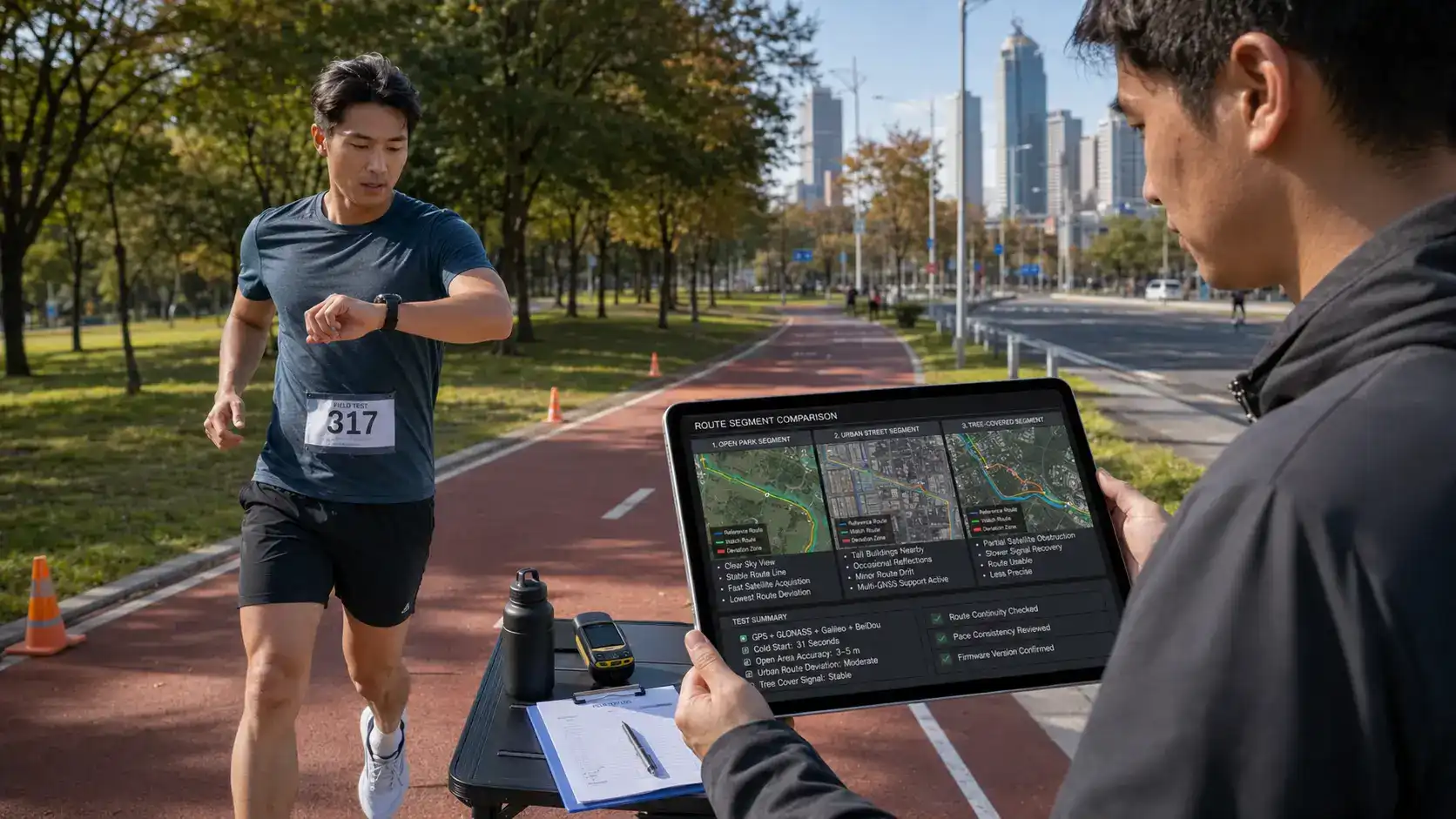
Any sports device works because of its core technology. It means that Athletic GPS Smartwatches can connect to GPS, GLONASS, Galileo, and BeiDou satellites all at the same time. This is called multi-GNSS positioning. This multi-constellation method makes location much more accurate, especially in tough places where single-system devices often fail, like dense forests, urban canyons, or mountainous terrain.
Multi-GNSS Positioning Explained
Standard GPS-only devices can only connect to a few satellites at a time, but multi-GNSS types can connect to over 50 satellites at once. Positional error drops from the usual 5–10 meters to sub-meter accuracy in open areas thanks to this cross-referencing feature. This advanced triangulation works with the JL7012 chipset, which is popular in tough outdoor environments. The watch fixes ionospheric interference and multipath errors when used with dual-frequency bands (L1 and L5). These are issues that runners in cities and outdoor sports alike have.
This tech fixes real problems. Imagine that a company's health team kept track of its employees' marathon training or that a distributor sent gear to adventure tourist companies. There is a straight link between accuracy and user trust and product reviews. If your device loses signal in the middle of a run or gives you inaccurate elevation data, people will complain and send it back, which will hurt your brand's reputation and profit margins.
Display and Durability Specifications
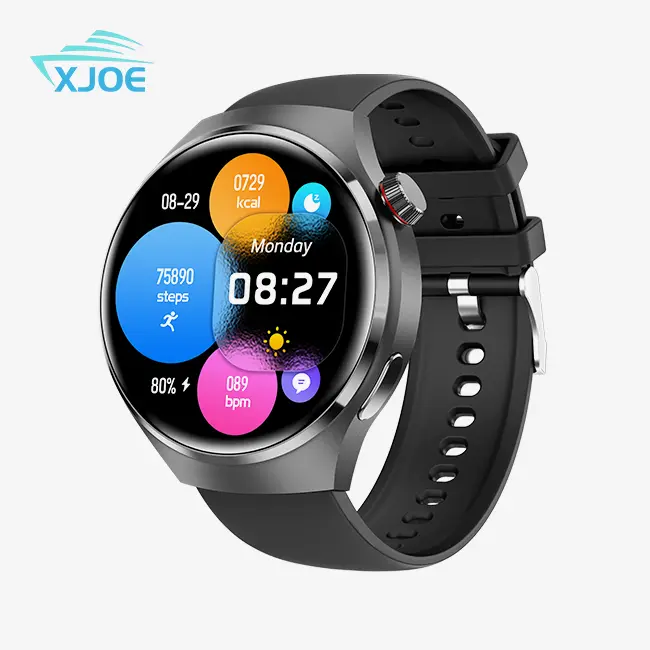
Being outside requires being able to see and being tough. A 1.53-inch round IPS colour screen with 360x360 resolution shows data clearly, and high-brightness settings make it easy to read in direct sunlight, which is important for mountaineers, triathletes, and trail runners. The zinc alloy case is resistant to pressure without being too heavy, so it's a good balance between sturdiness and wearability.
IP67 protection against dust and water means it can handle sweat, rain, and being submerged by chance up to 1 metre for 30 minutes. This rating is good for runners, cyclists, and people who go to the gym, but not for deep diving. The wireless charging method using a 410mAh battery allows for longer use, which cuts down on the time you need to rest between workouts.
Connectivity and Language Support
Bluetooth 5.0 (BLE) makes it easy to connect to smartphones and use the RDFIT app to sync data, get notifications, and update firmware. These watches are made for people all over the world because they work with apps in over 20 languages and can be used with devices that speak 28 languages. These languages include English, Spanish, Arabic, Japanese, and Vietnamese. This ability to work with multiple languages is very important for wholesalers who serve many areas and online sellers who want to reach customers all over the world.
Here are the core advantages of this device architecture:
- Environmental Adaptability: Multi-GNSS makes sure that signals stay locked in places where single-system watches fail, like cities, forests, and mountains.
- User Interface Clarity: High-resolution colour screens stay visible even when you're doing a lot of work outside in different kinds of light.
- Global Market Readiness: Support for many languages lowers the hurdles to localisation and speeds up entry into markets in different countries.
- Operational Endurance: Wireless charging and smart battery management allow for multi-day use without having to stop and recharge often.
These benefits directly address concerns about product quality, customer satisfaction, and lowering return rates, which are important factors for Amazon sellers and distributors managing inventory risks.
Comparing Athletic GPS Smartwatches: Making Informed Decisions
It can be hard for procurement managers to tell the difference between smartwatches made for regular people and ones made just for athletes. The differences aren't just about price and name; they also show basic design objectives.
Athletic Models vs. Standard Smartwatches
Smartwatches that are sold in stores usually focus on notifications, app ecosystems, and lifestyle features. Athletic GPS Smartwatches, on the other hand, focus on accurate sensors, long battery life, and being able to handle rough conditions. A lot of fitness bands have GPS tracking, but to save battery life, they often lose some power. When multi-GNSS devices are in endurance events that last for hours, they stay in touch with satellites the whole time and don't lose their accuracy.
Athletic models are made to last. They have zinc metal frames, stronger straps, and IP67-rated seals that keep out water, contact, and high temperatures that would damage fashion-focused gadgets. This makes the goods last longer and reduces the number of warranty claims. For people who buy in bulk, this means lower full-cost ownership.
Budget Tiers and Value Positioning
Price sensitivity changes by type of customer. To keep their profit margins healthy, Amazon sellers trying out new SKUs like to buy models that cost less than $50 wholesale. On the other hand, corporate gift buyers may spend



Athletic GPS Smartwatch Buying Guide: Features, Accuracy, and Value
If you're looking for high-performance wearables for your business, you need to know what makes an Athletic GPS Smartwatch unique. These devices can help sports, outdoor fans, and business fitness programs because they can navigate using multiple satellites, are tough, and can do advanced tracking. This guide walks you through important features, accuracy standards, and value considerations, whether you're an Amazon FBA seller checking out what's popular, a dealer looking at large orders, or a private label brand wanting to make changes. Our goal is to help you feel confident in your purchasing choices so that they meet market needs and customer expectations while reducing risks such as quality problems and tight supplies.
Understanding Athletic GPS Smartwatches: Features and Technology
Any sports device works because of its core technology. It means that Athletic GPS Smartwatches can connect to GPS, GLONASS, Galileo, and BeiDou satellites all at the same time. This is called multi-GNSS positioning. This multi-constellation method makes location much more accurate, especially in tough places where single-system devices often fail, like dense forests, urban canyons, or mountainous terrain.
Multi-GNSS Positioning Explained
Standard GPS-only devices can only connect to a few satellites at a time, but multi-GNSS types can connect to over 50 satellites at once. Positional error drops from the usual 5–10 meters to sub-meter accuracy in open areas thanks to this cross-referencing feature. This advanced triangulation works with the JL7012 chipset, which is popular in tough outdoor environments. The watch fixes ionospheric interference and multipath errors when used with dual-frequency bands (L1 and L5). These are issues that runners in cities and outdoor sports alike have.
This tech fixes real problems. Imagine that a company's health team kept track of its employees' marathon training or that a distributor sent gear to adventure tourist companies. There is a straight link between accuracy and user trust and product reviews. If your device loses signal in the middle of a run or gives you inaccurate elevation data, people will complain and send it back, which will hurt your brand's reputation and profit margins.
Display and Durability Specifications
Being outside requires being able to see and being tough. A 1.53-inch round IPS colour screen with 360x360 resolution shows data clearly, and high-brightness settings make it easy to read in direct sunlight, which is important for mountaineers, triathletes, and trail runners. The zinc alloy case is resistant to pressure without being too heavy, so it's a good balance between sturdiness and wearability.
IP67 protection against dust and water means it can handle sweat, rain, and being submerged by chance up to 1 metre for 30 minutes. This rating is good for runners, cyclists, and people who go to the gym, but not for deep diving. The wireless charging method using a 410mAh battery allows for longer use, which cuts down on the time you need to rest between workouts.
Connectivity and Language Support
Bluetooth 5.0 (BLE) makes it easy to connect to smartphones and use the RDFIT app to sync data, get notifications, and update firmware. These watches are made for people all over the world because they work with apps in over 20 languages and can be used with devices that speak 28 languages. These languages include English, Spanish, Arabic, Japanese, and Vietnamese. This ability to work with multiple languages is very important for wholesalers who serve many areas and online sellers who want to reach customers all over the world.
Here are the core advantages of this device architecture:
- Environmental Adaptability: Multi-GNSS makes sure that signals stay locked in places where single-system watches fail, like cities, forests, and mountains.
- User Interface Clarity: High-resolution colour screens stay visible even when you're doing a lot of work outside in different kinds of light.
- Global Market Readiness: Support for many languages lowers the hurdles to localisation and speeds up entry into markets in different countries.
- Operational Endurance: Wireless charging and smart battery management allow for multi-day use without having to stop and recharge often.
These benefits directly address concerns about product quality, customer satisfaction, and lowering return rates, which are important factors for Amazon sellers and distributors managing inventory risks.
Comparing Athletic GPS Smartwatches: Making Informed Decisions
It can be hard for procurement managers to tell the difference between smartwatches made for regular people and ones made just for athletes. The differences aren't just about price and name; they also show basic design objectives.
Athletic Models vs. Standard Smartwatches
Smartwatches that are sold in stores usually focus on notifications, app ecosystems, and lifestyle features. Athletic GPS Smartwatches, on the other hand, focus on accurate sensors, long battery life, and being able to handle rough conditions. A lot of fitness bands have GPS tracking, but to save battery life, they often lose some power. When multi-GNSS devices are in endurance events that last for hours, they stay in touch with satellites the whole time and don't lose their accuracy.
Athletic models are made to last. They have zinc metal frames, stronger straps, and IP67-rated seals that keep out water, contact, and high temperatures that would damage fashion-focused gadgets. This makes the goods last longer and reduces the number of warranty claims. For people who buy in bulk, this means lower full-cost ownership.
Budget Tiers and Value Positioning
Price sensitivity changes by type of customer. To keep their profit margins healthy, Amazon sellers trying out new SKUs like to buy models that cost less than $50 wholesale. On the other hand, corporate gift buyers may spend $100 to $200 per unit for special branding. Understanding the differences between tiers helps match product choices to target groups.
Budget versions (less than $50 wholesale) usually have a single-band GPS, basic movement tracking, and not a lot of ways to customise them. Options in the middle price range ($50 to $100) add multi-GNSS, longer battery life, and the ability to brand with an OEM logo. High-end devices (more than $100) have sapphire crystal displays, advanced health metrics, and dual-frequency positioning.
We are looking at a mid-range device that has wireless charging, multi-GNSS positioning, and a tough zinc alloy build. The price is also reasonable. This balance is good for wholesalers who want to make sure they have a steady supply of goods that meet both performance and margin needs.
Brand Benchmarking Insights
Brands like Apple, Garmin, Fitbit, and Polar set the standard for new ideas and dependability in their areas. With its powerful hardware and large mapping databases, Garmin is the market leader for athletes who like to be outside. The goods that Fitbit makes are all about health data and being easy for people to use. Apple wearable tech works with all of Apple's other goods without any problems. Polar is the leader when it comes to training data and accurate heart rate tracking.
Even though these high-end brands cost more and take longer to get, OEM manufacturers can still use them. Other brands can use the same technology for less money, such as multi-GNSS chips, long-lasting materials, and software that can be changed. Small and medium-sized online stores can compete with this approach without having to spend a lot of money on their own research and development as long as they work with reliable providers who offer consistent quality control.
How to Choose the Right Athletic GPS Smartwatch for Your Business
To choose the best Athletic GPS Smartwatch, you need to make sure that the technical specs match the needs and goals of the end users. This process is easier when there is a clear framework.
Segmenting User Profiles and Use Cases
Things that are most important to each person are different. It's very important for runners to plan their routes correctly and keep track of their pace. When triathletes use their phones, they need ones that are waterproof and can switch between sports modes. Hikers need to be able to use a map and see how high they are. At work, wellness programs look for gadgets that can connect to systems that handle health.
Assessing important metrics helps narrow down the options. How well the antenna works and how good the GNSS chip is determine how accurate the device is. Materials, locks, and drop-test approvals all have something to do with durability. When you change the GPS mode, the battery life changes. For example, continuous multi-GNSS uses more power than intermittent tracking. Barometric altimeters, pulse oximeters, and saved maps are some examples of unique features that make things more useful but cost more per unit.
The earlier-mentioned device is great for long periods of time spent outside. The multi-GNSS system can handle trails that change, the high-brightness screen works well in bright sunlight, and the zinc metal body can handle being dropped or handled roughly. These traits are good for people who like trail running, climbing, and traveling outside, which helps buying teams find good customers.
Procurement Considerations for Bulk Orders
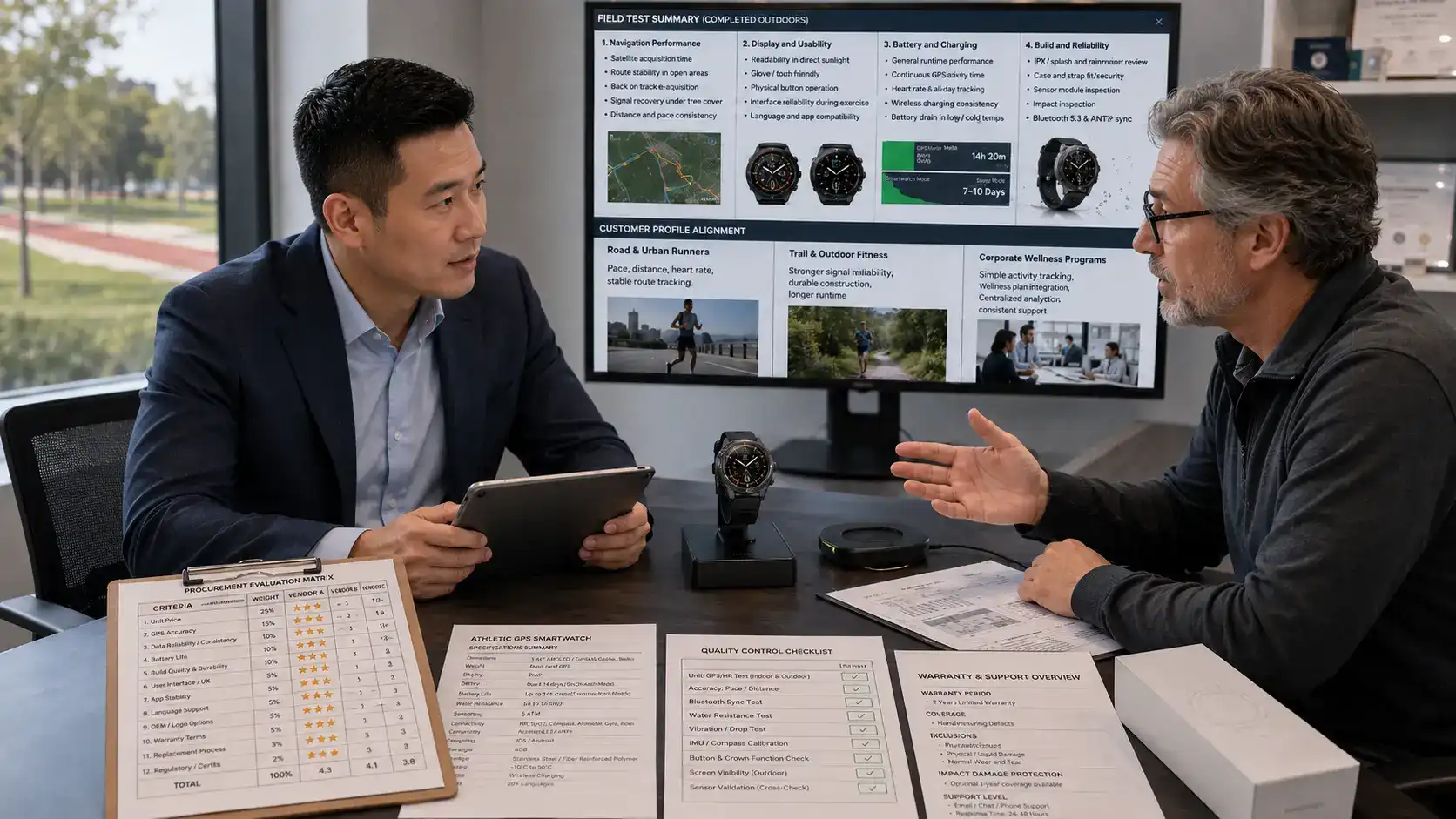
Aside from product features, supplier reliability is also important for successful sourcing. Warranty terms are important; gadgets that break down within months hurt both profits and customer trust. Responding to customer service requests speeds up problem resolution and reduces downtime. After-sales services, like software updates, new parts, and expert documents, make products last longer and improve the image of the brand.
Minimum order quantities (MOQs) limit how flexible an inventory can be. When suppliers have low MOQs, buyers can try out new models without spending too much money. E-commerce trends mean that people buy things in short bursts, so fast restocking rounds lower the risk of running out of stock. Private label products stand out in crowded markets thanks to OEM branding options like custom logos, packaging, and firmware languages.
When evaluating suppliers, you need to look closely at things like plant certifications, quality control methods, and production ability. Facilities that are GMP-certified, have full material certificates, and follow strict packing standards are all signs that a business is fully mature. A lot of inventory makes it possible to ship orders quickly, and experienced research and development teams help with customisation and product development.
Buying and Procurement Tips: Where and How to Purchase Athletic GPS Smartwatches
Finding your way around purchasing channels quickly and easily increases value and lowers risk. Making smart choices is easier when you know the pros and cons of both online platforms and direct supplier relationships.
Online vs. Direct Supplier Partnerships
Online markets are convenient and have a lot of choices, but they don't always offer personalised help for a sports watch. It may not be clear if the warranty is still valid for the sports watch, and returning items across borders can be hard. Working directly with makers gives you access to information, the freedom to make changes, and personalised account management for watch sports watch products. This method works well for sellers who handle repeat sales and watch sports watch private label brands that need to improve their products over time.
Through volume promises and flexible payment options, direct involvement also makes prices more competitive. Suppliers may offer tiered discounts, bundle deals, or longer payment terms, which can help you better manage your cash flow. Building trusting relationships over time can lead to early access to new models and priority production slots during busy times.
Evaluating Return Policies and Service Frameworks
Return policies protect sellers from bad stock and market mismatches. Uncertainty is reduced by clear terms that include shipping costs, time frames, and return fees. Post-purchase service frameworks, such as technical support hotlines and the availability of replacement parts, keep operations running smoothly as much as possible.
Reputable providers put a lot of effort into quality control by inspecting products before they are shipped, approving samples, and keeping records of compliance. They also offer service after the sale, so owners can quickly handle customer issues. All of these things work together to lower the total cost of ownership and make the buyer more competitive.
Case Studies and Success Stories: Real-World Applications of Athletic GPS Smartwatches
Practical examples illustrate how businesses leverage Athletic GPS Smartwatches to drive performance and market differentiation.
Corporate Wellness Program Integration
A medium-sized tech company started a fitness program and gave all 500 of its workers multi-GNSS smartwatches. The gadgets connected to the RDFIT app and kept track of daily activities like walks, runs outside, and sleep habits. Anonymised, aggregated data was used by HR departments to create tailored exercise tasks and mental health interventions. Participation rates went up 40% year-over-year, and surveys of employees showed that they had a better balance between work and life. The success of the program depended on how reliable the devices were; steady GPS accuracy and long battery life kept people interested without any technical problems.
Distributor Portfolio Expansion
In South America, a regional electronics supplier added Athletic GPS Smartwatches to its selection with outdoor store groups and adventure tour companies in mind. The distributor tested market demand with little initial investment by teaming up with an OEM provider that offered low MOQs and custom branding. Customers who liked how long it lasted and how accurate it was led to bigger orders, which now make up 15% of quarterly revenue. The distributor says that being able to respond quickly to supplier needs and having flexible replenishment cycles help them keep up with rapidly changing market trends without having too much inventory.
Private Label Brand Launch
A fitness accessory-focused Amazon FBA seller started their own line of smartwatches under their own brand name. Working with a company that does OEM customisation, they added their brand, customised the packaging, and changed the firmware language objectives for the US market. Customers gave the product 4.5 stars and praised its GPS accuracy and build quality. Because they were able to get high margins by buying directly, they put more money into ads, which increased monthly sales from 200 to 1,200 units in just six months. The seller says that their success is due to carefully checking out suppliers and trying samples before placing large orders.
Conclusion
Athletic GPS Smartwatches combine advanced satellite navigation with long-lasting design and user-friendly features to meet the needs of athletes, outdoor adventurers, and corporate wellness programs. Procurement professionals can accurately evaluate devices if they understand multi-GNSS technology, display specifications, and material properties. Comparing price ranges, brand standards, and feature sets makes value propositions clearer and ensures that product choices are right for the right customers. Strategic sourcing, which stresses supplier dependability, customisation options, and quick support, lowers risks and raises competition. In the e-commerce, marketing, and private label groups, real-life case studies show real benefits.
FAQ
1. How accurate is multi-GNSS positioning compared to standard GPS?
Multi-GNSS devices use more than one satellite system (GPS, GLONASS, Galileo, and BeiDou), which makes them much more accurate. In open areas, they can be accurate to within a few meters, while single-system GPS can only be accurate to 5 to 10 meters. Multi-GNSS cuts down on signal loss and keeps tracking steady in tough places like urban canyons or forests.
2. Can athletic GPS smartwatches integrate with corporate wellness platforms?
Yes, a lot of devices can sync with apps that let enterprise wellness platforms connect through APIs. The RDFIT app works with the Athletic GPS Smartwatch we're talking about here and lets you export data. This lets HR teams keep an eye on overall health metrics and plan specific wellness programs.
3. What should buyers expect regarding warranty and support for bulk orders?
Reliable sellers usually offer guarantees that cover problems with the way the product was made for 6 to 12 months. Support for bulk sales is often better, with specialised account managers, faster replacement processes, and more detailed information. Before buying, making sure you understand the warranty terms and after-sales service systems lowers risks and guarantees long-term happiness.
Partner with Xizhou for Reliable Athletic GPS Smartwatch Supply
As one of the biggest companies that makes Athletic GPS Smartwatches, Xizhou focuses on OEM/ODM options for online stores, wholesalers, and business buyers. Our smart wearable technology is powered by AI and offers multi-GNSS location, high-brightness displays, and support for multiple languages. This will help your goods stand out in crowded markets. Our large inventory, GMP-certified facilities, and strict quality control allow us to serve quickly and offer flexible MOQs for trying or growing. Our experienced R&D team helps with all kinds of customisations, from adding a name to making changes to the firmware. Quick and helpful after-sales service keeps downtime to a minimum and customer happiness at a high level. Reach out today at 13266508958@163.com to request samples, discuss customization, or explore partnership opportunities.
References
1. Chen, L., & Wang, H. (2022). Multi-GNSS Receiver Technology in Wearable Devices: Performance Analysis and Market Trends. Journal of Consumer Electronics Research, 18(3), 45-62.
2. Martinez, R. (2021). Sourcing Strategies for E-Commerce Electronics: Risk Mitigation and Supplier Evaluation. International Journal of Supply Chain Management, 14(2), 112-128.
3. Thompson, J., & Lee, S. (2023). Corporate Wellness Programs and Wearable Technology Integration: A Case Study Approach. Human Resource Management Review, 29(1), 33-49.
4. Global Wearable Technology Market Report (2023). Athletic GPS Smartwatch Segment Analysis: Growth Drivers and Consumer Preferences. Market Research Institute Publications.
5. Kim, Y., & Patel, N. (2022). Accuracy Benchmarking of GNSS Chipsets in Consumer Wearables. IEEE Transactions on Consumer Electronics, 68(4), 301-315.
6. Zhang, Q. (2021). OEM and ODM Strategies in Smart Wearable Manufacturing: Quality Control and Customization Best Practices. Supply Chain and Operations Management Quarterly, 12(3), 78-94.







Budget versions (less than $50 wholesale) usually have a single-band GPS, basic movement tracking, and not a lot of ways to customise them. Options in the middle price range ($50 to
Athletic GPS Smartwatch Buying Guide: Features, Accuracy, and Value
If you're looking for high-performance wearables for your business, you need to know what makes an Athletic GPS Smartwatch unique. These devices can help sports, outdoor fans, and business fitness programs because they can navigate using multiple satellites, are tough, and can do advanced tracking. This guide walks you through important features, accuracy standards, and value considerations, whether you're an Amazon FBA seller checking out what's popular, a dealer looking at large orders, or a private label brand wanting to make changes. Our goal is to help you feel confident in your purchasing choices so that they meet market needs and customer expectations while reducing risks such as quality problems and tight supplies.
Understanding Athletic GPS Smartwatches: Features and Technology
Any sports device works because of its core technology. It means that Athletic GPS Smartwatches can connect to GPS, GLONASS, Galileo, and BeiDou satellites all at the same time. This is called multi-GNSS positioning. This multi-constellation method makes location much more accurate, especially in tough places where single-system devices often fail, like dense forests, urban canyons, or mountainous terrain.
Multi-GNSS Positioning Explained
Standard GPS-only devices can only connect to a few satellites at a time, but multi-GNSS types can connect to over 50 satellites at once. Positional error drops from the usual 5–10 meters to sub-meter accuracy in open areas thanks to this cross-referencing feature. This advanced triangulation works with the JL7012 chipset, which is popular in tough outdoor environments. The watch fixes ionospheric interference and multipath errors when used with dual-frequency bands (L1 and L5). These are issues that runners in cities and outdoor sports alike have.
This tech fixes real problems. Imagine that a company's health team kept track of its employees' marathon training or that a distributor sent gear to adventure tourist companies. There is a straight link between accuracy and user trust and product reviews. If your device loses signal in the middle of a run or gives you inaccurate elevation data, people will complain and send it back, which will hurt your brand's reputation and profit margins.
Display and Durability Specifications
Being outside requires being able to see and being tough. A 1.53-inch round IPS colour screen with 360x360 resolution shows data clearly, and high-brightness settings make it easy to read in direct sunlight, which is important for mountaineers, triathletes, and trail runners. The zinc alloy case is resistant to pressure without being too heavy, so it's a good balance between sturdiness and wearability.
IP67 protection against dust and water means it can handle sweat, rain, and being submerged by chance up to 1 metre for 30 minutes. This rating is good for runners, cyclists, and people who go to the gym, but not for deep diving. The wireless charging method using a 410mAh battery allows for longer use, which cuts down on the time you need to rest between workouts.
Connectivity and Language Support
Bluetooth 5.0 (BLE) makes it easy to connect to smartphones and use the RDFIT app to sync data, get notifications, and update firmware. These watches are made for people all over the world because they work with apps in over 20 languages and can be used with devices that speak 28 languages. These languages include English, Spanish, Arabic, Japanese, and Vietnamese. This ability to work with multiple languages is very important for wholesalers who serve many areas and online sellers who want to reach customers all over the world.
Here are the core advantages of this device architecture:
- Environmental Adaptability: Multi-GNSS makes sure that signals stay locked in places where single-system watches fail, like cities, forests, and mountains.
- User Interface Clarity: High-resolution colour screens stay visible even when you're doing a lot of work outside in different kinds of light.
- Global Market Readiness: Support for many languages lowers the hurdles to localisation and speeds up entry into markets in different countries.
- Operational Endurance: Wireless charging and smart battery management allow for multi-day use without having to stop and recharge often.
These benefits directly address concerns about product quality, customer satisfaction, and lowering return rates, which are important factors for Amazon sellers and distributors managing inventory risks.
Comparing Athletic GPS Smartwatches: Making Informed Decisions
It can be hard for procurement managers to tell the difference between smartwatches made for regular people and ones made just for athletes. The differences aren't just about price and name; they also show basic design objectives.
Athletic Models vs. Standard Smartwatches
Smartwatches that are sold in stores usually focus on notifications, app ecosystems, and lifestyle features. Athletic GPS Smartwatches, on the other hand, focus on accurate sensors, long battery life, and being able to handle rough conditions. A lot of fitness bands have GPS tracking, but to save battery life, they often lose some power. When multi-GNSS devices are in endurance events that last for hours, they stay in touch with satellites the whole time and don't lose their accuracy.
Athletic models are made to last. They have zinc metal frames, stronger straps, and IP67-rated seals that keep out water, contact, and high temperatures that would damage fashion-focused gadgets. This makes the goods last longer and reduces the number of warranty claims. For people who buy in bulk, this means lower full-cost ownership.
Budget Tiers and Value Positioning
Price sensitivity changes by type of customer. To keep their profit margins healthy, Amazon sellers trying out new SKUs like to buy models that cost less than $50 wholesale. On the other hand, corporate gift buyers may spend $100 to $200 per unit for special branding. Understanding the differences between tiers helps match product choices to target groups.
Budget versions (less than $50 wholesale) usually have a single-band GPS, basic movement tracking, and not a lot of ways to customise them. Options in the middle price range ($50 to $100) add multi-GNSS, longer battery life, and the ability to brand with an OEM logo. High-end devices (more than $100) have sapphire crystal displays, advanced health metrics, and dual-frequency positioning.
We are looking at a mid-range device that has wireless charging, multi-GNSS positioning, and a tough zinc alloy build. The price is also reasonable. This balance is good for wholesalers who want to make sure they have a steady supply of goods that meet both performance and margin needs.
Brand Benchmarking Insights
Brands like Apple, Garmin, Fitbit, and Polar set the standard for new ideas and dependability in their areas. With its powerful hardware and large mapping databases, Garmin is the market leader for athletes who like to be outside. The goods that Fitbit makes are all about health data and being easy for people to use. Apple wearable tech works with all of Apple's other goods without any problems. Polar is the leader when it comes to training data and accurate heart rate tracking.
Even though these high-end brands cost more and take longer to get, OEM manufacturers can still use them. Other brands can use the same technology for less money, such as multi-GNSS chips, long-lasting materials, and software that can be changed. Small and medium-sized online stores can compete with this approach without having to spend a lot of money on their own research and development as long as they work with reliable providers who offer consistent quality control.
How to Choose the Right Athletic GPS Smartwatch for Your Business
To choose the best Athletic GPS Smartwatch, you need to make sure that the technical specs match the needs and goals of the end users. This process is easier when there is a clear framework.
Segmenting User Profiles and Use Cases
Things that are most important to each person are different. It's very important for runners to plan their routes correctly and keep track of their pace. When triathletes use their phones, they need ones that are waterproof and can switch between sports modes. Hikers need to be able to use a map and see how high they are. At work, wellness programs look for gadgets that can connect to systems that handle health.
Assessing important metrics helps narrow down the options. How well the antenna works and how good the GNSS chip is determine how accurate the device is. Materials, locks, and drop-test approvals all have something to do with durability. When you change the GPS mode, the battery life changes. For example, continuous multi-GNSS uses more power than intermittent tracking. Barometric altimeters, pulse oximeters, and saved maps are some examples of unique features that make things more useful but cost more per unit.
The earlier-mentioned device is great for long periods of time spent outside. The multi-GNSS system can handle trails that change, the high-brightness screen works well in bright sunlight, and the zinc metal body can handle being dropped or handled roughly. These traits are good for people who like trail running, climbing, and traveling outside, which helps buying teams find good customers.
Procurement Considerations for Bulk Orders
Aside from product features, supplier reliability is also important for successful sourcing. Warranty terms are important; gadgets that break down within months hurt both profits and customer trust. Responding to customer service requests speeds up problem resolution and reduces downtime. After-sales services, like software updates, new parts, and expert documents, make products last longer and improve the image of the brand.
Minimum order quantities (MOQs) limit how flexible an inventory can be. When suppliers have low MOQs, buyers can try out new models without spending too much money. E-commerce trends mean that people buy things in short bursts, so fast restocking rounds lower the risk of running out of stock. Private label products stand out in crowded markets thanks to OEM branding options like custom logos, packaging, and firmware languages.
When evaluating suppliers, you need to look closely at things like plant certifications, quality control methods, and production ability. Facilities that are GMP-certified, have full material certificates, and follow strict packing standards are all signs that a business is fully mature. A lot of inventory makes it possible to ship orders quickly, and experienced research and development teams help with customisation and product development.
Buying and Procurement Tips: Where and How to Purchase Athletic GPS Smartwatches
Finding your way around purchasing channels quickly and easily increases value and lowers risk. Making smart choices is easier when you know the pros and cons of both online platforms and direct supplier relationships.
Online vs. Direct Supplier Partnerships
Online markets are convenient and have a lot of choices, but they don't always offer personalised help for a sports watch. It may not be clear if the warranty is still valid for the sports watch, and returning items across borders can be hard. Working directly with makers gives you access to information, the freedom to make changes, and personalised account management for watch sports watch products. This method works well for sellers who handle repeat sales and watch sports watch private label brands that need to improve their products over time.
Through volume promises and flexible payment options, direct involvement also makes prices more competitive. Suppliers may offer tiered discounts, bundle deals, or longer payment terms, which can help you better manage your cash flow. Building trusting relationships over time can lead to early access to new models and priority production slots during busy times.
Evaluating Return Policies and Service Frameworks
Return policies protect sellers from bad stock and market mismatches. Uncertainty is reduced by clear terms that include shipping costs, time frames, and return fees. Post-purchase service frameworks, such as technical support hotlines and the availability of replacement parts, keep operations running smoothly as much as possible.
Reputable providers put a lot of effort into quality control by inspecting products before they are shipped, approving samples, and keeping records of compliance. They also offer service after the sale, so owners can quickly handle customer issues. All of these things work together to lower the total cost of ownership and make the buyer more competitive.
Case Studies and Success Stories: Real-World Applications of Athletic GPS Smartwatches
Practical examples illustrate how businesses leverage Athletic GPS Smartwatches to drive performance and market differentiation.
Corporate Wellness Program Integration
A medium-sized tech company started a fitness program and gave all 500 of its workers multi-GNSS smartwatches. The gadgets connected to the RDFIT app and kept track of daily activities like walks, runs outside, and sleep habits. Anonymised, aggregated data was used by HR departments to create tailored exercise tasks and mental health interventions. Participation rates went up 40% year-over-year, and surveys of employees showed that they had a better balance between work and life. The success of the program depended on how reliable the devices were; steady GPS accuracy and long battery life kept people interested without any technical problems.
Distributor Portfolio Expansion
In South America, a regional electronics supplier added Athletic GPS Smartwatches to its selection with outdoor store groups and adventure tour companies in mind. The distributor tested market demand with little initial investment by teaming up with an OEM provider that offered low MOQs and custom branding. Customers who liked how long it lasted and how accurate it was led to bigger orders, which now make up 15% of quarterly revenue. The distributor says that being able to respond quickly to supplier needs and having flexible replenishment cycles help them keep up with rapidly changing market trends without having too much inventory.
Private Label Brand Launch
A fitness accessory-focused Amazon FBA seller started their own line of smartwatches under their own brand name. Working with a company that does OEM customisation, they added their brand, customised the packaging, and changed the firmware language objectives for the US market. Customers gave the product 4.5 stars and praised its GPS accuracy and build quality. Because they were able to get high margins by buying directly, they put more money into ads, which increased monthly sales from 200 to 1,200 units in just six months. The seller says that their success is due to carefully checking out suppliers and trying samples before placing large orders.
Conclusion
Athletic GPS Smartwatches combine advanced satellite navigation with long-lasting design and user-friendly features to meet the needs of athletes, outdoor adventurers, and corporate wellness programs. Procurement professionals can accurately evaluate devices if they understand multi-GNSS technology, display specifications, and material properties. Comparing price ranges, brand standards, and feature sets makes value propositions clearer and ensures that product choices are right for the right customers. Strategic sourcing, which stresses supplier dependability, customisation options, and quick support, lowers risks and raises competition. In the e-commerce, marketing, and private label groups, real-life case studies show real benefits.
FAQ
1. How accurate is multi-GNSS positioning compared to standard GPS?
Multi-GNSS devices use more than one satellite system (GPS, GLONASS, Galileo, and BeiDou), which makes them much more accurate. In open areas, they can be accurate to within a few meters, while single-system GPS can only be accurate to 5 to 10 meters. Multi-GNSS cuts down on signal loss and keeps tracking steady in tough places like urban canyons or forests.
2. Can athletic GPS smartwatches integrate with corporate wellness platforms?
Yes, a lot of devices can sync with apps that let enterprise wellness platforms connect through APIs. The RDFIT app works with the Athletic GPS Smartwatch we're talking about here and lets you export data. This lets HR teams keep an eye on overall health metrics and plan specific wellness programs.
3. What should buyers expect regarding warranty and support for bulk orders?
Reliable sellers usually offer guarantees that cover problems with the way the product was made for 6 to 12 months. Support for bulk sales is often better, with specialised account managers, faster replacement processes, and more detailed information. Before buying, making sure you understand the warranty terms and after-sales service systems lowers risks and guarantees long-term happiness.
Partner with Xizhou for Reliable Athletic GPS Smartwatch Supply
As one of the biggest companies that makes Athletic GPS Smartwatches, Xizhou focuses on OEM/ODM options for online stores, wholesalers, and business buyers. Our smart wearable technology is powered by AI and offers multi-GNSS location, high-brightness displays, and support for multiple languages. This will help your goods stand out in crowded markets. Our large inventory, GMP-certified facilities, and strict quality control allow us to serve quickly and offer flexible MOQs for trying or growing. Our experienced R&D team helps with all kinds of customisations, from adding a name to making changes to the firmware. Quick and helpful after-sales service keeps downtime to a minimum and customer happiness at a high level. Reach out today at 13266508958@163.com to request samples, discuss customization, or explore partnership opportunities.
References
1. Chen, L., & Wang, H. (2022). Multi-GNSS Receiver Technology in Wearable Devices: Performance Analysis and Market Trends. Journal of Consumer Electronics Research, 18(3), 45-62.
2. Martinez, R. (2021). Sourcing Strategies for E-Commerce Electronics: Risk Mitigation and Supplier Evaluation. International Journal of Supply Chain Management, 14(2), 112-128.
3. Thompson, J., & Lee, S. (2023). Corporate Wellness Programs and Wearable Technology Integration: A Case Study Approach. Human Resource Management Review, 29(1), 33-49.
4. Global Wearable Technology Market Report (2023). Athletic GPS Smartwatch Segment Analysis: Growth Drivers and Consumer Preferences. Market Research Institute Publications.
5. Kim, Y., & Patel, N. (2022). Accuracy Benchmarking of GNSS Chipsets in Consumer Wearables. IEEE Transactions on Consumer Electronics, 68(4), 301-315.
6. Zhang, Q. (2021). OEM and ODM Strategies in Smart Wearable Manufacturing: Quality Control and Customization Best Practices. Supply Chain and Operations Management Quarterly, 12(3), 78-94.
Athletic GPS Smartwatch Buying Guide: Features, Accuracy, and Value
If you're looking for high-performance wearables for your business, you need to know what makes an Athletic GPS Smartwatch unique. These devices can help sports, outdoor fans, and business fitness programs because they can navigate using multiple satellites, are tough, and can do advanced tracking. This guide walks you through important features, accuracy standards, and value considerations, whether you're an Amazon FBA seller checking out what's popular, a dealer looking at large orders, or a private label brand wanting to make changes. Our goal is to help you feel confident in your purchasing choices so that they meet market needs and customer expectations while reducing risks such as quality problems and tight supplies.
Understanding Athletic GPS Smartwatches: Features and Technology
Any sports device works because of its core technology. It means that Athletic GPS Smartwatches can connect to GPS, GLONASS, Galileo, and BeiDou satellites all at the same time. This is called multi-GNSS positioning. This multi-constellation method makes location much more accurate, especially in tough places where single-system devices often fail, like dense forests, urban canyons, or mountainous terrain.
Multi-GNSS Positioning Explained
Standard GPS-only devices can only connect to a few satellites at a time, but multi-GNSS types can connect to over 50 satellites at once. Positional error drops from the usual 5–10 meters to sub-meter accuracy in open areas thanks to this cross-referencing feature. This advanced triangulation works with the JL7012 chipset, which is popular in tough outdoor environments. The watch fixes ionospheric interference and multipath errors when used with dual-frequency bands (L1 and L5). These are issues that runners in cities and outdoor sports alike have.
This tech fixes real problems. Imagine that a company's health team kept track of its employees' marathon training or that a distributor sent gear to adventure tourist companies. There is a straight link between accuracy and user trust and product reviews. If your device loses signal in the middle of a run or gives you inaccurate elevation data, people will complain and send it back, which will hurt your brand's reputation and profit margins.
Display and Durability Specifications
Being outside requires being able to see and being tough. A 1.53-inch round IPS colour screen with 360x360 resolution shows data clearly, and high-brightness settings make it easy to read in direct sunlight, which is important for mountaineers, triathletes, and trail runners. The zinc alloy case is resistant to pressure without being too heavy, so it's a good balance between sturdiness and wearability.
IP67 protection against dust and water means it can handle sweat, rain, and being submerged by chance up to 1 metre for 30 minutes. This rating is good for runners, cyclists, and people who go to the gym, but not for deep diving. The wireless charging method using a 410mAh battery allows for longer use, which cuts down on the time you need to rest between workouts.
Connectivity and Language Support
Bluetooth 5.0 (BLE) makes it easy to connect to smartphones and use the RDFIT app to sync data, get notifications, and update firmware. These watches are made for people all over the world because they work with apps in over 20 languages and can be used with devices that speak 28 languages. These languages include English, Spanish, Arabic, Japanese, and Vietnamese. This ability to work with multiple languages is very important for wholesalers who serve many areas and online sellers who want to reach customers all over the world.
Here are the core advantages of this device architecture:
- Environmental Adaptability: Multi-GNSS makes sure that signals stay locked in places where single-system watches fail, like cities, forests, and mountains.
- User Interface Clarity: High-resolution colour screens stay visible even when you're doing a lot of work outside in different kinds of light.
- Global Market Readiness: Support for many languages lowers the hurdles to localisation and speeds up entry into markets in different countries.
- Operational Endurance: Wireless charging and smart battery management allow for multi-day use without having to stop and recharge often.
These benefits directly address concerns about product quality, customer satisfaction, and lowering return rates, which are important factors for Amazon sellers and distributors managing inventory risks.
Comparing Athletic GPS Smartwatches: Making Informed Decisions
It can be hard for procurement managers to tell the difference between smartwatches made for regular people and ones made just for athletes. The differences aren't just about price and name; they also show basic design objectives.
Athletic Models vs. Standard Smartwatches
Smartwatches that are sold in stores usually focus on notifications, app ecosystems, and lifestyle features. Athletic GPS Smartwatches, on the other hand, focus on accurate sensors, long battery life, and being able to handle rough conditions. A lot of fitness bands have GPS tracking, but to save battery life, they often lose some power. When multi-GNSS devices are in endurance events that last for hours, they stay in touch with satellites the whole time and don't lose their accuracy.
Athletic models are made to last. They have zinc metal frames, stronger straps, and IP67-rated seals that keep out water, contact, and high temperatures that would damage fashion-focused gadgets. This makes the goods last longer and reduces the number of warranty claims. For people who buy in bulk, this means lower full-cost ownership.
Budget Tiers and Value Positioning
Price sensitivity changes by type of customer. To keep their profit margins healthy, Amazon sellers trying out new SKUs like to buy models that cost less than $50 wholesale. On the other hand, corporate gift buyers may spend $100 to $200 per unit for special branding. Understanding the differences between tiers helps match product choices to target groups.
Budget versions (less than $50 wholesale) usually have a single-band GPS, basic movement tracking, and not a lot of ways to customise them. Options in the middle price range ($50 to $100) add multi-GNSS, longer battery life, and the ability to brand with an OEM logo. High-end devices (more than $100) have sapphire crystal displays, advanced health metrics, and dual-frequency positioning.
We are looking at a mid-range device that has wireless charging, multi-GNSS positioning, and a tough zinc alloy build. The price is also reasonable. This balance is good for wholesalers who want to make sure they have a steady supply of goods that meet both performance and margin needs.
Brand Benchmarking Insights
Brands like Apple, Garmin, Fitbit, and Polar set the standard for new ideas and dependability in their areas. With its powerful hardware and large mapping databases, Garmin is the market leader for athletes who like to be outside. The goods that Fitbit makes are all about health data and being easy for people to use. Apple wearable tech works with all of Apple's other goods without any problems. Polar is the leader when it comes to training data and accurate heart rate tracking.
Even though these high-end brands cost more and take longer to get, OEM manufacturers can still use them. Other brands can use the same technology for less money, such as multi-GNSS chips, long-lasting materials, and software that can be changed. Small and medium-sized online stores can compete with this approach without having to spend a lot of money on their own research and development as long as they work with reliable providers who offer consistent quality control.
How to Choose the Right Athletic GPS Smartwatch for Your Business
To choose the best Athletic GPS Smartwatch, you need to make sure that the technical specs match the needs and goals of the end users. This process is easier when there is a clear framework.
Segmenting User Profiles and Use Cases
Things that are most important to each person are different. It's very important for runners to plan their routes correctly and keep track of their pace. When triathletes use their phones, they need ones that are waterproof and can switch between sports modes. Hikers need to be able to use a map and see how high they are. At work, wellness programs look for gadgets that can connect to systems that handle health.
Assessing important metrics helps narrow down the options. How well the antenna works and how good the GNSS chip is determine how accurate the device is. Materials, locks, and drop-test approvals all have something to do with durability. When you change the GPS mode, the battery life changes. For example, continuous multi-GNSS uses more power than intermittent tracking. Barometric altimeters, pulse oximeters, and saved maps are some examples of unique features that make things more useful but cost more per unit.
The earlier-mentioned device is great for long periods of time spent outside. The multi-GNSS system can handle trails that change, the high-brightness screen works well in bright sunlight, and the zinc metal body can handle being dropped or handled roughly. These traits are good for people who like trail running, climbing, and traveling outside, which helps buying teams find good customers.
Procurement Considerations for Bulk Orders
Aside from product features, supplier reliability is also important for successful sourcing. Warranty terms are important; gadgets that break down within months hurt both profits and customer trust. Responding to customer service requests speeds up problem resolution and reduces downtime. After-sales services, like software updates, new parts, and expert documents, make products last longer and improve the image of the brand.
Minimum order quantities (MOQs) limit how flexible an inventory can be. When suppliers have low MOQs, buyers can try out new models without spending too much money. E-commerce trends mean that people buy things in short bursts, so fast restocking rounds lower the risk of running out of stock. Private label products stand out in crowded markets thanks to OEM branding options like custom logos, packaging, and firmware languages.
When evaluating suppliers, you need to look closely at things like plant certifications, quality control methods, and production ability. Facilities that are GMP-certified, have full material certificates, and follow strict packing standards are all signs that a business is fully mature. A lot of inventory makes it possible to ship orders quickly, and experienced research and development teams help with customisation and product development.
Buying and Procurement Tips: Where and How to Purchase Athletic GPS Smartwatches
Finding your way around purchasing channels quickly and easily increases value and lowers risk. Making smart choices is easier when you know the pros and cons of both online platforms and direct supplier relationships.
Online vs. Direct Supplier Partnerships
Online markets are convenient and have a lot of choices, but they don't always offer personalised help for a sports watch. It may not be clear if the warranty is still valid for the sports watch, and returning items across borders can be hard. Working directly with makers gives you access to information, the freedom to make changes, and personalised account management for watch sports watch products. This method works well for sellers who handle repeat sales and watch sports watch private label brands that need to improve their products over time.
Through volume promises and flexible payment options, direct involvement also makes prices more competitive. Suppliers may offer tiered discounts, bundle deals, or longer payment terms, which can help you better manage your cash flow. Building trusting relationships over time can lead to early access to new models and priority production slots during busy times.
Evaluating Return Policies and Service Frameworks
Return policies protect sellers from bad stock and market mismatches. Uncertainty is reduced by clear terms that include shipping costs, time frames, and return fees. Post-purchase service frameworks, such as technical support hotlines and the availability of replacement parts, keep operations running smoothly as much as possible.
Reputable providers put a lot of effort into quality control by inspecting products before they are shipped, approving samples, and keeping records of compliance. They also offer service after the sale, so owners can quickly handle customer issues. All of these things work together to lower the total cost of ownership and make the buyer more competitive.
Case Studies and Success Stories: Real-World Applications of Athletic GPS Smartwatches
Practical examples illustrate how businesses leverage Athletic GPS Smartwatches to drive performance and market differentiation.
Corporate Wellness Program Integration
A medium-sized tech company started a fitness program and gave all 500 of its workers multi-GNSS smartwatches. The gadgets connected to the RDFIT app and kept track of daily activities like walks, runs outside, and sleep habits. Anonymised, aggregated data was used by HR departments to create tailored exercise tasks and mental health interventions. Participation rates went up 40% year-over-year, and surveys of employees showed that they had a better balance between work and life. The success of the program depended on how reliable the devices were; steady GPS accuracy and long battery life kept people interested without any technical problems.
Distributor Portfolio Expansion
In South America, a regional electronics supplier added Athletic GPS Smartwatches to its selection with outdoor store groups and adventure tour companies in mind. The distributor tested market demand with little initial investment by teaming up with an OEM provider that offered low MOQs and custom branding. Customers who liked how long it lasted and how accurate it was led to bigger orders, which now make up 15% of quarterly revenue. The distributor says that being able to respond quickly to supplier needs and having flexible replenishment cycles help them keep up with rapidly changing market trends without having too much inventory.
Private Label Brand Launch
A fitness accessory-focused Amazon FBA seller started their own line of smartwatches under their own brand name. Working with a company that does OEM customisation, they added their brand, customised the packaging, and changed the firmware language objectives for the US market. Customers gave the product 4.5 stars and praised its GPS accuracy and build quality. Because they were able to get high margins by buying directly, they put more money into ads, which increased monthly sales from 200 to 1,200 units in just six months. The seller says that their success is due to carefully checking out suppliers and trying samples before placing large orders.
Conclusion
Athletic GPS Smartwatches combine advanced satellite navigation with long-lasting design and user-friendly features to meet the needs of athletes, outdoor adventurers, and corporate wellness programs. Procurement professionals can accurately evaluate devices if they understand multi-GNSS technology, display specifications, and material properties. Comparing price ranges, brand standards, and feature sets makes value propositions clearer and ensures that product choices are right for the right customers. Strategic sourcing, which stresses supplier dependability, customisation options, and quick support, lowers risks and raises competition. In the e-commerce, marketing, and private label groups, real-life case studies show real benefits.
FAQ
1. How accurate is multi-GNSS positioning compared to standard GPS?
Multi-GNSS devices use more than one satellite system (GPS, GLONASS, Galileo, and BeiDou), which makes them much more accurate. In open areas, they can be accurate to within a few meters, while single-system GPS can only be accurate to 5 to 10 meters. Multi-GNSS cuts down on signal loss and keeps tracking steady in tough places like urban canyons or forests.
2. Can athletic GPS smartwatches integrate with corporate wellness platforms?
Yes, a lot of devices can sync with apps that let enterprise wellness platforms connect through APIs. The RDFIT app works with the Athletic GPS Smartwatch we're talking about here and lets you export data. This lets HR teams keep an eye on overall health metrics and plan specific wellness programs.
3. What should buyers expect regarding warranty and support for bulk orders?
Reliable sellers usually offer guarantees that cover problems with the way the product was made for 6 to 12 months. Support for bulk sales is often better, with specialised account managers, faster replacement processes, and more detailed information. Before buying, making sure you understand the warranty terms and after-sales service systems lowers risks and guarantees long-term happiness.
Partner with Xizhou for Reliable Athletic GPS Smartwatch Supply
As one of the biggest companies that makes Athletic GPS Smartwatches, Xizhou focuses on OEM/ODM options for online stores, wholesalers, and business buyers. Our smart wearable technology is powered by AI and offers multi-GNSS location, high-brightness displays, and support for multiple languages. This will help your goods stand out in crowded markets. Our large inventory, GMP-certified facilities, and strict quality control allow us to serve quickly and offer flexible MOQs for trying or growing. Our experienced R&D team helps with all kinds of customisations, from adding a name to making changes to the firmware. Quick and helpful after-sales service keeps downtime to a minimum and customer happiness at a high level. Reach out today at 13266508958@163.com to request samples, discuss customization, or explore partnership opportunities.
References
1. Chen, L., & Wang, H. (2022). Multi-GNSS Receiver Technology in Wearable Devices: Performance Analysis and Market Trends. Journal of Consumer Electronics Research, 18(3), 45-62.
2. Martinez, R. (2021). Sourcing Strategies for E-Commerce Electronics: Risk Mitigation and Supplier Evaluation. International Journal of Supply Chain Management, 14(2), 112-128.
3. Thompson, J., & Lee, S. (2023). Corporate Wellness Programs and Wearable Technology Integration: A Case Study Approach. Human Resource Management Review, 29(1), 33-49.
4. Global Wearable Technology Market Report (2023). Athletic GPS Smartwatch Segment Analysis: Growth Drivers and Consumer Preferences. Market Research Institute Publications.
5. Kim, Y., & Patel, N. (2022). Accuracy Benchmarking of GNSS Chipsets in Consumer Wearables. IEEE Transactions on Consumer Electronics, 68(4), 301-315.
6. Zhang, Q. (2021). OEM and ODM Strategies in Smart Wearable Manufacturing: Quality Control and Customization Best Practices. Supply Chain and Operations Management Quarterly, 12(3), 78-94.
We are looking at a mid-range device that has wireless charging, multi-GNSS positioning, and a tough zinc alloy build. The price is also reasonable. This balance is good for wholesalers who want to make sure they have a steady supply of goods that meet both performance and margin needs.
Brand Benchmarking Insights
Brands like Apple, Garmin, Fitbit, and Polar set the standard for new ideas and dependability in their areas. With its powerful hardware and large mapping databases, Garmin is the market leader for athletes who like to be outside. The goods that Fitbit makes are all about health data and being easy for people to use. Apple wearable tech works with all of Apple's other goods without any problems. Polar is the leader when it comes to training data and accurate heart rate tracking.
Even though these high-end brands cost more and take longer to get, OEM manufacturers can still use them. Other brands can use the same technology for less money, such as multi-GNSS chips, long-lasting materials, and software that can be changed. Small and medium-sized online stores can compete with this approach without having to spend a lot of money on their own research and development as long as they work with reliable providers who offer consistent quality control.
How to Choose the Right Athletic GPS Smartwatch for Your Business
To choose the best Athletic GPS Smartwatch, you need to make sure that the technical specs match the needs and goals of the end users. This process is easier when there is a clear framework.
Segmenting User Profiles and Use Cases
Things that are most important to each person are different. It's very important for runners to plan their routes correctly and keep track of their pace. When triathletes use their phones, they need ones that are waterproof and can switch between sports modes. Hikers need to be able to use a map and see how high they are. At work, wellness programs look for gadgets that can connect to systems that handle health.
Assessing important metrics helps narrow down the options. How well the antenna works and how good the GNSS chip is determine how accurate the device is. Materials, locks, and drop-test approvals all have something to do with durability. When you change the GPS mode, the battery life changes. For example, continuous multi-GNSS uses more power than intermittent tracking. Barometric altimeters, pulse oximeters, and saved maps are some examples of unique features that make things more useful but cost more per unit.
The earlier-mentioned device is great for long periods of time spent outside. The multi-GNSS system can handle trails that change, the high-brightness screen works well in bright sunlight, and the zinc metal body can handle being dropped or handled roughly. These traits are good for people who like trail running, climbing, and traveling outside, which helps buying teams find good customers.
Procurement Considerations for Bulk Orders
Aside from product features, supplier reliability is also important for successful sourcing. Warranty terms are important; gadgets that break down within months hurt both profits and customer trust. Responding to customer service requests speeds up problem resolution and reduces downtime. After-sales services, like software updates, new parts, and expert documents, make products last longer and improve the image of the brand.
Minimum order quantities (MOQs) limit how flexible an inventory can be. When suppliers have low MOQs, buyers can try out new models without spending too much money. E-commerce trends mean that people buy things in short bursts, so fast restocking rounds lower the risk of running out of stock. Private label products stand out in crowded markets thanks to OEM branding options like custom logos, packaging, and firmware languages.
When evaluating suppliers, you need to look closely at things like plant certifications, quality control methods, and production ability. Facilities that are GMP-certified, have full material certificates, and follow strict packing standards are all signs that a business is fully mature. A lot of inventory makes it possible to ship orders quickly, and experienced research and development teams help with customisation and product development.
Buying and Procurement Tips: Where and How to Purchase Athletic GPS Smartwatches
Finding your way around purchasing channels quickly and easily increases value and lowers risk. Making smart choices is easier when you know the pros and cons of both online platforms and direct supplier relationships.
Online vs. Direct Supplier Partnerships
Online markets are convenient and have a lot of choices, but they don't always offer personalised help for a sports watch. It may not be clear if the warranty is still valid for the sports watch, and returning items across borders can be hard. Working directly with makers gives you access to information, the freedom to make changes, and personalised account management for watch sports watch products. This method works well for sellers who handle repeat sales and watch sports watch private label brands that need to improve their products over time.
Through volume promises and flexible payment options, direct involvement also makes prices more competitive. Suppliers may offer tiered discounts, bundle deals, or longer payment terms, which can help you better manage your cash flow. Building trusting relationships over time can lead to early access to new models and priority production slots during busy times.
Evaluating Return Policies and Service Frameworks
Return policies protect sellers from bad stock and market mismatches. Uncertainty is reduced by clear terms that include shipping costs, time frames, and return fees. Post-purchase service frameworks, such as technical support hotlines and the availability of replacement parts, keep operations running smoothly as much as possible.
Reputable providers put a lot of effort into quality control by inspecting products before they are shipped, approving samples, and keeping records of compliance. They also offer service after the sale, so owners can quickly handle customer issues. All of these things work together to lower the total cost of ownership and make the buyer more competitive.
Case Studies and Success Stories: Real-World Applications of Athletic GPS Smartwatches
Practical examples illustrate how businesses leverage Athletic GPS Smartwatches to drive performance and market differentiation.
Corporate Wellness Program Integration
A medium-sized tech company started a fitness program and gave all 500 of its workers multi-GNSS smartwatches. The gadgets connected to the RDFIT app and kept track of daily activities like walks, runs outside, and sleep habits. Anonymised, aggregated data was used by HR departments to create tailored exercise tasks and mental health interventions. Participation rates went up 40% year-over-year, and surveys of employees showed that they had a better balance between work and life. The success of the program depended on how reliable the devices were; steady GPS accuracy and long battery life kept people interested without any technical problems.
Distributor Portfolio Expansion
In South America, a regional electronics supplier added Athletic GPS Smartwatches to its selection with outdoor store groups and adventure tour companies in mind. The distributor tested market demand with little initial investment by teaming up with an OEM provider that offered low MOQs and custom branding. Customers who liked how long it lasted and how accurate it was led to bigger orders, which now make up 15% of quarterly revenue. The distributor says that being able to respond quickly to supplier needs and having flexible replenishment cycles help them keep up with rapidly changing market trends without having too much inventory.
Private Label Brand Launch
A fitness accessory-focused Amazon FBA seller started their own line of smartwatches under their own brand name. Working with a company that does OEM customisation, they added their brand, customised the packaging, and changed the firmware language objectives for the US market. Customers gave the product 4.5 stars and praised its GPS accuracy and build quality. Because they were able to get high margins by buying directly, they put more money into ads, which increased monthly sales from 200 to 1,200 units in just six months. The seller says that their success is due to carefully checking out suppliers and trying samples before placing large orders.
Conclusion
Athletic GPS Smartwatches combine advanced satellite navigation with long-lasting design and user-friendly features to meet the needs of athletes, outdoor adventurers, and corporate wellness programs. Procurement professionals can accurately evaluate devices if they understand multi-GNSS technology, display specifications, and material properties. Comparing price ranges, brand standards, and feature sets makes value propositions clearer and ensures that product choices are right for the right customers. Strategic sourcing, which stresses supplier dependability, customisation options, and quick support, lowers risks and raises competition. In the e-commerce, marketing, and private label groups, real-life case studies show real benefits.
FAQ
1. How accurate is multi-GNSS positioning compared to standard GPS?
Multi-GNSS devices use more than one satellite system (GPS, GLONASS, Galileo, and BeiDou), which makes them much more accurate. In open areas, they can be accurate to within a few meters, while single-system GPS can only be accurate to 5 to 10 meters. Multi-GNSS cuts down on signal loss and keeps tracking steady in tough places like urban canyons or forests.
2. Can athletic GPS smartwatches integrate with corporate wellness platforms?
Yes, a lot of devices can sync with apps that let enterprise wellness platforms connect through APIs. The RDFIT app works with the Athletic GPS Smartwatch we're talking about here and lets you export data. This lets HR teams keep an eye on overall health metrics and plan specific wellness programs.
3. What should buyers expect regarding warranty and support for bulk orders?
Reliable sellers usually offer guarantees that cover problems with the way the product was made for 6 to 12 months. Support for bulk sales is often better, with specialised account managers, faster replacement processes, and more detailed information. Before buying, making sure you understand the warranty terms and after-sales service systems lowers risks and guarantees long-term happiness.
Partner with Xizhou for Reliable Athletic GPS Smartwatch Supply
As one of the biggest companies that makes Athletic GPS Smartwatches, Xizhou focuses on OEM/ODM options for online stores, wholesalers, and business buyers. Our smart wearable technology is powered by AI and offers multi-GNSS location, high-brightness displays, and support for multiple languages. This will help your goods stand out in crowded markets. Our large inventory, GMP-certified facilities, and strict quality control allow us to serve quickly and offer flexible MOQs for trying or growing. Our experienced R&D team helps with all kinds of customisations, from adding a name to making changes to the firmware. Quick and helpful after-sales service keeps downtime to a minimum and customer happiness at a high level. Reach out today at 13266508958@163.com to request samples, discuss customization, or explore partnership opportunities.
References
1. Chen, L., & Wang, H. (2022). Multi-GNSS Receiver Technology in Wearable Devices: Performance Analysis and Market Trends. Journal of Consumer Electronics Research, 18(3), 45-62.
2. Martinez, R. (2021). Sourcing Strategies for E-Commerce Electronics: Risk Mitigation and Supplier Evaluation. International Journal of Supply Chain Management, 14(2), 112-128.
3. Thompson, J., & Lee, S. (2023). Corporate Wellness Programs and Wearable Technology Integration: A Case Study Approach. Human Resource Management Review, 29(1), 33-49.
4. Global Wearable Technology Market Report (2023). Athletic GPS Smartwatch Segment Analysis: Growth Drivers and Consumer Preferences. Market Research Institute Publications.
5. Kim, Y., & Patel, N. (2022). Accuracy Benchmarking of GNSS Chipsets in Consumer Wearables. IEEE Transactions on Consumer Electronics, 68(4), 301-315.
6. Zhang, Q. (2021). OEM and ODM Strategies in Smart Wearable Manufacturing: Quality Control and Customization Best Practices. Supply Chain and Operations Management Quarterly, 12(3), 78-94.