

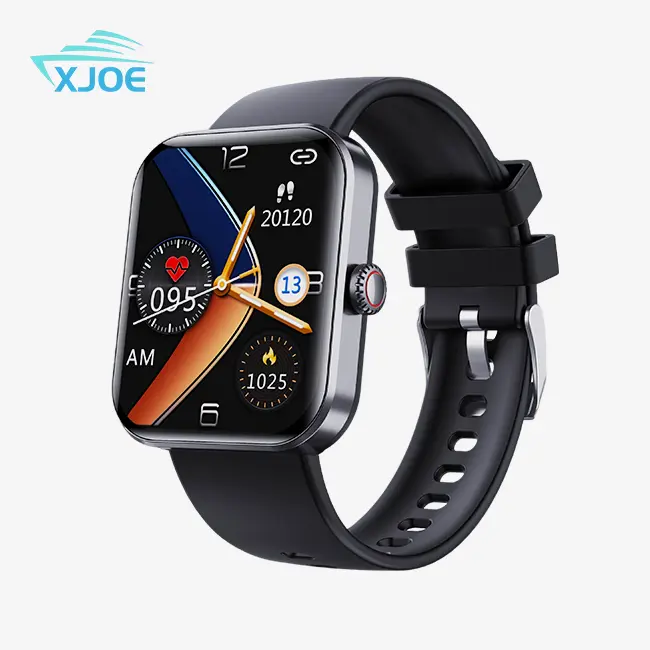
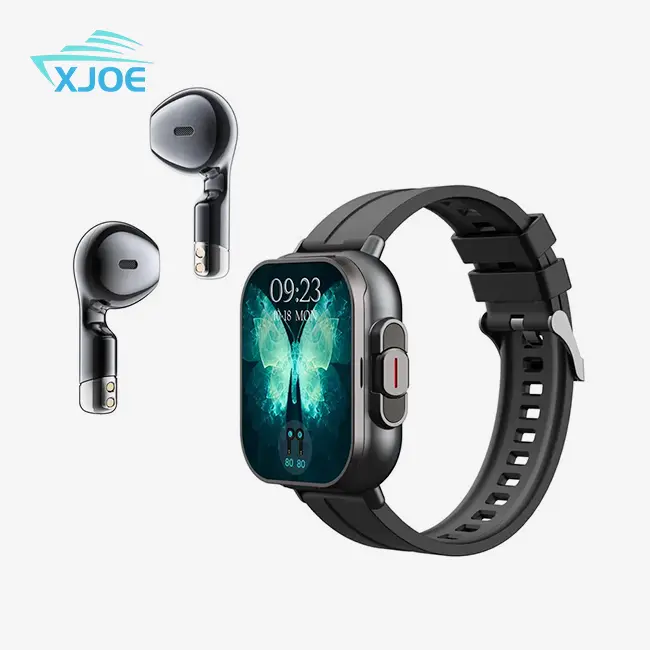
A Comprehensive Guide to Premium Sports Smartwatch
The Premium Sports Smartwatch combines cutting-edge technology with athletic performance tracking to provide health insights, multi-sport capability, and seamless connection. For serious athletes and fitness aficionados, these sophisticated wearables maximize training with accurate biometric sensors, GPS tracking, and configurable interfaces. Choosing the right Premium Sports Smartwatch for Amazon sellers, Shopify brands, and cross-border e-commerce entrepreneurs requires understanding feature differentiation, quality benchmarks, and market positioning to capture high-margin opportunities and satisfy customers with reliable performance.
Understanding Premium Sports Smartwatch Technology
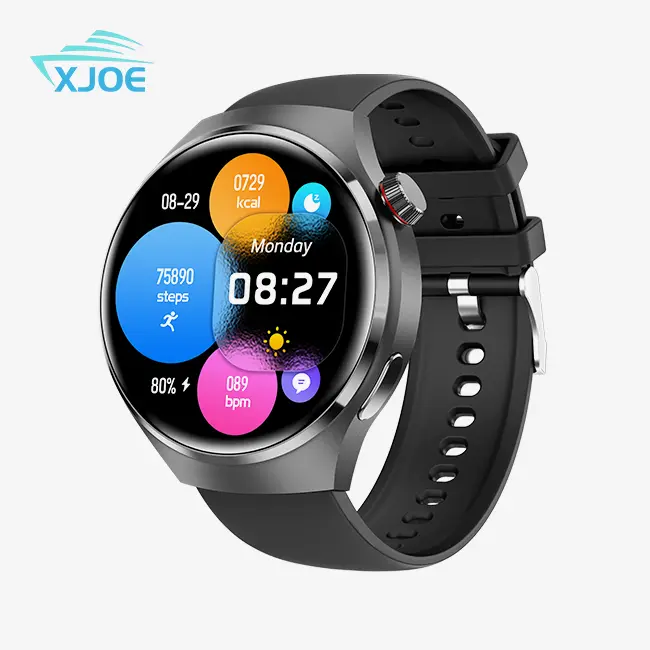
Modern sports smartwatches go beyond step counts. Premium Sports Smartwatches collect real-time physiological data with multi-layered sensor arrays. Flagship versions use the JL7074 processor to support Bluetooth 5.0 and conserve power on a 300mAh battery. This balance guarantees athletes' uninterrupted tracking throughout long training sessions.
The 1.46-inch circular IPS display with 360×360 resolution provides clear readability in bright sunshine, ideal for outdoor runners and cyclists. Zinc alloy structure is lightweight and durable for high-impact applications. IP67 water and dust resistance protects the gadget against sweaty workouts and unexpected rain, but not deep-water swimming.
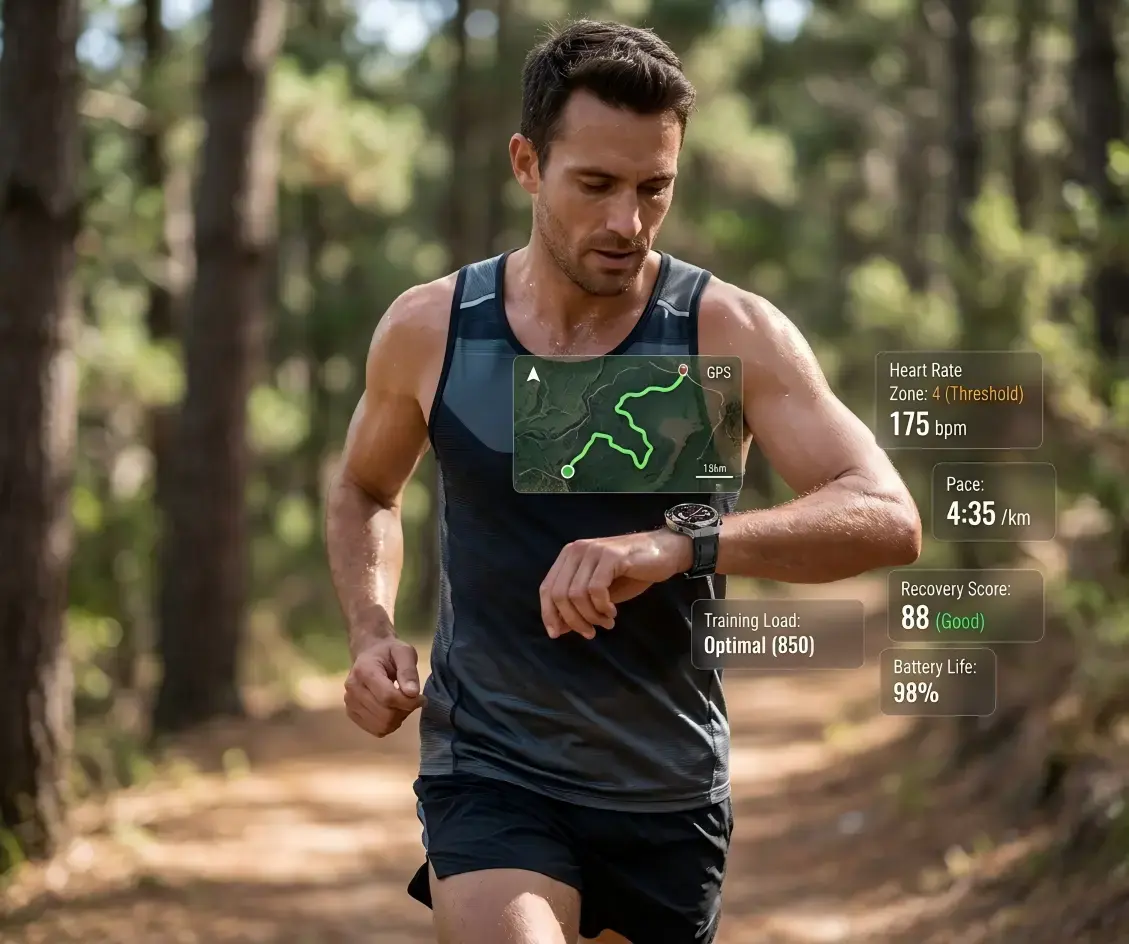
Heart rate monitoring underpins sports analytics. Continuous optical sensors assess cardiovascular response at various intensities, enabling users to maintain fat-burning, endurance, or anaerobic conditioning zones. With the RDFIT app, this data becomes actionable recovery and overtraining insights.
From English to Thai, these watches' firmware supports 28 languages, making them useful for cross-border vendors targeting varied markets. European, Asian, and Middle Eastern customers can use interfaces in their local languages, decreasing usability confusion and return rates.
Key Features That Drive Sales Conversions
Effective Amazon and Shopify product websites promote buyer-pain-relieving characteristics. Serious athletes require GPS functionality. Runners may discover new pathways while measuring mileage and pace using precise route mapping. Elevation data helps cyclists rise on lengthy rides.
Multiple sports modes suit different workouts. Sports smartwatch algorithms adjust to measure data for yoga, basketball, hiking, and HIIT exercise. This adaptability opens up your client base to multi-sport athletes and casual fitness lovers.
User happiness is closely related to battery life. Balanced GPS tracking and smartwatch mode use lasts 5-7 days with a 300mAh battery. Customers like cable-free magnetic charging, which takes 2 hours to fully charge.
Fitness tracking and everyday connection are connected via smart alerts. Calendar reminders, call notifications, and message previews keep users updated without disrupting exercises. Music control capabilities let runners change playlists without using smartphones.
Custom watch faces are useful and attractive. Users may prioritize indicators like heart rate and step count, time, and battery status on brands that offer this capability. Personalization reduces product desertion by increasing emotional attachment.
Quality Control Standards for B2B Sourcing
E-commerce vendors suffer reputational damage when product quality disappoints. Before making big purchases, be sure your supplier has strict quality control. Check sample units for screen responsiveness—dead pixels or slow touch interfaces get unfavorable feedback.
Strap integrity needs attention. Standard silicone bands should not rip under stress and retain suppleness after use. Check clasps for smooth engagement and no inadvertent release during strong movement. Without chipping or discolouration, gun black and silver finishes should be consistent.
Bluetooth pairing stability controls app's functioning. Test connection dependability on numerous smartphone models, especially iOS and Android flagships that make up most of your customers. Users expecting easy data transmission after exercises are frustrated with sync lags or frequent disconnections.
Validating sensor accuracy prevents the worst complaints. During regulated activity, compare heart rate to medical-grade chest straps. GPS tracking precision may be compared to measured course distances. ISO-certified testing lab suppliers provide liability-protection documents.
More than spec documents are needed to verify water resistance values. Submerge test devices in IP67 regulated depths (1 meter for 30 minutes) to check charging ports and button seals for moisture. FBA inventory sellers face warranty problems from even a little water damage.
Strategic Sourcing for Amazon FBA and Shopify Sellers
Low minimum order quantities (MOQ) let vendors evaluate market response before investing in deep inventory. Sample purchases and bulk replenishment when sales velocity grows are possible with Xizhou's variable order structures. This reduces seller inventory pressure during fast trend changes.
Private label branding makes smartwatches unique. Branded app interfaces, case back engraving, and box inserts stand out in saturated markets. Branded items are worth more to buyers than generic factory defaults.
Fast replenishment cycles meet e-commerce businesses' short-term refilling demands. When a product listing acquires popularity due to influencer marketing or seasonal demand spikes, supplier delays cause stockouts that hurt search rankings. Reliable manufacturers keep buffer inventories and speed production to catch sales windows.
Price competition influences profit margins. Consider shipping, customs, and marketplace fees to determine markups. When obtained efficiently, Premium Sports Smartwatch units with extensive feature sets can sustain 40-60% profits, but only if initial procurement prices match market pricing tolerance.
Customs and regulatory compliance are simplified by certification. CE certification for Europe, FCC approval for the US, and RoHS compliance for the environment avoid shipping holds that interrupt sales. Request full certification before signing supplier agreements.
Application Scenarios That Resonate with End Users
Marketing text that shows real-world use is more effective than listing specs. GPS route monitoring helps marathon runners navigate new cities during destination races and discover ideal pacing techniques without getting lost. Mid-race burnout is prevented by heart rate monitoring alarms when exertion exceeds acceptable limits.
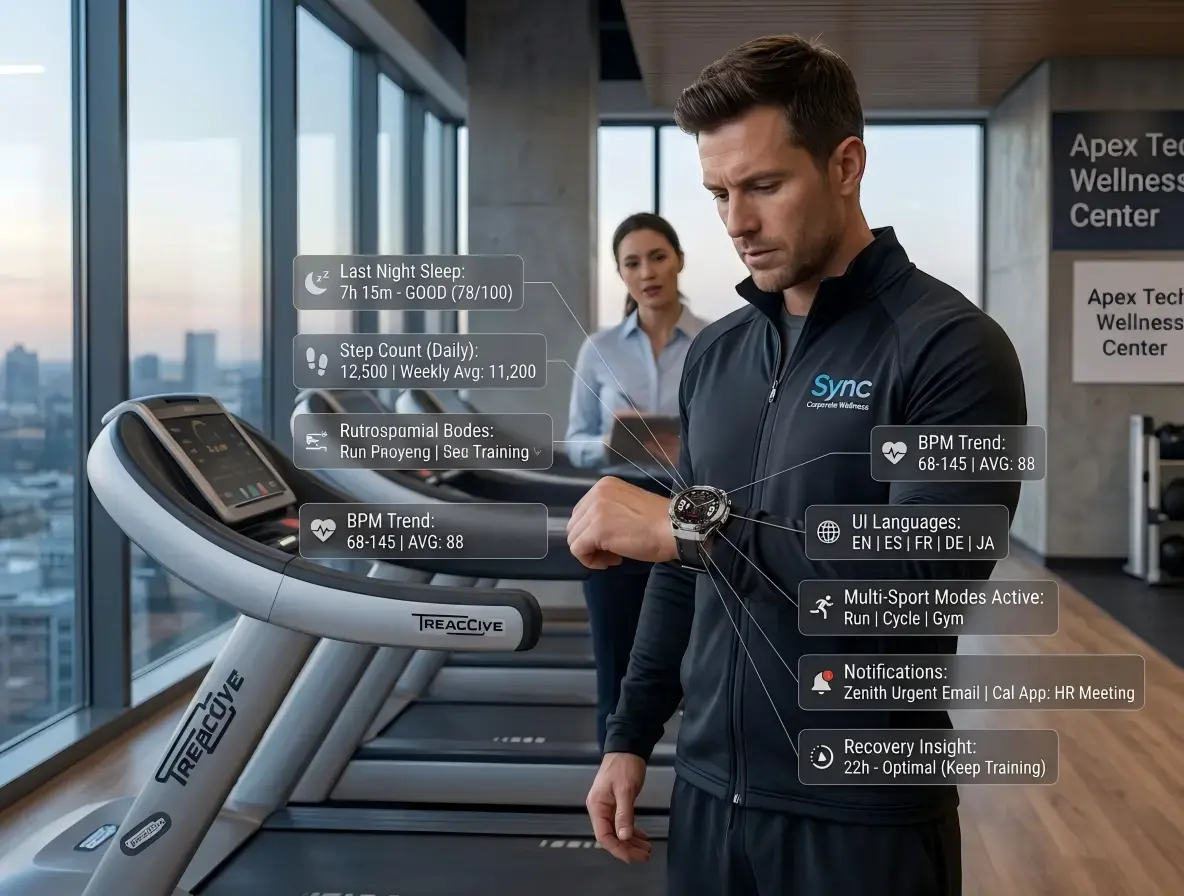
Corporate wellness is a rising B2B opportunity. HR departments buy customized wearables for employee wellness campaigns and measure activities through dashboards. Logoed gadgets show business commitment to employee well-being and track participation.
Fitness studios and personal trainers use wearables for client involvement. Trainers use real-time biometric data to change training intensity based on cardiovascular reaction, not perceived effort. Programme tweaks based on post-session statistics boost client performance and retention.
Hikers on different terrain need sturdy construction. Altimeters measure mountain path elevation increase, while foot counters track daily exploration. Water resistance gives peace of mind whether crossing streams or tropical downpours.
Youth sports leagues use synchronized gadgets for team tasks. Coaches track roster conditioning to identify athletes who need more cardio. Achievement badges encourage younger people to work out consistently.
Comparing Standard Fitness Trackers vs Premium Sports Smartwatches
Budget fitness trackers measure basic parameters but lack premium sensor accuracy and construction quality. Standard models' lower-resolution screens wash out in intense light, discouraging outdoor athletes. Less expensive Bluetooth chips fail to sync, leaving users without post-workout data.
Premium Sports Smartwatches justify higher prices with better materials and features. Zinc alloy casings may tolerate plastic housing cracks. IPS screen technology allows mid-exercise metrics checks without stopping.
Battery architecture varies greatly. Economy trackers compromise performance for long runtime, while premium versions balance power delivery for GPS activation, continuous heart rate monitoring, and notification processing. This is important for extended training days with various features.
App ecosystem depth classifies. Premium smartwatches link with systems like RDFIT for training load analysis, recuperation advice, and progression monitoring, while basic trackers give basic charts. Third-party apps add dietary recording, sleep stage analysis, and social sharing to health management systems.
Firmware upgrades and warranty support show the manufacturer's commitment. Premium brands release software updates that add features and improve accuracy. Budget gadgets sometimes launch without support, becoming outdated as OSes change.
Customization Options That Boost Brand Value
OEM/ODM services for brand commodity products. Laser engraving on stainless steel, printed silicone straps, and unique boot screens that reveal brand identification when devices power up are logo placement alternatives. Custom box designs, instructional inserts, and straps enhance branding.
Custom software interfaces generate unique user experiences. Change watch faces, menus, and brand colors with development partners. Some merchants provide specialist sports exercise modes, marketing their gadgets as specialized tools rather than monitors.
Bulk order packing improves unboxing and lowers unit costs. Corporate buyers of promotional products and retailers setting up retail displays need gift-ready presentation. Magnetic closing packaging, foam inserts, and charging ports add value.
Custom firmware language meets regional market demands. For medical applications, some suppliers seek dialect variants or industry-specific terms beyond 28 languages. HIPAA-compliant data and health metric displays may be needed for hospital wellness initiatives.
Strap variation attracts diverse demographics. Leather or metal links make gadgets informal, whereas silicone bands are sporty. Strap packages increase cart values and minimize returns from unhappy consumers with default band styles.
Navigating Common Pitfalls in Smartwatch Procurement
Product quality variations across batches quickly ruin vendor reputations. Check quality at component verification, assembly inspection, and final functional testing. Test processes should be filmed before shipping.
The rapid price swings in the electronics sector decrease margins. Build component cost volatility safeguards within price agreements. Quarterly rate locks from some vendors sustain procurement costs despite market changes.
Late shipments hamper launches and promotions. Allow additional weeks for production delays and customs clearance in project timeframes. Depending on urgency and budget, choose air freight for speed and sea freight for cost.
Warranty claims for the sports smartwatch need defined protocols. Define fault types, replacement methods, and costs upfront. Suppliers with warranty-specific replacement inventories reduce customer wait times, benefiting sellers.
When sourcing in competitive marketplaces, IP issues arise. Check for patent and trademark infringements in design aspects. Request indemnity provisions to safeguard your brand against supplier-provided component or software lawsuits.
Conclusion
The Premium Sports Smartwatch market offers substantial opportunities for sellers who understand quality differentiation, customization potential, and customer expectations. Advanced features like GPS tracking, heart rate monitoring, and multi-sport modes address genuine athlete needs while appealing to broader fitness-conscious demographics. Strategic sourcing partnerships with experienced manufacturers like Xizhou enable rapid market entry, flexible inventory management, and brand-building customization. By prioritizing product quality, regulatory compliance, and responsive supply chain practices, e-commerce entrepreneurs position themselves for sustainable growth in this dynamic electronics category.
Partner with Xizhou: Your Premium Sports Smartwatch Supplier
Xizhou specializes in delivering high-quality Premium Sports Smartwatch solutions tailored for Amazon sellers, Shopify brands, and distributors seeking reliable manufacturing partnerships. Our AI-driven product development integrates market trend analysis with engineering excellence, ensuring every device meets evolving consumer expectations.
We maintain substantial inventory across popular configurations, enabling rapid order fulfillment that keeps your listings active during high-demand periods. Flexible MOQ policies support both test marketing phases and large-scale rollouts. Comprehensive certification packages—including CE, FCC, and RoHS documentation—simplify international compliance.
Our OEM/ODM customization services transform your brand vision into market-ready products. From logo engraving to firmware personalization, we guide you through every customization decision. Responsive customer support and transparent communication ensure you stay informed throughout production cycles.
Contact our team at 13266508958@163.com to discuss your Premium Sports Smartwatch sourcing needs. Whether you're launching a new product line or scaling existing operations, Xizhou provides the manufacturing expertise and supply chain reliability that drives e-commerce success.
References
1. Johnson, M. (2023). Wearable Technology in Athletic Performance: Engineering and Application. Sports Science Publishing.
2. Chen, L., & Rodriguez, A. (2022). Quality Assurance Protocols for Consumer Electronics Manufacturing. International Standards Institute.
3. Williams, T. (2024). E-Commerce Strategies for Electronics Sellers: Market Analysis and Growth Tactics. Digital Commerce Press.
4. Kumar, R. (2023). Sensor Technology in Fitness Wearables: Accuracy and Consumer Expectations. Journal of Applied Health Technology, 15(3), 112-128.
5. Thompson, S., & Lee, H. (2022). Global Supply Chain Management for Smart Devices. Manufacturing Excellence Quarterly.
6. Anderson, P. (2024). Brand Differentiation in Competitive Electronics Markets: OEM and ODM Strategies. Business Innovation Review, 8(1), 45-62.