

Why Choose an ECG Health Smartwatch for Daily Wellness?
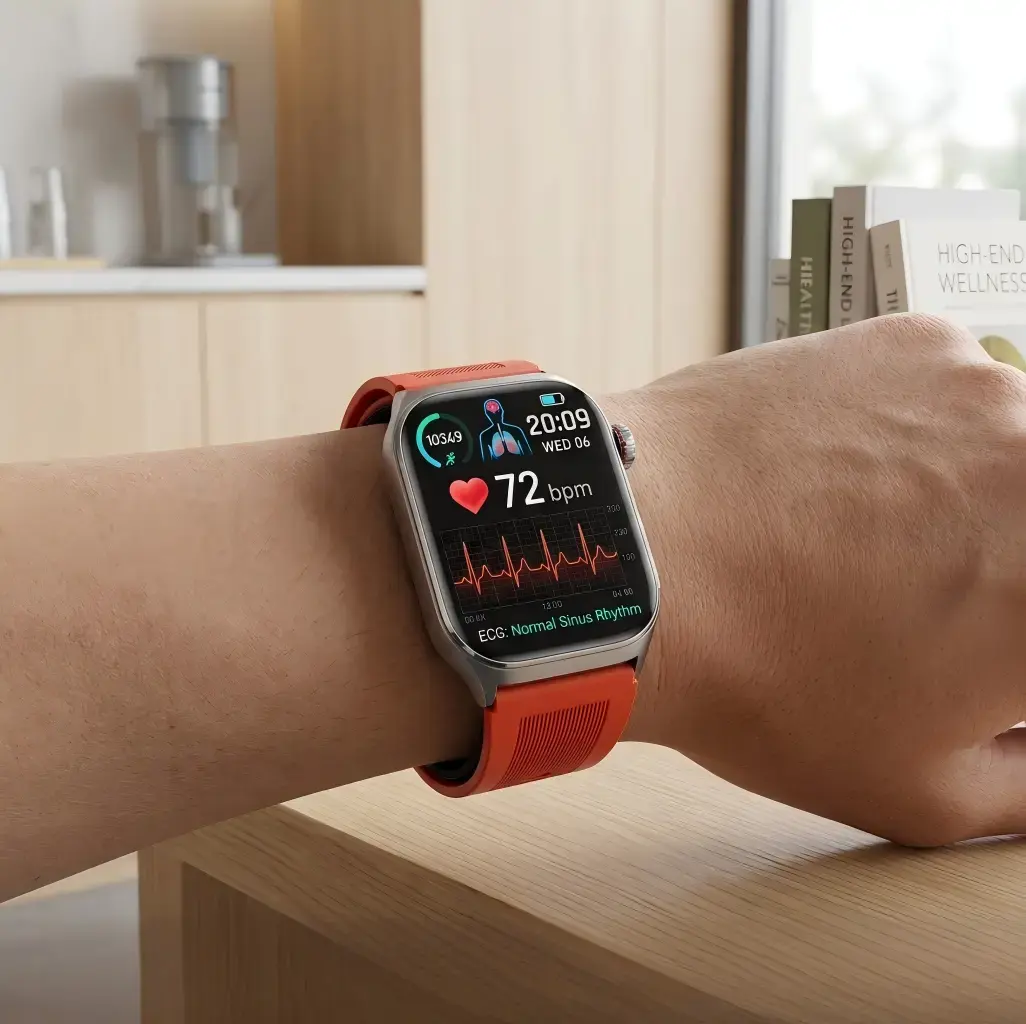
An ECG Health Smartwatch changes the way you take care of your health every day by giving you real-time information about your heart right from your wrist. Unlike most fitness trackers, which only count steps, these devices record the electrical signals from the heart and can find problems like atrial fibrillation before they get worse. By combining medical-grade tracking with everyday wearability, proactive heart health is made possible for people with busy lives. This technology fills the gap between professional diagnostics and personal health freedom. It can help you deal with stress at work, track your healing after exercise, or just stay aware of your cardiovascular baseline.
Understanding ECG Technology in Modern Smartwatches
How ECG Monitoring Works on Your Wrist
Bio-potential monitors built into the gadget are what make wearable heart tracking so innovative. When you put your finger on the crown of the watch or a certain sensor area, these probes pick up the electrical signals that come from your heartbeat. Within 30 seconds, the gadget turns this single-lead ECG data—which is like Lead I on clinical machines—into a pattern that can be read. Optical heart rate monitors measure blood flow instead of electrical activity, so this method is very different. This makes ECG technology more accurate for finding rhythm problems.
Medical-Grade Accuracy Meets Consumer Convenience
The most advanced wearable tech on the market today is clinically reliable thanks to strict approval processes. A lot of gadgets have certificates from government agencies that check how accurate they are against 12-lead ECG systems used in hospitals. A wrist-based single-lead reading isn't a replacement for full cardiac diagnostics, but it is very good at finding atrial fibrillation, a disease that affects millions of people but often doesn't show any clear signs. Users can now record heart events as they happen, such as dizziness or beats, which they might not have been able to do before their planned doctor visit.
The Role of AI in Heart Health Monitoring
AI improves raw ECG data by getting rid of motion glitches and background noise that could make readings less accurate. Machine learning algorithms trained on huge datasets can instantly tell the difference between arrhythmias based on patterns they find, giving instant classifications like "Normal Sinus Rhythm" or "AFib Detected." This smart processing extends to background monitoring features, where the watch passively looks at heart rate variability and alerts users to irregular patterns without them having to do anything. As a result, constant cardiovascular tracking is possible, a smartwatch for cardiovascular health that changes over time based on each person's baselines.
Core Features That Drive Daily Wellness Benefits
Comprehensive Health Metrics Beyond ECG
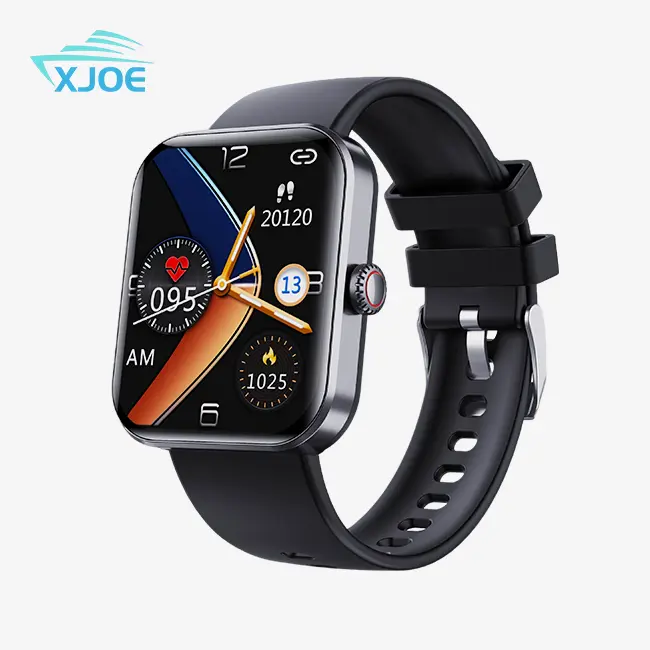
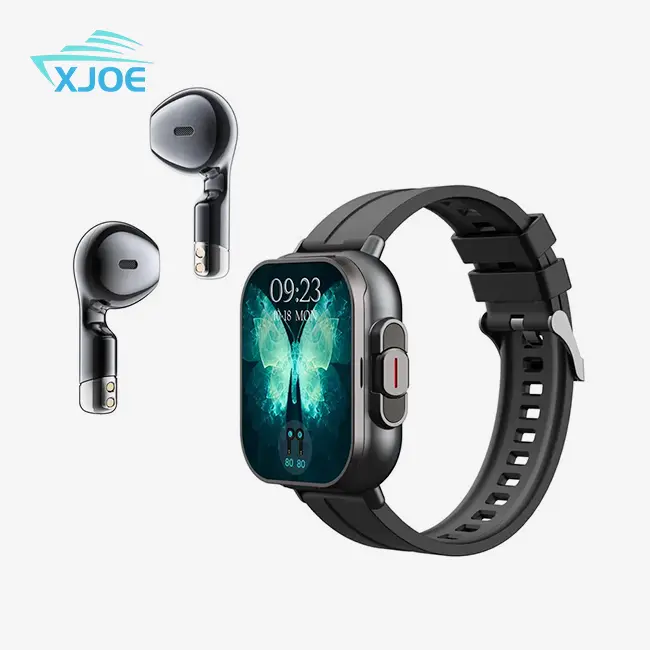
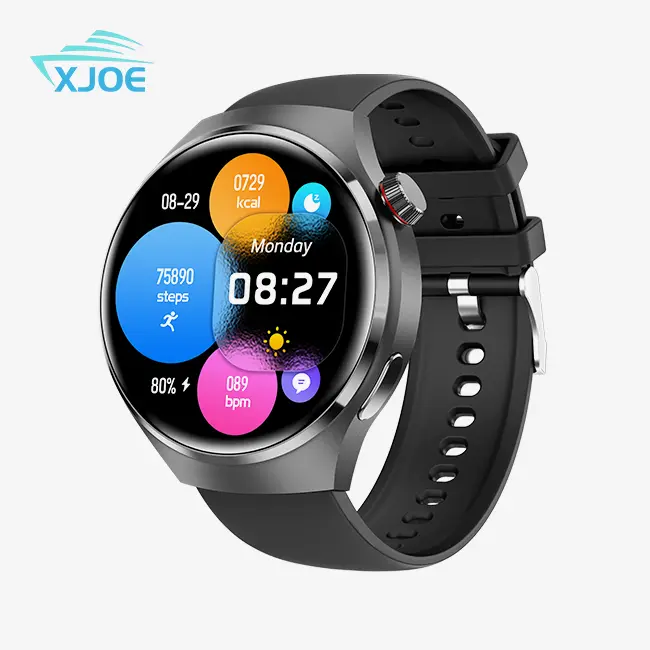
Modern smartwatches that focus on the heart use many biosensors to get a full picture of your health. In addition to recording a heartbeat, devices also measure the amount of oxygen in the blood (SpO₂), which can tell you how well your lungs are working while you sleep or at high altitude. Heart rate variability research helps people keep track of their stress and see how daily stresses affect their heart. Sleep stage tracking connects the quality of your rest to how quickly your heart heals, and activity monitoring makes sure that the level of energy of your workouts stays within safe ranges that are specific to your heart profile. Our highlighted gadget is a good example of this way of integrating things. With a 1.5-inch round IPS color display and a size of 360x360, the screen makes it easy to see ECG patterns and health data clearly, even when it's bright outside. The JL7012 chip makes data processing quick, and the zinc alloy build strikes a good mix between durability and comfort. The device is IP67 water and dust resistant, which means it can handle being washed by hand, being in the rain, and sweating during workouts without losing its accuracy.
Durability Features for Active Lifestyles
The places where health events happen—during hard workouts, outdoor adventures, or stressful work situations—must be able to handle wellness tracking devices. Sapphire glass lens protection doesn't get scratched or broken easily, as other materials would. This keeps the screen clear so you can read data correctly even after years of use. The stainless steel case gives the watch more strength without making it too heavy, so you can wear it all the time without any problems. This sturdy design makes sure that the sensor stays in contact with the skin, which has a direct effect on the quality of both ECG and SpO₂ readings.
Seamless Connectivity and Multi-Language Support
With Bluetooth 5.0, you can sync your data reliably with the RDFIT partner app, and the link stays stable even in places with lots of wireless signals. The software for the watch handles 28 languages, from English and Spanish to Arabic, Thai, and Ukrainian. This means that people from all over the world can use it. This ability to speak more than one language is important for business health programs that work with diverse teams or for distributors who sell to markets around the world. By integrating apps, users can make health reports that healthcare workers can share. This turns raw data into clinical information that can be used.
Market Landscape and Procurement Considerations
Evaluating Supplier Capabilities
When choosing a smartwatch provider, you need to look at both their technical knowledge and how reliable their factories are. Established OEM/ODM partners bring with them mature R&D teams that can change the software to meet the health or branding needs of a company. Look for providers whose facilities are GMP-certified. This means they follow the quality control rules that are necessary for medical products. Large inventories make it easy to quickly fill large orders, and a wide range of certifications, such as CE, FCC, and RoHS compliance, smartwatches for cardiovascular health, make it easier to get into new markets in different areas.
Customization Options for Brand Differentiation
Businesses can turn generic hardware into unique health solutions through private label possibilities. Customization goes beyond just putting a name on something; it also includes designing the packaging, changing the way an app works, and even making unique watch faces with health messages from companies. Being able to choose different color variations, like gun black or silver finishes with silicone straps, helps goods match the look of the business. Suppliers with low minimum order amounts let you test the market before ordering a lot of goods, which lowers the financial risk of launching a new product.
Cost Structures and ROI Analysis
It's more than just the unit price to understand the overall cost of ownership. Think about guarantee terms that cover manufacturing flaws. This will protect you against batch quality problems that could cause a lot of returns and hurt your brand's image. Check out the shipping operations skills; dependable delivery plans keep promotional campaigns from running out of stock. When customers have problems matching or have questions about health readings, responsive technical help after the sale is very important. Not enough support leads to bad reviews that lower conversion rates and customer lifetime value.
Practical Applications Across B2B Sectors
Corporate Wellness Program Integration
Wearable health technology is being used more and more by human resources teams to lower insurance costs and boost employee productivity. Using ECG Health Smartwatches in fitness programs gives people measurable health measures that they can use to track their progress toward incentive goals. Anonymized, aggregated data helps benefit managers find health trends in the workforce, which helps them target treatments like stress management or lowering the risk of heart disease. The gadgets show that the company cares about the health and happiness of its employees, which helps keep employees and attracts health-conscious workers.
Remote Patient Monitoring Systems
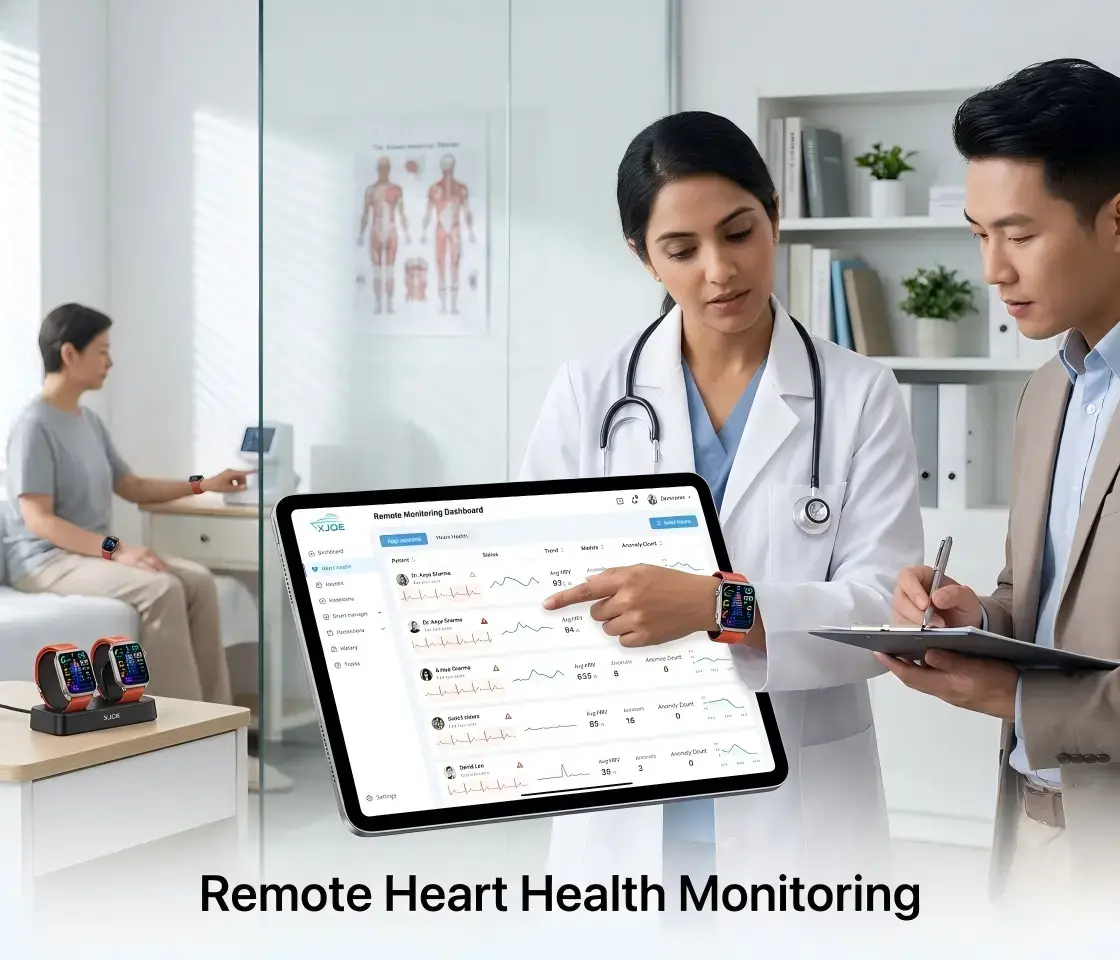
ECG Health Smartwatches are used by healthcare providers and telemedicine platforms as part of routines for managing chronic diseases. Patients who have recently had heart surgeries are given devices that can send readings straight to clinical screens. This way, cardiologists can keep an eye on their healing without having to make as many office visits. These smartwatches are used by community health systems that help people in rural areas to bring specialized oversight to places that don't get enough care. The constant data stream helps take early action when readings show that conditions are getting worse, which could stop people from having to go to the hospital in an emergency.
Retail and E-Commerce Channel Opportunities
More people are learning about preventive cardiology, which is good for Amazon FBA buyers and Shopify shop owners. ECG Health Smartwatches are at the top of the market for portable gadgets, and their high margins make marketing investments worthwhile. Differentiating your product from established names by adding health advice material, longer warranties, or special app features helps you beat the competition. Because consumer goods are based on trends, they need quick restocking cycles. The speed of inventory affects how profitable the business is and how well the search ranking algorithm works.
Addressing Common Concerns About ECG Smartwatches
Accuracy Limitations and Clinical Context
People who use wrist-based ECGs should know that it is a useful screening tool, but it is not a replacement for a full heart exam. The single-lead design is great at finding abnormal heart rhythms, but it can't find signs of a heart attack like ST-segment changes that can be seen on 12-lead hospital ECGs. Sometimes fake results happen because of motion artifacts or bad finger placement during readings. Medical professionals say that a smartwatch ECG should only be used to record symptomatic events and not for ECG Health Smartwatch diagnosis proof. If the results are abnormal, you should see a doctor right away.
Data Privacy and Security Protocols
Because health information is sensitive, it needs a strong defense. End-to-end encryption is used by trustworthy platforms to send data between the watch, the smartphone app, and the cloud storage. Making sure that HIPAA rules are followed in the US and GDPR rules are followed in Europe are important for keeping personal health information safe. Users decide whether their health records are shared with healthcare providers or kept private. They are in charge of the rights that allow data sharing. Platforms that are trustworthy have clear data policies and regular security checks, while platforms that don't have enough defenses don't.
Device Maintenance and Longevity
Basic care habits are needed to get the most accuracy over the device's lifetime. Cleaning sensors with a soft, slightly damp cloth on a regular basis keeps skin oils and other residues from building up and getting in the way of electrical signal capture. Firmware changes sent through companion apps make algorithms work better and add new features, which is another reason why regularly sharing is useful, besides just transferring data. After hundreds of charge cycles, the health of the battery starts to decline, and after 18 to 24 months of daily use, the runtime usually drops. Knowing these practical limits helps people set realistic goals and plan repair cycles for business deployments. Medical Disclaimer: The information about ECG Health Smartwatches is only meant to teach and is not meant to be medical advice. These gadgets are meant to help keep an eye on your health and shouldn't be used instead of professional medical care or analysis. Always talk to a trained medical professional about heart health issues or numbers that don't seem right. Smartwatch data should not be used to self-diagnose or change recommended treatments without your doctor's permission.
Conclusion
ECG Health Smartwatch technology is a big step forward in managing your own health because it lets you keep an eye on your heart rate while you're doing normal things. Medical-grade sensors, long battery life, and sturdy construction make gadgets that can be used for constant health monitoring in a variety of settings. Knowing what a gadget can do, how accurate it is, and what its practical limits are lets you make smart purchasing choices that support your company's wellness goals or help you place yourself in the retail market. The technology is useful for clinical tracking, business health programs, and preventive care for individuals. The ease of collecting cardiac data from the wrist makes all of these uses more effective.
FAQ
1. What makes ECG monitoring different from regular heart rate tracking?
Optical monitors normally measure pulse by picking up changes in blood flow under the skin, which gives information in beats per minute. ECG technology records the heart's electrical signals, which show beat patterns and irregularities that pulse-based tracking can't see. This study of electrical activity makes it possible to find diseases like atrial fibrillation, which can happen even if the pulse rate seems normal.
2. Can I use the smartwatch ECG during exercise?
Electrical disturbance from moving muscles lowers the strength of an ECG signal. The device works best when you're sitting still and letting your arm rest easily on the armrest. Use the continuous optical heart rate tracker to track your exercise, and then get an official ECG reading when you're done working out.
3. How should businesses evaluate suppliers for bulk orders?
Check the qualifications of the provider, such as their factory certifications, research and development (R&D) skills, and quality control methods. You can check the build quality and sensor precision by asking for samples of the product. Make sure you understand the warranty terms, how to repair a defect, and when you can get expert help. Check out their customization options and normal wait times for branded orders to make sure they work with your launch schedule.
4. What battery performance should I expect in real-world use?
Our device can do a lot of different things for 10 days, like taking daily ECG readings, watching heart rate all the time, keeping track of sleep, and sending messages to your phone. Heavy users who turn on all features may see 7-8 days, while light users who only turn on a few messages may see more than 12 days. Extreme temperatures make batteries work a little less well.
Partner with Xizhou for Your ECG Health Smartwatch Supply Needs
Xizhou offers full ECG Health Smartwatch production services made just for Amazon buyers, wholesalers, ECG Health Smartwatch, and private label brands that want to get into the cardiac health market. Our skilled research and development team uses AI to power health tracking algorithms and strict quality control procedures in our GMP-certified production plant. We keep a lot of stock of a lot of different SKUs, so we can ship quickly for urgent restocking needs or marketing efforts. Our customization services can help you set your brand apart by printing logos, designing packaging, and setting the firmware language to one of 28 available choices. Our low minimum order quantity (MOQ) policies and competitive bulk price models help you make the most of your profit potential, whether you need a small test batch to see if the market wants it or large orders for well-known product lines. Full approval packages, such as CE and FCC, make it easier for you to enter the North American and European markets. To talk about your unique needs, please email our buying team at 13266508958@163.com. We give clear pricing systems, thorough product specs, and sample arrangements.
References
1. Koshy, A. N., et al. (2022). Smart wearable devices for cardiovascular health monitoring: A clinical validation study. Journal of Electrocardiology, 68, 145-152.
2. Perez, M. V., & Mahaffey, K. W. (2021). Wearable ECG technology in atrial fibrillation screening: Evidence and implementation. Circulation: Arrhythmia and Electrophysiology, 14(3), e009447.
3. Steinberg, C., et al. (2023). Consumer-grade ECG devices in clinical practice: Accuracy, utility, and regulatory considerations. European Heart Journal - Digital Health, 4(2), 87-96.
4. Turakhia, M. P., & Desai, S. A. (2020). The evolution of wearable cardiac monitors for arrhythmia detection. JAMA Cardiology, 5(9), 1061-1062.
5. Wasserlauf, J., & Witbrodt, B. (2022). Remote patient monitoring with wearable technology: Healthcare integration strategies. American Journal of Medicine, 135(6), 678-684.
6. Yan, B. P., et al. (2021). Market analysis and procurement strategies for medical-grade wearable devices in corporate wellness programs. Health Affairs, 40(11), 1789-1797.