
What Is an NFC Enabled Smartwatch and How Does It Work?
An NFC enabled smartwatch is a wearable device built with Near Field Communication technology — a short-range wireless protocol operating at 13.56 MHz — that allows the watch to exchange data with compatible terminals, phones, or tags within approximately 4 centimeters. Unlike Bluetooth or Wi-Fi, NFC requires no manual pairing and activates almost instantly. For B2B buyers and online sellers, this means faster transactions, reduced friction in daily workflows, and a product feature that genuinely drives consumer purchasing decisions on platforms like Amazon and TikTok Shop.

Understanding NFC-Enabled Smartwatches
If you want to buy or sell a contactless payment smartwatch, it helps to know how NFC works inside a wearable device.
How NFC Communication Works
Electromagnetic induction between two wires is how NFC works. From time to time, the watch can be used as either a trigger or a target. When the watch is tapped on a payment terminal, it sends encrypted token data instead of real card numbers, acting like a fake card. This tokenization process is what makes wireless transactions safer than using magnetic stripe cards.
NFC vs. Bluetooth vs. Wi-Fi
NFC can only send data up to 4 cm away, while Bluetooth can usually go up to 10 meters and Wi-Fi can go up to 30 meters or more. The short range is not a problem; it's a safety feature. For transit gates, cash registers, and entry control systems, being close is on purpose. There are no unexpected triggers, and the battery doesn't drain from scanning all the time.
Key Functions an NFC Smartwatch Delivers
NFC in smartwatches does more than just let you pay with a hit. Here are the three most common types of functions that buyers and sellers should know about:
- Contactless payments: The watch stores tokenized card data and communicates with payment readers. Regional support for transit systems (buses, subways) is common in markets across Asia, Europe, and parts of North America.
- Smart tag interaction: Tapping programmable NFC tags can trigger phone actions — toggle Wi-Fi, open apps, or log check-in data — useful for field staff or retail environments.
- Device pairing acceleration: NFC can initiate Bluetooth pairing in seconds, reducing setup time for business deployments with multiple devices.
These features make wearables with NFC a clear winner when it comes to both customer draw and business-to-business use.
Comparing NFC Smartwatches: What Businesses Need to Know
There are differences between NFC smartwatches. The changes are important for procurement teams and dealers who are looking at SKUs.
NFC Models vs. Non-NFC Models
A smartwatch that doesn't have NFC can still keep track of health data, show messages, and check on sleep. What it can't do is talk to real things like access readers, payment systems, or transport gates. For Amazon sellers who want to attract people who are focused on work or who travel, NFC is a real selling point that lets them charge a higher price and lowers the number of returns caused by "missing feature" concerns.
Android Compatibility Considerations
Most mid-range NFC smartwatches use ecosystems that work with Android or their own RTOS. It works well with most Android phones, but it's still harder to use NFC payments on iOS devices because Apple's NFC design is closed. This isn't usually a problem for resellers who want to sell to Android-heavy markets or companies that use Android.
Battery Life With NFC Active
NFC doesn't use much idle power because it only works when it's tapped, which takes only a few hundredths of a second. Even with NFC support turned on, the gadget in this story has a battery life of 5 to 10 days on a single magnetic charge. That's a good battery life for a watch with a 1.39-inch AMOLED screen and full health monitoring at the same time.
How to Use NFC Features on Smartwatches: A Practical Guide
Most of the time, setting up NFC on a smartwatch doesn't take more than two minutes. In real life, this is how the process works.
Initial Setup and Configuration
To add a supported card or metro pass on an Android-paired device, the user starts the companion app, goes to wallet or payment settings, and adds the card or pass. After that, the watch stores a tokenized copy on its own. At the tap point, you don't need to be connected to the internet for the transaction to go through. The NFC chip and the terminal's reader handle everything.
Real-World Use Cases for Business Buyers
Drop-shipping companies and Amazon sellers can make better listing copy and ad targeting if they know how their products are actually used every day. When this device is most useful, these things happen:
- Daily commuting: Tap the watch at subway gates or bus readers instead of pulling out a phone or card. Particularly relevant in cities with contactless transit infrastructure.
- Retail checkout: Tap to pay at NFC-enabled POS terminals. Works at most major US retailers that accept contactless payments.
- Corporate access control: Some enterprise deployments use NFC wearables to replace key cards for office entry, reducing hardware costs.
These situations are directly linked to product copy that turns browsers into buyers.
Security Protocols and Data Safety
Tokenization and security are baked into NFC cards at the hardware level. The card number itself is never sent. Also, most NFC payment systems need the watch to be on the wearer's wrist or open before the transaction can go through. This adds an extra layer of security. This should be in the seller paperwork for B2B buying teams that are looking at devices for company gifts or employee deployment programs.
Procurement Insights: Choosing and Buying NFC-Enabled Smartwatches
It takes more than reading a spec sheet to find the right product in the right quantity.
Criteria for B2B Evaluation
This is what you should look for in an NFC smartwatch seller to see if your decision will hold up over multiple restocking cycles:
- Spec verification: Confirm NFC chip compatibility with target regional payment networks before placing bulk orders.
- Certifications: CE, FCC, and RoHS certifications matter for US and European market entry. Ensure your supplier provides documentation.
- MOQ flexibility: For testing new SKUs on Amazon or TikTok Shop, suppliers offering low MOQ trial batches reduce financial exposure significantly.
When you work with a verified OEM factory instead of a trading middleman, you can usually be sure of better quality control and make changes to the packaging or firmware more quickly.
Product Spotlight: Xizhou NFC Smartwatch
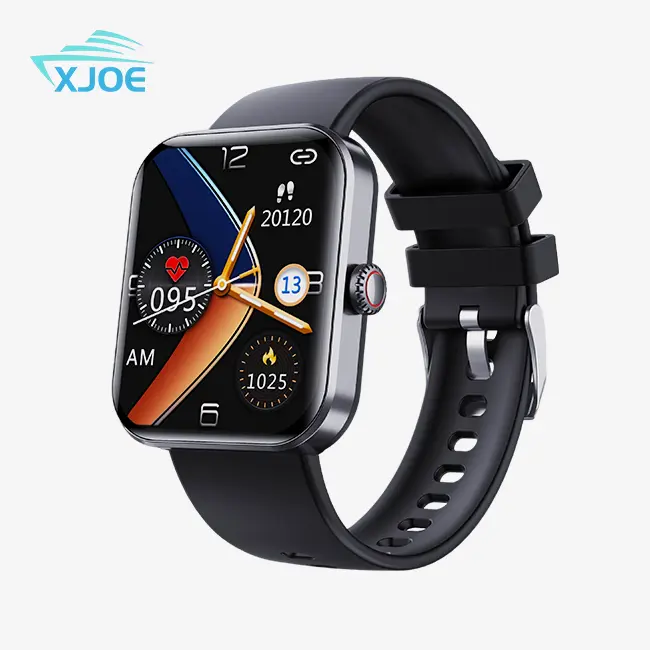
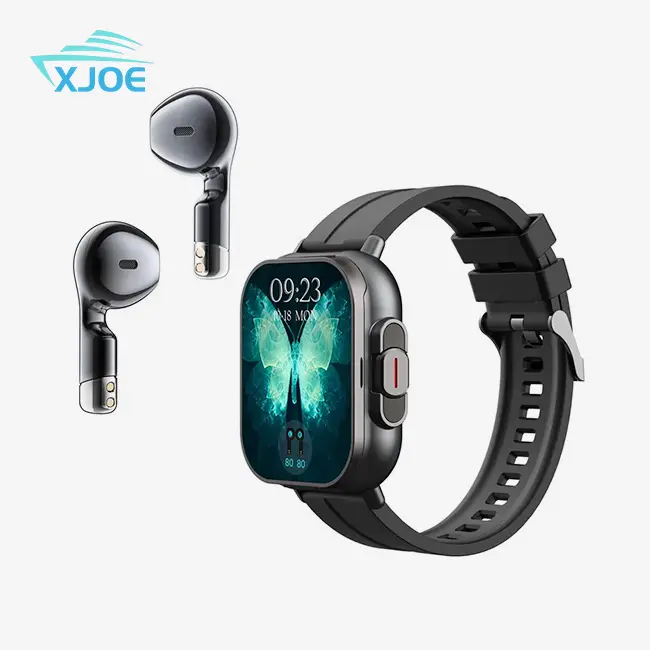
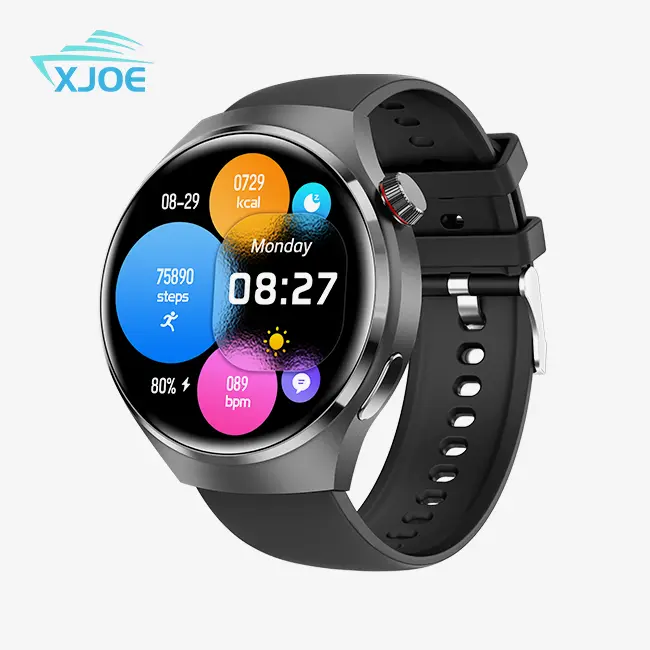
This 1.39-inch AMOLED smartwatch from Xizhou works with Android and has a resolution of 466x466. It has an IP67 water-resistant alloy case and a rubber/silicone strap. The body is made of aluminum, which makes the unit light without losing its strength. It is not only a payment device; it is also a really useful daily health tool that can sense stress and lead you through guided breathing exercises. The NFC chip works with payment and transit systems, and the magnetic charging method makes it easy to use for store purchases.
These benefits fill a real need in the market for a health-focused, fashion-forward gadget with NFC capabilities at a price point that lets Amazon make good earnings.
Warranty and After-Sales Support
After-sales services have a direct effect on review results for any reseller. Working with a supplier whose quality is consistent across batches and whose technical support is quick to respond lowers the risk of returns and bad feedback, two problems that always hurt seller rankings.

Future Trends and Strategic Value of NFC Smartwatches in Business
The use of NFC in smart tech is not a passing fad. The NFC Forum says that more than 2 billion NFC devices were shipped around the world in 2022, with wearables making up a rising part of that total. There are already business tests going on in North America and Europe that are integrating with IoT access systems, AI-driven health tracking platforms, and enterprise authentication systems.
NFC and IoT Integration
Wearable tech is being used more and more in smart offices as a way to log in to printers, lockers, and meeting rooms. An NFC-enabled watch can be used instead of several single-use cards, which saves money on hardware and makes carrying around multiple passwords easier.
AI and Health Monitoring Convergence
The market is moving toward passive, ongoing biometric data read by onboard or cloud-based AI. This device's auto stress recognition is a good example of this. When sellers market NFC smartwatches as health tools instead of just payment items, they tend to get more buyers and keep them coming back for more.
Preparing for Market Adoption
For Amazon FBA sellers and direct-to-consumer brands, this means that NFC is now an important feature for mid-range to high-end smartwatches. Finding devices that don't have it makes it harder to reach people, especially people aged 25 to 44, who already expect gadgets to be able to handle contactless payments.
Conclusion
NFC enabled smartwatches have gone from being a novelty to a must-have for people who want their devices to do more in their daily lives, such as tracking their health and making quick purchases at stores. If you sell on Amazon, Shopify, or TikTok Shop, having NFC-enabled gadgets like the Xizhou AMOLED model puts your store ahead of stores that only sell basic fitness trackers. A light alloy body, a battery that lasts 5–10 days, auto stress detection, and NFC support all work together to make a product that gets good reviews and is bought again and again, which are the two most important things for long-term market growth.
FAQ
1. Is NFC on a smartwatch secure for payment transactions?
Yes. NFC payments use tokenization, meaning your actual card number never transmits during a transaction. The watch sends a one-time encrypted token to the payment terminal. Most implementations also require the watch to be active or worn before authorizing, adding a physical layer of protection.
2. Does this smartwatch work with Android phones?
Yes, this device is designed for Android compatibility. NFC pairing and companion app features work with standard Android smartphones. iOS NFC payment integration is more restricted by Apple's platform architecture, so Android is the recommended pairing environment for full NFC functionality.
3. What should I check before placing a bulk order for NFC smartwatches?
Verify the NFC chip supports your target regional payment network, confirm FCC and CE certifications for your sales market, and request samples before committing to volume. Working directly with an OEM factory like Xizhou gives you access to spec customization and quality documentation that resellers and intermediaries typically cannot provide.
4. Can the NFC feature be customized or disabled for OEM versions?
Yes. OEM configurations can adjust NFC feature visibility in the firmware or companion app interface depending on regional compliance or brand requirements. Contact Xizhou directly to discuss customization scope.
Source Your NFC Smartwatch Inventory with Xizhou
Xizhou sells verified nfc enabled smartwatch stock to private label brands, Amazon sellers, and wholesalers all over the world. We help you go from deciding to source to live offering faster than most NFC-enabled smartwatch makers on the market. Our factory is GMP-certified; we have full FCC/CE paperwork, and our MOQ choices allow for both sample testing and bulk fulfillment. Our team is ready to help with your catalog, whether you need white-label packaging, custom firmware branding, or quick response times. You can get product information or a group price quote today by going to emailing us at 13266508958@163.com.
References
1. NFC Forum — NFC in the Real World: Device Shipment and Market Adoption Report, 2022.
2. Grand View Research — Smart Wearable Market Size, Share & Trends Analysis Report, 2023.
3. IDC — Worldwide Wearable Device Tracker: Smartwatch Market Share and Forecast, 2023.
4. Juniper Research — Contactless Payments: Market Opportunities, Key Trends & Forecasts 2023–2027, 2023.
5. IEEE Transactions on Consumer Electronics — Near Field Communication in Wearable Devices: Security Architecture and Implementation, 2021.
6. Statista Research Department — Global NFC-Enabled Device Shipments and Consumer Adoption Statistics, 2023.