

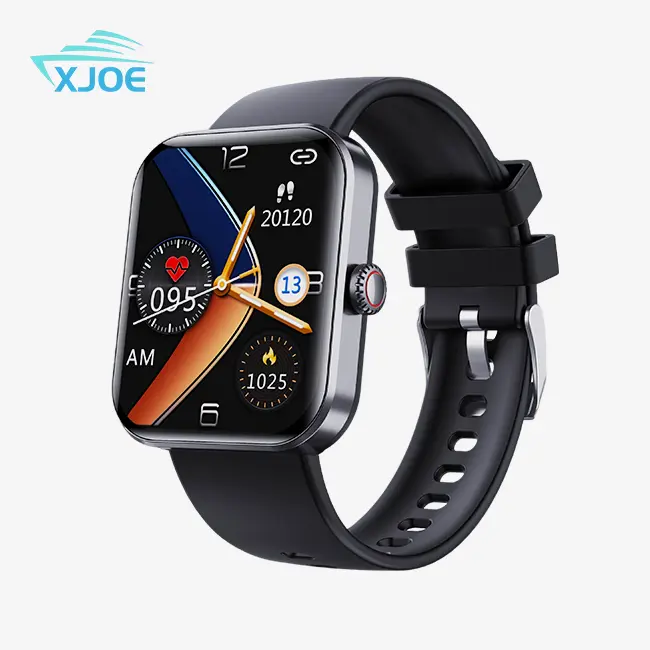
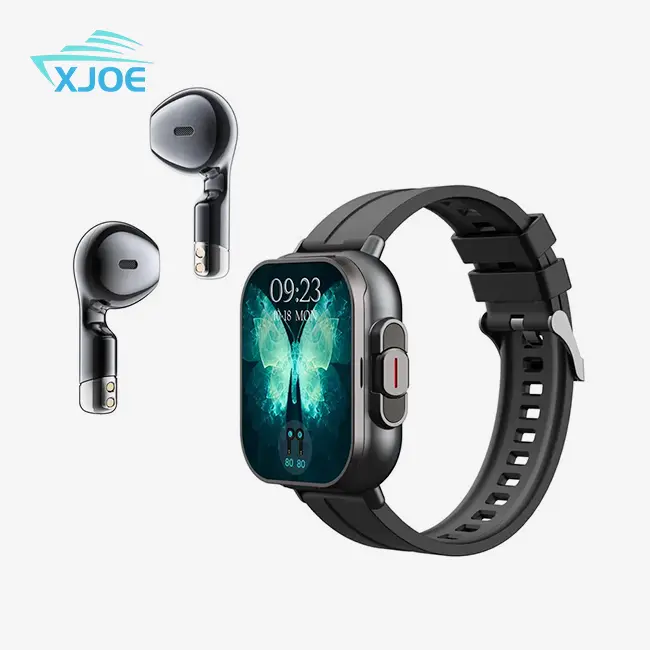
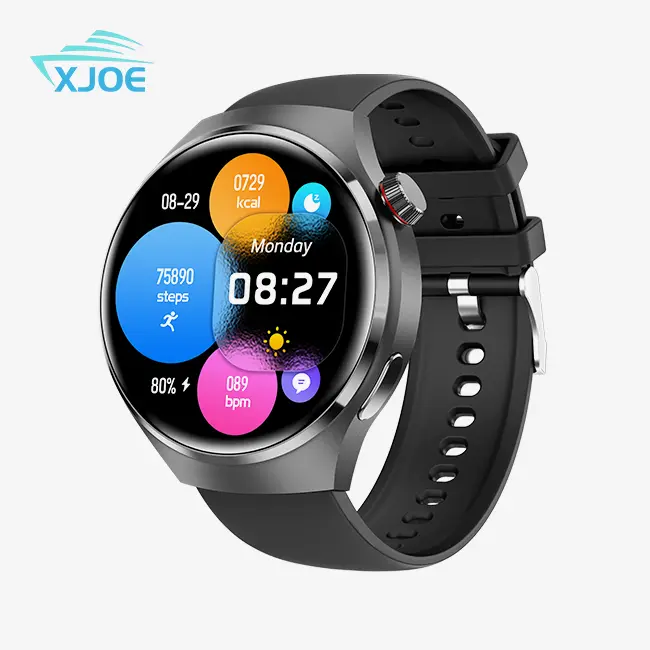
Voice Call Watch for Senior Safety and Remote Communication
A voice call watch is a wearable communication device built specifically to keep seniors safe and connected without the complexity of a smartphone. Unlike general smartwatches, these devices prioritize direct calling, emergency response, and ease of use — features that matter most to elderly users and the caregivers supporting them. For Amazon sellers, wholesalers, and private-label brands sourcing senior-focused wearables, understanding how these devices deliver real-world value is the first step toward building a product line that converts.
Why Senior Safety Wearables Are Gaining Traction in the U.S. Market
Wearable communication devices for seniors are becoming more and more popular very quickly. AARP says that more than 90% of adults over 65 want to stay in their own homes as they get older. This means that there is a clear need for remote safety solutions. Over $3.4 billion was spent on elderly care wearables in 2022, and the market is expected to keep growing until 2030. For people who sell and distribute things online, this is an area where customers will buy again and again.
The Gap Between Smartphones and Senior Needs
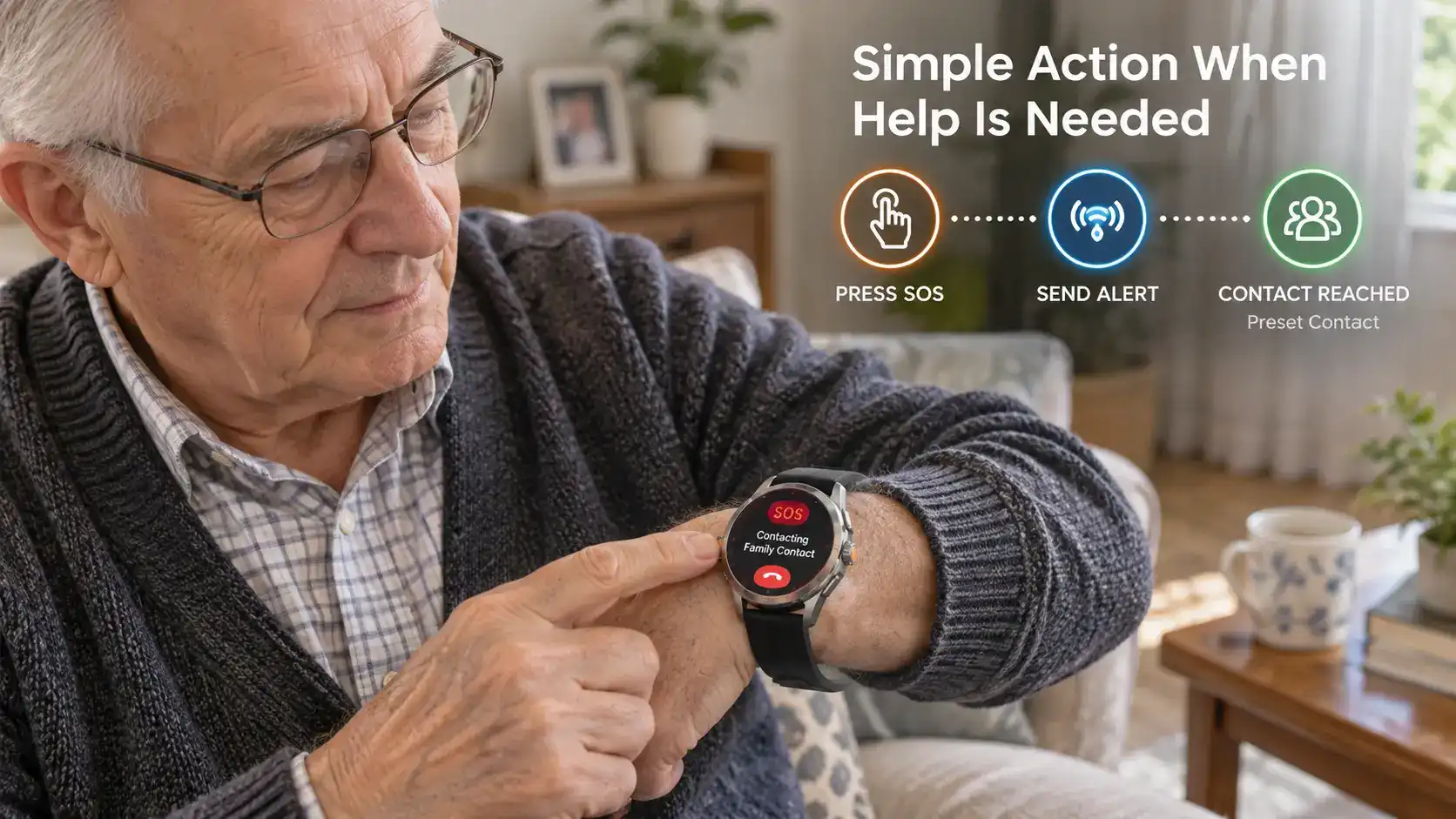
Smartphones are still hard for many older users to use because they have small buttons, complicated settings, and fragile designs. A specialized communication gadget worn on the wrist gets rid of all of these problems. With a device they wear every day, seniors can make and receive calls, set off emergency alerts, and see where they are at all times. Caregivers, people who run assisted living facilities, and family members are all ready to pay for that ease of use.
Core Features That Define a Reliable Senior Safety Watch
Not every gadget can be used to keep seniors safe. The following features set purpose-built wearables for elder care apart from consumer fitness trackers. These features should be the first things that buying teams look at when choosing a voice call watch provider.
These are the main features that make this product group what it is:
- HD Microphone and Loudspeaker: Two-way audio that is clear is a must for adults who have mild hearing loss. Conversations can be heard even in noisy places, like a community dining hall or an outdoor garden, thanks to an integrated high-definition microphone and an amplified speaker.
- Direct Dial and Call History on the Watch: The watch has a screen that lets you call people or scroll through your recent call history, just like a smartphone. This stops the watch from needing to be paired with a device and makes it truly independent.
- One-Touch SOS Emergency Button: An emergency call button lets you get in touch with pre-set friends or emergency services right away. In case of a fall or rapid illness, that one press can save your life. In monitored senior living facilities, wearable SOS devices cut the time it took for help to arrive by up to 40%, according to a study published in the Journal of Medical Internet Research in 2021.
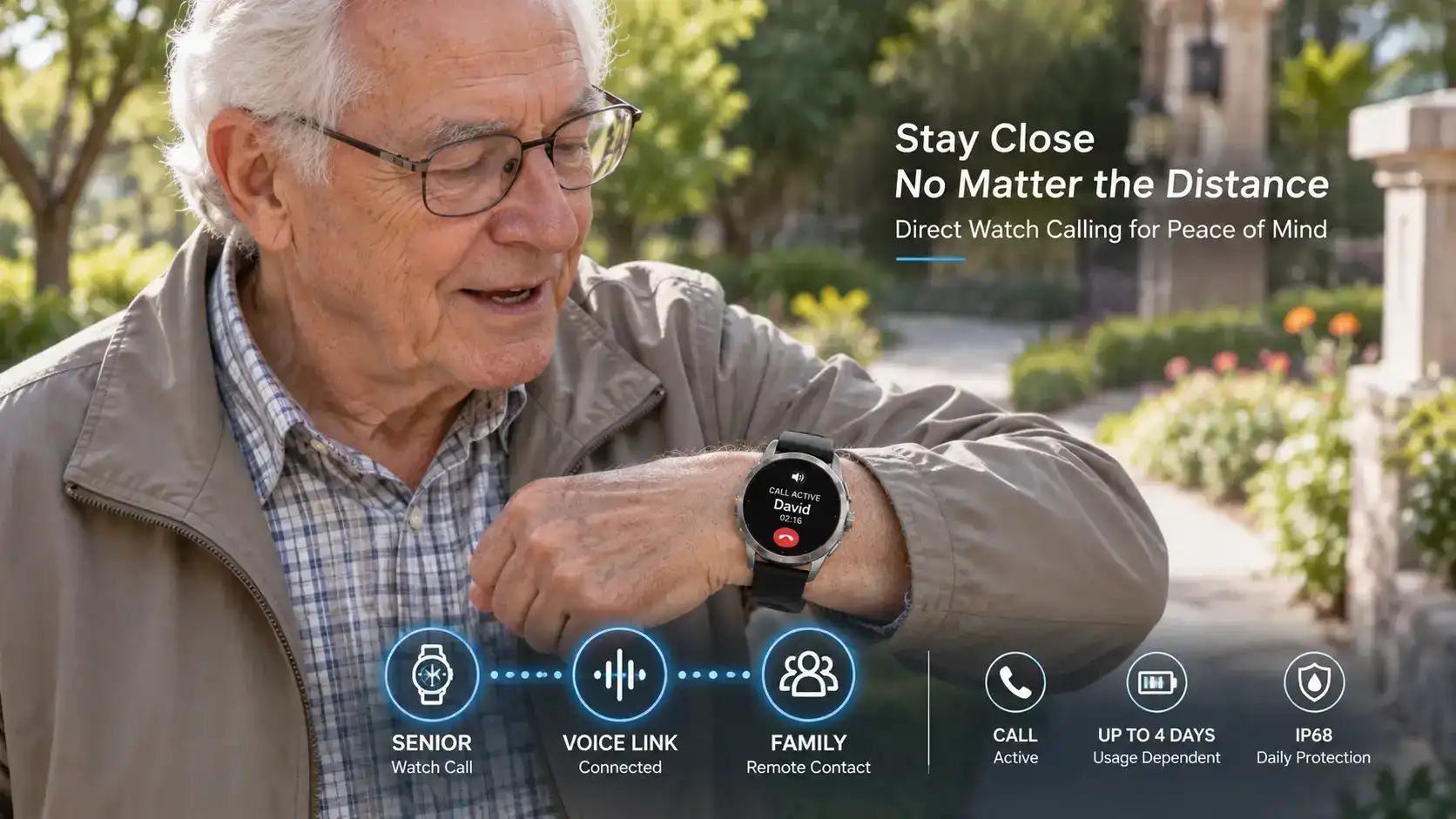
- Large Battery Capacity — Up to 4 Days: Older users have trouble keeping up with charging as often as younger users. That burden is taken away by a battery that can last up to four days of busy use, which includes regular calls. This also allows for constant tracking in institutional deployments.
- IP68 Water Resistance: If you wear it every day, you'll be exposed to water. The device's IP68 rating means that it can handle being washed by hand, being wet, or being accidentally submerged in water. This is a practical requirement for any senior care product.
Together, these features solve the two biggest problems in senior care technology: making it reliable and easy to use. Adoption rates go up when a device always works and doesn't require a learning curve. This is good for both users and the organizations that use them.
Comparing Options: What B2B Buyers Should Evaluate
There are consumer smartwatches on the market from Apple, Samsung, and Garmin that have safety features that can be added on. Senior safety watches, on the other hand, have a big advantage: they are designed from the start to meet the needs of older people, rather than having emergency features added later.
Total Cost of Ownership for Institutional Buyers
For health management platforms, community care companies, and assisted living networks, the choice of what to buy is more than just the unit price. Long-term value is based on things like bulk pricing, OEM/ODM customization options, firmware update support, and warranty coverage. A watch with an Android OS, a 44–49mm steel case, a TFT display with 320×240 resolution, magnetic charging, and a leather strap has a professional build at a price that can be afforded by large orders.
OEM and Private Label Viability
Brands that are making their own lines of senior care products can fully customize everything for a smart watch for android call and text, from where the name goes to how the package looks to how the companion app works and even how the contacts are set up for institutional use. This means that the device can be sold in stores as well as by health tech companies, telehealth platforms, and community care systems that want to make a safe wearable option their own.
Deploying Voice Call Watches in Senior Care Environments
More than just shipping units is needed for operations to go well. The setup process should be easy for everyone, from a family caregiver to a regional assisted living operator in charge of hundreds of residents.
Setup and Device Management at Scale
The three main steps are activating the SIM card, setting up the network, and installing the companion app. Centralized monitoring integrations let caregivers see call logs, alert histories, and location data from a single dashboard for institutional buyers who are in charge of multiple devices. This way of working is becoming more popular in community health tracking systems, where a care coordinator handles check-ins for dozens of residents using data from connected wearables. Encrypting data and updating software on a regular basis protect users' privacy and keep devices in line with HIPAA-like data handling standards.
Business Value Beyond the Device Itself
There is a clear business case for senior safety wearables: they can make a lot of money, people buy them for emotional reasons, and they have customers who really need them over and over again. This area does well for Amazon FBA sellers because it solves a problem that family members are actively looking for, especially people aged 45 to 65 who are buying for their older parents.
Assisted living facilities and home care agencies represent a parallel B2B channel where bulk purchasing cycles are predictable, and brand loyalty is high once a product demonstrates reliability. One bad review about the sound of the call or a dead battery can ruin the whole ranking. So, it's important to buy from a company that has strict quality control, full certifications, and helpful customer service after the sale. This is what makes a product line last.
Medical Disclaimer: The safety and health monitoring features described in this article are intended to support caregiving and emergency communication. They do not constitute medical advice, diagnosis, or treatment. Always consult a qualified healthcare professional for medical guidance.
Conclusion
Wearable safety devices for seniors are one of the most important ways that technology and human care come together. A well-made voice call watch makes it easier for people to talk to each other, speeds up emergency response, and gives seniors and their caregivers real peace of mind. The product-market fit is strong for B2B buyers, like Amazon sellers building a product catalog, distributors adding more SKUs, or brands starting a private-label line of senior care products. Demand stays high. You can be sure that you will keep your word if you buy from a partner with proven OEM skills, IP68-rated builds, and battery life of up to four days.
FAQ
1. Can a voice call watch operate without a paired smartphone?
Yes. If you put a valid SIM card in the watch, it can work as a separate cell phone. Users can make and receive calls, see their call records, and set off emergency alerts all from their watch, without having to use a smartphone. For seniors who might not carry a phone or find smartphones hard to use, this freedom is very important.
2. What security measures protect senior users' data on these devices?
Devices with a good reputation encrypt data at the firmware level and have access controls for admin portals and companion apps. When buying for business use, buyers should make sure that the maker releases regular firmware updates and follows all data protection laws. Checking these steps during buying protects both the people who will be using the services and the groups that are in charge of caring for them.
3. How long does the battery realistically last with regular calling?
A well-made senior safety watch can last up to four days on a single charge with normal daily use that includes multiple voice calls, position tracking, and alarms. This may be less effective when there are a lot of calls, but magnetic charging makes topping up easy and quick, even for people who aren't very good at using their hands.
4. Is IP68 water resistance sufficient for daily senior use?
If a gadget has an IP68 rating, it means it can be submerged in water up to 1.5 meters deep for 30 minutes. For senior users, this means that they can wash their hands, be outside in the rain, and spill something on their device without worrying that it will break. This is a realistic and important standard for any wearable that is worn all the time.
Partner with Xizhou for Your Senior Safety Wearable Line
Xizhou is a reliable company that makes voice call watches and works with global names, Amazon sellers, and institutional buyers. Our senior safety wearables are made with steel cases that are rated IP68, HD audio, one-touch SOS, and batteries that last for four days. They are also made in a GMP facility and come with full certifications and helpful customer service after the sale. We can meet your needs whether you need low MOQ samples or large private label orders. To begin the sourcing process right away, email us at 13266508958@163.com.
References
1. Grand View Research. (2023). Elderly Care Wearable Technology Market Size, Share & Trends Analysis Report.
2. AARP Public Policy Institute. (2022). Home and Community Preferences Survey: A National Survey of Adults Age 18-Plus.
3. Journal of Medical Internet Research. (2021). Wearable Emergency Alert Devices and Response Time Reduction in Senior Living Facilities.
4. Mordor Intelligence. (2023). Smart Wearable Healthcare Devices Market — Growth, Trends, and Forecasts.
5. Pew Research Center. (2022). Tech Use Among Adults 65 and Older in the United States.
6. World Health Organization. (2021). Global Report on Ageing and Health: Technology Access and Assistive Devices for Older Adults.