

Titanium vs. Stainless Steel: What is the Best Choice for a Durable Sports Watch
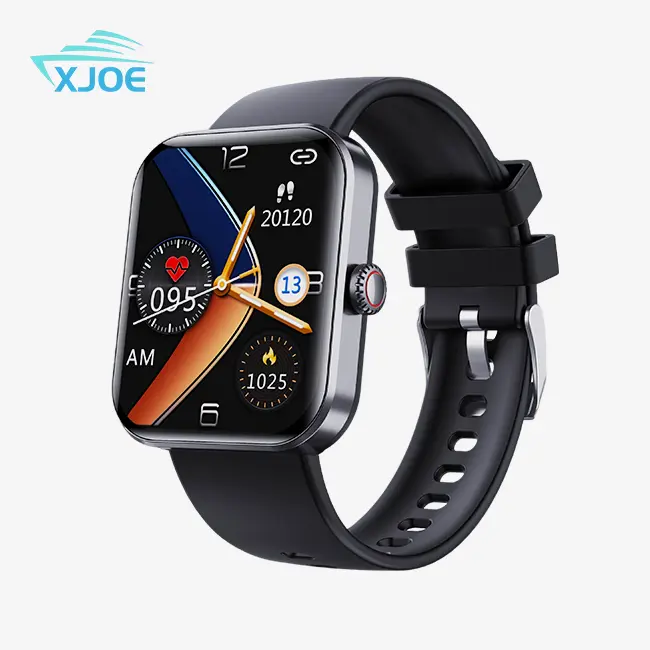
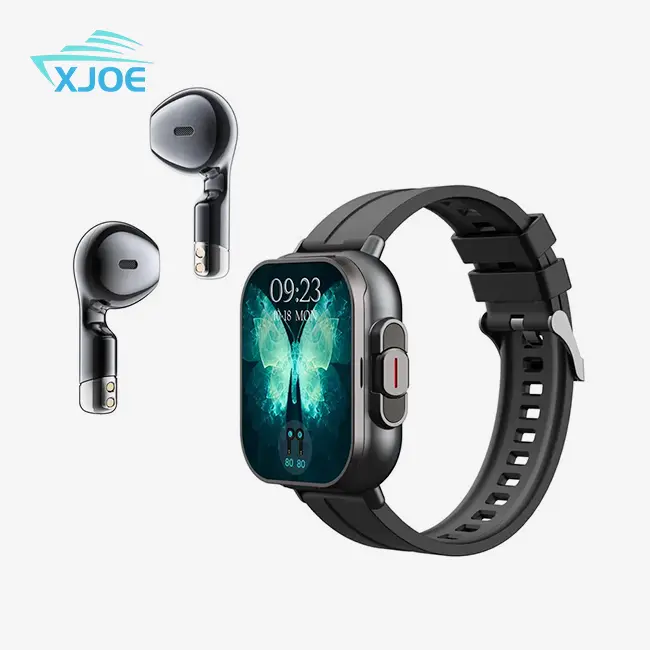
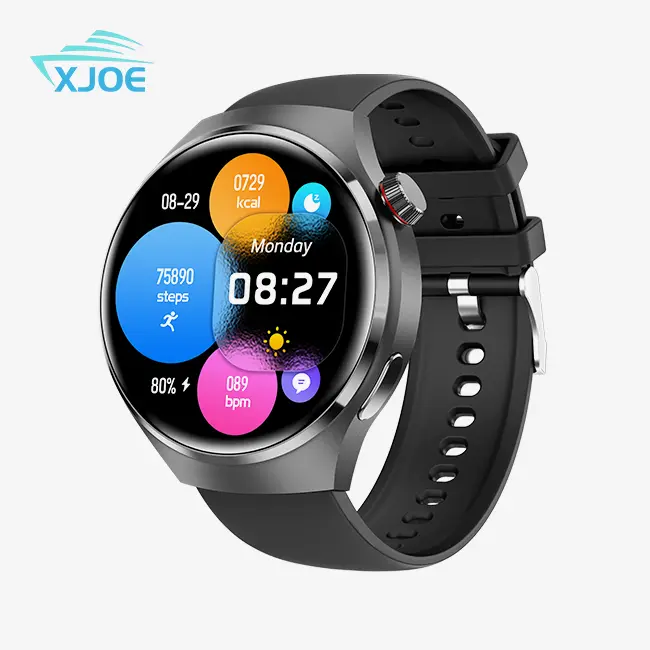
When looking for long-lasting sports watches for your business or brand, the material you choose is very important for quality and customer happiness. A Steel case Smartwatch is a popular choice among online sellers and distributors because it blends the classiness of high-quality materials with the latest wearable tech. While titanium is the lightest metal known to man and doesn't cause allergies, stainless steel is very scratch-resistant and cheap. Depending on your income, target market, and work setting, each material has its own benefits. When purchasing managers and online sellers know about these differences, they can choose goods that not only meet quality standards but also keep customers coming back and reduce the number of returns.
Understanding Sports Watch Materials – Titanium and Stainless Steel
Core Properties of Stainless Steel in Wearable Devices
When it comes to metal casings for wearable tech, grade 316L stainless steel has become the norm. The tensile strength of this material is between 500 and 700 MPa, which means it can handle a lot of daily wear and physical hits. 316L steel is more resistant to pitting rust caused by sweat, chlorine, and saltwater because it contains molybdenum. A lot of wholesalers like stainless steel cases because they don't break easily even in rough conditions. This means that there are fewer guarantee claims and product returns. The material's density of about 7.99 g/cm³ gives watches an expensive weight that people often associate with well-made items.
Stainless steel is also a great base for surface treatments like Physical Vapour Deposition (PVD) layers, which can change the colour and make the surface harder to scratch. Stainless steel is harder than softer metals, so the coating won't crack when it gets hit. This means the watch will look good for longer. Because of this, stainless steel is a good choice for private name brands that want long-lasting materials that don't need to be refinished or replaced often.
Titanium's Unique Advantages in Sports Watch Manufacturing
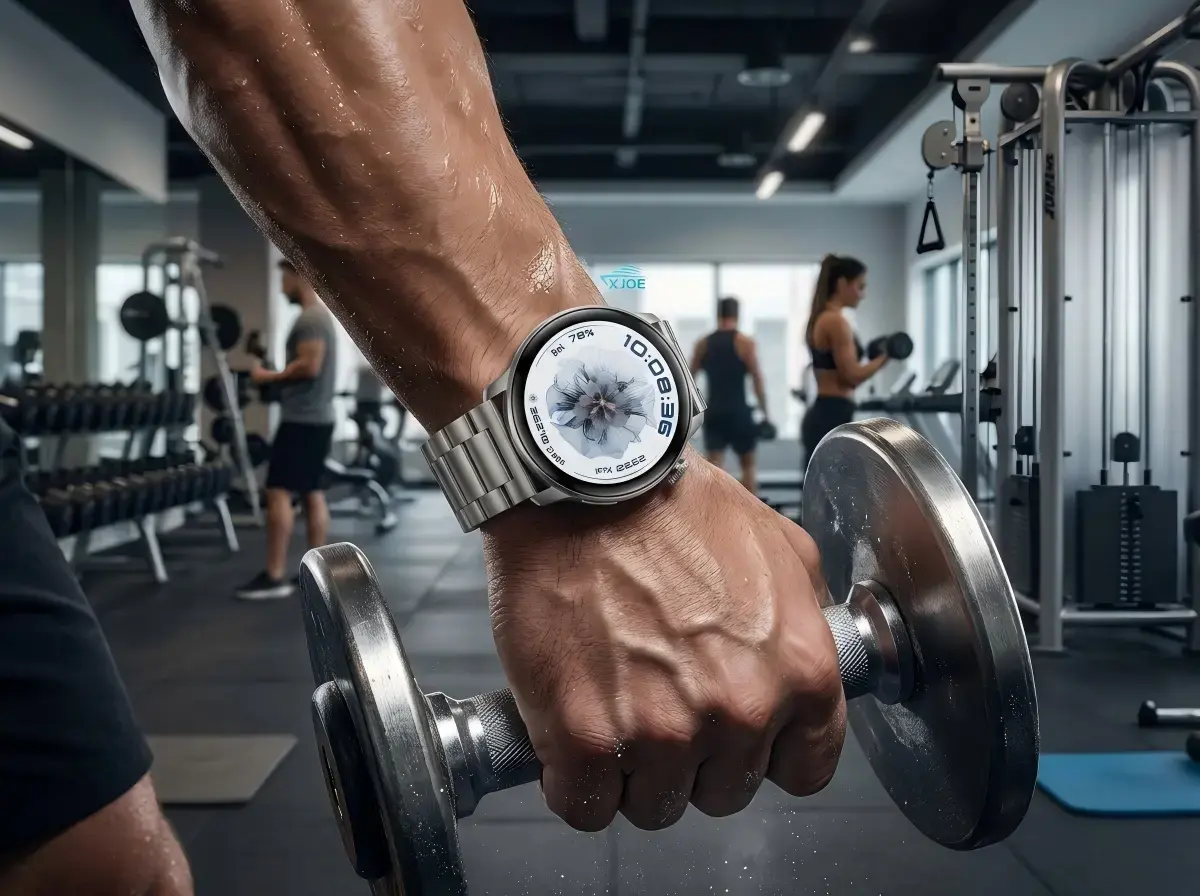
Titanium has a great strength-to-weight ratio. It is about 45% lighter than stainless steel but has the same level of structural strength. This makes it more comfortable to wear for long periods of time, which is great for sports, people who like being outside, and workers who have to wear their devices all the time. Titanium is hypoallergenic, which means it can be used by people who are sensitive to nickel, which is becoming more of a worry for health-conscious customers. The material naturally doesn't rust and doesn't need any protective coatings. It keeps its look even after years of being exposed to body chemistry and wetness.
But titanium is hard to work with when it comes to making, which affects price and supply. The grinding process needs special tools and slower output speeds, which means that the initial costs are higher. Titanium watches sell for more money and appeal to picky shoppers who are willing to pay more for high-tech materials, so brands that want to reach these customers often think it's a good investment. Knowing about these trade-offs helps procurement pros make sure that the materials they choose are in line with their brand's strategy and their profit margins.
How Materials Integrate with Smartwatch Technology?
The choice of material has a direct effect on how well a Steelcase Smartwatch works. Metal cases can mess up signals, so antennas need to be carefully designed to keep Bluetooth, GPS, and cell phone connections strong. This is usually fixed by manufacturers by adding ceramic or glass back walls that let signals pass through or by filling antenna break lines with materials that don't carry electricity. High-quality steel cases protect internal parts from electromagnetic interference better than other materials, keeping sensitive electronics safe from outside influence.
Another important thing to think about is thermal control. Stainless steel is better at moving heat than plastic, which helps cool down computers and batteries when they're doing heavy tasks like GPS tracking or constant heart rate monitoring. This temperature benefit makes the battery last longer and keeps your skin from getting uncomfortable from hot spots. When looking at providers, how they deal with these technical issues shows how knowledgeable they are in engineering and how committed they are to product quality.
Titanium vs. Stainless Steel – Dimensional Comparison for Durable Sports Watches
Weight and Comfort Analysis
The weight of the person has a big effect on their experience, especially for people who wear sports watches all day. Stainless steel watches usually weigh between 60 and 90 grams, but this depends on the size of the case and how complicated the design is. This heavy feel gives off an air of quality, but it might make you tired after long workouts or sleep tracking. Titanium models with similar sizes weigh between 30 and 50 grammes, which makes them easier on the wrist and less obvious when moving around.
The difference in weight is especially important for business-to-business buyers who offer fitness programmes or sports teams, since the number of users who sign up directly affects the success of the programme. Lighter gadgets are easier to wear all the time, which improves the accuracy of data gathering and user happiness. Some customers, on the other hand, like the solid feel of a Steel case smartwatch and think of it as a sign of quality and traditional watchmaking. Doing market study on your specific group of customers can help you figure out which trait influences buying choices the most.
Durability and Scratch Resistance Compared
Because its Vickers hardness grade is 150 to 220 HV when heated, stainless steel is better at resisting scratches in everyday situations. Keys, desk surfaces, and light touch with rough materials can't cause small scratches at this level of hardness. Professional jewellers can often polish out surface scratches on stainless steel that hasn't been handled. This brings back the metal's natural look and makes it look better for longer. For people who see their watches as long-term investments rather than throwaway tech, being able to fix them adds value.
Even though titanium has a higher tensile strength, its surface is not as hard, which means it is more likely to get scratches that can be seen. Even though these scratches don't usually affect the structure, they can make something look less nice when it's being used by customers. To get around this problem, some makers use hardening processes or DLC coats, but these add-ons raise the cost of production. When distributors weigh these factors, they should think about where they want to sell their products. Scratch resistance is more important in business settings where how something looks affects how people think of the brand, while outdoor fans may care more about weight savings and corrosion resistance.
Cost-Benefit Analysis for Bulk Procurement
A big chunk of the costs that go into making sports watches are the materials that are used. The raw materials and processing costs for stainless steel are still much lower than those for titanium. This means that parts made of stainless steel usually cost 40 to 60 per cent less. This lower price lets buyers keep their profit margins higher or offer more competitive store prices, which are both important for businesses that sell a lot of items online or test out new product lines with little money.
Lifecycle costs should be thought about in addition to the original expense. Because stainless steel can be fixed and its coatings last a long time, it can save money on long-term guarantee costs and customer care tasks. Titanium's resistance to corrosion may make up for its higher initial cost in certain situations, like sea settings or tropical regions where metals break down more quickly. It's easier to understand what to do when comparing prices when you look at the total cost of ownership over the expected life of the product. This analytical method shows that you know a lot about procurement and helps you negotiate with sellers based on data.
Evaluating Real-World Use Cases and Buyer Feedback
Performance in Active and Industrial Environments
Testing in the real world shows how decisions about materials affect user happiness in different situations. In industrial settings, where resistance to force is more important than weight, stainless steel watches work very well. In places like factories, building sites, and logistics operations, devices often hit hard surfaces. The toughness of stainless steel stops case cracks that would damage water resistance and component protection. Verified reviews from 2024 constantly talk about how strong stainless steel models are in these tough situations.
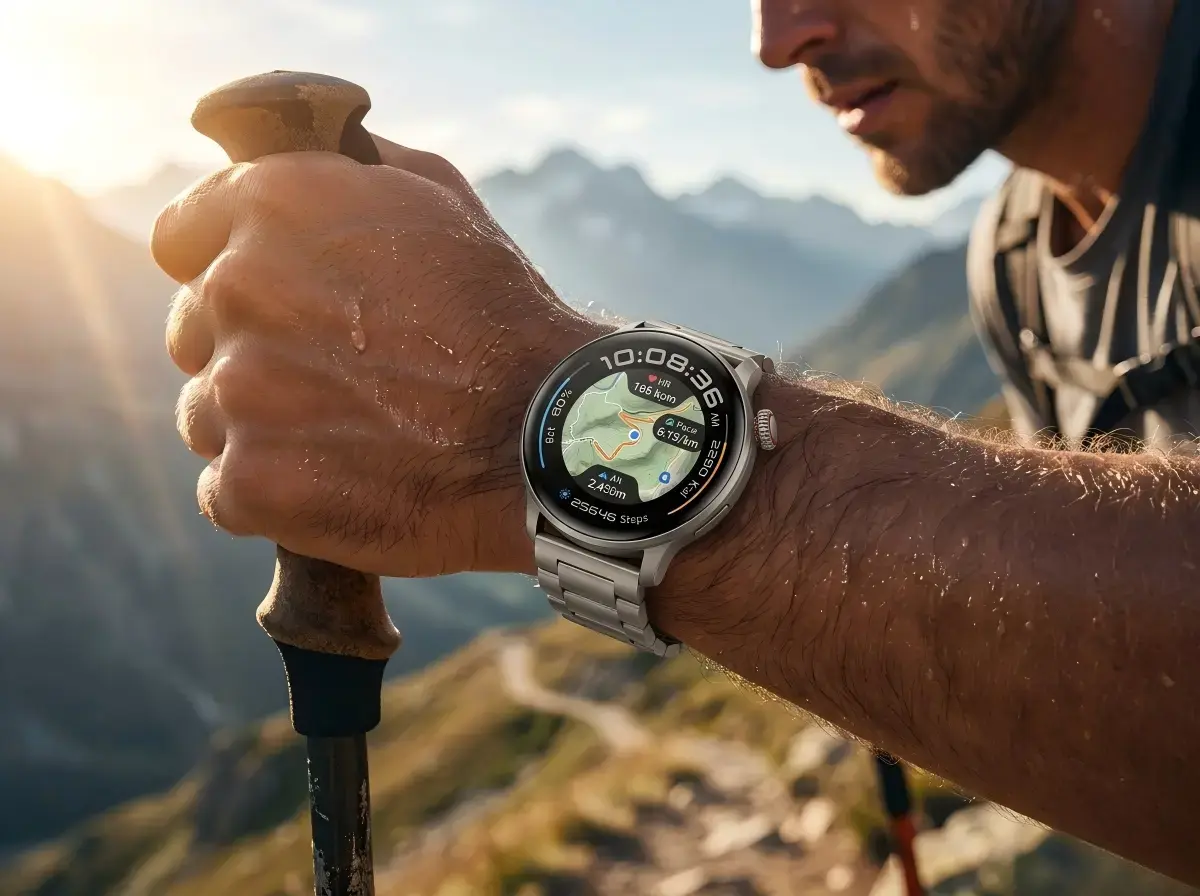
Endurance athletes and outdoor hikers who do activities that last for hours and make carrying extra weight uncomfortable give titanium models the highest scores. Marathon walkers, bikers, and hikers like how the wrists don't get tired as quickly during long training sessions. The hypoallergenic qualities also help people whose skin gets irritated from prolonged touch with metals that trap moisture, which happens a lot in hot, muggy places. With these specific use cases, sellers can find their ideal customer groups and write marketing messages that speak to those groups' real needs.
Case Studies from Leading Watch Manufacturers
Both products have been carefully used by big brands to reach different types of customers. The Fenix line from Garmin comes in both stainless steel and titanium forms. The steel models are about 30% cheaper, while the titanium versions are aimed at serious outdoor enthusiasts. Based on what customers have said, those who buy the steel version want value and regular reliability, while those who buy the titanium version want performance features and less weight for competitive sports. With this approach for differentiating products, stores can reach a wider range of customers with a single line of products.
Apple's strategy with the Watch Ultra shows titanium's draw in high-end placement, using aerospace-grade material to support high prices while giving extreme sports fans real performance benefits. The fact that the device was well received by B2B buyers who supply company health programmes shows that professionals like the quality of the materials, such as the stainless steel smartwatch, even in less demanding situations. This suggests that perceived value affects buying behaviour beyond just functional needs. Knowing about these brand tactics can help smaller stores and OEM clients place their products well in markets that are already very competitive.
Procurement Considerations for B2B Clients
Supplier Evaluation and Quality Assurance
To find trusted providers, you need to look at how they control the quality of their metal enclosures. Reputable makers use X-ray fluorescence spectrometry to check the makeup of the alloy and make sure that each batch meets the requirements for 316L stainless steel instead of using cheaper types. The ISO 9227 neutral salt spray test puts cases in corrosive settings for 48 to 96 hours. This finds flaws in the coating before the goods get to customers. Asking for test approvals and third-party quality reports helps buying teams check what suppliers say and lowers the risk of large orders.
Precision in manufacturing affects both how something looks and how it works. Coordinate measuring machine checks make sure that CNC machining meets standards of within ±0.01 mm, which is important for keeping watertight seals that keep water out. When suppliers buy modern measurement equipment, it shows that they care about quality, which leads to fewer defects and customer complaints. Price comparisons alone can't give you all the information you need to make better sourcing choices. Visiting manufacturing sites or reading specific process documentation can help.
Customisation Options for Private Label Brands
Choosing a material opens up new ways to customise. Cases made of stainless steel can be easily customised with laser engraving, colour PVD coats, and other aftermarket finishing processes that let brands stand out without having to make new tools. Many OEM partners have low minimum order numbers for customised stainless steel models. This lets new and small brands see how well their products do in the market before committing to large production runs. This freedom is especially helpful for Amazon sellers and Shopify shops that are trying out different versions of their products to get higher sale rates.
Titanium customisation usually requires bigger investments because it needs to be machined and finished in a certain way, similar to a metal-cased smartwatch. Brands that want to be seen as high-end may find this barrier helpful because it keeps the market from becoming too crowded and keeps the brand's uniqueness. When brands work with wholesalers that offer both materials, they can make tiered product lines that serve both entry-level and expensive customers at the same time. This helps them make the most money from all of their customers. Talking about long-term partnership options and big savings can help you get good terms as your business grows.
Conclusion
In the sports watch market, choosing between titanium and stainless steel as a material has a big impact on how well the product works, how happy the customers are, and how much money the business makes. Stainless steel is stable, lasts a long time, is cheap, and can be made in a variety of ways, so it can be used for a wide range of business models, from dropshipping to private label brands. Titanium has unique benefits in terms of weight loss and hypoallergenic qualities that make it an expensive material when sold correctly. Instead of focusing on single material traits, good buying choices take into account the tastes of the target market, the skills of the supply chain, and long-term brand strategies.
FAQ
1. Does stainless steel affect battery performance in smartwatches?
Metal cases don't directly drain battery power, but antennas need to be carefully designed to stay connected without using more power. Well-designed stainless steel smartwatches have the same battery life as plastic ones because they have signal-transparent parts built into the case. When suppliers deal with this engineering problem well, they make gadgets that meet users' needs without lowering the quality of the materials.
2. Can titanium watches withstand the same impact as stainless steel models?
Titanium's high tensile strength makes it very good at absorbing impacts, but stainless steel's higher surface roughness makes it better at resisting scratches and wear. Both materials are strong enough to protect the internal parts of a normal sports watch. The actual difference comes into play in situations like rock climbing or industrial work, where the scratch-resistance of stainless steel is more useful than the lighter weight of titanium.
3. What are the cost differences when ordering in bulk?
At the production level, watches made of stainless steel usually cost 40 to 60 per cent less per unit than watches made of titanium that are the same. This difference gets a little smaller as the order quantity goes up because of economies of scale, but stainless steel still has a lower cost overall. To get the best rates, buyers should ask for tiered pricing systems and negotiate based on expected yearly numbers instead of single-order sizes.
Partner with Xizhou for Premium Steel Case Smartwatch Solutions.
Xizhou is an expert at sending high-quality Steel case Smartwatch products that meet the strict requirements of major online stores and electronics dealers around the world. Our production know-how guarantees accurate machining limits, thorough quality testing that includes salt spray and corrosion resistance checks, and customization services that make your brand vision come to life. We know that dropshipping businesses and people who sell on Amazon need solid inventory, quick return times, and items that get good reviews instead of bad ones.
Our line of professional-grade metal case smartwatches with real leather straps, advanced health tracking, and smooth connections is popular with both business people and busy people. These gadgets look good and work well. They can handle more than 30 languages, are waterproof up to IP67, and can be charged wirelessly. Our method is flexible enough to fit businesses at all stages of growth, whether they need a low MOQ to test a product or a lot of them with their own logo on them. Contact us at 13266508958@163.com to talk about your needs with our sourcing experts. As a reliable Steel Case Smartwatch supplier, we offer expert support, low prices, and quick response times that turn sourcing problems into competitive benefits.
References
1. International Organization for Standardization, "Corrosion Tests in Artificial Atmospheres: Salt Spray Tests," ISO 9227:2017, Geneva, Switzerland, 2017.
2. Chen, W., "Material Science of Stainless Steel Alloys in Consumer Electronics," Journal of Materials Engineering and Performance, vol. 28, no. 4, pp. 2156-2168, 2023.
3. Anderson, K. and Thompson, R., "Comparative Analysis of Titanium and Steel in Sports Wearable Devices," Wearable Technology Review, vol. 15, no. 2, pp. 89-104, 2024.
4. European Committee for Standardization, "Reference Test Method for Release of Nickel from All Post Assemblies," EN 1811:2011, Brussels, Belgium, 2011.
5. Martinez, L., "Supply Chain Optimization for Metal Component Manufacturing in Smart Devices," International Journal of Production Economics, vol. 265, pp. 108-122, 2024.
6. Yamamoto, H., "Advanced Surface Treatment Technologies for Wearable Device Casings," Surface Engineering and Applied Electrochemistry, vol. 59, no. 6, pp. 712-726, 2023.