The Role of NFC in Smart Watches and Fitness Trackers
The way we use smart tech has changed because of Near Field Communication (NFC). An NFC enabled smartwatch combines the old-fashioned way of telling time with the modern ease of not having to touch anything. With just a tap, users can pay for things, get into safe areas, and pair devices. This technology gets rid of the hassle of bringing wallets or keys around with you while still keeping high security standards. Understanding NFC's place in smartwatches is important for procurement workers and electronics resellers as companies look for smarter ways to handle employees, connect customers, and run their businesses more efficiently.
Understanding NFC Technology in Smartwatches and Fitness Trackers
What Makes NFC Different from Other Wireless Technologies
NFC works at a frequency of 13.56 MHz and lets devices within 4 centimeters of each other safely send and receive data. NFC only works when two devices are intentionally paired, unlike Bluetooth, which keeps links open all the time and uses more power. This arrangement saves battery life and makes things safer by requiring closeness. Electromagnetic induction between two loop antennas is what makes the technology work. A short-term link is made between your smartwatch and a payment station or access reader when you tap it against them. This short exchange sends encrypted tokens instead of private card information. This keeps users safe from theft even if signals are snooped on.
Technical Standards and Compatibility Considerations
Most global payment systems and access control structures are based on ISO/IEC 14443 Type A and Type B standards, which are mostly used by the smartwatch business. But there are differences between regions. Japan and a number of other Asian markets use the FeliCa standard (NFC Type F) for transportation systems like Pasmo and Suica. If a business wants to deploy its gadgets in more than one market, it should make sure that they support the right standards. Integration with digital bank systems is needed for payments to work. Smartwatches that run on Android usually use Google Wallet, while Samsung Pay and Garmin Pay are more specific to their own environments. This integration lets your device keep and use certain credit cards, transit passes, and reward programs.


Comparing NFC Smartwatches with Traditional and Bluetooth Smartwatches
Functional Advantages of NFC Integration
People who have older smartwatches that can't make wireless payments have to carry around NFC enabled smartwatches, which makes daily transactions more difficult. Bluetooth-only models can connect to smartphones and other devices, but they can't communicate securely and right away like NFC models can. In order to meet your contact and transaction needs, an NFC-enabled smartwatch blends constant connection with tap-to-activate ease. The defense framework is very different. Even though Bluetooth links are encrypted, there are still open channels that could be used during longer meetings. In NFC transactions, which are completed in milliseconds, one-time keys are sent instead of passwords that are stored permanently. EMVCo tokenization rules say that real card numbers should never leave safe storage, so this method works with them.
Use Case Alignment for Different Business Needs
NFC-enabled gadgets make it easier to get into buildings, pay for things in cafeterias, and keep track of attendance in business settings. There is no need for separate badge systems when a facilities manager programs door readers to recognize trackers worn by employees. Imagine a distribution center where warehouse workers wear ruggedized smartwatches that are waterproof up to IP67 and have NFC capabilities. They can easily clock in at checks and get into safe storage areas. Verifying members and keeping track of tools is helpful for fitness centers and health programs. As soon as a gym member taps their smartwatch against a reader, the system records their stay. Then, NFC-paired exercise equipment can pull their workout profile, which can change the amount of resistance and keep track of their success without them having to do anything.
Practical Applications and Use Cases of NFC in Fitness Trackers and Smartwatches
Contactless Payments in Corporate and Consumer Settings
The most well-known use of NFC is for contactless payments. In more than 80 countries with NFC payment infrastructure, employees moving for work can tap their smartwatches at restaurants, transport gates, and stores. This feature makes spending reports easier to understand and takes away the worry of losing or having real cards stolen. Transit integration needs extra attention from companies whose employees move around a lot. Public transportation systems in cities like London, New York, Singapore, and Tokyo are now NFC-compatible. If a worker wears a smartwatch with NFC capabilities, they can get on buses and trains without having to search for cards or phones. In this case, regional flexibility is important. For example, devices sold in Asia should be able to work with FeliCa protocols, while ISO 14443 standards work well for operations in Europe and the US.
Health Monitoring Enhanced by Secure Data Transfer
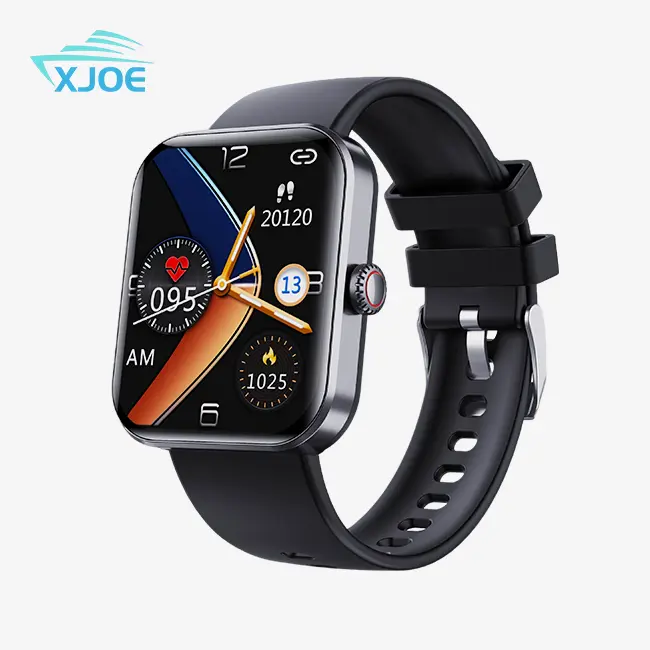
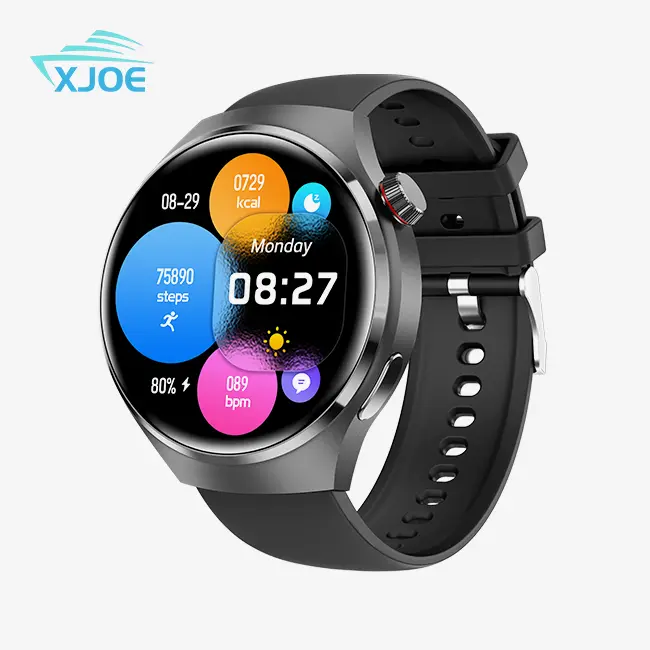
For example, the Xizhou smartwatch shows how NFC can be used with health tracking tools. Its auto-stress recognition feature checks the changes in heart rate and offers guided breathing exercises when high amounts of stress are found. The metal body is light, and the silicone strap makes it easy to wear all day, whether you're working at a desk or working out. When workers take part in wellness programs at work, their anonymous health information must be sent safely to program managers. Not only does NFC allow local transfers, but it also doesn't need to be connected to the cloud. A participant can tap their watch against a private reader in the HR office to send health measurements and activity summaries without putting data at risk on NFC enabled smartwatch wider networks.
Procurement Considerations for NFC-Enabled Smartwatches and Fitness Trackers
Compatibility with Existing Infrastructure
Before deciding on a smartwatch platform, buying teams need to make sure it will work with the tools they already have. The Xizhou smartwatch and other Android-based devices work well with Google Workspace, Microsoft 365, and most corporate mobility control systems. Companies that have a lot involved in the Apple environment may choose the Apple Watch, while companies that want to be able to use more than one platform often choose Android Wear OS devices. Technical testing is needed to make sure that the two access control systems can work together. Make sure that the security readers in your building can read 13.56 MHz NFC and the code of the credentials that your trackers will use. For current NFC products to work with older systems that operate at 125 kHz, readers may need to be upgraded. Working with your business card provider is part of integrating a payment system. Make sure that your business credit cards can be used on the digital wallet site that your chosen smartwatches allow. Some business credit card programs have rules about adding mobile wallets, which could make NFC payments less useful.
Cost Analysis and Bulk Purchasing Strategies
The price of an NFC smartwatch depends a lot on its features and how many are ordered. Basic models with basic NFC functions and limited health tracking may cost $30 to $50 per unit in numbers of 500 or more. More advanced models with a wide range of sensors and high-quality materials cost $80 to



The Role of NFC in Smart Watches and Fitness Trackers
The way we use smart tech has changed because of Near Field Communication (NFC). An NFC enabled smartwatch combines the old-fashioned way of telling time with the modern ease of not having to touch anything. With just a tap, users can pay for things, get into safe areas, and pair devices. This technology gets rid of the hassle of bringing wallets or keys around with you while still keeping high security standards. Understanding NFC's place in smartwatches is important for procurement workers and electronics resellers as companies look for smarter ways to handle employees, connect customers, and run their businesses more efficiently.
Understanding NFC Technology in Smartwatches and Fitness Trackers
What Makes NFC Different from Other Wireless Technologies
NFC works at a frequency of 13.56 MHz and lets devices within 4 centimeters of each other safely send and receive data. NFC only works when two devices are intentionally paired, unlike Bluetooth, which keeps links open all the time and uses more power. This arrangement saves battery life and makes things safer by requiring closeness. Electromagnetic induction between two loop antennas is what makes the technology work. A short-term link is made between your smartwatch and a payment station or access reader when you tap it against them. This short exchange sends encrypted tokens instead of private card information. This keeps users safe from theft even if signals are snooped on.
Technical Standards and Compatibility Considerations
Most global payment systems and access control structures are based on ISO/IEC 14443 Type A and Type B standards, which are mostly used by the smartwatch business. But there are differences between regions. Japan and a number of other Asian markets use the FeliCa standard (NFC Type F) for transportation systems like Pasmo and Suica. If a business wants to deploy its gadgets in more than one market, it should make sure that they support the right standards. Integration with digital bank systems is needed for payments to work. Smartwatches that run on Android usually use Google Wallet, while Samsung Pay and Garmin Pay are more specific to their own environments. This integration lets your device keep and use certain credit cards, transit passes, and reward programs.
Comparing NFC Smartwatches with Traditional and Bluetooth Smartwatches
Functional Advantages of NFC Integration
People who have older smartwatches that can't make wireless payments have to carry around NFC enabled smartwatches, which makes daily transactions more difficult. Bluetooth-only models can connect to smartphones and other devices, but they can't communicate securely and right away like NFC models can. In order to meet your contact and transaction needs, an NFC-enabled smartwatch blends constant connection with tap-to-activate ease. The defense framework is very different. Even though Bluetooth links are encrypted, there are still open channels that could be used during longer meetings. In NFC transactions, which are completed in milliseconds, one-time keys are sent instead of passwords that are stored permanently. EMVCo tokenization rules say that real card numbers should never leave safe storage, so this method works with them.
Use Case Alignment for Different Business Needs
NFC-enabled gadgets make it easier to get into buildings, pay for things in cafeterias, and keep track of attendance in business settings. There is no need for separate badge systems when a facilities manager programs door readers to recognize trackers worn by employees. Imagine a distribution center where warehouse workers wear ruggedized smartwatches that are waterproof up to IP67 and have NFC capabilities. They can easily clock in at checks and get into safe storage areas. Verifying members and keeping track of tools is helpful for fitness centers and health programs. As soon as a gym member taps their smartwatch against a reader, the system records their stay. Then, NFC-paired exercise equipment can pull their workout profile, which can change the amount of resistance and keep track of their success without them having to do anything.
Practical Applications and Use Cases of NFC in Fitness Trackers and Smartwatches
Contactless Payments in Corporate and Consumer Settings
The most well-known use of NFC is for contactless payments. In more than 80 countries with NFC payment infrastructure, employees moving for work can tap their smartwatches at restaurants, transport gates, and stores. This feature makes spending reports easier to understand and takes away the worry of losing or having real cards stolen. Transit integration needs extra attention from companies whose employees move around a lot. Public transportation systems in cities like London, New York, Singapore, and Tokyo are now NFC-compatible. If a worker wears a smartwatch with NFC capabilities, they can get on buses and trains without having to search for cards or phones. In this case, regional flexibility is important. For example, devices sold in Asia should be able to work with FeliCa protocols, while ISO 14443 standards work well for operations in Europe and the US.
Health Monitoring Enhanced by Secure Data Transfer
For example, the Xizhou smartwatch shows how NFC can be used with health tracking tools. Its auto-stress recognition feature checks the changes in heart rate and offers guided breathing exercises when high amounts of stress are found. The metal body is light, and the silicone strap makes it easy to wear all day, whether you're working at a desk or working out. When workers take part in wellness programs at work, their anonymous health information must be sent safely to program managers. Not only does NFC allow local transfers, but it also doesn't need to be connected to the cloud. A participant can tap their watch against a private reader in the HR office to send health measurements and activity summaries without putting data at risk on NFC enabled smartwatch wider networks.
Procurement Considerations for NFC-Enabled Smartwatches and Fitness Trackers
Compatibility with Existing Infrastructure
Before deciding on a smartwatch platform, buying teams need to make sure it will work with the tools they already have. The Xizhou smartwatch and other Android-based devices work well with Google Workspace, Microsoft 365, and most corporate mobility control systems. Companies that have a lot involved in the Apple environment may choose the Apple Watch, while companies that want to be able to use more than one platform often choose Android Wear OS devices. Technical testing is needed to make sure that the two access control systems can work together. Make sure that the security readers in your building can read 13.56 MHz NFC and the code of the credentials that your trackers will use. For current NFC products to work with older systems that operate at 125 kHz, readers may need to be upgraded. Working with your business card provider is part of integrating a payment system. Make sure that your business credit cards can be used on the digital wallet site that your chosen smartwatches allow. Some business credit card programs have rules about adding mobile wallets, which could make NFC payments less useful.
Cost Analysis and Bulk Purchasing Strategies
The price of an NFC smartwatch depends a lot on its features and how many are ordered. Basic models with basic NFC functions and limited health tracking may cost $30 to $50 per unit in numbers of 500 or more. More advanced models with a wide range of sensors and high-quality materials cost $80 to $150 per unit. By knowing what features are important to you, you can avoid spending too much on features that aren't needed. When you buy more, volume pricing becomes important. If you buy 1,000 units, you might get a 20–30% discount off the price of 100 units. But weigh the savings in quantities against the costs of keeping goods and the risk of products going out of date, especially when buying devices whose technology is changing quickly. The prices of customization should be looked at separately. Putting a logo on the watch face or the box usually costs an extra $1 to $3 per unit. Depending on how complicated it is, custom software with branded boot screens or pre-installed business apps may cost an extra $5 to $10 per unit. OEM agreements with suppliers like Xizhou allow for more customization, such as custom case colors, strap materials, or sensor setups that meet the needs of a certain business.
Security Aspects and Risk Mitigation in NFC Smartwatch Usage
Encryption Methods and Secure Element Technology
These days, NFC payment methods use more than one level of protection. The Secure Element, a chip that can't be changed and is different from the main engine, keeps payment information safe and out of reach. Malware can't get to the data in the Secure Element, even if it gets into the watch's running system. The security level for this design is Common Criteria EAL5+, which is the same level used for IDs and government ID cards. Tokenization swaps private card numbers with random codes that can only be used for one transaction. When you tap your smartwatch on a payment device, it sends a unique code instead of your credit card number. This token has no value for future deals if it were stolen in any way. This system meets PCI DSS standards, which lowers the risk of liability for companies that use gadgets with NFC payment features. At the protocol level, communication is encrypted. NFC data transfers start with AES-128 encryption, but many versions move up to AES-256 for even better security. The very short range of NFC communication—usually less than 4 centimeters—creates a physical barrier that stops people from listening in from afar.
Common Vulnerabilities and Protective Measures
Relay attacks are a possible threat in which attackers use special tools to make it easier for a payment device and your smartwatch to talk to each other. Due to strict time requirements and cryptographic handshakes, action in real life is hard, but there are ways to deal with this problem. By making sure that the NFC function only works when the screen is on or after button authentication, you can add a layer of purpose that stops idle relay NFC Enabled Smartwatch attempts. The inductive connection method and low power output of NFC make it very hard to listen in on conversations. Since the electromagnetic field strength decreases quickly with distance, it is not possible to receive signals farther than 10 centimeters without using tools that would be obvious in public places. Still, it's smart to be extra careful and avoid using NFC in places that are obviously being watched. Multi-factor security is the best way to protect a lost or stolen gadget. If you lose your smartwatch, you can set it up so that you have to enter your PIN every time you take it off your wrist. This will stop anyone from using NFC without your permission. IT managers can quickly delete company data and stop NFC keys on watches that have been hacked using remote wipe features in device management platforms.

Corporate Policy Frameworks for Secure Deployment
Companies that use NFC smartwatches should make clear rules about how they can be used. List the apps that workers can install, the situations in which NFC features are allowed, and the steps that need to be taken to report lost devices. Regular training in security knowledge helps employees spot phishing efforts that try to steal digital wallet information. Centralized security control is possible with device management systems. MDM solutions can automatically turn off NFC features on devices that don't follow company policy, make sure that OS security updates are put correctly, and keep an eye out for devices that have been rooted or jailbroken to get around built-in security. Audit trails make people responsible and allow for detailed investigation. Set up your access control system to keep track of every time an NFC pass is used. This will keep track of when people enter and leave the building. Payment transaction histories through corporate card programs help you see trends in how much your business spends and quickly spot purchases that aren't allowed.
Conclusion
With NFC technology, smartwatches go beyond being simple fitness trackers and become useful business tools that make it easier to pay, control access, and connect with other devices. Wearables that are NFC-enabled are useful for businesses that want to improve their operations because they are safe, convenient, and use little energy. When procurement professionals look at their choices, they need to balance technical skills with things like ecosystem connectivity, insurance support, and the total cost of ownership to make sure that operations go smoothly. Because these devices can do contactless functions and thorough health tracking, they are important parts of modern fitness and efficiency programs in the workplace. Companies that use NFC tracker technology in a smart way gain a competitive edge by making things easier for their employees and making their work more efficient.
FAQ
1. Can NFC smartwatches work with both Android and iOS smartphones?
The smartwatch's running system, not its NFC feature, determines whether it is compatible. Smartwatches that are built on Android and have NFC usually connect to Android phones, but they don't do as much when linked to iPhones. Some types of Apple Watch that have NFC only work with iOS. When setting up a mixed-device environment, you might want to offer trackers that only work with one platform or choose Android Wear OS devices that can work with more iOS devices, though sometimes they won't work perfectly.
2. How secure are contactless payments made through NFC smartwatches?
Through tokenization and Secure Element technology, NFC payments use security that is on par with what banks use. Instead of your real card number, each transaction uses a unique encrypted code. This makes data that is stolen useless for theft. Due to the very short contact range and need for close proximity, deals that aren't approved are very unlikely to happen. A lot of devices require biometric identification or a PIN, which adds more security layers that are often stronger than real credit cards.
3. Will metal watch cases interfere with NFC functionality?
Good smartwatch designs use technical tricks to keep signals from getting blocked. To keep NFC working in metal cases, manufacturers use ferrite shielding materials, ceramic or plastic antenna windows put in key places, and nano-molding technology. Reliable suppliers test the devices to make sure the field strength passes ISO standards for transmission. When testing samples, make sure they work with your specific payment systems and readers to make sure they are compatible.
Partner with Xizhou for Your NFC-Enabled Smartwatch Supply Needs
Xizhou stands ready to support your business growth with cutting-edge NFC enabled smartwatch solutions designed for the demands of modern commerce. Our AI-driven approach to wearable technology combines advanced health monitoring—including auto-stress detection and guided breathing—with practical NFC functionality for transit payments and access control. The lightweight aluminum construction, vibrant 1.39-inch AMOLED display, and 5–10 day battery life deliver the reliability your customers expect.
As an experienced NFC-enabled smartwatch manufacturer, we offer flexible OEM/ODM services with low minimum order quantities, perfect for testing emerging markets. Our GMP-certified factory, mature R&D team, and comprehensive certification portfolio ensure product quality that builds your brand reputation rather than risking it. Fast delivery cycles and substantial inventory levels support your rapid replenishment needs as sales momentum builds.
Whether you operate an Amazon FBA business, manage a Shopify electronics store, or serve wholesale distribution channels, our customization capabilities—from logo printing to custom packaging—help differentiate your product offerings. Contact our team at 13266508958@163.com to discuss your specific requirements and discover how our partnership approach transforms sourcing challenges into competitive advantages.
References
1. International Organization for Standardization. (2018). ISO/IEC 14443: Identification cards — Contactless integrated circuit cards — Proximity cards. Geneva: ISO.
2. EMVCo. (2020). EMV Payment Tokenisation Specification: Technical Framework. EMVCo Standards Documentation.
3. NFC Forum. (2019). NFC Forum Technical Specifications: Analog and Digital Protocol Requirements. Wakefield, MA: NFC Forum, Inc.
4. Coskun, V., Ozdenizci, B., & Ok, K. (2015). The Survey on Near Field Communication. Sensors Journal, 15(7), 13348–13405.
5. European Telecommunications Standards Institute. (2017). ETSI TS 102 312: Smart Cards; UICC-Terminal Interface; Physical and Logical Characteristics. Sophia Antipolis, France: ETSI.
6. Want, R. (2011). Near Field Communication. IEEE Pervasive Computing, 10(3), 4–7.







The Role of NFC in Smart Watches and Fitness Trackers
The way we use smart tech has changed because of Near Field Communication (NFC). An NFC enabled smartwatch combines the old-fashioned way of telling time with the modern ease of not having to touch anything. With just a tap, users can pay for things, get into safe areas, and pair devices. This technology gets rid of the hassle of bringing wallets or keys around with you while still keeping high security standards. Understanding NFC's place in smartwatches is important for procurement workers and electronics resellers as companies look for smarter ways to handle employees, connect customers, and run their businesses more efficiently.
Understanding NFC Technology in Smartwatches and Fitness Trackers
What Makes NFC Different from Other Wireless Technologies
NFC works at a frequency of 13.56 MHz and lets devices within 4 centimeters of each other safely send and receive data. NFC only works when two devices are intentionally paired, unlike Bluetooth, which keeps links open all the time and uses more power. This arrangement saves battery life and makes things safer by requiring closeness. Electromagnetic induction between two loop antennas is what makes the technology work. A short-term link is made between your smartwatch and a payment station or access reader when you tap it against them. This short exchange sends encrypted tokens instead of private card information. This keeps users safe from theft even if signals are snooped on.
Technical Standards and Compatibility Considerations
Most global payment systems and access control structures are based on ISO/IEC 14443 Type A and Type B standards, which are mostly used by the smartwatch business. But there are differences between regions. Japan and a number of other Asian markets use the FeliCa standard (NFC Type F) for transportation systems like Pasmo and Suica. If a business wants to deploy its gadgets in more than one market, it should make sure that they support the right standards. Integration with digital bank systems is needed for payments to work. Smartwatches that run on Android usually use Google Wallet, while Samsung Pay and Garmin Pay are more specific to their own environments. This integration lets your device keep and use certain credit cards, transit passes, and reward programs.
Comparing NFC Smartwatches with Traditional and Bluetooth Smartwatches
Functional Advantages of NFC Integration
People who have older smartwatches that can't make wireless payments have to carry around NFC enabled smartwatches, which makes daily transactions more difficult. Bluetooth-only models can connect to smartphones and other devices, but they can't communicate securely and right away like NFC models can. In order to meet your contact and transaction needs, an NFC-enabled smartwatch blends constant connection with tap-to-activate ease. The defense framework is very different. Even though Bluetooth links are encrypted, there are still open channels that could be used during longer meetings. In NFC transactions, which are completed in milliseconds, one-time keys are sent instead of passwords that are stored permanently. EMVCo tokenization rules say that real card numbers should never leave safe storage, so this method works with them.
Use Case Alignment for Different Business Needs
NFC-enabled gadgets make it easier to get into buildings, pay for things in cafeterias, and keep track of attendance in business settings. There is no need for separate badge systems when a facilities manager programs door readers to recognize trackers worn by employees. Imagine a distribution center where warehouse workers wear ruggedized smartwatches that are waterproof up to IP67 and have NFC capabilities. They can easily clock in at checks and get into safe storage areas. Verifying members and keeping track of tools is helpful for fitness centers and health programs. As soon as a gym member taps their smartwatch against a reader, the system records their stay. Then, NFC-paired exercise equipment can pull their workout profile, which can change the amount of resistance and keep track of their success without them having to do anything.
Practical Applications and Use Cases of NFC in Fitness Trackers and Smartwatches
Contactless Payments in Corporate and Consumer Settings
The most well-known use of NFC is for contactless payments. In more than 80 countries with NFC payment infrastructure, employees moving for work can tap their smartwatches at restaurants, transport gates, and stores. This feature makes spending reports easier to understand and takes away the worry of losing or having real cards stolen. Transit integration needs extra attention from companies whose employees move around a lot. Public transportation systems in cities like London, New York, Singapore, and Tokyo are now NFC-compatible. If a worker wears a smartwatch with NFC capabilities, they can get on buses and trains without having to search for cards or phones. In this case, regional flexibility is important. For example, devices sold in Asia should be able to work with FeliCa protocols, while ISO 14443 standards work well for operations in Europe and the US.
Health Monitoring Enhanced by Secure Data Transfer
For example, the Xizhou smartwatch shows how NFC can be used with health tracking tools. Its auto-stress recognition feature checks the changes in heart rate and offers guided breathing exercises when high amounts of stress are found. The metal body is light, and the silicone strap makes it easy to wear all day, whether you're working at a desk or working out. When workers take part in wellness programs at work, their anonymous health information must be sent safely to program managers. Not only does NFC allow local transfers, but it also doesn't need to be connected to the cloud. A participant can tap their watch against a private reader in the HR office to send health measurements and activity summaries without putting data at risk on NFC enabled smartwatch wider networks.
Procurement Considerations for NFC-Enabled Smartwatches and Fitness Trackers
Compatibility with Existing Infrastructure
Before deciding on a smartwatch platform, buying teams need to make sure it will work with the tools they already have. The Xizhou smartwatch and other Android-based devices work well with Google Workspace, Microsoft 365, and most corporate mobility control systems. Companies that have a lot involved in the Apple environment may choose the Apple Watch, while companies that want to be able to use more than one platform often choose Android Wear OS devices. Technical testing is needed to make sure that the two access control systems can work together. Make sure that the security readers in your building can read 13.56 MHz NFC and the code of the credentials that your trackers will use. For current NFC products to work with older systems that operate at 125 kHz, readers may need to be upgraded. Working with your business card provider is part of integrating a payment system. Make sure that your business credit cards can be used on the digital wallet site that your chosen smartwatches allow. Some business credit card programs have rules about adding mobile wallets, which could make NFC payments less useful.
Cost Analysis and Bulk Purchasing Strategies
The price of an NFC smartwatch depends a lot on its features and how many are ordered. Basic models with basic NFC functions and limited health tracking may cost $30 to $50 per unit in numbers of 500 or more. More advanced models with a wide range of sensors and high-quality materials cost $80 to $150 per unit. By knowing what features are important to you, you can avoid spending too much on features that aren't needed. When you buy more, volume pricing becomes important. If you buy 1,000 units, you might get a 20–30% discount off the price of 100 units. But weigh the savings in quantities against the costs of keeping goods and the risk of products going out of date, especially when buying devices whose technology is changing quickly. The prices of customization should be looked at separately. Putting a logo on the watch face or the box usually costs an extra $1 to $3 per unit. Depending on how complicated it is, custom software with branded boot screens or pre-installed business apps may cost an extra $5 to $10 per unit. OEM agreements with suppliers like Xizhou allow for more customization, such as custom case colors, strap materials, or sensor setups that meet the needs of a certain business.
Security Aspects and Risk Mitigation in NFC Smartwatch Usage
Encryption Methods and Secure Element Technology
These days, NFC payment methods use more than one level of protection. The Secure Element, a chip that can't be changed and is different from the main engine, keeps payment information safe and out of reach. Malware can't get to the data in the Secure Element, even if it gets into the watch's running system. The security level for this design is Common Criteria EAL5+, which is the same level used for IDs and government ID cards. Tokenization swaps private card numbers with random codes that can only be used for one transaction. When you tap your smartwatch on a payment device, it sends a unique code instead of your credit card number. This token has no value for future deals if it were stolen in any way. This system meets PCI DSS standards, which lowers the risk of liability for companies that use gadgets with NFC payment features. At the protocol level, communication is encrypted. NFC data transfers start with AES-128 encryption, but many versions move up to AES-256 for even better security. The very short range of NFC communication—usually less than 4 centimeters—creates a physical barrier that stops people from listening in from afar.
Common Vulnerabilities and Protective Measures
Relay attacks are a possible threat in which attackers use special tools to make it easier for a payment device and your smartwatch to talk to each other. Due to strict time requirements and cryptographic handshakes, action in real life is hard, but there are ways to deal with this problem. By making sure that the NFC function only works when the screen is on or after button authentication, you can add a layer of purpose that stops idle relay NFC Enabled Smartwatch attempts. The inductive connection method and low power output of NFC make it very hard to listen in on conversations. Since the electromagnetic field strength decreases quickly with distance, it is not possible to receive signals farther than 10 centimeters without using tools that would be obvious in public places. Still, it's smart to be extra careful and avoid using NFC in places that are obviously being watched. Multi-factor security is the best way to protect a lost or stolen gadget. If you lose your smartwatch, you can set it up so that you have to enter your PIN every time you take it off your wrist. This will stop anyone from using NFC without your permission. IT managers can quickly delete company data and stop NFC keys on watches that have been hacked using remote wipe features in device management platforms.
Corporate Policy Frameworks for Secure Deployment
Companies that use NFC smartwatches should make clear rules about how they can be used. List the apps that workers can install, the situations in which NFC features are allowed, and the steps that need to be taken to report lost devices. Regular training in security knowledge helps employees spot phishing efforts that try to steal digital wallet information. Centralized security control is possible with device management systems. MDM solutions can automatically turn off NFC features on devices that don't follow company policy, make sure that OS security updates are put correctly, and keep an eye out for devices that have been rooted or jailbroken to get around built-in security. Audit trails make people responsible and allow for detailed investigation. Set up your access control system to keep track of every time an NFC pass is used. This will keep track of when people enter and leave the building. Payment transaction histories through corporate card programs help you see trends in how much your business spends and quickly spot purchases that aren't allowed.
Conclusion
With NFC technology, smartwatches go beyond being simple fitness trackers and become useful business tools that make it easier to pay, control access, and connect with other devices. Wearables that are NFC-enabled are useful for businesses that want to improve their operations because they are safe, convenient, and use little energy. When procurement professionals look at their choices, they need to balance technical skills with things like ecosystem connectivity, insurance support, and the total cost of ownership to make sure that operations go smoothly. Because these devices can do contactless functions and thorough health tracking, they are important parts of modern fitness and efficiency programs in the workplace. Companies that use NFC tracker technology in a smart way gain a competitive edge by making things easier for their employees and making their work more efficient.
FAQ
1. Can NFC smartwatches work with both Android and iOS smartphones?
The smartwatch's running system, not its NFC feature, determines whether it is compatible. Smartwatches that are built on Android and have NFC usually connect to Android phones, but they don't do as much when linked to iPhones. Some types of Apple Watch that have NFC only work with iOS. When setting up a mixed-device environment, you might want to offer trackers that only work with one platform or choose Android Wear OS devices that can work with more iOS devices, though sometimes they won't work perfectly.
2. How secure are contactless payments made through NFC smartwatches?
Through tokenization and Secure Element technology, NFC payments use security that is on par with what banks use. Instead of your real card number, each transaction uses a unique encrypted code. This makes data that is stolen useless for theft. Due to the very short contact range and need for close proximity, deals that aren't approved are very unlikely to happen. A lot of devices require biometric identification or a PIN, which adds more security layers that are often stronger than real credit cards.
3. Will metal watch cases interfere with NFC functionality?
Good smartwatch designs use technical tricks to keep signals from getting blocked. To keep NFC working in metal cases, manufacturers use ferrite shielding materials, ceramic or plastic antenna windows put in key places, and nano-molding technology. Reliable suppliers test the devices to make sure the field strength passes ISO standards for transmission. When testing samples, make sure they work with your specific payment systems and readers to make sure they are compatible.
Partner with Xizhou for Your NFC-Enabled Smartwatch Supply Needs
Xizhou stands ready to support your business growth with cutting-edge NFC enabled smartwatch solutions designed for the demands of modern commerce. Our AI-driven approach to wearable technology combines advanced health monitoring—including auto-stress detection and guided breathing—with practical NFC functionality for transit payments and access control. The lightweight aluminum construction, vibrant 1.39-inch AMOLED display, and 5–10 day battery life deliver the reliability your customers expect.
As an experienced NFC-enabled smartwatch manufacturer, we offer flexible OEM/ODM services with low minimum order quantities, perfect for testing emerging markets. Our GMP-certified factory, mature R&D team, and comprehensive certification portfolio ensure product quality that builds your brand reputation rather than risking it. Fast delivery cycles and substantial inventory levels support your rapid replenishment needs as sales momentum builds.
Whether you operate an Amazon FBA business, manage a Shopify electronics store, or serve wholesale distribution channels, our customization capabilities—from logo printing to custom packaging—help differentiate your product offerings. Contact our team at 13266508958@163.com to discuss your specific requirements and discover how our partnership approach transforms sourcing challenges into competitive advantages.
References
1. International Organization for Standardization. (2018). ISO/IEC 14443: Identification cards — Contactless integrated circuit cards — Proximity cards. Geneva: ISO.
2. EMVCo. (2020). EMV Payment Tokenisation Specification: Technical Framework. EMVCo Standards Documentation.
3. NFC Forum. (2019). NFC Forum Technical Specifications: Analog and Digital Protocol Requirements. Wakefield, MA: NFC Forum, Inc.
4. Coskun, V., Ozdenizci, B., & Ok, K. (2015). The Survey on Near Field Communication. Sensors Journal, 15(7), 13348–13405.
5. European Telecommunications Standards Institute. (2017). ETSI TS 102 312: Smart Cards; UICC-Terminal Interface; Physical and Logical Characteristics. Sophia Antipolis, France: ETSI.
6. Want, R. (2011). Near Field Communication. IEEE Pervasive Computing, 10(3), 4–7.
The Role of NFC in Smart Watches and Fitness Trackers
The way we use smart tech has changed because of Near Field Communication (NFC). An NFC enabled smartwatch combines the old-fashioned way of telling time with the modern ease of not having to touch anything. With just a tap, users can pay for things, get into safe areas, and pair devices. This technology gets rid of the hassle of bringing wallets or keys around with you while still keeping high security standards. Understanding NFC's place in smartwatches is important for procurement workers and electronics resellers as companies look for smarter ways to handle employees, connect customers, and run their businesses more efficiently.
Understanding NFC Technology in Smartwatches and Fitness Trackers
What Makes NFC Different from Other Wireless Technologies
NFC works at a frequency of 13.56 MHz and lets devices within 4 centimeters of each other safely send and receive data. NFC only works when two devices are intentionally paired, unlike Bluetooth, which keeps links open all the time and uses more power. This arrangement saves battery life and makes things safer by requiring closeness. Electromagnetic induction between two loop antennas is what makes the technology work. A short-term link is made between your smartwatch and a payment station or access reader when you tap it against them. This short exchange sends encrypted tokens instead of private card information. This keeps users safe from theft even if signals are snooped on.
Technical Standards and Compatibility Considerations
Most global payment systems and access control structures are based on ISO/IEC 14443 Type A and Type B standards, which are mostly used by the smartwatch business. But there are differences between regions. Japan and a number of other Asian markets use the FeliCa standard (NFC Type F) for transportation systems like Pasmo and Suica. If a business wants to deploy its gadgets in more than one market, it should make sure that they support the right standards. Integration with digital bank systems is needed for payments to work. Smartwatches that run on Android usually use Google Wallet, while Samsung Pay and Garmin Pay are more specific to their own environments. This integration lets your device keep and use certain credit cards, transit passes, and reward programs.
Comparing NFC Smartwatches with Traditional and Bluetooth Smartwatches
Functional Advantages of NFC Integration
People who have older smartwatches that can't make wireless payments have to carry around NFC enabled smartwatches, which makes daily transactions more difficult. Bluetooth-only models can connect to smartphones and other devices, but they can't communicate securely and right away like NFC models can. In order to meet your contact and transaction needs, an NFC-enabled smartwatch blends constant connection with tap-to-activate ease. The defense framework is very different. Even though Bluetooth links are encrypted, there are still open channels that could be used during longer meetings. In NFC transactions, which are completed in milliseconds, one-time keys are sent instead of passwords that are stored permanently. EMVCo tokenization rules say that real card numbers should never leave safe storage, so this method works with them.
Use Case Alignment for Different Business Needs
NFC-enabled gadgets make it easier to get into buildings, pay for things in cafeterias, and keep track of attendance in business settings. There is no need for separate badge systems when a facilities manager programs door readers to recognize trackers worn by employees. Imagine a distribution center where warehouse workers wear ruggedized smartwatches that are waterproof up to IP67 and have NFC capabilities. They can easily clock in at checks and get into safe storage areas. Verifying members and keeping track of tools is helpful for fitness centers and health programs. As soon as a gym member taps their smartwatch against a reader, the system records their stay. Then, NFC-paired exercise equipment can pull their workout profile, which can change the amount of resistance and keep track of their success without them having to do anything.
Practical Applications and Use Cases of NFC in Fitness Trackers and Smartwatches
Contactless Payments in Corporate and Consumer Settings
The most well-known use of NFC is for contactless payments. In more than 80 countries with NFC payment infrastructure, employees moving for work can tap their smartwatches at restaurants, transport gates, and stores. This feature makes spending reports easier to understand and takes away the worry of losing or having real cards stolen. Transit integration needs extra attention from companies whose employees move around a lot. Public transportation systems in cities like London, New York, Singapore, and Tokyo are now NFC-compatible. If a worker wears a smartwatch with NFC capabilities, they can get on buses and trains without having to search for cards or phones. In this case, regional flexibility is important. For example, devices sold in Asia should be able to work with FeliCa protocols, while ISO 14443 standards work well for operations in Europe and the US.
Health Monitoring Enhanced by Secure Data Transfer
For example, the Xizhou smartwatch shows how NFC can be used with health tracking tools. Its auto-stress recognition feature checks the changes in heart rate and offers guided breathing exercises when high amounts of stress are found. The metal body is light, and the silicone strap makes it easy to wear all day, whether you're working at a desk or working out. When workers take part in wellness programs at work, their anonymous health information must be sent safely to program managers. Not only does NFC allow local transfers, but it also doesn't need to be connected to the cloud. A participant can tap their watch against a private reader in the HR office to send health measurements and activity summaries without putting data at risk on NFC enabled smartwatch wider networks.
Procurement Considerations for NFC-Enabled Smartwatches and Fitness Trackers
Compatibility with Existing Infrastructure
Before deciding on a smartwatch platform, buying teams need to make sure it will work with the tools they already have. The Xizhou smartwatch and other Android-based devices work well with Google Workspace, Microsoft 365, and most corporate mobility control systems. Companies that have a lot involved in the Apple environment may choose the Apple Watch, while companies that want to be able to use more than one platform often choose Android Wear OS devices. Technical testing is needed to make sure that the two access control systems can work together. Make sure that the security readers in your building can read 13.56 MHz NFC and the code of the credentials that your trackers will use. For current NFC products to work with older systems that operate at 125 kHz, readers may need to be upgraded. Working with your business card provider is part of integrating a payment system. Make sure that your business credit cards can be used on the digital wallet site that your chosen smartwatches allow. Some business credit card programs have rules about adding mobile wallets, which could make NFC payments less useful.
Cost Analysis and Bulk Purchasing Strategies
The price of an NFC smartwatch depends a lot on its features and how many are ordered. Basic models with basic NFC functions and limited health tracking may cost $30 to $50 per unit in numbers of 500 or more. More advanced models with a wide range of sensors and high-quality materials cost $80 to $150 per unit. By knowing what features are important to you, you can avoid spending too much on features that aren't needed. When you buy more, volume pricing becomes important. If you buy 1,000 units, you might get a 20–30% discount off the price of 100 units. But weigh the savings in quantities against the costs of keeping goods and the risk of products going out of date, especially when buying devices whose technology is changing quickly. The prices of customization should be looked at separately. Putting a logo on the watch face or the box usually costs an extra $1 to $3 per unit. Depending on how complicated it is, custom software with branded boot screens or pre-installed business apps may cost an extra $5 to $10 per unit. OEM agreements with suppliers like Xizhou allow for more customization, such as custom case colors, strap materials, or sensor setups that meet the needs of a certain business.
Security Aspects and Risk Mitigation in NFC Smartwatch Usage
Encryption Methods and Secure Element Technology
These days, NFC payment methods use more than one level of protection. The Secure Element, a chip that can't be changed and is different from the main engine, keeps payment information safe and out of reach. Malware can't get to the data in the Secure Element, even if it gets into the watch's running system. The security level for this design is Common Criteria EAL5+, which is the same level used for IDs and government ID cards. Tokenization swaps private card numbers with random codes that can only be used for one transaction. When you tap your smartwatch on a payment device, it sends a unique code instead of your credit card number. This token has no value for future deals if it were stolen in any way. This system meets PCI DSS standards, which lowers the risk of liability for companies that use gadgets with NFC payment features. At the protocol level, communication is encrypted. NFC data transfers start with AES-128 encryption, but many versions move up to AES-256 for even better security. The very short range of NFC communication—usually less than 4 centimeters—creates a physical barrier that stops people from listening in from afar.
Common Vulnerabilities and Protective Measures
Relay attacks are a possible threat in which attackers use special tools to make it easier for a payment device and your smartwatch to talk to each other. Due to strict time requirements and cryptographic handshakes, action in real life is hard, but there are ways to deal with this problem. By making sure that the NFC function only works when the screen is on or after button authentication, you can add a layer of purpose that stops idle relay NFC Enabled Smartwatch attempts. The inductive connection method and low power output of NFC make it very hard to listen in on conversations. Since the electromagnetic field strength decreases quickly with distance, it is not possible to receive signals farther than 10 centimeters without using tools that would be obvious in public places. Still, it's smart to be extra careful and avoid using NFC in places that are obviously being watched. Multi-factor security is the best way to protect a lost or stolen gadget. If you lose your smartwatch, you can set it up so that you have to enter your PIN every time you take it off your wrist. This will stop anyone from using NFC without your permission. IT managers can quickly delete company data and stop NFC keys on watches that have been hacked using remote wipe features in device management platforms.
Corporate Policy Frameworks for Secure Deployment
Companies that use NFC smartwatches should make clear rules about how they can be used. List the apps that workers can install, the situations in which NFC features are allowed, and the steps that need to be taken to report lost devices. Regular training in security knowledge helps employees spot phishing efforts that try to steal digital wallet information. Centralized security control is possible with device management systems. MDM solutions can automatically turn off NFC features on devices that don't follow company policy, make sure that OS security updates are put correctly, and keep an eye out for devices that have been rooted or jailbroken to get around built-in security. Audit trails make people responsible and allow for detailed investigation. Set up your access control system to keep track of every time an NFC pass is used. This will keep track of when people enter and leave the building. Payment transaction histories through corporate card programs help you see trends in how much your business spends and quickly spot purchases that aren't allowed.
Conclusion
With NFC technology, smartwatches go beyond being simple fitness trackers and become useful business tools that make it easier to pay, control access, and connect with other devices. Wearables that are NFC-enabled are useful for businesses that want to improve their operations because they are safe, convenient, and use little energy. When procurement professionals look at their choices, they need to balance technical skills with things like ecosystem connectivity, insurance support, and the total cost of ownership to make sure that operations go smoothly. Because these devices can do contactless functions and thorough health tracking, they are important parts of modern fitness and efficiency programs in the workplace. Companies that use NFC tracker technology in a smart way gain a competitive edge by making things easier for their employees and making their work more efficient.
FAQ
1. Can NFC smartwatches work with both Android and iOS smartphones?
The smartwatch's running system, not its NFC feature, determines whether it is compatible. Smartwatches that are built on Android and have NFC usually connect to Android phones, but they don't do as much when linked to iPhones. Some types of Apple Watch that have NFC only work with iOS. When setting up a mixed-device environment, you might want to offer trackers that only work with one platform or choose Android Wear OS devices that can work with more iOS devices, though sometimes they won't work perfectly.
2. How secure are contactless payments made through NFC smartwatches?
Through tokenization and Secure Element technology, NFC payments use security that is on par with what banks use. Instead of your real card number, each transaction uses a unique encrypted code. This makes data that is stolen useless for theft. Due to the very short contact range and need for close proximity, deals that aren't approved are very unlikely to happen. A lot of devices require biometric identification or a PIN, which adds more security layers that are often stronger than real credit cards.
3. Will metal watch cases interfere with NFC functionality?
Good smartwatch designs use technical tricks to keep signals from getting blocked. To keep NFC working in metal cases, manufacturers use ferrite shielding materials, ceramic or plastic antenna windows put in key places, and nano-molding technology. Reliable suppliers test the devices to make sure the field strength passes ISO standards for transmission. When testing samples, make sure they work with your specific payment systems and readers to make sure they are compatible.
Partner with Xizhou for Your NFC-Enabled Smartwatch Supply Needs
Xizhou stands ready to support your business growth with cutting-edge NFC enabled smartwatch solutions designed for the demands of modern commerce. Our AI-driven approach to wearable technology combines advanced health monitoring—including auto-stress detection and guided breathing—with practical NFC functionality for transit payments and access control. The lightweight aluminum construction, vibrant 1.39-inch AMOLED display, and 5–10 day battery life deliver the reliability your customers expect.
As an experienced NFC-enabled smartwatch manufacturer, we offer flexible OEM/ODM services with low minimum order quantities, perfect for testing emerging markets. Our GMP-certified factory, mature R&D team, and comprehensive certification portfolio ensure product quality that builds your brand reputation rather than risking it. Fast delivery cycles and substantial inventory levels support your rapid replenishment needs as sales momentum builds.
Whether you operate an Amazon FBA business, manage a Shopify electronics store, or serve wholesale distribution channels, our customization capabilities—from logo printing to custom packaging—help differentiate your product offerings. Contact our team at 13266508958@163.com to discuss your specific requirements and discover how our partnership approach transforms sourcing challenges into competitive advantages.
References
1. International Organization for Standardization. (2018). ISO/IEC 14443: Identification cards — Contactless integrated circuit cards — Proximity cards. Geneva: ISO.
2. EMVCo. (2020). EMV Payment Tokenisation Specification: Technical Framework. EMVCo Standards Documentation.
3. NFC Forum. (2019). NFC Forum Technical Specifications: Analog and Digital Protocol Requirements. Wakefield, MA: NFC Forum, Inc.
4. Coskun, V., Ozdenizci, B., & Ok, K. (2015). The Survey on Near Field Communication. Sensors Journal, 15(7), 13348–13405.
5. European Telecommunications Standards Institute. (2017). ETSI TS 102 312: Smart Cards; UICC-Terminal Interface; Physical and Logical Characteristics. Sophia Antipolis, France: ETSI.
6. Want, R. (2011). Near Field Communication. IEEE Pervasive Computing, 10(3), 4–7.
Security Aspects and Risk Mitigation in NFC Smartwatch Usage
Encryption Methods and Secure Element Technology
These days, NFC payment methods use more than one level of protection. The Secure Element, a chip that can't be changed and is different from the main engine, keeps payment information safe and out of reach. Malware can't get to the data in the Secure Element, even if it gets into the watch's running system. The security level for this design is Common Criteria EAL5+, which is the same level used for IDs and government ID cards. Tokenization swaps private card numbers with random codes that can only be used for one transaction. When you tap your smartwatch on a payment device, it sends a unique code instead of your credit card number. This token has no value for future deals if it were stolen in any way. This system meets PCI DSS standards, which lowers the risk of liability for companies that use gadgets with NFC payment features. At the protocol level, communication is encrypted. NFC data transfers start with AES-128 encryption, but many versions move up to AES-256 for even better security. The very short range of NFC communication—usually less than 4 centimeters—creates a physical barrier that stops people from listening in from afar.
Common Vulnerabilities and Protective Measures
Relay attacks are a possible threat in which attackers use special tools to make it easier for a payment device and your smartwatch to talk to each other. Due to strict time requirements and cryptographic handshakes, action in real life is hard, but there are ways to deal with this problem. By making sure that the NFC function only works when the screen is on or after button authentication, you can add a layer of purpose that stops idle relay NFC Enabled Smartwatch attempts. The inductive connection method and low power output of NFC make it very hard to listen in on conversations. Since the electromagnetic field strength decreases quickly with distance, it is not possible to receive signals farther than 10 centimeters without using tools that would be obvious in public places. Still, it's smart to be extra careful and avoid using NFC in places that are obviously being watched. Multi-factor security is the best way to protect a lost or stolen gadget. If you lose your smartwatch, you can set it up so that you have to enter your PIN every time you take it off your wrist. This will stop anyone from using NFC without your permission. IT managers can quickly delete company data and stop NFC keys on watches that have been hacked using remote wipe features in device management platforms.
Corporate Policy Frameworks for Secure Deployment
Companies that use NFC smartwatches should make clear rules about how they can be used. List the apps that workers can install, the situations in which NFC features are allowed, and the steps that need to be taken to report lost devices. Regular training in security knowledge helps employees spot phishing efforts that try to steal digital wallet information. Centralized security control is possible with device management systems. MDM solutions can automatically turn off NFC features on devices that don't follow company policy, make sure that OS security updates are put correctly, and keep an eye out for devices that have been rooted or jailbroken to get around built-in security. Audit trails make people responsible and allow for detailed investigation. Set up your access control system to keep track of every time an NFC pass is used. This will keep track of when people enter and leave the building. Payment transaction histories through corporate card programs help you see trends in how much your business spends and quickly spot purchases that aren't allowed.
Conclusion
With NFC technology, smartwatches go beyond being simple fitness trackers and become useful business tools that make it easier to pay, control access, and connect with other devices. Wearables that are NFC-enabled are useful for businesses that want to improve their operations because they are safe, convenient, and use little energy. When procurement professionals look at their choices, they need to balance technical skills with things like ecosystem connectivity, insurance support, and the total cost of ownership to make sure that operations go smoothly. Because these devices can do contactless functions and thorough health tracking, they are important parts of modern fitness and efficiency programs in the workplace. Companies that use NFC tracker technology in a smart way gain a competitive edge by making things easier for their employees and making their work more efficient.
FAQ
1. Can NFC smartwatches work with both Android and iOS smartphones?
The smartwatch's running system, not its NFC feature, determines whether it is compatible. Smartwatches that are built on Android and have NFC usually connect to Android phones, but they don't do as much when linked to iPhones. Some types of Apple Watch that have NFC only work with iOS. When setting up a mixed-device environment, you might want to offer trackers that only work with one platform or choose Android Wear OS devices that can work with more iOS devices, though sometimes they won't work perfectly.
2. How secure are contactless payments made through NFC smartwatches?
Through tokenization and Secure Element technology, NFC payments use security that is on par with what banks use. Instead of your real card number, each transaction uses a unique encrypted code. This makes data that is stolen useless for theft. Due to the very short contact range and need for close proximity, deals that aren't approved are very unlikely to happen. A lot of devices require biometric identification or a PIN, which adds more security layers that are often stronger than real credit cards.
3. Will metal watch cases interfere with NFC functionality?
Good smartwatch designs use technical tricks to keep signals from getting blocked. To keep NFC working in metal cases, manufacturers use ferrite shielding materials, ceramic or plastic antenna windows put in key places, and nano-molding technology. Reliable suppliers test the devices to make sure the field strength passes ISO standards for transmission. When testing samples, make sure they work with your specific payment systems and readers to make sure they are compatible.
Partner with Xizhou for Your NFC-Enabled Smartwatch Supply Needs
Xizhou stands ready to support your business growth with cutting-edge NFC enabled smartwatch solutions designed for the demands of modern commerce. Our AI-driven approach to wearable technology combines advanced health monitoring—including auto-stress detection and guided breathing—with practical NFC functionality for transit payments and access control. The lightweight aluminum construction, vibrant 1.39-inch AMOLED display, and 5–10 day battery life deliver the reliability your customers expect.
As an experienced NFC-enabled smartwatch manufacturer, we offer flexible OEM/ODM services with low minimum order quantities, perfect for testing emerging markets. Our GMP-certified factory, mature R&D team, and comprehensive certification portfolio ensure product quality that builds your brand reputation rather than risking it. Fast delivery cycles and substantial inventory levels support your rapid replenishment needs as sales momentum builds.
Whether you operate an Amazon FBA business, manage a Shopify electronics store, or serve wholesale distribution channels, our customization capabilities—from logo printing to custom packaging—help differentiate your product offerings. Contact our team at 13266508958@163.com to discuss your specific requirements and discover how our partnership approach transforms sourcing challenges into competitive advantages.
References
1. International Organization for Standardization. (2018). ISO/IEC 14443: Identification cards — Contactless integrated circuit cards — Proximity cards. Geneva: ISO.
2. EMVCo. (2020). EMV Payment Tokenisation Specification: Technical Framework. EMVCo Standards Documentation.
3. NFC Forum. (2019). NFC Forum Technical Specifications: Analog and Digital Protocol Requirements. Wakefield, MA: NFC Forum, Inc.
4. Coskun, V., Ozdenizci, B., & Ok, K. (2015). The Survey on Near Field Communication. Sensors Journal, 15(7), 13348–13405.
5. European Telecommunications Standards Institute. (2017). ETSI TS 102 312: Smart Cards; UICC-Terminal Interface; Physical and Logical Characteristics. Sophia Antipolis, France: ETSI.
6. Want, R. (2011). Near Field Communication. IEEE Pervasive Computing, 10(3), 4–7.