

NFC Enabled Smartwatch vs. Traditional Smartwatch: Key Differences
If you're sourcing smartwatches for resale, private labeling, or corporate procurement, knowing the difference between an NFC enabled smartwatch and a traditional model can directly affect your margins, customer satisfaction, and product positioning. This guide breaks down the technology, real-world applications, and procurement considerations that matter most for B2B buyers in 2026.

Understanding NFC-Enabled Smartwatches and Traditional Smartwatches
What Is an NFC-Enabled Smartwatch?
Near Field Communication, or NFC, is a 13.56 MHz short-range wireless technology that enables two devices to exchange data at a distance of 4 cm or less. In the case of a smartwatch, this means a single touch on the wrist may have the watch talking to payment kiosks, transit card scanners, or access control panels. No phone required. According to the NFC Forum, data channels are encrypted when you tap a card for a transaction, so it’s safer than a lot of regular card swipes.
What Makes a Traditional Smartwatch Different?
Most common smartwatches connect to the internet via Bluetooth (most often BLE 5.0) and Wi-Fi. Notifications, fitness monitoring, and app management all function nicely, but it can’t initiate contactless payments or communicate with NFC-based access systems. If payment or entry functions are not required, traditional models might still be beneficial and economical for certain firms. But as corporate procedures become more and more contactless, the gap between the two sorts of gadgets is widening.
The Core Technical Distinction
The only real difference is hardware. NFC chips need a separate secure element (SE) or host card emulation (HCE) layer to hold secured payment information. This is not the architecture of normal smartwatches. This is a distinction that matters to B2B purchasing teams focused on the long-term value of the product, security compliance, and integration with IT.
Comparative Analysis: NFC-Enabled Smartwatch vs. Traditional Smartwatch
Payment Security and Encrypted Transactions
Tokenization, which replaces real card numbers with one-time-use tokens, is used during every transaction by NFC-enabled wearables. It works the same way in Apple Pay and Google Wallet. This is something that regular trackers can't do. This makes a big difference in the financial security and auditability for companies that handle employee spending accounts or business trips.
Ecosystem Compatibility and Feature Depth
The two kinds of watches vary in their operation in normal business scenarios in the following fundamental ways:
- From the wrist, smartwatches with NFC payments enable contactless transit payments, door access control, loyalty card emulation, and mobile payment applications – all without the need for a separate device.
- Conventional smartwatches include fitness monitoring, alerts, GPS tracking, and voice assistant access, but most sophisticated capabilities need a nearby phone.
- Battery trade-offs: NFC chips use minimal power. Nevertheless, well-constructed devices with 5-10 days of battery life and AMOLED screens have excellent operating endurance even with NFC activated.
These variations place the items in the proper channel. For an Amazon seller or a TikTok Shop brand targeting urban commuters, an NFC-enabled watch is a significantly stronger product narrative than a standard fitness band.
The concern with NFC batteries is worth mentioning, although it’s generally not as intense as it looks. In passive mode (i.e., not actively polling), NFC doesn’t use much power. The current generation of wearable chipsets is adept at this, and the magnetic charging solutions provide a rapid and simple daily or twice-daily top-up.
Build Quality and Design Considerations
Traditional models come in a wide range of materials, from cheap plastic ones to high-end stainless steel ones. Most NFC phones are in the mid- to high-end range, and their cases are usually made of metal or aluminum. For example, a body made of lightweight metal gives a device both the strength it needs to be worn every day and the classy look that makes it popular as a gift in both retail and workplace settings.
Market Trends and Procurement Insights for B2B Clients
Leading Brands and 2024 Market Positioning
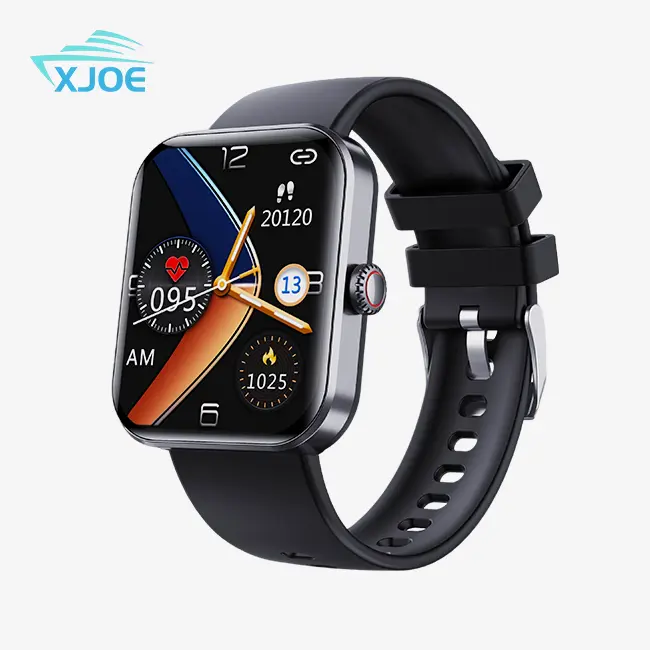
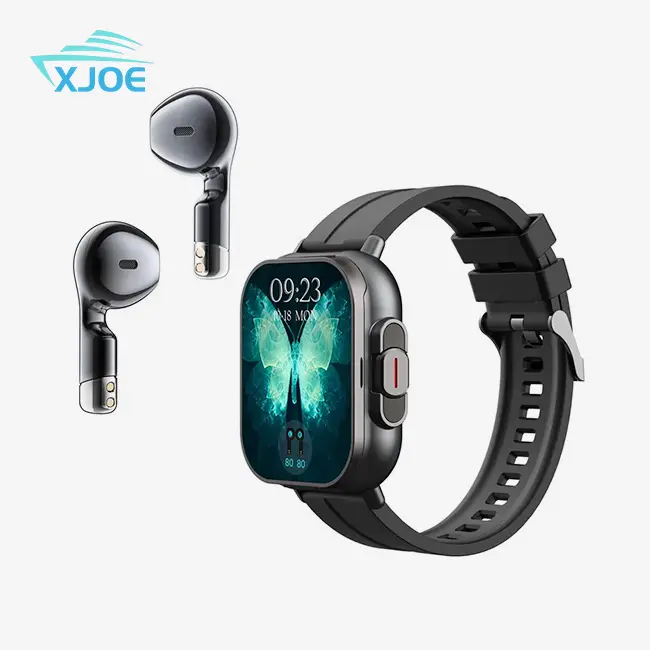
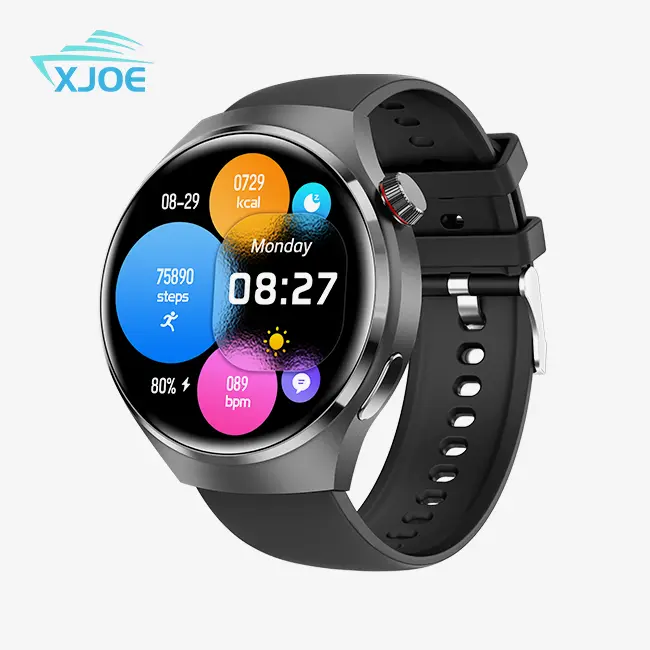
In the US market, the top NFC smartwatches are the Apple Watch Series 9, the Samsung Galaxy Watch 6, and the Garmin Venu 3. The price of these gadgets ranges from $250 to $450. But for B2B buyers looking for OEM or private label items, factory-direct NFC-enabled wearables with Android OS, 1.39-inch AMOLED screens (466x466), IP67 waterproof, and rubber or silicone straps offer similar daily-use features at a much lower price. Resellers can make a lot of money from this price difference.
Bulk Pricing and Procurement Strategy
Tiered pricing is something that retail customers never see when B2B buyers buy in bulk. When procurement teams look at NFC smartwatch suppliers, they should make sure:
- Minimum order quantities (MOQ) for testing and scaling
- OEM branding options, including logo printing and custom packaging
- Certification documentation (CE, FCC, RoHS) for US market compliance
- Warranty terms and after-sales responsiveness
Supplier Reliability and After-Sales Support
Electronics wholesalers have the most trouble with suppliers who don't always do what they say they will do. Defective products, late shipping, and quality problems that vary from batch to batch all lead to returns, bad reviews, and a loss of profit. Most of this risk is taken away from the buyer when they work with a maker that follows GMP factory standards, keeps large inventory buffers, and offers specific after-sales channels.

Practical Use Cases and Implementation for Enterprises
Employee Access Control and Identification
People who wear a smartwatch with NFC payment can store their passwords in a secure part of the watch, which lets them enter and leave protected areas without using paper keys. This is already being used in corporate campuses and logistics centers. The watch turns into a personal ID badge. It's harder to lose than a card, and it's easier to turn off from afar if an employee quits.
Contactless Payments and Transit Integration
An NFC-enabled watch that supports regional transit payments makes it easier for sales teams, field workers, and company travel programs to pay for things without having to pull out a wallet or phone. Auto-stress detection with guided breathing adds a wellness layer that fits with HR-driven corporate procurement efforts, especially now that the pandemic is over.
Security Best Practices for Enterprise Deployment
When a lot of NFC gadgets are put in use, IT teams should make sure that:
- Remote wipe capability for lost or stolen devices
- MDM (Mobile Device Management) enrollment to monitor device status
- Regular firmware updates via OTA to patch security vulnerabilities
These steps keep company systems safe so that the ease of contactless access doesn't lead to new security holes.
Decision-Making Guide for Choosing NFC-Enabled Smartwatches
Matching Features to Business Needs
Before you place a large order, you should honestly think about your end market. When your clientele frequently uses mobile payments, public transportation, or access-controlled offices, an NFC-enabled smartwatch makes the most sense. If your customers are only interested in health and price, a traditional approach might work better for you. There is no one right answer. The best choice depends on your channel and the people you want to reach.
Calculating ROI for Bulk Procurement
When comparing NFC models to traditional options, the return on investment (ROI) should take into account:
- Higher average selling price (ASP): NFC adds perceived value that justifies a $20–$60 price premium at retail.
- Reduced return rates: Devices with clear, differentiated features tend to generate fewer "doesn't do what I expected" returns.
- Brand differentiation: Private label NFC wearables give your brand a concrete story — health monitoring, auto stress detection, contactless payments — that converts better in product listings and social content.
Because of these things, NFC-enabled private label watches often have better long-term returns than standard options, even though they cost more per unit.
Recommendations by Business Type
Amazon FBA sellers and Shopify tech shops should focus on NFC models for people in cities. Branded NFC gadgets are a great way for corporate gift buyers to tell a story. Regional suppliers can serve both price-conscious and feature-driven retail accounts at the same time by keeping both tiers in stock.
Conclusion
The pricing of an NFC enabled smartwatch is much more than a conventional smartwatch. Features that standard Bluetooth-only watches can’t match with NFC. Paying, controlling access, connecting to public transit. If you are buying anything for a company, you need to evaluate if your clients actually need such characteristics. Products with automated stress detection, breathing guidance, IP67 water resistance, 5 to 10-day battery life, and 466x466 resolution AMOLED displays are a fair value and may be used in retail and private label applications.
FAQ
1. Does an NFC smartwatch work with all smartphones?
Most gadgets with NFC that run on the Android OS can connect to Android smartphones (Android 5.0 and up). How well an app works with iOS depends on the app ecosystem. Always check to see if an order is compatible with multiple operating systems before placing a bulk order, especially if your customers use a variety of devices.
2. How secure are NFC payments compared to traditional methods?
Tokenization and secure one-time IDs are used for every NFC transaction. Swiping a magnetic stripe card is not nearly as safe as this. The information that is sent during an NFC transaction can't be used again, which makes fraud much less likely.
3. What warranty and after-sales support should B2B buyers expect?
Reputable NFC smartwatch makers come with 12-month guarantees that cover replacement or repair for broken units. When buying in bulk, make sure that your supplier offers dedicated communication after the sale and quality documentation at the batch level.
4. Can NFC watches be private labeled for corporate branding?
Yes, OEM/ODM makers can print logos on watch faces, let you customize the straps, and put your brand on the packaging. This makes them perfect for workplace gift campaigns and private label electronics brands.
Partner with Xizhou for Your Next NFC Smartwatch Order
As a reliable NFC enabled smartwatch manufacturer, Xizhou has strong R&D skills, GMP-certified production, and a big inventory ready to ship right away. Our products, like smartwatches with AMOLED screens, IP67 water resistance, auto stress detection, and NFC payment support, are made for the competitive retail and private label markets. For the US market, we offer a flexible MOQ, full OEM customization, and full approval documents. You can get prices and samples right now by emailing 13266508958@163.com.
References
1. NFC Forum. NFC Technology Overview. NFC Forum, 2023.
2. Grand View Research. Smart Wearable Market Size, Share & Trends Analysis Report. Grand View Research, 2023.
3. International Data Corporation (IDC). Worldwide Wearable Device Tracker. IDC, 2024.
4. Statista. Smartwatch Market Revenue in the United States. Statista, 2024.
5. PCMag. The Best Smartwatches for 2024. PCMag, 2024.
6. Forbes Technology Council. How NFC Is Changing Mobile Payments and Wearables. Forbes, 2023.