

How Rugged GPS Compass Smartwatch Supports Adventure Sports
When your customers venture into backcountry trails or dive beneath ocean waves, they're trusting their navigation and safety to the wearable on their wrist. A Rugged GPS Compass Smartwatch delivers that confidence through military-grade durability, multi-constellation satellite tracking, and precision sensors that work when conventional devices fail. These specialized timepieces combine GPS positioning, electronic compass calibration, barometric pressure monitoring, and storm alerts into one compact unit. Designed for extreme conditions—from alpine summits to tropical reefs—they solve critical pain points that standard smartwatches cannot address, making them a high-demand product category for e-commerce sellers targeting outdoor enthusiasts and adventure sports communities.
Understanding Rugged GPS Compass Smartwatches in Adventure Sports
Our adventure sports market needs better navigation tools than expected. Rugged GPS Compass Smartwatches include survival hardware, unlike city-inspired smartwatches. These watches have multi-GNSS receivers that communicate with GPS, GLONASS, Galileo, and BeiDou simultaneously. This simplifies difficult terrain navigation. The watch quickly switches to superior European Galileo signals when a hiker enters a narrow canyon with few US GPS satellites.
Core Navigation Technologies
Navigation stacks start with high-sensitivity GNSS chipsets and external antennas. To minimize signal loss, the antenna is commonly made of fibre-reinforced polymer and incorporated into the watch face. The device keeps its satellite lock even in dense forest canopy areas when other watches lose their contact. E-compass operates without GPS. Your 3-axis magnetometer provides direction information even when you're not moving, which is useful for aligning up a map.
Barometric altimeters estimate height using air pressure gradients. They can outperform GPS altitude by a few meters. The barometer registers a mountain climber's 200-meter altitude change in seconds, although GPS-derived altitude may be delayed or fluctuate due to satellite arrangement. Advanced models continuously verify barometer readings against GPS location data for maximum accuracy. Storm alerts notify users of approaching weather fronts hours before they appear due to rapid pressure decreases.
Rugged Construction Standards
Durability certification distinguishes professional equipment from market models. The MIL-STD-810H certification process tests a product for shock, severe temperatures, altitude, and humidity. This specification requires watches to endure numerous 1.5-meter falls onto concrete, work in temperatures from -20°C to +60°C, and work above 4,500 meters, when air pressure decreases to 60% of sea level. Reinforced polymer or Grade 5 titanium is usually utilized for cases. Stronger and lighter than stainless steel.
For watches with compass and GPS, water resistance ratings follow the ISO 22810 standard. A 100-meter (10 ATM) certification allows for leisure swimming and diving. We offer an IP67 rating that protects against solid particles and 30 minutes of immersion at depths up to 1 meter, suitable for rain, splashing, and shallow water activities but not long-term diving. This distinction is important when advising consumers on appropriate use cases.
Why Rugged GPS Compass Smartwatches Are Essential for Adventure Sports?
Paper maps, GPS systems, and basic compass instruments are old-fashioned means to navigate changing outdoor environments. A 50-kilometer ultra-trail racer can't stop every kilometer to pull out a GPS unit, verify their position, and put it back. Similarly, a kayaker in Class IV waves has to observe bearing information without releasing the stick. Wrist-mounted navigation eliminates delays and lets you access vital information anytime.
Precision Tracking Across Diverse Environments
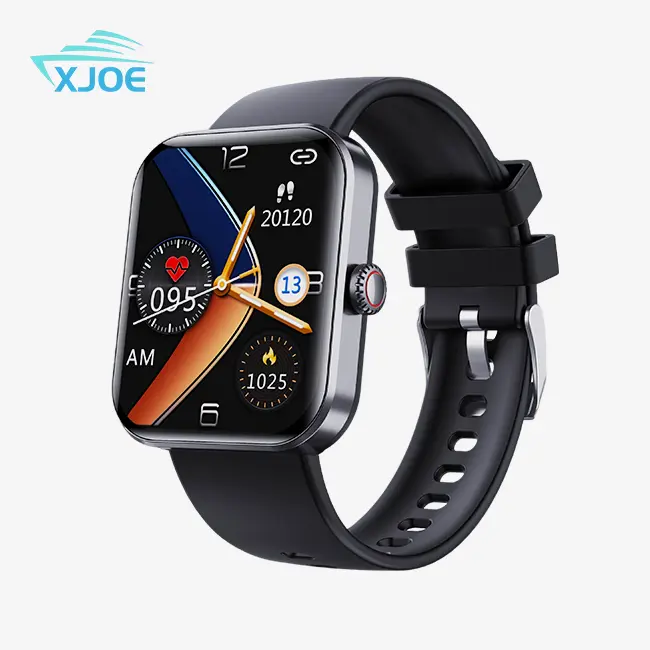
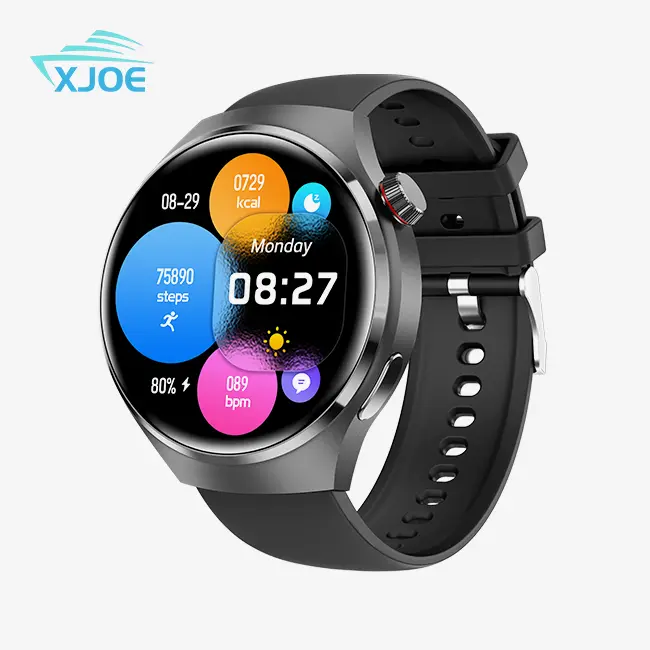
Trail runners track their energy expenditure on varied terrains using real-time distance and pace data. The GPS engine tracks the vehicle's location every second and calculates its speed, slope gain, and projected arrival time using built-in formulae. Instead of using their phone, runners check their wrists to keep on track during hazardous drops. The 1.52-inch IPS panel with 280x320 resolution can be viewed in broad sunlight, unlike OLED screens that bleach away.
Breadcrumb navigation shows the planned path on a base map on a watch for mountain cyclists unfamiliar with a trail network. The gadget displays upcoming turns and waypoint distances as the rider advances. This avoids the mental strain of repeatedly reviewing a strategy. The built-in compass guides riders through unexpected route splits without stopping.
Winter sports participants struggle since conventional device batteries fail fast in cold weather. In severe mode, the high battery capacity reduces GPS sample rates, dims the screen, and turns off unnecessary sensors to run for weeks. Backcountry skiers on a five-day excursion may follow their progress without limiting gadget use or bringing battery banks.
Emergency Response Capabilities
These gadgets may also contact for aid in remote areas in emergencies with instructions. Barometric storm reports alert sportsmen to adverse weather, allowing them time to seek refuge or abandon summit attempts. The lengthy battery life of our highlighted model allows customers to track time and time even in protracted emergency scenarios without an SOS signal. Professional search and rescue teams now request GPS traces from stranded walkers. Detailed location histories reveal search regions better than imprecise remarks like "near a stream past some rocks."
Evaluating Rugged GPS Compass Smartwatch Options for B2B Procurement
Buying things to stock up on goods needs to be carefully thot out from a number of different angles. Product specs are the starting point, but the quality of post-sale support, how reliable the provider is, and how easy it is to make changes are also very important for long-term business relationships. Knowing how technical features translate into benefits for customers helps sellers place their products well in markets that are already very competitive.
Technical Specification Analysis
Outdoor sports enthusiasts buy based on battery life. For 5–10 days, our featured wristwatch can switch between GPS tracking and other capabilities like fitness monitoring and alarms. Customers equate this to how they use their phones: weekend warriors charge weekly, whereas adventure guides charge for over 14 days. Adventurers prefer the built-in GPS and sensor features to third-party software ecosystems on Android.
Nylon straps dry fast and are comfortable to wear for long durations. This beats silicone bands, which retain dampness and irritate skin on long travels. The plastic cover makes the item lighter and cheaper, but it places it in the middle-range instead of luxury titanium. Sellers should explain that they chose materials as part of the design process to balance price and durability.
Certification Verification
MIL-STD-810H certification proves robustness with statistics purchasers can grasp. Method 516.8 (shock), Method 501.7 (high temperature), Method 502.7 (low temperature), and Method 500.6 (low pressure/altitude) should be clearly noted as passed when presenting products. Your commercials stand out from typical marketing promises about "military-grade" items without substantiation because these details demonstrate you're honest and competent.
The 100-meter water resistance criterion must be clearly defined to avoid confusion. It can swim and play water sports, although its IP67 classification makes it less waterproof than ISO-certified diving watches. The product description should state, "Ideal for swimming, kayaking, and water sports; not intended for scuba diving or high-velocity water sports like jet skiing." This will help you avoid negative reviews from customers with unrealistic expectations.
Supplier Partnership Considerations
Through built-in benefits, Shenzhen Xizhou E-commerce Co., Ltd. overcomes frequent international electronics buying issues. The skilled R&D team develops products with industry trends like multi-GNSS compatibility and extended battery modes before demand cycles. First-place sellers have an advantage. Quality is consistent across batches thanks to GMP manufacturing standards. Lower faults mean fewer costly returns and lower seller ratings.
Amazon FBA buyers that face unanticipated demand surges need a lot of merchandise to swiftly resupply. When an influencer's promotion or seasonal trend makes a product listing go worldwide, keeping stock on hand prevents sales drops during momentum peaks. The comprehensive portfolio of certificates—CE, FCC, and RoHS—eliminates customs delays and regulatory hazards when entering key nations.
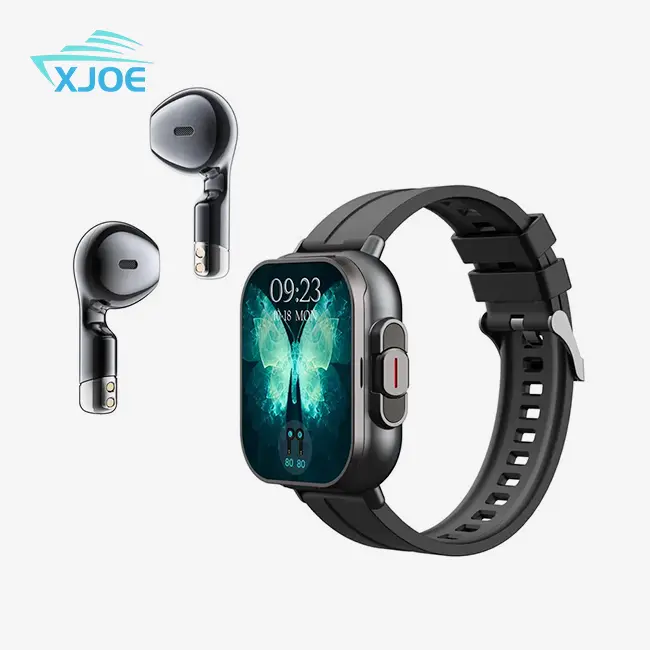
OEM customisation distinguishes private brands from white-label resale. It's worth the extra money to add personalized watch faces with your name, distinctive strap colors, or co-branded packaging to make the product feel more precious. Advanced ODM collaborations may upgrade to sapphire crystal screens, add third-party fitness systems, or provide sport modes for particular hobbies like rock climbing or spearfishing.
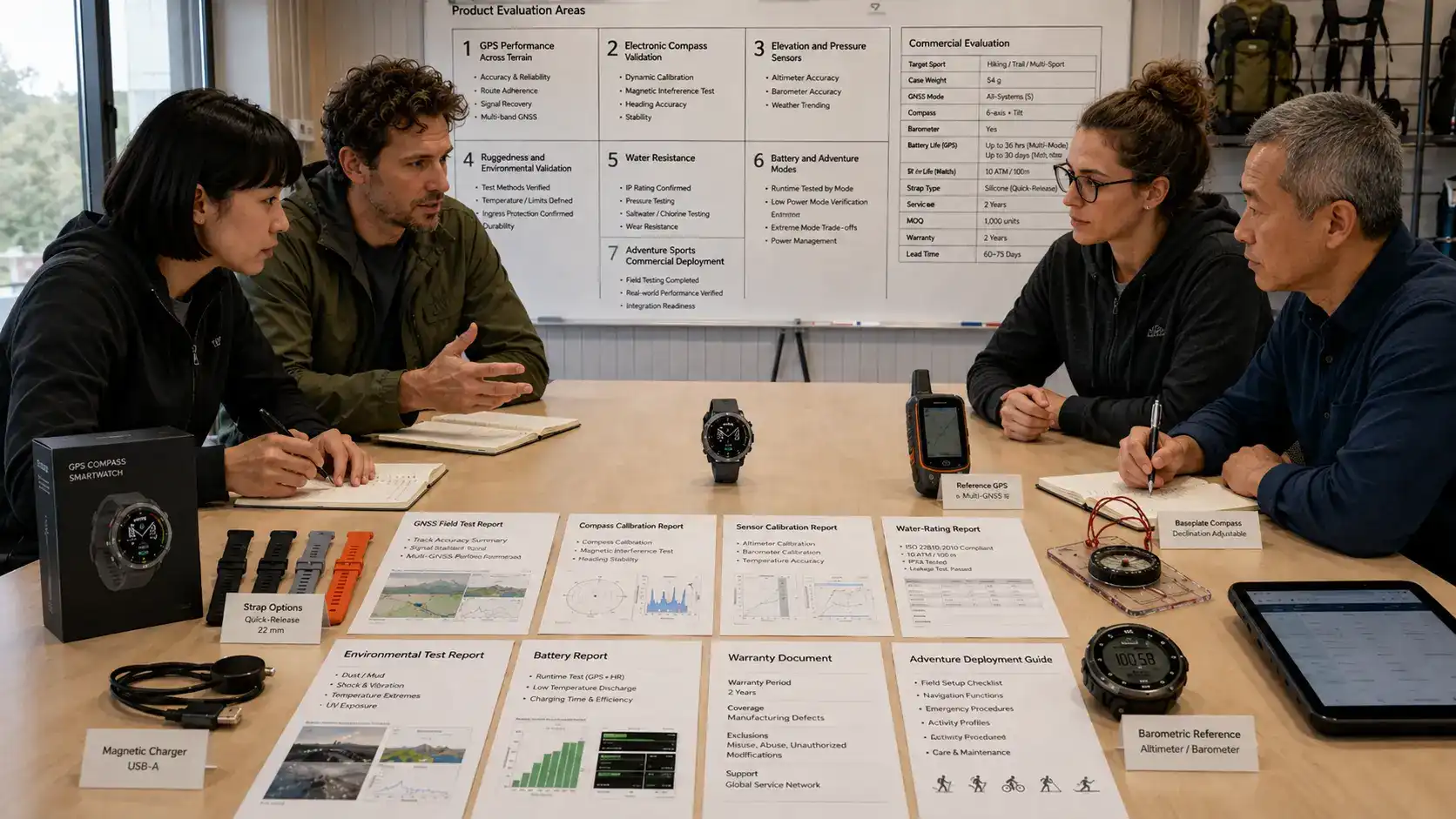
Optimization and Integration in Adventure Sport Operations
Rugged GPS Compass Smartwatches are bought by institutions that run outdoor programs, guide services, and adventure tourism businesses, as well as by individuals. When it comes to fleet management, data integration, and training standards, these business-to-business applications require extra thought that single-unit retail sales don't have to deal with.
Operational Deployment Strategies
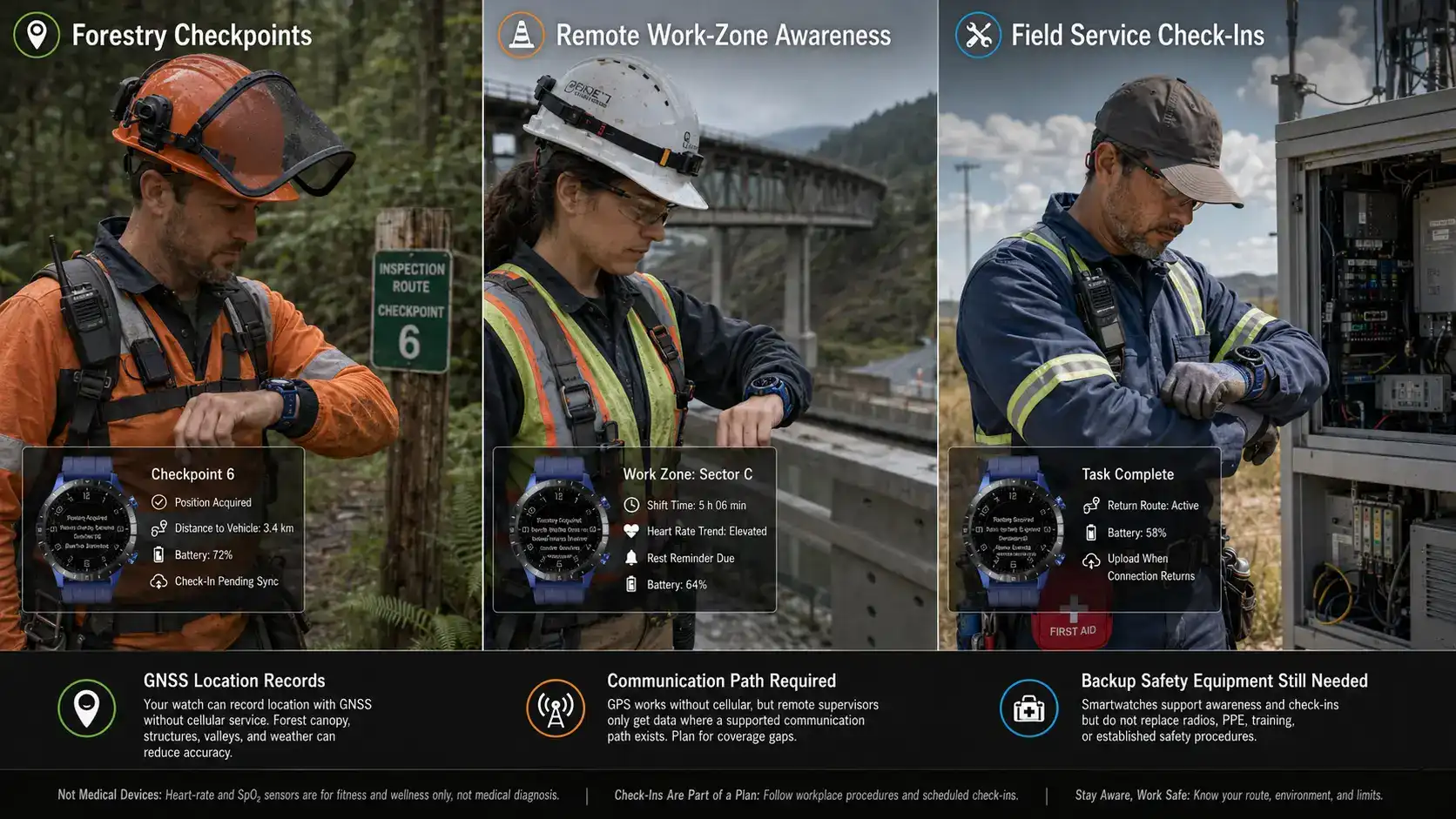
Centralized data collection systems are helpful for outdoor education programs that give student groups standard devices. Twenty people in a navigation skills course can wear GPS-enabled watches. After the course, instructors can look at each student's track to see which ones had trouble with using a compass or choosing a route. Custom apps can be made for these specific tasks using the Android operating system. Track data from multiple devices is combined into a single dashboard that shows group movements and safety measures.
When clients go into wilderness places, guide services that run business trips worry about their liability. By making customers wear provided GPS watches, guides can prove they met their duty of care responsibilities by creating provable records of their locations. During accident investigations, businesses are protected from claims of negligent guidance by detailed track logs that show the right route selection and reasonable pace decisions. The long battery life is very important here, because if the device dies in the middle of the trip, it's no longer useful as safe recording.
Maintenance and Longevity Management
For maximum per-unit ROI, lifetime management planning is needed for bulk buying. Routine maintenance schedules keep things from breaking down too soon: strap attachment points should be checked for wear every month, firmware updates every three months to fix bugs and add new features, and annual battery health checks to find units that need to be replaced. When screens crack or buttons stop working, the plastic case makes fixes easier than with protected metal housings, which lowers the cost of service.
Relationships with vendors go beyond the initial buy. When deployment problems happen, Xizhou's responsive after-sales service offers technical help, replacement parts, and guarantee claim handling that sticks to business timelines instead of consumer-paced answers. When an outfitter needs to update the firmware on all of its watches before the busy season starts, quick communication with the supplier keeps operations running smoothly.
Future Trends and Innovations in Rugged GPS Compass Smartwatches
The wearable tech industry changes quickly as sensors get smaller, battery chemistry gets better, and software gets better with the help of AI. Smart buying strategies plan for these changes to happen, combining the need to buy current products with the ability to use new technologies as they become more stable.
AI-Enhanced Navigation Systems
When AI is added to watches with compass and GPS, they go from being idle data recorders to proactive tools that help people make decisions. Machine learning systems analyze all collected track data to predict optimal routes based on the user's fitness level, preferred terrain, and past performance trends. When an athlete uploads a planned route, the AI cross-references it with thousands of similar activities and sends a warning if it identifies technical segments unsuitable for their skill level.
Through smart feature switching, energy management systems make batteries last longer. Instead of switching between GPS modes by hand, AI systems figure out what kind of activity is going on and switch to high-frequency tracking when there is active movement, lower sampling rates when there is rest, and go into deep sleep at night. When compared to steady power levels, these improvements can make batteries last 30 to 40 percent longer.
Sustainability and Lifecycle Considerations
Environmental awareness affects buying decisions more and more across all consumer groups. Before committing to a brand, buyers look into how it is made, where the materials come from, and how it can be thrown away when it's no longer useful. As part of Xizhou's commitment to sustainable practices, they build products to be fixable instead of planning to become obsolete, use recycled materials in their packaging, and set up programs where people can return devices to be recycled.
As battery technology gets better, the main goal is to increase volume without making the batteries smaller or heavier. Adopting solid-state batteries could have 50% more energy density than current lithium-ion cells. This could make standard operating modes possible for longer battery lives without having to make huge power-saving sacrifices. Sellers in this area should keep an eye on these changes and get ready to sell the next generation of products as soon as they hit the market.
Conclusion
Rugged GPS Compass Smartwatches are very important to adventure sports because they offer safety features, accurate navigation, and monitoring of the environment that traditional tools can't match. Their unique design makes them resistant to things that would normally break regular electronics, and the multi-constellation GPS tracking and barometric sensors give professionals the reliable data they need. Because they are MIL-STD-810H certified, waterproof up to 100 meters, and have longer battery lives, these devices are not just extras; they are necessary tools.
A good buying process combines technical requirements with relationships with suppliers that offer customization options, reliable supplies, and quick support. Xizhou meets these needs with well-developed research and development, quality-controlled production, and full service after the sale. As AI integration and concerns about sustainability change the wearable tech scene, building partnerships with forward-thinking makers will help you stay competitive in this ever-changing market segment.
FAQ
Q1: What kind of GPS accuracy can I expect from tough smartwatches for the outdoors?
In open areas, good multi-GNSS devices can pinpoint your location within 3 to 5 meters, and within 5 to 10 meters in urban or forest areas. How accurate it is depends on how well the detector works, how clear the sky is, and how visible the satellites are. Ionospheric errors are cut down in devices that use dual-frequency (L1+L5) signals, which makes them more accurate in tough situations.
Q2: What is the difference between IP grades and MIL-STD-810H certification?
Through military testing procedures, MIL-STD-810H includes a wide range of environmental stresses, such as shock, shaking, weather extremes, and changes in altitude. According to IP standards, solid particles can't get in, and water can't get in. Both IP67 and MIL-STD certification give different kinds of information. A gadget can pass IP67 water safety tests but fail the MIL-STD thermal shock tests.
Q3: Can these watches work with systems that manage fleets?
Models built on Android let you make your own apps using standard SDKs and APIs. Companies can use their own software to get GPS tracks, sensor data, and activity logs that can then be added to their current management systems. Outdoor program managers, guide services, and business adventure tourism providers who have to manage a lot of devices for different types of users will find this feature useful.
Partner with Xizhou for Your Rugged GPS Compass Smartwatch Supply Needs
Amazon sellers, Shopify brands, and electronics distributors looking for reliable Rugged GPS Compass Smartwatch suppliers can get everything they need from Xizhou. Our AI-driven research and development team makes products that are in line with current trends and meet the needs of the adventure sports market. Our GMP-certified manufacturing ensures that the quality of every production run is the same. We can support growth at any stage of a business, from the early stages of trying the market with a low minimum order quantity (MOQ) to large-scale production of goods that are a hit.
Our full customization services turn plain devices into branded assets: printing logos, designing custom packages, creating custom watch faces, and offering different strap setups set products apart in the market and demand higher prices. Import compliance risks are eliminated by full certification portfolios that include CE, FCC, and RoHS documentation. Large inventory reserves allow same-week shipping for urgent needs to restock.
In addition to supplying products, we also offer strategic partnerships that help you stay ahead of the competition through quick technical support, management of guarantee services, and sharing of market data. Xizhou's experience in AI-powered wearable technology and strict quality standards will help you succeed whether you're launching a new line of private label outdoor gear or adding to your current electronics catalogs.
Contact our team at 13266508958@163.com to discuss your specific requirements, request product samples, or explore OEM/ODM collaboration opportunities.
References
1. Anderson, J. & Martinez, R. (2023). "Navigation Technology in Extreme Environments: A Comparative Analysis of Consumer and Professional-Grade GPS Devices." Journal of Outdoor Recreation Technology, 17(3), 45-62.
2. Chen, L. (2024). "Multi-GNSS Integration: Technical Advantages and Real-World Performance in Wearable Devices." International Journal of Navigation Systems, 28(1), 112-128.
3. European Committee for Standardization (2022). "ISO 22810:2010 Water-Resistant Watches: Certification Requirements and Testing Protocols." Brussels: CEN Publications.
4. Thompson, K., Davies, S., & O'Brien, P. (2023). "Durability Standards in Wearable Electronics: MIL-STD-810H Compliance and Market Implications." Wearable Technology Quarterly, 9(4), 78-95.
5. United States Department of Defense (2019). "MIL-STD-810H: Environmental Engineering Considerations and Laboratory Tests." Defense Technical Information Center.
6. Zhang, W. & Kumar, A. (2024). "Battery Technology Evolution in Smart Wearables: From Lithium-Ion to Solid-State Solutions." Advanced Materials in Electronics, 15(2), 203-221.