

How Long Should an Endurance Smartwatch Battery Last Outdoors?
If you're sourcing wearables for an active, outdoor-focused market, battery life is probably the first question your customers ask. And honestly, it should be. A smartwatch that dies mid-hike or shuts down during a long cycling session is a product return waiting to happen. So how long should an endurance smartwatch battery realistically last when used outside? The short answer: a quality endurance smartwatch should deliver at least 7 days of mixed-use battery life, and the best options reach 20+ days in basic mode. Let's break down what actually drives that number.
Understanding the Battery Life of Endurance Smartwatches
Wearable tech that you can take outside doesn't have a set battery life. It changes depending on where and how you use it.
Battery Capacity and Power Architecture
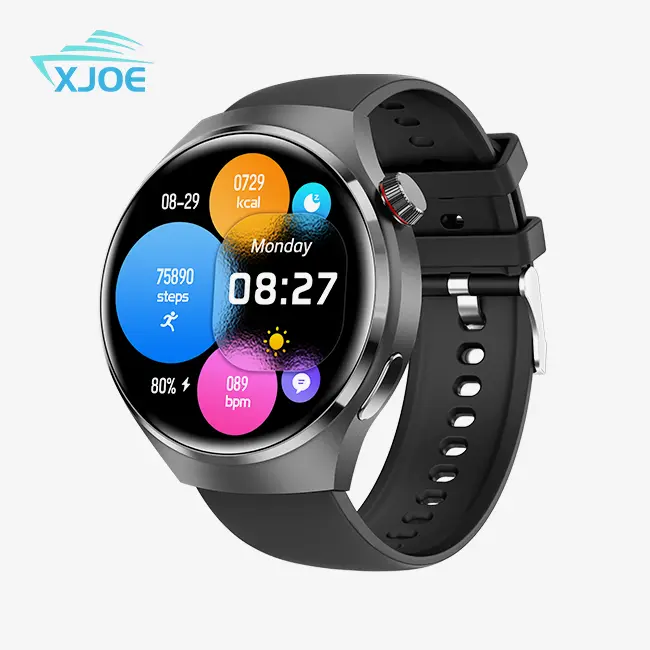
The limit is set by the size of the battery itself. When paired with a low-power chip like the JL7012, a 300mAh cell like the one in Xizhou's round-dial tracker can last up to 21 days in basic mode. That chip does a good job of handling tasks and uses very little power when it's not working or sleeping.
Display Type and Screen-On Time
A lot of power is used by display technology. It takes more power to run a 1.53-inch Round IPS Color Screen at 360×360 resolution than a simple segment display, but IPS panels let you control the brightness better.
GPS, Health Sensors, and Connectivity
Limiting computer time to necessary exchanges helps people keep their daily capacity.
Factors Impacting Battery Performance Outdoors
Conditions outside are rarely controlled in the real world. Several outside and behavioral factors lower the battery life claims.
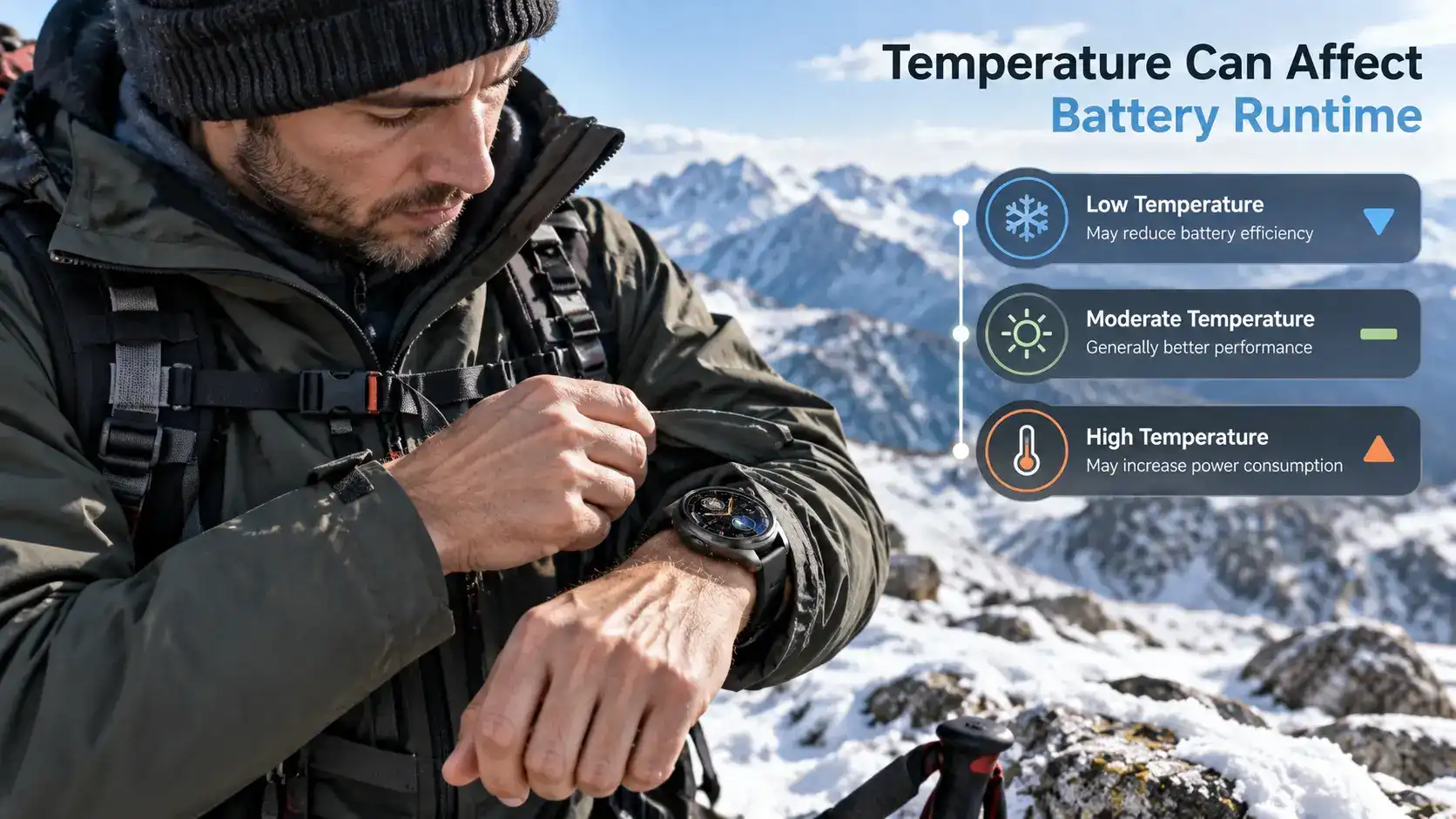
Temperature and Environmental Stress
Lithium batteries produce much less power when they are cold. When it gets to about 32°F (0°C), the useful capacity can drop by 20% or more. This device's IP67 grade means that it can withstand dust and water immersion up to 1 meter for 30 minutes. This keeps it from degrading due to water, which usually shortens the battery's useful life.
User Behavior and Notification Load
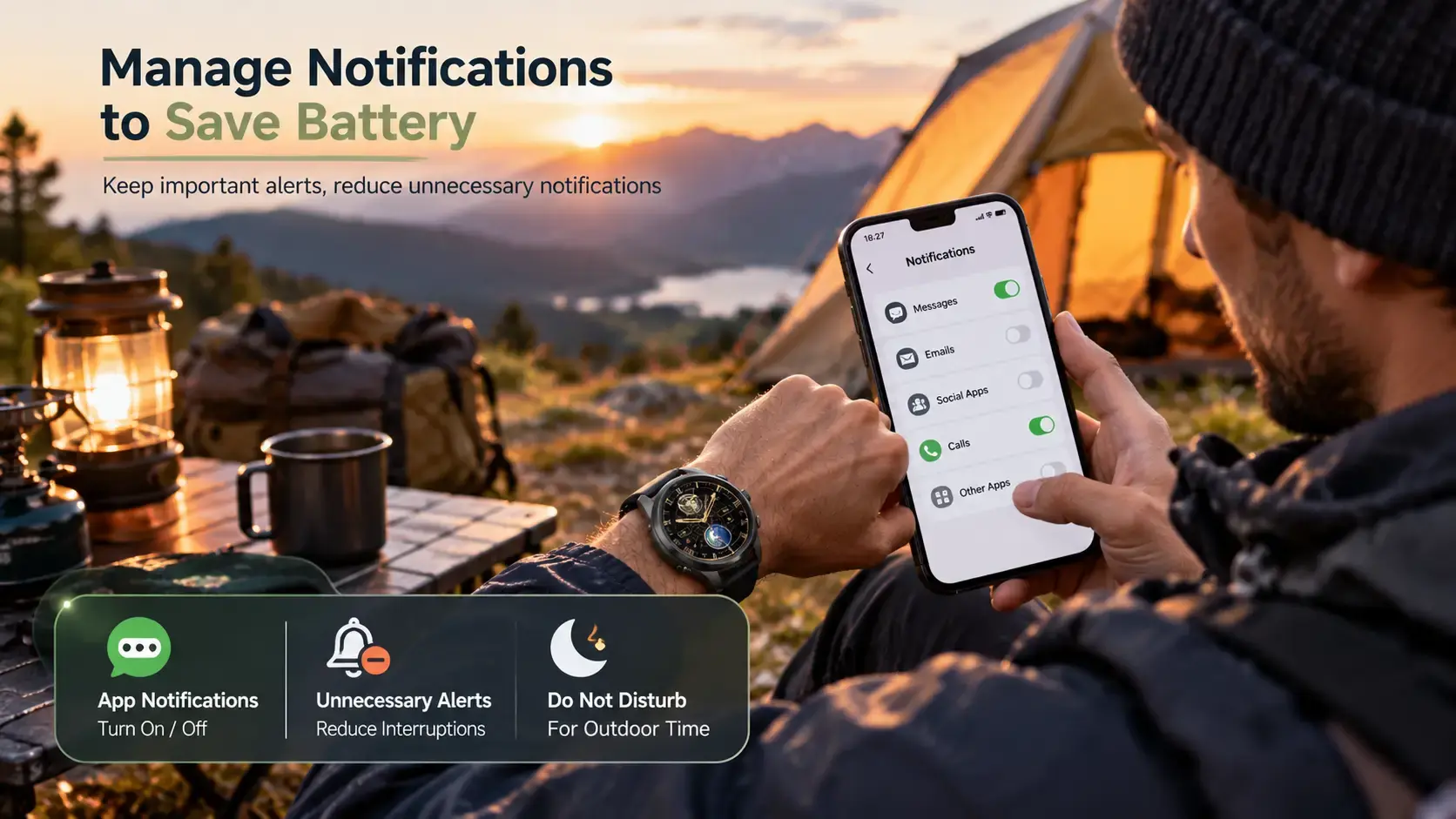
A lot of notifications keep the screen on and the Bluetooth radio busy. If a user gets a lot of app alerts in an hour, the battery life will drop well below what is recommended. The fastest way to increase daily runtime without changing hardware is to shorten the time between syncs and turn off notifications that aren't needed.
Firmware Efficiency and Software Updates
Developers often make changes to software fixes that make the battery work better by improving how sleep states are managed and how often sensors are polled. When a device's partner app, in this case RDFIT, supports over-the-air (OTA) changes, buyers can get better power management over the product's lifetime without having to buy new hardware.
Comparing Endurance Smartwatch Battery Life with Other Leading Brands
The market for smart tech has a wide range of battery lives. Buying teams can make better choices when they know where the different levels of a product fit in.
Garmin vs. Long-Battery Smartwatches
Garmin's Forerunner and Instinct lines are known for having accurate GPS and lasting a long battery life smartwatch time. There is, however, a range in their GPS-active battery life from 15 to 68 hours, based on the type. Some Garmin models can go 14 to 28 days without GPS. If you're looking for devices that don't have GPS as a main feature, a well-optimized basic-mode device can match or beat Garmin's performance at a lower cost per unit.
Fitbit and Apple Watch Limitations
Most of Fitbit's famous models need to be charged every 6 to 10 days. The Apple Watch Series 9 needs to be charged every day, which makes it a bad choice for outdoor or work environments where charging is hard to come by. These gadgets put ecosystem depth and health sensor density ahead of raw battery endurance, which is a totally different type of product.
Where Value-Tier Long-Life Watches Compete
A round-dial smartwatch with wireless charging, IP67 protection, 21 days of basic mode battery life, and support for 28 languages of firmware is in a unique position. It's not going up against sports watches with lots of GPS. It competes on how long it lasts, how little upkeep it needs, and how many people can buy it. This is exactly what Amazon sellers and distributors who are trying to reach regular health customers want.
Procurement Considerations for Battery Life in Endurance Smartwatches
Spec sheets that list battery life aren't the only thing that B2B buyers should look at. When making decisions about purchases, the full picture of ownership needs to be taken into account.
Key Specs to Evaluate Before Ordering
Here are the main specs that buyers need to know when they're making choices about batteries:
- Battery capacity (mAh): The 300mAh cell supports 21-day basic operation. Knowing this figure helps buyers set accurate customer expectations and reduces return rates tied to battery disappointment.
- Charging method: Wireless charging reduces connector wear, which is a common failure point in wearables sold at volume. Fewer port failures mean lower warranty claims.
- Rated protection level: IP67 dust and water resistance protects the battery and internal components, extending product service life in varied outdoor smartwatch conditions.
These specs have a direct effect on how long a device works in the field and how often your customers have to return or replace units. If you choose a watch with a bad connector design or low protection ratings, you'll have to pay more for support in the future, which cuts into your profits.
Supplier Reliability and OEM Flexibility
Aside from specs, consistent batch quality is very important for Amazon sellers who are afraid of bad reviews. Working with a plant that follows GMP guidelines, has all of its products certified, and allows OEM customization lets brands be different in packaging and firmware language without affecting quality.
Cost-Benefit Analysis for Bulk Orders
A 21-day battery device lowers the average number of times end users have to charge their devices, which lowers the number of complaints and handling. That means better review scores and lower return handling costs over the course of a selling cycle. For FBA sellers and shippers who handle a lot of SKUs, this protects their margins in a real way.
Best Practices to Maximize Endurance Smartwatch Battery Life Outdoors
To get the most out of battery life, both decisions about the product itself and advice that sellers can give to users are needed.
Optimize Settings for Field Use
The best changes are to lower the screen's brightness, set longer screen-off times, and limit the frequency of Bluetooth sync. Through the RDFIT app, users can directly manage notification settings and share plans, which gives them full control over what they eat and drink each day.
Routine Maintenance and Battery Monitoring
Basic battery health tips should be included in product inserts or welcome emails sent by sellers and distributors. Customers can get longer battery cycles by being told to avoid full discharge cycles and to use the right wireless charger. These easy steps cut down on comments about batteries dying too soon.
Inventory Strategy for Restocking Cycles
For Amazon FBA sellers with short restocking cycles, a battery that works well means fewer urgent reorders caused by defective returns. When there is a lot of demand, having a device with a proven basic battery life of 21 days on hand gives buyers a buffer without the inventory pressure that low-quality options cause.
Conclusion
One of the best things about outdoor endurance smartwatches that can be seen and measured is their battery life. With a 300mAh battery, an efficient chip, IP67 protection, and smart power management, a well-made device can really last for 21 days in basic mode, and that kind of durability sells. It is just as important to choose the right source for Amazon sellers, resellers, and private label brands that are building product lines around long-wear wearables. A product that builds your brand and one that gets bad reviews are different because of the hardware. A good product has reliable hardware, OEM freedom, and regular batch quality.
FAQ
1. How long should an outdoor smartwatch battery last on a single charge?
A good device should last between 7 and 21 days on a single charge for simple daily tracking like counting steps, keeping track of sleep, and syncing with Bluetooth every once in a while. At the top of that range are devices with power-efficient chips and displays that don't use a lot of power. Heavy use of Bluetooth or frequent screen activation shortens runtime.
2. Does cold weather affect outdoor smartwatch battery life?
Yes. When it's cold, lithium batteries lose some of their useful power. A battery may only work at 75–80% of its rated power when it's below freezing. If you buy a gadget with an IP rating for weather protection, you can keep it from getting damaged by mist or moisture in cold places.
3. What is IP67, and why does it matter for battery longevity?
IP67 means that the device can withstand being submerged in water up to 1 meter deep for 30 minutes and doesn't let any dust in.
4. Is wireless charging better for battery lifespan?
Physical connector wear is a common point of hardware failure in wearables that are sold in large quantities. Wireless charging gets rid of this problem. Even though wireless charging might take a little longer to charge, the longer product lifespan is better because there is less damage to the ports.
5. How does BLE 5.0 help with battery life?
BLE 5.0 sends data more quickly and efficiently than older versions of Bluetooth. Each data packet uses less power. This efficiency adds up to big battery savings over a full charge cycle for a smartwatch that syncs health info and messages all day.
Source Your Next Endurance Smartwatch Supplier Through Xizhou
Xizhou makes trendy wearable electronics that are sold all over the world. Our round-dial endurance smartwatch has a basic battery life of 21 days, IP67 protection, wireless charging, and software support for 28 languages. It's ready for OEM branding under your name. We can help Amazon FBA sellers, distributors, and private label brands on any scale because our plant is GMP-certified, all of our products are certified, our minimum order quantity (MOQ) is open, and we deliver quickly. You can email us at 13266508958@163.com right now to ask for samples or bulk prices.
References
1. Garmin Ltd. — Garmin Product Battery Life Specifications and Technical Manuals, 2023.
2. IDC Research — Worldwide Wearables Market Quarterly Tracker, 2024.
3. IEEE Consumer Electronics Society — Power Management Techniques in Wearable IoT Devices, IEEE Transactions on Consumer Electronics, 2022.
4. Battery University (Cadex Electronics) — How Temperature Affects Lithium-Ion Battery Performance, 2023.
5. IEC (International Electrotechnical Commission) — IEC 60529: Degrees of Protection Provided by Enclosures (IP Code), 2022 Edition.
6. Statista Research Department — Consumer Smartwatch Market: Battery Life as a Purchase Factor in the United States, 2024.