

How ECG SpO2 Smartwatch Upgrades Improve Health Monitoring
Medical Disclaimer: The health monitoring features discussed in this article are intended for general wellness tracking purposes only. They are not a substitute for professional medical diagnosis, clinical examination, or treatment. Always consult a qualified healthcare provider for medical concerns.
ECG and SpO2 sensor integration marks one of the most meaningful shifts in wearable technology over the past decade. Whether you are an Amazon FBA seller scouting the next high-margin product, a distributor building a diversified catalog, or a corporate wellness buyer outfitting a workforce, understanding what these upgrades actually deliver — and what they do not — is essential. This article breaks down the technology, the procurement logic, and where the market is heading, so you can make decisions grounded in real data rather than marketing language. For teams evaluating an endurance smartwatch supplier, the insights here are directly applicable.
Understanding ECG and SpO2 Technology in Wearable Devices
What ECG Actually Measures
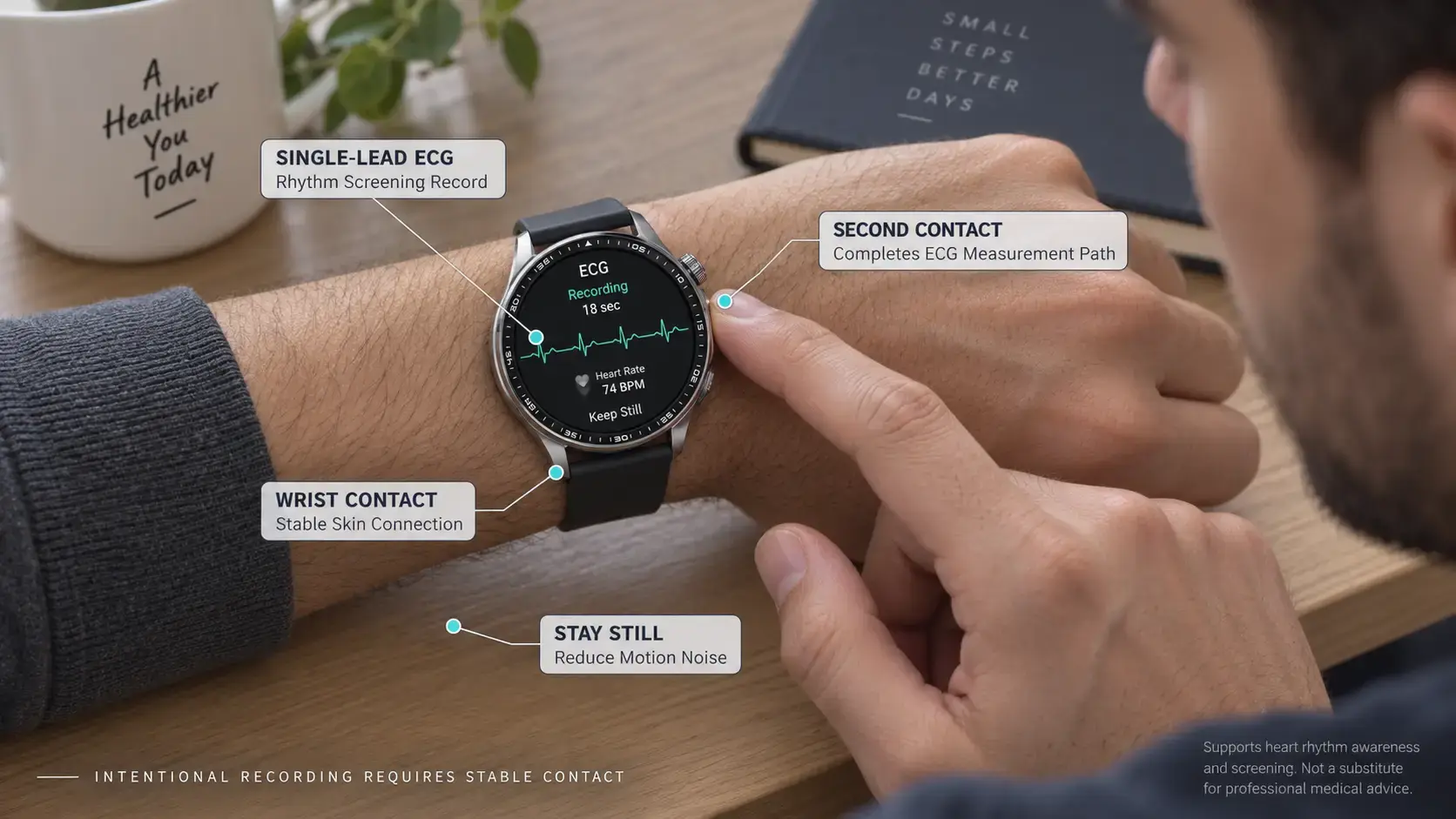
An electrocardiogram (ECG) shows the electrical signals that make the heart beat. A single-lead ECG monitor in a wrist-worn device picks up these signals through wires pressed against the skin. This creates a waveform that can show signs of irregular beats like atrial fibrillation. A clinical 12-lead ECG is still the best way to diagnose heart problems, but a single-lead wrist ECG has shown that it can be useful for screening. In 2019, The Lancet released a study that compared the Apple Watch's ECG function to a patch-based reference monitor and found that it was 98% sensitive for finding atrial fibrillation. This set a new standard for the industry and changed what people thought was possible.
How SpO2 Monitoring Works on the Wrist
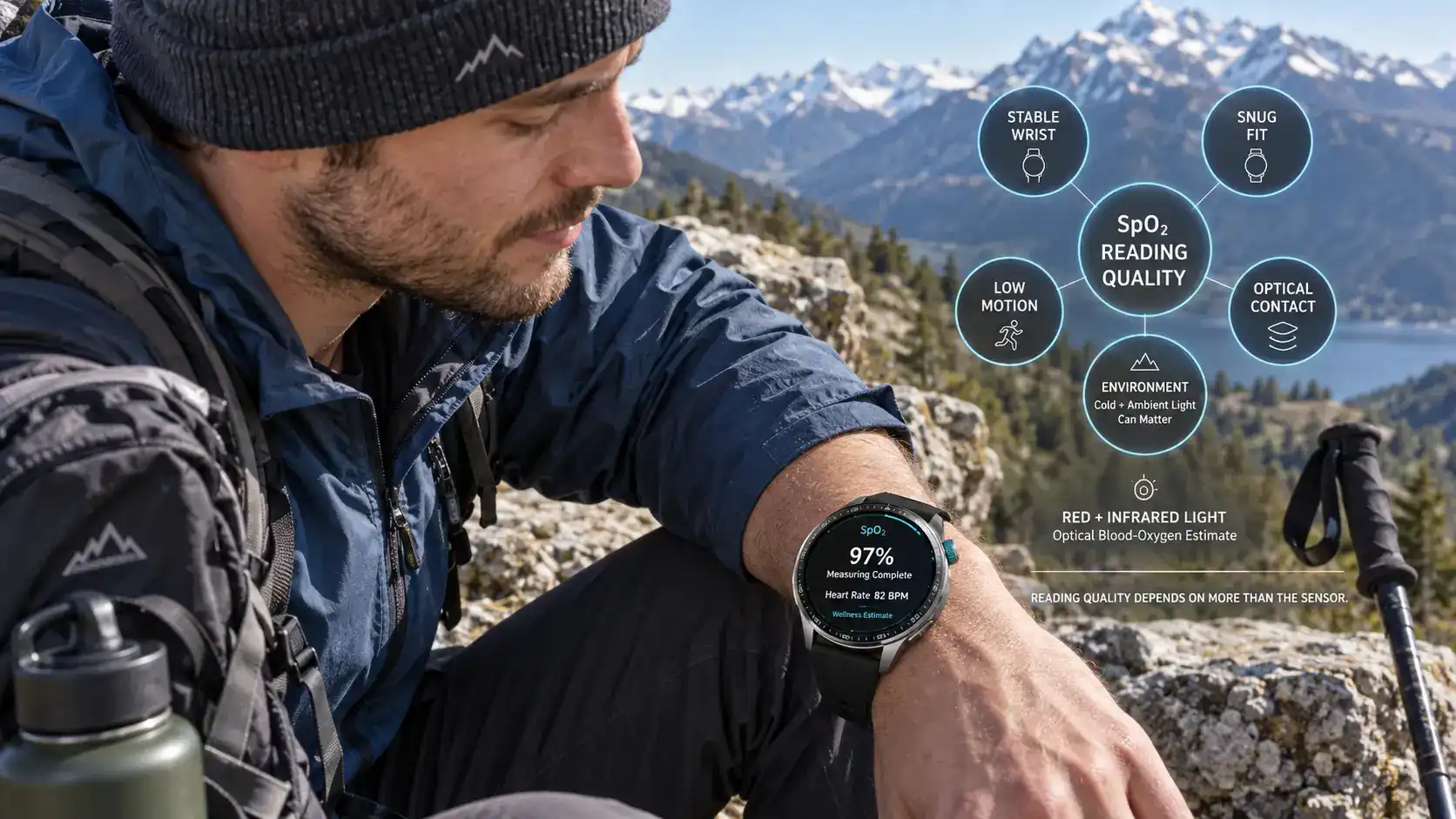
SpO2 sensors measure the amount of oxygenated to deoxygenated hemoglobin in the blood by shining red and infrared light through the skin. Between 95% and 100% is a normal range for arterial oxygen saturation. Readings below 90% indicate hypoxia, a situation that is especially important for endurance athletes working at high altitude, people who work in low-oxygen factories, or people who are getting better from a lung illness. Keeping the data quality high while moving is the hardest part of engineering. This is why the placement of optical sensors, the methods used by processors, and the fit of the bands all affect how accurate the system is in real life.
Key Benefits of ECG and SpO2 Upgrades for Health and Performance Monitoring
Moving from a regular step-counter to a device that can continuously measure ECG and SpO2 is more than just adding more features; it changes the quality of information that the wearer and the companies that are putting these devices in a lot of people's hands can get.
Here are the most important performance benefits for business-to-business apps:
- Early anomaly detection: Continuous monitoring of blood oxygen levels can find early signs of sleep apnea, respiratory strain, or hypoxia caused by high altitudes before they become severe. This type of passive screening is a measurable health benefit for business wellness programs that take care of big groups of employees.
- Cardiac rhythm awareness: Single-lead ECG readings give users and healthcare professionals a waveform that they can look at again and again. Wearable ECG data is being used more and more in regular wellness checks by community health systems and occupational health programs.
- Multi-metric synergy: ECG and SpO2 readings, along with heart rate variability, sleep staging, stress index scores, and activity data, give a fuller picture of a person's health. This is helpful for performance coaches, corporate HR teams, and health platform integrators alike.
- Industrial and field deployment: In transportation, manufacturing, and field services, devices that are built to last and give real-time health alerts support worker safety measures in a way that older trackers just can't.
These benefits make it easier for sellers and distributors to set their endurance smartwatch products apart. A health gadget that has been proven to help people gets a higher price and doesn't make as much money because standards weren't met.
Evaluating Accuracy and Reliability: What the Data Says
Not every ECG and SpO2 application works the same. Sensor quality, algorithm complexity, and legal status of consumer-grade products vary a lot. When buying things, the difference between FDA-cleared and non-cleared devices is very important, especially when the devices are for health programs at work or for uses that are close to clinical settings.
PPG accuracy is affected by things like skin tone, wrist movement, ambient light, and band tension, as shown by multiple independent tests. A 2020 study in npj Digital Medicine looked at 10 market trackers and found that the accuracy of SpO2 ranged from ±1% to ±3.5% across devices, which is a range that is clinically relevant. When looking for items for medical or non-medical uses, buyers should give more weight to gadgets that have public validation data and appropriate certifications, like CE marking or FDA 510(k) clearance.
Consumer-grade accuracy is enough for general wellness and fitness applications, which make up the biggest part of the B2B market, as long as users are properly educated about the device's purpose and limits.
Procurement Insights: Choosing the Right Device and Supplier
Aligning Specifications to Use Case
When procurement professionals look at ECG SpO2 wearables, they should base their selection criteria on where the devices will be used. The look, quality of the package, and ability to add a logo are all important parts of a business gifting program. A sports store looking for a smartwatch with a long battery life values reliability and tracking that works for several days without being charged. When an OEM brand makes a private-label line of health wearables, they need help from engineers, stable sources for parts, and stability from batch to batch.
Key Technical and Commercial Criteria
Before you sign a contract with a seller for a long battery life smartwatch, you should carefully look over these requirements:
- How long the battery lasts depends on how the features are used (basic mode vs. continuous sensor-on mode).
- IP rating and how long the material will last in the environment it's meant for
- Compliance with regulations paperwork for target markets
- The number of languages and app ecosystems that can work together
- OEM customization options, such as logos and packaging for firmware
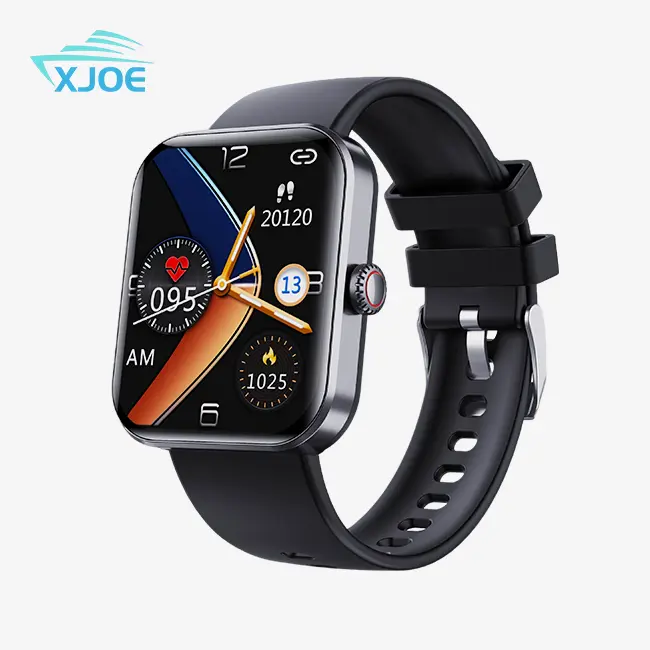
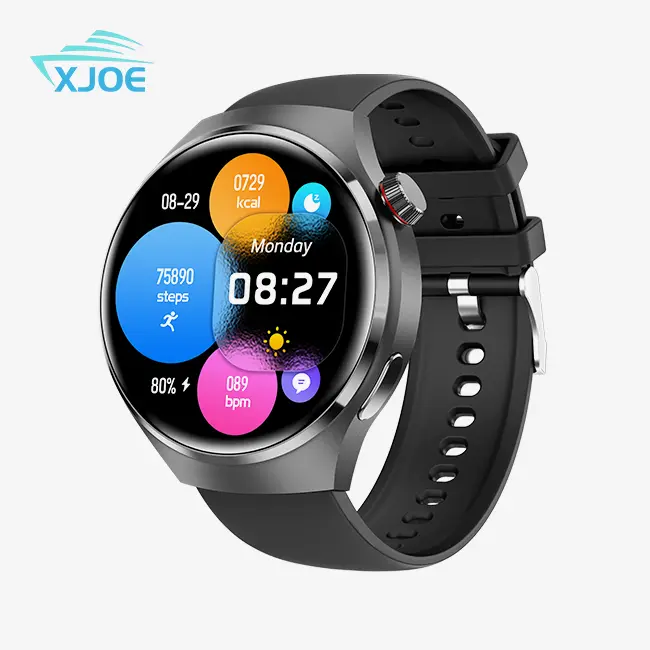
The classic round-dial smartwatch segment is one that deserves attention. These are devices that are comfortable enough to wear every day and can also track your health. The round-face model from Xizhou is powered by the JL7012 chip and has a 1.53-inch IPS color display with a size of 360×360. It is made of zinc metal and is resistant to water and dust (IP67), and has BLE 5.0 connectivity. Its 300mAh battery gives it up to 21 days of power in basic mode, which makes charging much easier for users. The RDFIT app that goes with it supports more than 30 languages, so it can be used in places around the world without any problems. It comes in Gun Black and Silver with leather straps and can track steps, sleep, and daily health tasks. It's a simple, reliable SKU for sellers who want stable stocking performance instead of a device with a lot of features that costs a lot to support.
These benefits solve a real problem in the business world: too many charging cycles make users less likely to follow the rules, which lowers the product's value in the eyes of customers and leads to more negative reviews.
Future Trends Shaping the ECG SpO2 Smartwatch Market
Health data driven by AI is going from being new to being expected. Wearable data platforms that show predictive insights, like irregular sleep patterns, falling readiness scores, or early changes in breathing, are becoming more popular in both consumer and enterprise health ecosystems. For business-to-business buyers, this means that choosing a seller will involve looking at software roadmaps along with hardware specs more and more.
Adding IoT is another trend that is growing faster. Wearable data streams are being used in smart office systems, community health tracking platforms, and workplace safety frameworks to create environments that are responsive and data-informed. Suppliers that offer both OEM/ODM and open API support are better able to handle these integrations than those that only offer closed ecosystems.
As fitness programs in the workplace grow and government scrutiny of health data grows, so will the need for wearables that can be customized and are legal. When distributors and private-label brands build relationships with suppliers now, before the market gets tight, they get big benefits in terms of sourcing and margin.
Conclusion
The addition of ECG and SpO2 has increased what an endurance smartwatch can really do for both the person wearing it and the companies that buy a lot of them. The market demand is clear, the technology is stable enough for widespread use, and buyers will be rewarded if they carefully look over specs and choose supplier partners who have a track record of being able to customize products. The choices you make during the sourcing stage affect how well the product does in the market over time, no matter if you are making a private-label health wearable line, restocking a high-volume Amazon catalog, or setting up a company wellness program.
FAQ
1. What is the difference between ECG and standard heart rate monitoring?
PPG is used to count pulse gaps in standard heart rate tracking. A heart scan, or ECG, directly reads the heart's electrical data, creating a pattern that can find irregular heartbeats like atrial fibrillation. ECG gives more information about the heart, while PPG-based heart rate tracking is better for low-power, constant monitoring while you're active.
2. Are consumer ECG smartwatches accurate enough for workplace health programs?
Consumer-grade ECG trackers can help with general health checks and keeping an eye on trends. They are not the same as testing tools used in hospitals. When companies use wearables for employee health, they should look at the accuracy data for each device and make sure that medical professionals understand any readings that are flagged.
3. What should B2B buyers prioritize when sourcing an endurance smartwatch supplier?
Put quality supplier documentation, sample testing lead times, OEM/ODM flexibility, regulatory certifications for target markets, and quick response to after-sales support at the top of your list of priorities. Battery life claims should be checked in real-life situations, not just in the basic modes that the maker says are available.
4. Can these devices support multilingual deployments for global distribution?
Yes. Through the RDFIT platform, devices like Xizhou's round-face model can handle more than 28 firmware languages and more than 30 app languages. This makes it easy to operate in North America, Europe, the Middle East, and Asia without having to change the firmware.
Partner With Xizhou — Your Trusted Endurance Smartwatch Manufacturer
Xizhou offers smart wearables that work effectively at large scale by combining mature R&D, GMP-standard manufacturing, and open OEM/ODM support. Our team helps Amazon sellers, distributors, and business buyers with private-label development, custom packaging, and quick restocking processes. Get in touch with us directly if you are looking for an endurance smartwatch provider for your next product line or large order. You can get examples or talk about modifications by emailing us at 13266508958@163.com.
References
1. Perez, M. V., et al. "Large-Scale Assessment of a Smartwatch to Identify Atrial Fibrillation." The New England Journal of Medicine, 2019.
2. Bent, B., et al. "Investigating Sources of Inaccuracy in Wearable Optical Heart Rate Sensors." npj Digital Medicine, 2020.
3. Hannun, A. Y., et al. "Cardiologist-Level Arrhythmia Detection and Classification in Ambulatory Electrocardiograms Using a Deep Neural Network." Nature Medicine, 2019.
4. Parak, J., and Korhonen, I. "Evaluation of Wearable Consumer Heart Rate Monitors Based on Photoplethysmography." IEEE Engineering in Medicine and Biology Society, 2014.
5. Charlton, P. H., et al. "Wearable Photoplethysmography for Cardiovascular Monitoring." Proceedings of the IEEE, 2022.
6. Shcherbina, A., et al. "Accuracy in Wrist-Worn, Sensor-Based Measurements of Heart Rate and Energy Expenditure in a Diverse Cohort." Journal of Personalized Medicine, 2017.