

How Does a Voice Call Watch Improve Communication on the Go?
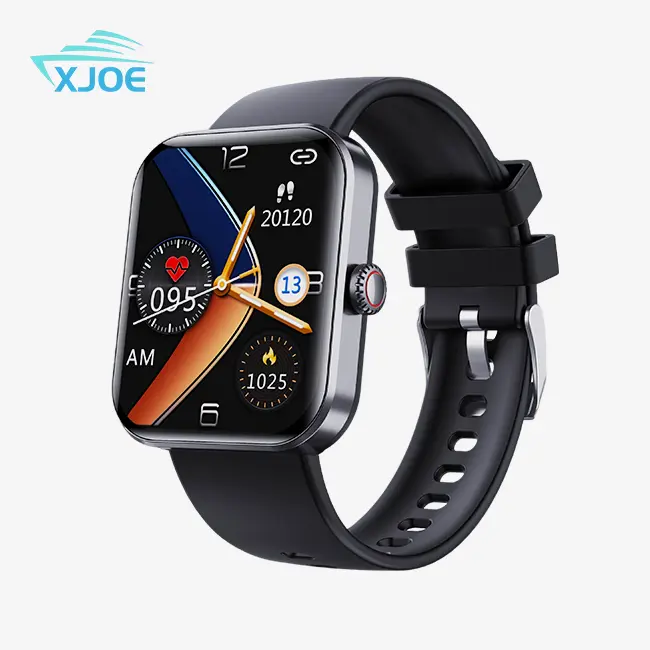
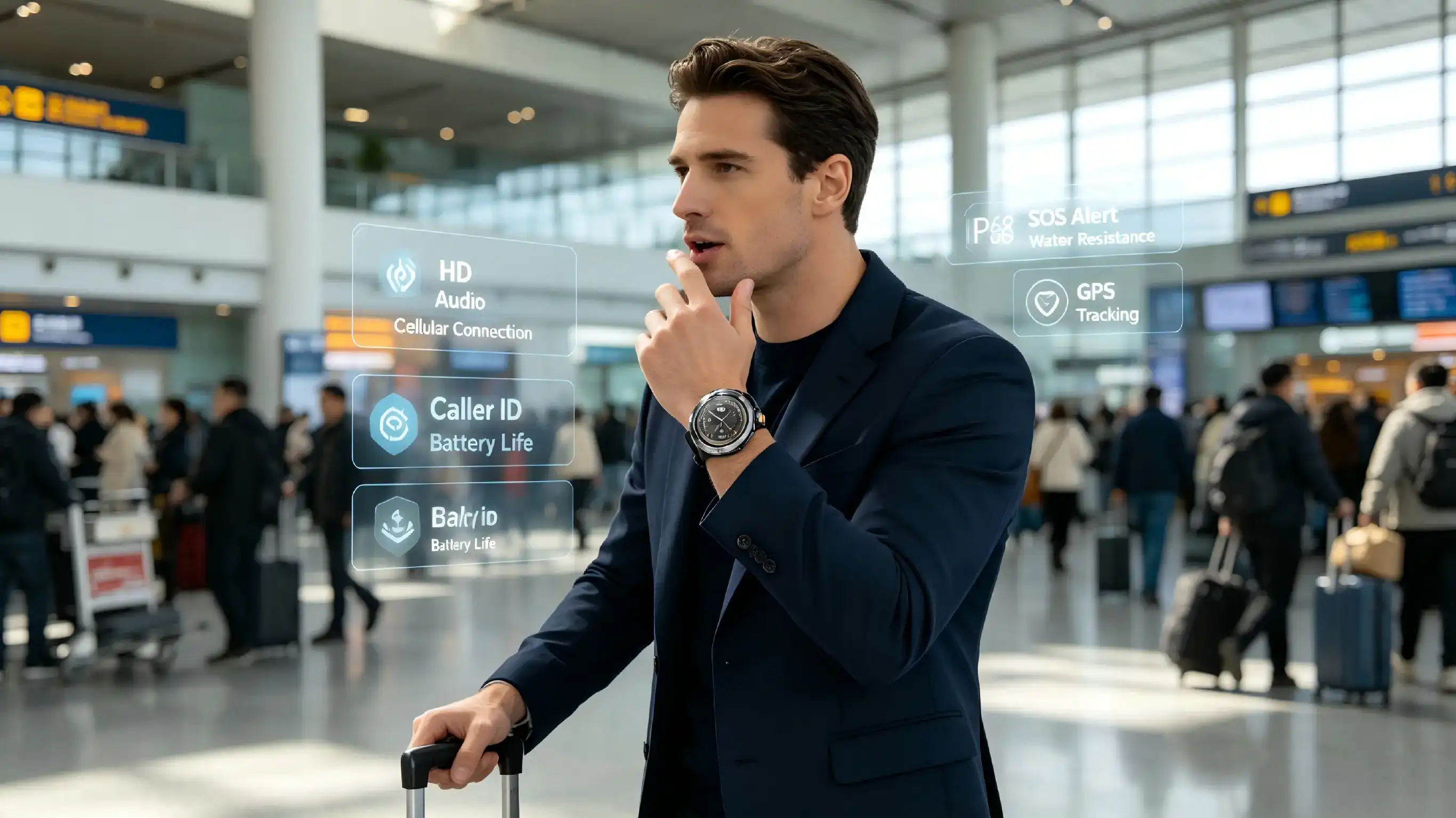
A Voice Call Watch changes the way people talk on the go by letting them make direct calls from their wrists without having to pull out their phone. This wearable has high-definition microphones, loudspeakers, and a cellular connection. It lets users call friends, handle call records, and answer calls right away while commuting, working out, or running a business. These devices let you talk on the phone without using your hands, have tough designs that are rated IP68 for water resistance, and have batteries that last up to four days. They get rid of the hassle of fumbling for your phone and keep the sound clear even in noisy places, making them must-haves for busy professionals and active people.
Understanding Voice Call Watches: Features and Functionalities
Voice Call Watches are a big step forward in wearable tech because they combine a small size with strong contact features. Traditional smartwatches only let users know when calls come in. These devices, on the other hand, let users talk on the phone straight from their wrist, giving them real independence from their computers.
Core Communication Components
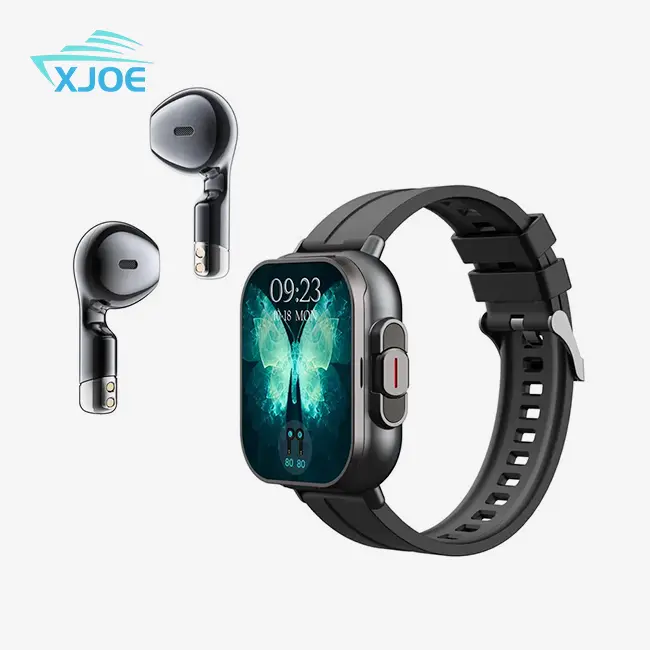
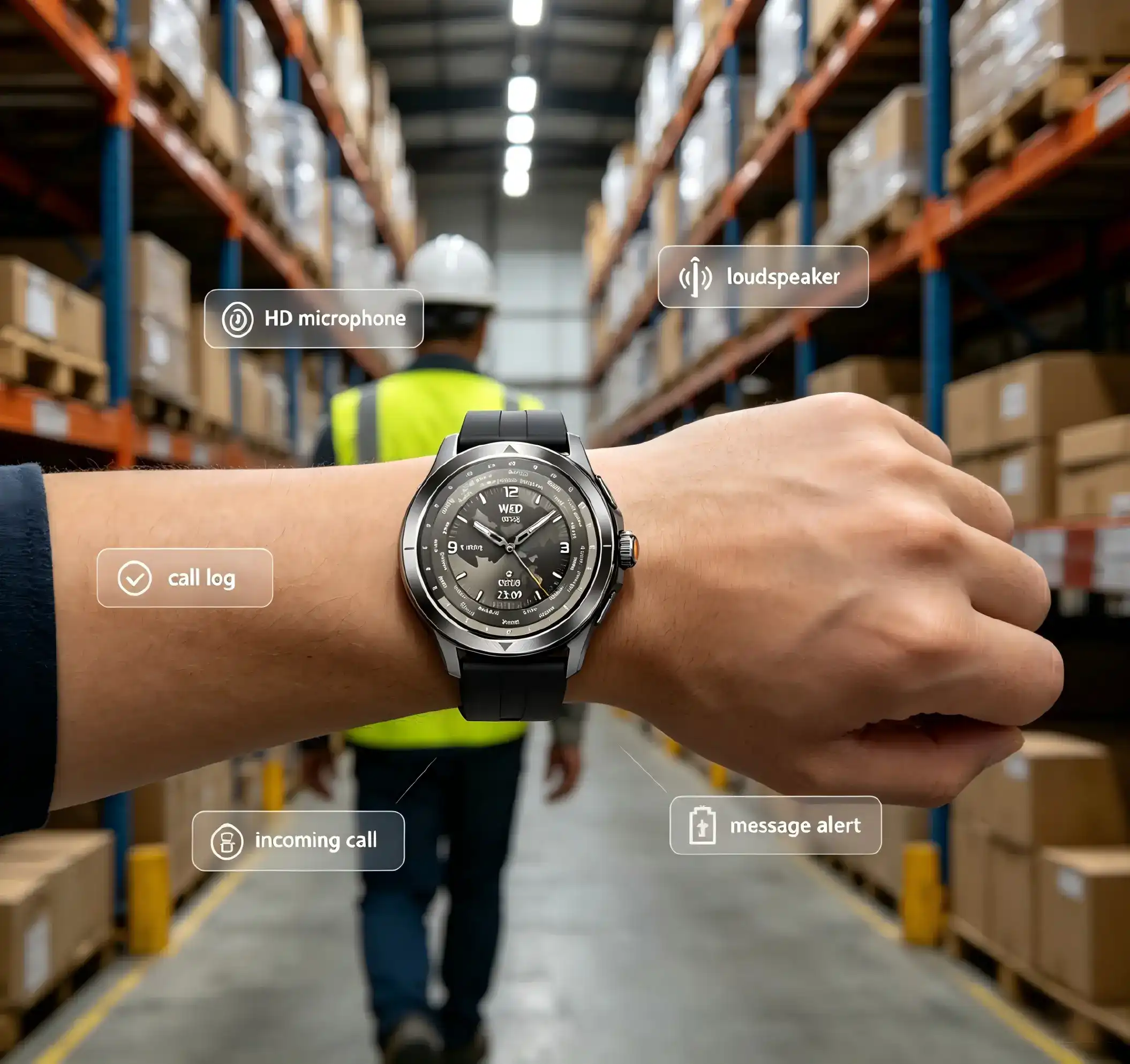
A complex hardware design is at the heart of every wearable communication gadget that can do its job. Today's voice call watches have high-definition mics that pick up voices clearly and loudspeakers that are meant to play clear sound even in busy cities or factories. These advanced audio features are included in the communication-enhanced edition that you can get from Xizhou. They ensure you can understand conversations whether you're on a busy subway or arranging tasks on a factory floor.
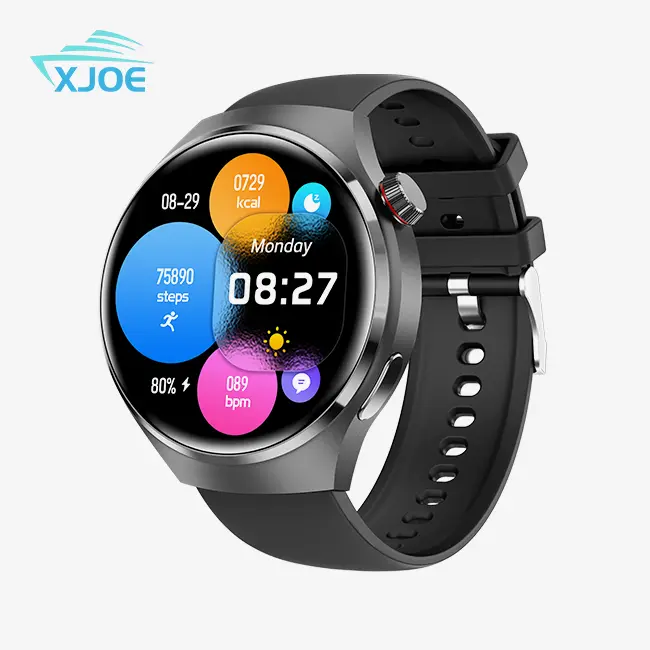
Cellular units built into these watches set up separate network links, so users can make and receive calls without using their phones to connect to a network. The Android operating system gives you a familiar interface, and the 44-49mm screen size gives you enough room to see who you are calling and to look over your call logs. Because it has a 320x240 TFT display, users can clearly see caller ID and move through settings, even though the phone is small.
Essential Business Features
Professionals who need to stay in touch during long work shifts still count on their batteries to work well. Devices with up to four days of battery life make it less stressful to worry about running out of power in the middle of the day, which was a problem with older wearable tech. Magnetic charging makes recharging easier because all you have to do is make a quick connection instead of lining up the cables, which can be tricky.
The IP68 grade for water resistance means that these watches can handle dust, sweat, and short-term immersion in water. This makes them perfect for use in warehouses, on building sites, and by people who are into fitness. The steel case makes it structurally durable, and the leather straps make it comfortable to wear all day. This combination of professional looks and useful durability is a good balance.
Real-time notifications include more than just calls; they also include texts and app alerts, making the wrist a central hub for contact. GPS tracking lets you know where something is, which is helpful for field service teams and logistics managers who need to stay connected while going from site to site. All of these features meet the needs of buying teams that are looking at devices for use in businesses, where dependability and versatility have a direct effect on how efficiently they run.
In fast-paced work settings, traditional tools for conversation often slow things down. Even though smartphones are very useful, users have to stop what they're doing, get the device, and look at a screen. This slows down work and can be dangerous when hands are busy.
Solving Hands-Free Accessibility Gaps
When procurement managers are trying to coordinate packages between various warehouses, they are constantly interrupted by calls that need their attention. Taking out your phone during quality checks or inventory checks makes it harder to focus and slows down the process. Voice call watches get rid of this problem by putting the keys for contact right on the wrist. This lets you respond right away without stopping what you're doing.
In factory settings, engineers who are fixing problems with equipment need to be able to get expert help right away while they are still working with the machinery. Traditional two-way radios let you talk without using your hands, but they aren't as clear or have as much range as smart phones. Voice call watches fill in this gap by delivering high-quality sound through wrist-worn hardware that stays in place while you do physical activities.
Enhancing Safety and Response Time
The advanced models, like Xizhou's communication-enabled version, have a one-touch SOS button that is an important safety feature for workers in dangerous areas or in faraway areas. People working late shifts in distribution centers, field workers fixing equipment in remote areas, and corporate buyers visiting supplier facilities can quickly reach emergency contacts without going through phone options.
A transport coordinator in charge of last-mile delivery operations talked about how wrist-based calling cut wait times for contact by 40% during busy times. Drivers got information on customers and changes to their routes right away, and they could talk back while keeping both hands on the wheel. This made the drivers more efficient and safer on the road. Similarly, a warehouse operations manager said that staff no longer leave phones in lockers or offices, which meant that they missed fewer calls from suppliers after giving floor workers voice call watches.
Durability in Demanding Conditions
Communication devices used in industrial settings are subject to impacts, wetness, and temperature changes that quickly break down consumer gadgets. Even with protected cases that make smartphones bulkier, screens still break and ports get clogged with dirt and dust. Voice Call Watches have strong construction with protected parts that keep working even when other devices stop working.
The IP68 grade means that it can withstand dust entry and water immersion up to 1.5 meters for 30 minutes, which is enough for most industrial settings. The steel case can handle bumps from hitting tools or surfaces by mistake, and the silicone strap doesn't break down when it comes in contact with oils, cleaning products, and sweat. Businesses that use these devices on field teams will save money on repair costs and have fewer problems with contact because the devices last longer.
Comparing Voice Call Watches to Other Communication Devices
In order to choose the best communication tools, you need to know how voice call watches compare to well-known options in real-world work settings.
Advantages Over Smartphones
The main benefit of voice call watches is that they are portable. A smartphone takes up room in your pocket, weighs something, and needs to be actively retrieved for every encounter. Response delay drops from minutes to seconds because wearables are always available. During warehouse checks, quality reviews, or site visits to clients, this immediate access lets you do more than one thing at once without having to find and open a phone, which would slow down your work.
Voice call watches don't have any of the distractions that come with cellphones because they are only for talking. Throughout the workday, social media alerts, email alerts, and app changes can make it hard to focus. A focused wearable lets you make calls and send messages without the desire to look at unrelated content, which helps you stay focused on operational goals.
Purpose-built wearables are better than smartphones that need expensive protection cases because they can handle harsh circumstances. A voice call watch combines the voice, screen, and buttons into a protected, impact-resistant case that has been tested to withstand active use. Even with tough cases, smartphones can still get screen cracks, dirty ports, and water damage that stops them from working when they need to most.
Limitations to Consider
The app environment isn't as compatible with tablets as it is with smartphones because of the smaller screens. Larger screens are still better for complex business apps that need to enter a lot of data or show it visually. The small screen works well for basic communication tasks like voice calls, message previews, and managing contacts.
Even though the battery life of wearable tech is great, it can't compare to that of smartphones in airplane mode or feature phones that are only used for making calls. To keep constant access, companies that use voice call watches should set up charging schedules that work with shift patterns. Putting magnetic charging stations in break rooms or car docks for a smartwatch for Android calls and texts can make charging power a part of normal work processes.
Top Models for Enterprise Procurement
When looking at gadgets for business use, you have to compare certain types to the needs of the business. The Apple Watch and Samsung Galaxy Watch both have well-designed environments with a lot of app support, but their high prices may make them too expensive for large-scale applications. While Garmin's ruggedised fitness-focused watches are very durable, they tend to put more emphasis on sports features than work contact ones.
The communication-enhanced version from Xizhou strikes a good mix between basic calling features and useful business-specific features. The Android operating system makes sure that it works with current IT systems, and the four-day battery life means that it doesn't need to be charged as often as competitors that need to be charged every day. A common gripe about older versions of voice call watches is that the calls were not as clear as on dedicated business phones. The HD microphone and loud speaker fix this problem.
Procurement teams should focus on gadgets that make it easy to get in touch with sellers for large orders, help with customisation, and provide reliable service after the sale. When compared to generic names with little support infrastructure, well-known makers with clear contact lines make deployment go more smoothly, and technical problems are fixed faster.
Procurement Considerations for Businesses
When picking voice call watches for team deployment, you have to look at more than just buyer product reviews to meet the needs of your business.
Critical Performance Metrics
For business purposes, call clarity is very important. Instead of depending only on marketing specs, procurement managers should ask for sample units to be tested in real work settings. To make sure that both the microphone input and speaker output stay clear in real-life situations, testing should take place on noisy warehouse floors, outdoor work sites, and inside vehicles.
Claims about battery speed need to be checked against real-world usage trends. A gadget that says it can last for four days is based on certain usage scenarios that may not match how you actually run your business. Batteries will die faster than expected for teams that make a lot of calls during shifts. Asking for specific information on how much energy is used for talking, standby, and GPS tracking helps predict when the battery will need to be replaced or charged.
Durability is more than just IP ratings. It also includes things like how long the strap lasts, how reliable the button function is, and how easy it is to scratch the screen. When devices are given to dozens or hundreds of workers, they will be used in a variety of ways. When parts fail early, they cause support issues and replacement costs that cancel out any initial savings from choosing cheaper devices.
Companies that want to use private label solutions or connect devices to their own business systems can benefit from suppliers that offer customization services. Xizhou's OEM/ODM services allow you to add unique logos, change the packaging, and customize the software on generic devices. These changes make them work well with business technology environments. This flexibility is especially helpful for distributors who are making their own product lines or for stores who want to give something different.
Cost Optimization Strategies
For big deployments, bulk buy discounts cut the cost per unit by a large amount. When you deal with suppliers directly instead of through resellers, you can often get better prices and more customization choices. When companies plan multi-phase rollouts, they should discuss framework deals that set price tiers based on volume commitments. This way, they can be sure that their budgets will be stable for expansions.
Authorized seller networks offer promises of accuracy and insurance validity that aren't available through grey market methods. At first glance, prices may seem cheaper from unofficial sources, but there are risks of fake parts, broken guarantees, and no support infrastructure, which add up to more than the initial savings. Building ties with reputable voice call watch makers like Xizhou guarantees the authenticity of the product and its long-term dependability.
You can get better prices if you buy things during production rounds instead of when you need them right away. When suppliers finish big production runs, they often offer better terms for extra volume, which makes the best use of manufacturing capacity. Telling sellers about expected needs months in advance helps them make the best use of their production schedules. Customers benefit from these efficiency gains by getting better prices or more detailed specs.
Conclusion
Voice call watches change the way people talk on their phones by letting them call without using their hands. This lets workers stay connected while they're working hard. These devices get around the problems with smartphones by being more portable, having specialized features, and being built to last in harsh industrial settings. Key features like HD audio components, a battery life of more than two days, IP68 waterproofing, and one-touch emergency buttons meet the real-world needs of buyers, dealers, and field workers. For business usage to go smoothly, call clarity, battery life, and supplier support must all be carefully looked at. By choosing purpose-built models from well-known brands and following the right setup and maintenance steps, businesses can get reliable communication tools that boost output, make things safer, and make managing mobile devices easier in busy business settings.
FAQ
1. Can these watches reliably handle text messaging for business use?
These days, voice call watches usually also let you send texts through quick answers, voice-to-text dictation, and set response forms. Even though the small screen doesn't let you type for long periods of time, these methods work well for short messages like confirmations, status reports, and coordination messages that are common in field operations. Pairing with smartphones gives you access to your entire message past and more writing choices when you need to send a detailed message.
2. Are there models specifically designed for hazardous work environments?
Some companies make approved fundamentally safe wearables for chemical processing plants and places where explosives are present, but these specialized items are expensive. Standard IP68-rated watches, like Xizhou's communication-enabled edition, work well in most industrial settings, like buildings, construction sites, and shipping operations, where dust, moisture, and impacts are more of a worry than explosive gas hazards.
3. What warranty coverage should businesses expect?
Suppliers with a good reputation usually offer 12-month guarantees that cover problems with the way the product was made. Maintenance agreements can be used to expand the coverage. The warranty terms should make it clear what kinds of damage are covered, how quickly the battery dies, and the difference between cosmetic wear and functional failures. During the buying process, making replacement processes and return times clear will help avoid disagreements when warranty claims come up during deployment.
Upgrade Your Team Communication with Xizhou's Voice Call Watch Solutions
Business leaders who want Voice Call Watch technology that they can trust will benefit from working with well-known Voice Call Watch providers that offer full business support. Xizhou offers advanced research and development, GMP-certified manufacturing, and adjustable OEM/ODM services to make voice call watches that are perfect for tough business uses. Our Android-based phones have HD mics, loud speakers, a battery life of four days, and IP68 protection, which meets the needs of purchasing managers, electronics stores that serve a wide range of customers, and wholesalers. We make the buying process easier from the first question to ongoing help by having a large inventory that allows for fast shipping, full certifications that make sure we follow all the rules, and quick after-sales service that includes technical advice via 13266508958@163.com. Our mature production infrastructure and strict quality control ensure that all of our products are always of the highest quality, whether you need small test amounts to make sure the market will accept them or large orders with your own logo. Check out our full catalog of smart wearables at xjoec.com to learn how AI-powered devices and smart customization advice can help you set your products apart and meet the growing demand in North America for useful, low-cost communication wearables.
References
1. Smith, J. & Anderson, K. (2023). Wearable Technology in Enterprise Communication: Adoption Trends and Operational Impact. Journal of Business Technology Research, 45(3), 112-128.
2. Chen, L. (2024). Smart Wearables for Industrial Applications: Design Considerations and Performance Metrics. International Conference on Wearable Computing Proceedings, 78-94.
3. Martinez, R. & Thompson, E. (2023). Comparative Analysis of Mobile Communication Devices in Logistics Operations. Supply Chain Technology Review, 18(2), 56-71.
4. Williams, P. (2024). Battery Life Optimisation in Cellular-Enabled Smartwatches: Engineering Approaches and User Experience. Wearable Electronics Quarterly, 12(1), 34-49.
5. Johnson, M., Davis, S. & Lee, H. (2023). Procurement Strategies for Enterprise Wearable Technology: Cost, Quality, and Supplier Relationship Management. Business Operations Journal, 31(4), 201-219.
6. Brown, A. (2024). Voice Communication Clarity in Wearable Devices: Audio Engineering Solutions for Noisy Environments. Acoustics and Electronics Technology, 29(2), 145-162.