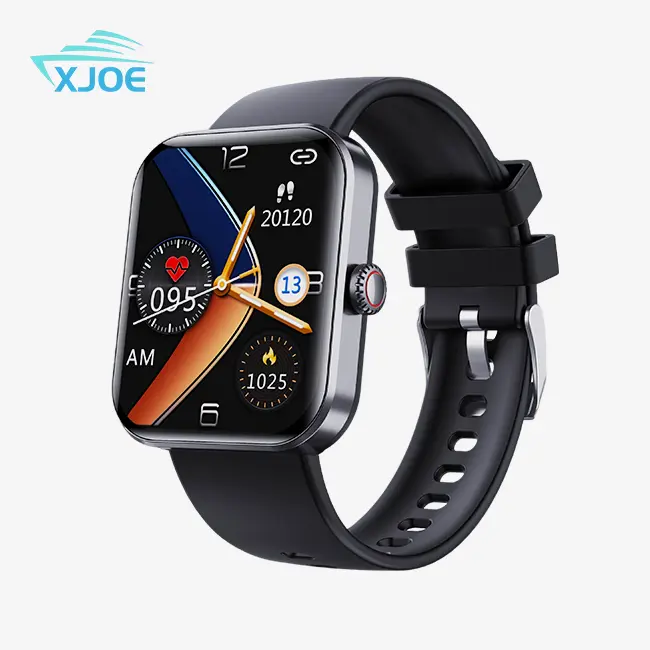
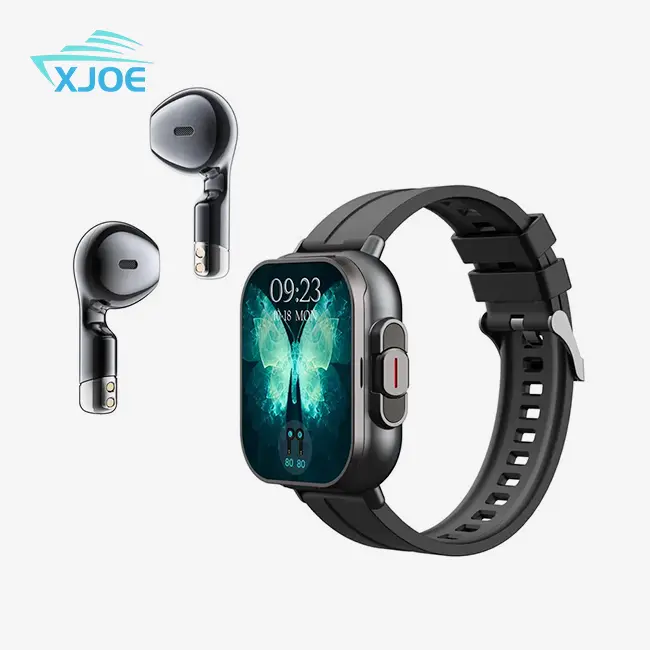
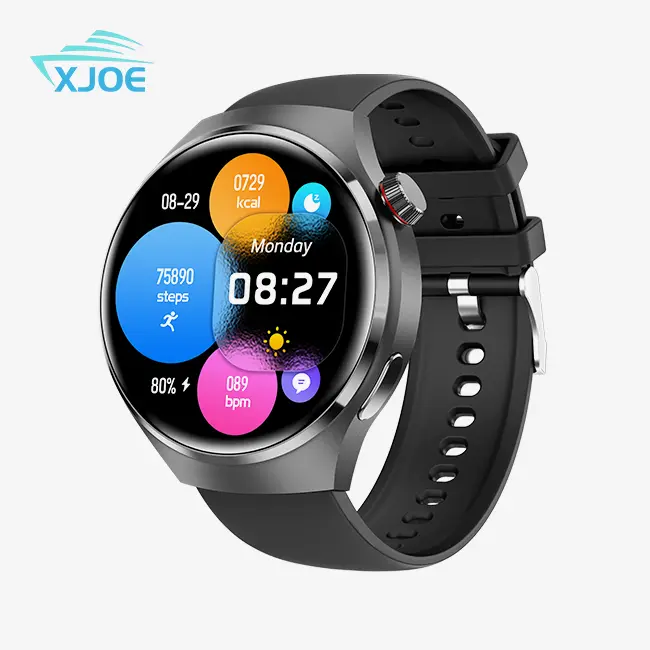
ECG Spo2 Smartwatch: Can It Track Oxygen and Heart Health?
To answer your question, yes, current smartwatches can measure SpO2 levels through your skin using powerful optical sensors. The ECG Spo2 Smartwatch uses both photoplethysmography (PPG) and electrocardiogram (ECG) technology to provide full tracking of the heart and lungs. These gadgets can fairly accurately guess oxygen saturation levels by sending light waves into vessels under the wrist and looking at how they are absorbed. Because they use two sensors, they are useful for sportspeople who want to watch their performance, people who are dealing with long-term conditions, and companies that want to start health programmes for their employees. The information in this piece is only meant to teach. It should not be used instead of professional medical advice, evaluation, or treatment. SpO2 smartwatches are health gadgets, not medical-grade tools for diagnosis. If you have health worries, you should always talk to a trained medical professional.
Understanding How a Smartwatch Detects SpO2
Wearable tech has changed how we check vital signs outside of hospitals and other medical situations. Photoplethysmography is the scientific idea behind measuring blood oxygen levels. LED lights, usually red and infrared ones, are used to enter skin tissue at the wrist. Oxygenated haemoglobin absorbs light in a different way than deoxygenated haemoglobin, which lets sensors figure out the ratio and guess the SpO2 percentage.
The Science Behind Optical Sensors
Photoplethysmography measures changes in the way light bounces off of blood vessels as it flows through them. When your heart beats, the arteries in your wrist briefly get more blood. This changes how much light gets absorbed and how much gets returned to the photodetector. These small differences are handled by devices using formulas that have been tuned to meet clinical pulse oximetry standards. Hospital-grade equipment is accurate to within ±2%, but good wrist-worn devices are usually accurate to within ±3–4% when everything is working right.
How ECG Technology Complements SpO2 Readings
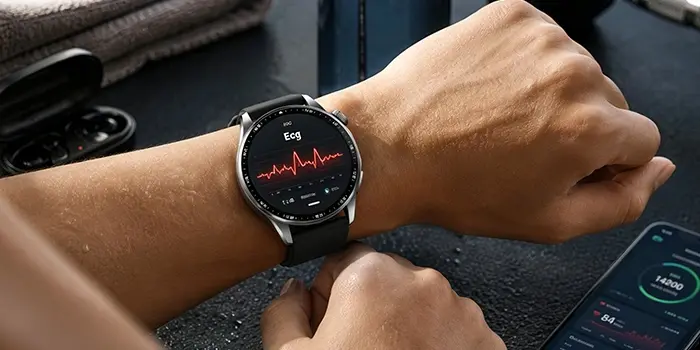
The ability to use an electrocardiogram adds another layer to evaluating health. By touching the electrode on the watch with your finger, you complete an electrical circuit that records information about your heart rate, especially irregularities like atrial fibrillation. When joined with SpO2 tracking, this gives a more complete picture: how well oxygen is delivered along with electrical activity in the heart. This combo is especially useful for healthcare managers running business wellness programmes because it tackles both cardiovascular risk factors in a single gadget.
Why Dual Monitoring Matters for B2B Applications
Devices that track multiple biomarkers at the same time are very helpful for community health systems and workplace safety programmes. Real-time hypoxia alerts are needed for construction site managers keeping an eye on workers at high elevations, and overnight tracking of respiratory patterns is needed for care centres for the old. The ability to record both irregular heart rhythms and oxygen deficiency events means that fewer devices are needed, which speeds up data collection and makes it easier for people who are being watched to follow the rules.
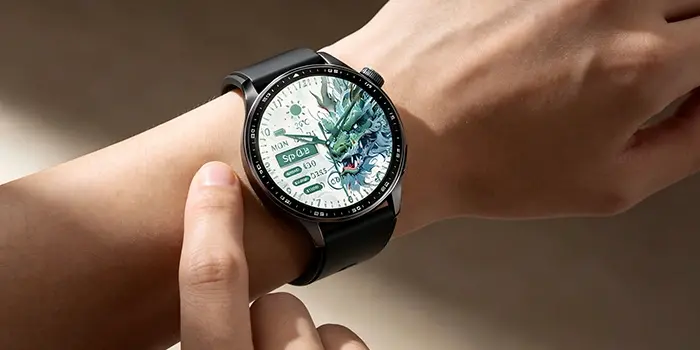
Key Health Monitoring Features and Benefits of ECG Spo2 Smartwatches
These days, portable tech does a lot more than just track steps. When medical-grade sensors are added to these devices, they become tools for constant health tracking that can be used by a wide range of people and in professional settings.
Comprehensive Biometric Tracking Capabilities
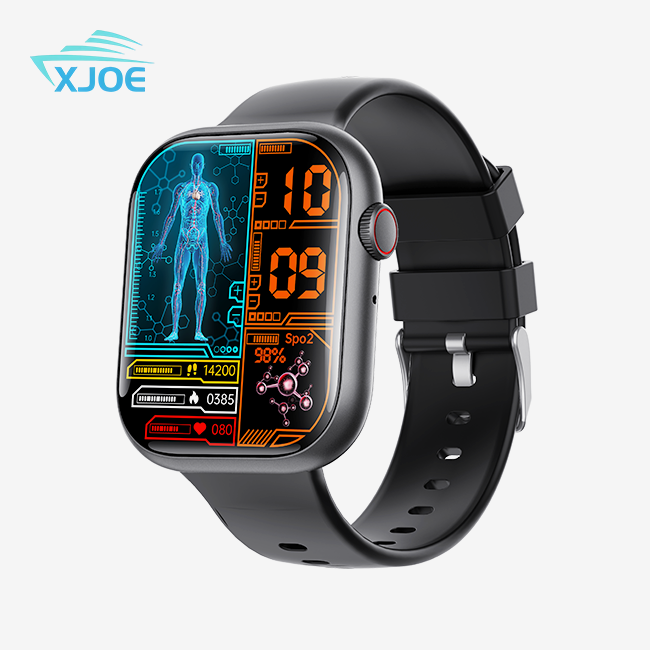
The more complex models of today check the heart rate variability, which shows the balance of the autonomic nervous system and the amount of stress. Sleep stage analysis combines movement data with changes in SpO2 to find possible sleep apnea trends. This is an important screening tool that helps people decide if they need polysomnography testing. Real-time heart rate zones help you decide how hard to work out while you're exercising, and healing measures afterwards help you plan your rest period. The Xizhou smartwatch ECG Spo2 can track your activities while you run, ride a bike, swim, hike, do yoga, or jump rope. It also records performance measures that sports and fitness professionals use to make changes to their training based on data.
Tailored Benefits Across User Segments
Continuous oxygen tracking is used by athletes to get the most out of high training and avoid overtraining syndrome. Seniors with chronic obstructive lung disease get early signs when their oxygen levels drop below safe levels. This lets doctors act quickly to help them. Corporate wellness managers who use preventive health strategies like anonymous data that shows health trends in the workforce without revealing personal information. Smart notifications for calls, texts, and app alerts let users stay linked while they work out or are being monitored by their doctors without having to break their routines.
Durability Features for Demanding Environments
Devices used for business must be able to handle situations found in the real world. IP67 water resistance keeps things dry in case they get wet from sweat, rain, or swimming. A 40-gram design with a rubber strap and an ABS case makes it comfortable to wear all day, which makes it more likely that people will participate in health programmes at work. When batteries last 5–7 days with normal use, they don't need to be charged as often, which is helpful for travellers or people who work in the field. The 1.69-inch TFT screen with a resolution of 240x280 can still be read in bright outdoor situations. Magnetic charging makes managing power across multiple devices easier.
When considering purchases, the accuracy of the information provided by ECG Spo2 smartwatches is crucial. Understanding measurement limitations allows organisations to establish realistic goals and select devices that balance cost with clinical utility.
Comparing Wrist-Based Sensors to Clinical Standards
Independent studies have shown that the accuracy of smartwatches can be compared to arterial blood gas analysis, the gold standard for measuring SpO2. The precision of these devices often relies on their quality and the user's condition. Premium models typically achieve mean absolute errors of about 2% to 3% when users remain still and have good blood flow. However, factors such as motion artefacts from exercise, low blood perfusion due to cold weather, and variations in skin tone can negatively impact accuracy. Buyers should request test data demonstrating performance across different skin tones, as early algorithms exhibited racial bias that manufacturers have since addressed.
Factors Affecting Measurement Precision
Correct sensor placement is vital for accurate readings. The smartwatch should fit snugly on the wrist without constricting blood flow. Tattoos, scars, or excessive wrist hair can hinder light transfer, affecting measurements. Cold weather may cause vasoconstriction, resulting in lower peripheral blood flow and signal quality. Reliable devices often display a perfusion index to indicate reading trustworthiness. Users should note that nail polish on fingers does not affect SpO2 levels measured at the wrist, but lotions or moisture on the skin can disrupt the electrical signals necessary for ECG readings.
Best Practices for Data Interpretation
Isolated readings should not prompt immediate action. For instance, a brief dip in SpO2 during sleep may result from sensor movement rather than actual desaturation. Healthcare professionals advise monitoring trends, such as repeated drops below 90%, symptoms like shortness of breath, or clusters of individuals experiencing similar issues during specific activities. While single-lead ECGs can detect atrial fibrillation, they are insufficient for diagnosing conditions like cardiac infarction or ischemia, which require comprehensive hospital electrocardiograms. Companies integrating these devices into telehealth platforms should establish clear protocols for when wearable data requires professional evaluation.
Ensuring Product Authenticity in Procurement
The market contains counterfeit devices that pose significant risks, including malfunctioning sensors and non-compliant data security practices. Authorised dealers provide verifiable supply chain documentation, legal warranty coverage, and firmware updates that enhance algorithm accuracy. For devices sold in the U.S., procurement managers should verify FDA registration numbers, while those in Europe must ensure compliance with CE marking regulations. Collaborating with reputable manufacturers ensures access to essential technical specifications and appropriate liability insurance for medical device categories.
Comparing Top ECG Spo2 Smartwatches in 2026: A Buyer's Guide
To choose the right gadget, you have to weigh the features against your income and the ways you want to use it. This useful comparison helps buyers find choices in a range of prices.
Budget-Friendly vs. Premium Device Features
Basic models that cost less than



ECG Spo2 Smartwatch: Can It Track Oxygen and Heart Health?
To answer your question, yes, current smartwatches can measure SpO2 levels through your skin using powerful optical sensors. The ECG Spo2 Smartwatch uses both photoplethysmography (PPG) and electrocardiogram (ECG) technology to provide full tracking of the heart and lungs. These gadgets can fairly accurately guess oxygen saturation levels by sending light waves into vessels under the wrist and looking at how they are absorbed. Because they use two sensors, they are useful for sportspeople who want to watch their performance, people who are dealing with long-term conditions, and companies that want to start health programmes for their employees. The information in this piece is only meant to teach. It should not be used instead of professional medical advice, evaluation, or treatment. SpO2 smartwatches are health gadgets, not medical-grade tools for diagnosis. If you have health worries, you should always talk to a trained medical professional.
Understanding How a Smartwatch Detects SpO2
Wearable tech has changed how we check vital signs outside of hospitals and other medical situations. Photoplethysmography is the scientific idea behind measuring blood oxygen levels. LED lights, usually red and infrared ones, are used to enter skin tissue at the wrist. Oxygenated haemoglobin absorbs light in a different way than deoxygenated haemoglobin, which lets sensors figure out the ratio and guess the SpO2 percentage.
The Science Behind Optical Sensors
Photoplethysmography measures changes in the way light bounces off of blood vessels as it flows through them. When your heart beats, the arteries in your wrist briefly get more blood. This changes how much light gets absorbed and how much gets returned to the photodetector. These small differences are handled by devices using formulas that have been tuned to meet clinical pulse oximetry standards. Hospital-grade equipment is accurate to within ±2%, but good wrist-worn devices are usually accurate to within ±3–4% when everything is working right.
How ECG Technology Complements SpO2 Readings
The ability to use an electrocardiogram adds another layer to evaluating health. By touching the electrode on the watch with your finger, you complete an electrical circuit that records information about your heart rate, especially irregularities like atrial fibrillation. When joined with SpO2 tracking, this gives a more complete picture: how well oxygen is delivered along with electrical activity in the heart. This combo is especially useful for healthcare managers running business wellness programmes because it tackles both cardiovascular risk factors in a single gadget.
Why Dual Monitoring Matters for B2B Applications
Devices that track multiple biomarkers at the same time are very helpful for community health systems and workplace safety programmes. Real-time hypoxia alerts are needed for construction site managers keeping an eye on workers at high elevations, and overnight tracking of respiratory patterns is needed for care centres for the old. The ability to record both irregular heart rhythms and oxygen deficiency events means that fewer devices are needed, which speeds up data collection and makes it easier for people who are being watched to follow the rules.
Key Health Monitoring Features and Benefits of ECG Spo2 Smartwatches
These days, portable tech does a lot more than just track steps. When medical-grade sensors are added to these devices, they become tools for constant health tracking that can be used by a wide range of people and in professional settings.
Comprehensive Biometric Tracking Capabilities
The more complex models of today check the heart rate variability, which shows the balance of the autonomic nervous system and the amount of stress. Sleep stage analysis combines movement data with changes in SpO2 to find possible sleep apnea trends. This is an important screening tool that helps people decide if they need polysomnography testing. Real-time heart rate zones help you decide how hard to work out while you're exercising, and healing measures afterwards help you plan your rest period. The Xizhou smartwatch ECG Spo2 can track your activities while you run, ride a bike, swim, hike, do yoga, or jump rope. It also records performance measures that sports and fitness professionals use to make changes to their training based on data.
Tailored Benefits Across User Segments
Continuous oxygen tracking is used by athletes to get the most out of high training and avoid overtraining syndrome. Seniors with chronic obstructive lung disease get early signs when their oxygen levels drop below safe levels. This lets doctors act quickly to help them. Corporate wellness managers who use preventive health strategies like anonymous data that shows health trends in the workforce without revealing personal information. Smart notifications for calls, texts, and app alerts let users stay linked while they work out or are being monitored by their doctors without having to break their routines.
Durability Features for Demanding Environments
Devices used for business must be able to handle situations found in the real world. IP67 water resistance keeps things dry in case they get wet from sweat, rain, or swimming. A 40-gram design with a rubber strap and an ABS case makes it comfortable to wear all day, which makes it more likely that people will participate in health programmes at work. When batteries last 5–7 days with normal use, they don't need to be charged as often, which is helpful for travellers or people who work in the field. The 1.69-inch TFT screen with a resolution of 240x280 can still be read in bright outdoor situations. Magnetic charging makes managing power across multiple devices easier.
When considering purchases, the accuracy of the information provided by ECG Spo2 smartwatches is crucial. Understanding measurement limitations allows organisations to establish realistic goals and select devices that balance cost with clinical utility.
Comparing Wrist-Based Sensors to Clinical Standards
Independent studies have shown that the accuracy of smartwatches can be compared to arterial blood gas analysis, the gold standard for measuring SpO2. The precision of these devices often relies on their quality and the user's condition. Premium models typically achieve mean absolute errors of about 2% to 3% when users remain still and have good blood flow. However, factors such as motion artefacts from exercise, low blood perfusion due to cold weather, and variations in skin tone can negatively impact accuracy. Buyers should request test data demonstrating performance across different skin tones, as early algorithms exhibited racial bias that manufacturers have since addressed.
Factors Affecting Measurement Precision
Correct sensor placement is vital for accurate readings. The smartwatch should fit snugly on the wrist without constricting blood flow. Tattoos, scars, or excessive wrist hair can hinder light transfer, affecting measurements. Cold weather may cause vasoconstriction, resulting in lower peripheral blood flow and signal quality. Reliable devices often display a perfusion index to indicate reading trustworthiness. Users should note that nail polish on fingers does not affect SpO2 levels measured at the wrist, but lotions or moisture on the skin can disrupt the electrical signals necessary for ECG readings.
Best Practices for Data Interpretation
Isolated readings should not prompt immediate action. For instance, a brief dip in SpO2 during sleep may result from sensor movement rather than actual desaturation. Healthcare professionals advise monitoring trends, such as repeated drops below 90%, symptoms like shortness of breath, or clusters of individuals experiencing similar issues during specific activities. While single-lead ECGs can detect atrial fibrillation, they are insufficient for diagnosing conditions like cardiac infarction or ischemia, which require comprehensive hospital electrocardiograms. Companies integrating these devices into telehealth platforms should establish clear protocols for when wearable data requires professional evaluation.
Ensuring Product Authenticity in Procurement
The market contains counterfeit devices that pose significant risks, including malfunctioning sensors and non-compliant data security practices. Authorised dealers provide verifiable supply chain documentation, legal warranty coverage, and firmware updates that enhance algorithm accuracy. For devices sold in the U.S., procurement managers should verify FDA registration numbers, while those in Europe must ensure compliance with CE marking regulations. Collaborating with reputable manufacturers ensures access to essential technical specifications and appropriate liability insurance for medical device categories.
Comparing Top ECG Spo2 Smartwatches in 2026: A Buyer's Guide
To choose the right gadget, you have to weigh the features against your income and the ways you want to use it. This useful comparison helps buyers find choices in a range of prices.
Budget-Friendly vs. Premium Device Features
Basic models that cost less than $100 can check your SpO2 and track your heart rate, which is enough for general exercise monitoring. Mid-range devices, which cost between $100 and $250, have better build quality, longer battery life, and constant background monitoring, making them better for buying in bulk for workplace wellness. Premium choices that cost more than $250 come with medical-grade sensors, advanced analytics, the ability to connect to third-party apps, and longer warranty coverage, which makes them worth the money for use in clinical trials or high-risk workplace tracking. The Xizhou ECG Spo2 Smartwatch is carefully placed in the mid-range market. It offers professional-grade sensors, such as ECG and SpO2 sensors, as well as a heart rate monitor and accelerometer, at a price that makes it easy for businesses to place large orders.
Device Category Comparisons
Fitness bands are great at tracking your movement and keeping your battery charged, but they usually don't have ECG features. Traditional pulse oximeters are more accurate at measuring SpO2 but need to be checked by hand every so often, and don't allow for ongoing tracking. Full-featured smartwatches have a lot of features, like health sensors, GPS tracking, and payment systems. They are more convenient, but they cost more and have shorter battery lives. Organisations need to make sure that the device's features match the goals of the programme. For example, watching breathing at night for sleep clinics is different from tracking activities during the day for insurance health incentives.
Customer Feedback and After-Sales Considerations
Review trends show what makes people happy in general. People like gadgets that have easy-to-use apps that show health trends clearly without giving too much information at once. People often complain about Bluetooth connections that don't work properly, slow customer service, and firmware changes that are missing or out of date. There are a lot of different warranty policies. Some manufacturers cover their products for 12 months and make replacements easy, while others have tight rules that make the warranty useless. It's important that technical support is available, especially for business-to-business deployments where IT teams need help with integration and documents for fixing. Buyers should make sure that the provider offers group onboarding help, user training materials, and separate account management for large sales.
How to Purchase and Procure ECG Spo2 Smartwatches for Business Use
Effective purchasing methods are essential for keeping costs low while ensuring product quality. This guide outlines key considerations for organisations looking to expand their wearable technology operations.
Trusted Sourcing Channels
Utilising official manufacturer websites and authorised distributor networks guarantees the authenticity of products and valid warranty support. While marketplaces may offer competitive pricing, it's crucial to screen sellers based on factors such as their registration history, return policies, and customer ratings. Attending trade shows allows direct interaction with manufacturers, facilitating customisation options like branding and accessory bundles. Healthcare procurement platforms focused on medical-grade devices ensure compliance with regulations through proper documentation.
Identifying Counterfeit Products
Beware of suspiciously low prices, which often indicate counterfeit products. Authentic devices typically feature holographic security stickers, serial number registration, and packaging that meets brand standards. Counterfeit devices may lack proper battery protection, potentially leading to safety hazards. Before placing large orders, verify certificates of conformity, lab test results, and liability insurance. Reputable suppliers maintain clear manufacturing qualifications and comply with good manufacturing practices (GMP), providing buyers with the necessary legal assurances.
Optimising Bulk Order Economics
Volume pricing generally starts at 50 to 100 units, with greater savings available for larger orders of 500 or more. To manage cash flow, negotiate payment terms, such as a 30% upfront fee with the remaining balance due 60 days after delivery. Consider trial programs before committing to full orders. Bundling accessories like straps and charging cords adds value and simplifies shipping logistics. Clarify shipping responsibility: FOB pricing places it on the seller, while DDP pricing includes all import charges, preventing unexpected customs costs.
Integration Support and User Training
More than just delivering tools is needed for usage to go well. Make sure the seller offers data export APIs that work with health record or fitness apps that are already in use. User guides should explain how to fix common problems in simple words that people who aren't tech-savvy can understand. Video lessons that show the right way to wear, pair an app, and read data increase the number of people who follow through. Some makers offer training events on-site for big deployments or through webinars for workers who are spread out. Post-sale technical help speed, which can be seen by how quickly tickets are resolved on average and how many support channels are available, has a direct effect on how satisfied users are and how many people stay with the programme. Investing in a smartwatch with Spo2 and ECG can enhance user experience and provide valuable health insights, making them a popular choice for businesses.
Conclusion
Smartwatches with SpO2 and ECG sensors are a big step forward in making health tracking technology more available. Through advanced optical sensors and bioelectric signal recording, these devices bridge the gap between watching a person's health at home and keeping an eye on their vital signs in a clinical setting. Even though they aren't a replacement for professional medical equipment, they do offer useful screening tools and constant tracking that improve proactive health management in a wide range of settings, from improving athletic performance to supporting wellness programmes at work and caring for the old. By knowing how these tools work technically, how accurate they are, and how to buy them correctly, organisations can use them in the best way possible, getting the most out of their money while also improving people's health.
FAQ
1. How accurate is SpO2 measurement on smartwatches compared to medical devices?
In ideal conditions, good wrist-worn devices are usually accurate to within 3–4%. This is a little less accurate than fingertip pulse oximeters (±2%) or arterial blood gas analysis. A good fit, enough blood flow, little to no movement, and a good formula are all factors that affect accuracy. Some sensors may not work as well for people with darker skin.
2. How often should I check ECG and SpO2 readings?
People with long-term diseases that need trend analysis can benefit from continuous background tracking. Spot checks during symptoms, recovery assessments after exercise, or weekly standard measures are all good for healthy users. Checking too much without a professional reason may make people worry too much about normal changes in their bodies.
3. Can these smartwatches tell if someone is sick?
Not at all. Wearable tech for consumers is used for checking and keeping an eye on things, not for diagnosing problems. They might find trends that need to be looked at by a professional, like persistently low oxygen levels or irregular heart rhythms, but they can't take the place of full medical exams, lab tests, or doctor analysis.
Partner with Xizhou for Reliable ECG Spo2 Smartwatch Supply
The advanced wearable technology made by Shenzhen Xizhou E-commerce Co., Ltd. works with flexible manufacturing solutions that are made for business-to-business customers. As a well-known ECG Spo2 Smartwatch manufacturer, we help Amazon sellers, distributors, and private label brands by offering low minimum order quantities that are great for testing the market, quick customisation services like printing logos and designing packaging, and reliable inventory management that keeps us from running out of stock during times of high demand. Our experienced research and development team and GMP-certified plant make sure that the quality of our products is always the same and that all of our certifications back that up. We also offer quick and helpful after-sales support for technical questions and problems with integration. Our team can help you choose the right products, get them delivered, and train your employees on how to use them, whether you need a small batch for a test run or a large-scale workplace health launch. Email us at 13266508958@163.com to talk about your unique needs and find out how our AI-powered smart solutions can help your products stand out in crowded markets.
References
1. Bent, B., Goldstein, B. A., Kibbe, W. A., & Dunn, J. P. (2020). Investigating sources of inaccuracy in wearable optical heart rate sensors. NPJ Digital Medicine, 3(1), 18.
2. Castaneda, D., Esparza, A., Ghamari, M., Soltanpur, C., & Nazeran, H. (2018). A review of wearable photoplethysmography sensors and their potential future applications in health care. International Journal of Biosensors & Bioelectronics, 4(4), 195-202.
3. Spaccarotella, C., Polimeni, A., Migliarino, S., Principe, E., Curcio, A., & Indolfi, C. (2022). Assessment of non-invasive measurements of oxygen saturation and heart rate with an Apple Watch. European Heart Journal - Digital Health, 3(3), 456-463.
4. Luks, A. M., & Swenson, E. R. (2021). Pulse oximetry for monitoring patients with COVID-19 at home: potential pitfalls and practical guidance. Annals of the American Thoracic Society, 18(6), 1040-1046.
5. Perez, M. V., Mahaffey, K. W., Hedlin, H., Rumsfeld, J. S., Garcia, A., Ferris, T., & Turakhia, M. P. (2019). Large-scale assessment of a smartwatch to identify atrial fibrillation. New England Journal of Medicine, 381(20), 1909-1917.
6. Šišáková, M., Pudil, J., Buchta, P., Fábián, J., & Hutyra, M. (2023). Accuracy of smartwatch photoplethysmographic sensors for measurement of oxygen saturation: systematic review with meta-analysis. Journal of Medical Internet Research, 25, e43884.







ECG Spo2 Smartwatch: Can It Track Oxygen and Heart Health?
To answer your question, yes, current smartwatches can measure SpO2 levels through your skin using powerful optical sensors. The ECG Spo2 Smartwatch uses both photoplethysmography (PPG) and electrocardiogram (ECG) technology to provide full tracking of the heart and lungs. These gadgets can fairly accurately guess oxygen saturation levels by sending light waves into vessels under the wrist and looking at how they are absorbed. Because they use two sensors, they are useful for sportspeople who want to watch their performance, people who are dealing with long-term conditions, and companies that want to start health programmes for their employees. The information in this piece is only meant to teach. It should not be used instead of professional medical advice, evaluation, or treatment. SpO2 smartwatches are health gadgets, not medical-grade tools for diagnosis. If you have health worries, you should always talk to a trained medical professional.
Understanding How a Smartwatch Detects SpO2
Wearable tech has changed how we check vital signs outside of hospitals and other medical situations. Photoplethysmography is the scientific idea behind measuring blood oxygen levels. LED lights, usually red and infrared ones, are used to enter skin tissue at the wrist. Oxygenated haemoglobin absorbs light in a different way than deoxygenated haemoglobin, which lets sensors figure out the ratio and guess the SpO2 percentage.
The Science Behind Optical Sensors
Photoplethysmography measures changes in the way light bounces off of blood vessels as it flows through them. When your heart beats, the arteries in your wrist briefly get more blood. This changes how much light gets absorbed and how much gets returned to the photodetector. These small differences are handled by devices using formulas that have been tuned to meet clinical pulse oximetry standards. Hospital-grade equipment is accurate to within ±2%, but good wrist-worn devices are usually accurate to within ±3–4% when everything is working right.
How ECG Technology Complements SpO2 Readings
The ability to use an electrocardiogram adds another layer to evaluating health. By touching the electrode on the watch with your finger, you complete an electrical circuit that records information about your heart rate, especially irregularities like atrial fibrillation. When joined with SpO2 tracking, this gives a more complete picture: how well oxygen is delivered along with electrical activity in the heart. This combo is especially useful for healthcare managers running business wellness programmes because it tackles both cardiovascular risk factors in a single gadget.
Why Dual Monitoring Matters for B2B Applications
Devices that track multiple biomarkers at the same time are very helpful for community health systems and workplace safety programmes. Real-time hypoxia alerts are needed for construction site managers keeping an eye on workers at high elevations, and overnight tracking of respiratory patterns is needed for care centres for the old. The ability to record both irregular heart rhythms and oxygen deficiency events means that fewer devices are needed, which speeds up data collection and makes it easier for people who are being watched to follow the rules.
Key Health Monitoring Features and Benefits of ECG Spo2 Smartwatches
These days, portable tech does a lot more than just track steps. When medical-grade sensors are added to these devices, they become tools for constant health tracking that can be used by a wide range of people and in professional settings.
Comprehensive Biometric Tracking Capabilities
The more complex models of today check the heart rate variability, which shows the balance of the autonomic nervous system and the amount of stress. Sleep stage analysis combines movement data with changes in SpO2 to find possible sleep apnea trends. This is an important screening tool that helps people decide if they need polysomnography testing. Real-time heart rate zones help you decide how hard to work out while you're exercising, and healing measures afterwards help you plan your rest period. The Xizhou smartwatch ECG Spo2 can track your activities while you run, ride a bike, swim, hike, do yoga, or jump rope. It also records performance measures that sports and fitness professionals use to make changes to their training based on data.
Tailored Benefits Across User Segments
Continuous oxygen tracking is used by athletes to get the most out of high training and avoid overtraining syndrome. Seniors with chronic obstructive lung disease get early signs when their oxygen levels drop below safe levels. This lets doctors act quickly to help them. Corporate wellness managers who use preventive health strategies like anonymous data that shows health trends in the workforce without revealing personal information. Smart notifications for calls, texts, and app alerts let users stay linked while they work out or are being monitored by their doctors without having to break their routines.
Durability Features for Demanding Environments
Devices used for business must be able to handle situations found in the real world. IP67 water resistance keeps things dry in case they get wet from sweat, rain, or swimming. A 40-gram design with a rubber strap and an ABS case makes it comfortable to wear all day, which makes it more likely that people will participate in health programmes at work. When batteries last 5–7 days with normal use, they don't need to be charged as often, which is helpful for travellers or people who work in the field. The 1.69-inch TFT screen with a resolution of 240x280 can still be read in bright outdoor situations. Magnetic charging makes managing power across multiple devices easier.
When considering purchases, the accuracy of the information provided by ECG Spo2 smartwatches is crucial. Understanding measurement limitations allows organisations to establish realistic goals and select devices that balance cost with clinical utility.
Comparing Wrist-Based Sensors to Clinical Standards
Independent studies have shown that the accuracy of smartwatches can be compared to arterial blood gas analysis, the gold standard for measuring SpO2. The precision of these devices often relies on their quality and the user's condition. Premium models typically achieve mean absolute errors of about 2% to 3% when users remain still and have good blood flow. However, factors such as motion artefacts from exercise, low blood perfusion due to cold weather, and variations in skin tone can negatively impact accuracy. Buyers should request test data demonstrating performance across different skin tones, as early algorithms exhibited racial bias that manufacturers have since addressed.
Factors Affecting Measurement Precision
Correct sensor placement is vital for accurate readings. The smartwatch should fit snugly on the wrist without constricting blood flow. Tattoos, scars, or excessive wrist hair can hinder light transfer, affecting measurements. Cold weather may cause vasoconstriction, resulting in lower peripheral blood flow and signal quality. Reliable devices often display a perfusion index to indicate reading trustworthiness. Users should note that nail polish on fingers does not affect SpO2 levels measured at the wrist, but lotions or moisture on the skin can disrupt the electrical signals necessary for ECG readings.
Best Practices for Data Interpretation
Isolated readings should not prompt immediate action. For instance, a brief dip in SpO2 during sleep may result from sensor movement rather than actual desaturation. Healthcare professionals advise monitoring trends, such as repeated drops below 90%, symptoms like shortness of breath, or clusters of individuals experiencing similar issues during specific activities. While single-lead ECGs can detect atrial fibrillation, they are insufficient for diagnosing conditions like cardiac infarction or ischemia, which require comprehensive hospital electrocardiograms. Companies integrating these devices into telehealth platforms should establish clear protocols for when wearable data requires professional evaluation.
Ensuring Product Authenticity in Procurement
The market contains counterfeit devices that pose significant risks, including malfunctioning sensors and non-compliant data security practices. Authorised dealers provide verifiable supply chain documentation, legal warranty coverage, and firmware updates that enhance algorithm accuracy. For devices sold in the U.S., procurement managers should verify FDA registration numbers, while those in Europe must ensure compliance with CE marking regulations. Collaborating with reputable manufacturers ensures access to essential technical specifications and appropriate liability insurance for medical device categories.
Comparing Top ECG Spo2 Smartwatches in 2026: A Buyer's Guide
To choose the right gadget, you have to weigh the features against your income and the ways you want to use it. This useful comparison helps buyers find choices in a range of prices.
Budget-Friendly vs. Premium Device Features
Basic models that cost less than $100 can check your SpO2 and track your heart rate, which is enough for general exercise monitoring. Mid-range devices, which cost between $100 and $250, have better build quality, longer battery life, and constant background monitoring, making them better for buying in bulk for workplace wellness. Premium choices that cost more than $250 come with medical-grade sensors, advanced analytics, the ability to connect to third-party apps, and longer warranty coverage, which makes them worth the money for use in clinical trials or high-risk workplace tracking. The Xizhou ECG Spo2 Smartwatch is carefully placed in the mid-range market. It offers professional-grade sensors, such as ECG and SpO2 sensors, as well as a heart rate monitor and accelerometer, at a price that makes it easy for businesses to place large orders.
Device Category Comparisons
Fitness bands are great at tracking your movement and keeping your battery charged, but they usually don't have ECG features. Traditional pulse oximeters are more accurate at measuring SpO2 but need to be checked by hand every so often, and don't allow for ongoing tracking. Full-featured smartwatches have a lot of features, like health sensors, GPS tracking, and payment systems. They are more convenient, but they cost more and have shorter battery lives. Organisations need to make sure that the device's features match the goals of the programme. For example, watching breathing at night for sleep clinics is different from tracking activities during the day for insurance health incentives.
Customer Feedback and After-Sales Considerations
Review trends show what makes people happy in general. People like gadgets that have easy-to-use apps that show health trends clearly without giving too much information at once. People often complain about Bluetooth connections that don't work properly, slow customer service, and firmware changes that are missing or out of date. There are a lot of different warranty policies. Some manufacturers cover their products for 12 months and make replacements easy, while others have tight rules that make the warranty useless. It's important that technical support is available, especially for business-to-business deployments where IT teams need help with integration and documents for fixing. Buyers should make sure that the provider offers group onboarding help, user training materials, and separate account management for large sales.
How to Purchase and Procure ECG Spo2 Smartwatches for Business Use
Effective purchasing methods are essential for keeping costs low while ensuring product quality. This guide outlines key considerations for organisations looking to expand their wearable technology operations.
Trusted Sourcing Channels
Utilising official manufacturer websites and authorised distributor networks guarantees the authenticity of products and valid warranty support. While marketplaces may offer competitive pricing, it's crucial to screen sellers based on factors such as their registration history, return policies, and customer ratings. Attending trade shows allows direct interaction with manufacturers, facilitating customisation options like branding and accessory bundles. Healthcare procurement platforms focused on medical-grade devices ensure compliance with regulations through proper documentation.
Identifying Counterfeit Products
Beware of suspiciously low prices, which often indicate counterfeit products. Authentic devices typically feature holographic security stickers, serial number registration, and packaging that meets brand standards. Counterfeit devices may lack proper battery protection, potentially leading to safety hazards. Before placing large orders, verify certificates of conformity, lab test results, and liability insurance. Reputable suppliers maintain clear manufacturing qualifications and comply with good manufacturing practices (GMP), providing buyers with the necessary legal assurances.
Optimising Bulk Order Economics
Volume pricing generally starts at 50 to 100 units, with greater savings available for larger orders of 500 or more. To manage cash flow, negotiate payment terms, such as a 30% upfront fee with the remaining balance due 60 days after delivery. Consider trial programs before committing to full orders. Bundling accessories like straps and charging cords adds value and simplifies shipping logistics. Clarify shipping responsibility: FOB pricing places it on the seller, while DDP pricing includes all import charges, preventing unexpected customs costs.
Integration Support and User Training
More than just delivering tools is needed for usage to go well. Make sure the seller offers data export APIs that work with health record or fitness apps that are already in use. User guides should explain how to fix common problems in simple words that people who aren't tech-savvy can understand. Video lessons that show the right way to wear, pair an app, and read data increase the number of people who follow through. Some makers offer training events on-site for big deployments or through webinars for workers who are spread out. Post-sale technical help speed, which can be seen by how quickly tickets are resolved on average and how many support channels are available, has a direct effect on how satisfied users are and how many people stay with the programme. Investing in a smartwatch with Spo2 and ECG can enhance user experience and provide valuable health insights, making them a popular choice for businesses.
Conclusion
Smartwatches with SpO2 and ECG sensors are a big step forward in making health tracking technology more available. Through advanced optical sensors and bioelectric signal recording, these devices bridge the gap between watching a person's health at home and keeping an eye on their vital signs in a clinical setting. Even though they aren't a replacement for professional medical equipment, they do offer useful screening tools and constant tracking that improve proactive health management in a wide range of settings, from improving athletic performance to supporting wellness programmes at work and caring for the old. By knowing how these tools work technically, how accurate they are, and how to buy them correctly, organisations can use them in the best way possible, getting the most out of their money while also improving people's health.
FAQ
1. How accurate is SpO2 measurement on smartwatches compared to medical devices?
In ideal conditions, good wrist-worn devices are usually accurate to within 3–4%. This is a little less accurate than fingertip pulse oximeters (±2%) or arterial blood gas analysis. A good fit, enough blood flow, little to no movement, and a good formula are all factors that affect accuracy. Some sensors may not work as well for people with darker skin.
2. How often should I check ECG and SpO2 readings?
People with long-term diseases that need trend analysis can benefit from continuous background tracking. Spot checks during symptoms, recovery assessments after exercise, or weekly standard measures are all good for healthy users. Checking too much without a professional reason may make people worry too much about normal changes in their bodies.
3. Can these smartwatches tell if someone is sick?
Not at all. Wearable tech for consumers is used for checking and keeping an eye on things, not for diagnosing problems. They might find trends that need to be looked at by a professional, like persistently low oxygen levels or irregular heart rhythms, but they can't take the place of full medical exams, lab tests, or doctor analysis.
Partner with Xizhou for Reliable ECG Spo2 Smartwatch Supply
The advanced wearable technology made by Shenzhen Xizhou E-commerce Co., Ltd. works with flexible manufacturing solutions that are made for business-to-business customers. As a well-known ECG Spo2 Smartwatch manufacturer, we help Amazon sellers, distributors, and private label brands by offering low minimum order quantities that are great for testing the market, quick customisation services like printing logos and designing packaging, and reliable inventory management that keeps us from running out of stock during times of high demand. Our experienced research and development team and GMP-certified plant make sure that the quality of our products is always the same and that all of our certifications back that up. We also offer quick and helpful after-sales support for technical questions and problems with integration. Our team can help you choose the right products, get them delivered, and train your employees on how to use them, whether you need a small batch for a test run or a large-scale workplace health launch. Email us at 13266508958@163.com to talk about your unique needs and find out how our AI-powered smart solutions can help your products stand out in crowded markets.
References
1. Bent, B., Goldstein, B. A., Kibbe, W. A., & Dunn, J. P. (2020). Investigating sources of inaccuracy in wearable optical heart rate sensors. NPJ Digital Medicine, 3(1), 18.
2. Castaneda, D., Esparza, A., Ghamari, M., Soltanpur, C., & Nazeran, H. (2018). A review of wearable photoplethysmography sensors and their potential future applications in health care. International Journal of Biosensors & Bioelectronics, 4(4), 195-202.
3. Spaccarotella, C., Polimeni, A., Migliarino, S., Principe, E., Curcio, A., & Indolfi, C. (2022). Assessment of non-invasive measurements of oxygen saturation and heart rate with an Apple Watch. European Heart Journal - Digital Health, 3(3), 456-463.
4. Luks, A. M., & Swenson, E. R. (2021). Pulse oximetry for monitoring patients with COVID-19 at home: potential pitfalls and practical guidance. Annals of the American Thoracic Society, 18(6), 1040-1046.
5. Perez, M. V., Mahaffey, K. W., Hedlin, H., Rumsfeld, J. S., Garcia, A., Ferris, T., & Turakhia, M. P. (2019). Large-scale assessment of a smartwatch to identify atrial fibrillation. New England Journal of Medicine, 381(20), 1909-1917.
6. Šišáková, M., Pudil, J., Buchta, P., Fábián, J., & Hutyra, M. (2023). Accuracy of smartwatch photoplethysmographic sensors for measurement of oxygen saturation: systematic review with meta-analysis. Journal of Medical Internet Research, 25, e43884.
Device Category Comparisons
Fitness bands are great at tracking your movement and keeping your battery charged, but they usually don't have ECG features. Traditional pulse oximeters are more accurate at measuring SpO2 but need to be checked by hand every so often, and don't allow for ongoing tracking. Full-featured smartwatches have a lot of features, like health sensors, GPS tracking, and payment systems. They are more convenient, but they cost more and have shorter battery lives. Organisations need to make sure that the device's features match the goals of the programme. For example, watching breathing at night for sleep clinics is different from tracking activities during the day for insurance health incentives.
Customer Feedback and After-Sales Considerations
Review trends show what makes people happy in general. People like gadgets that have easy-to-use apps that show health trends clearly without giving too much information at once. People often complain about Bluetooth connections that don't work properly, slow customer service, and firmware changes that are missing or out of date. There are a lot of different warranty policies. Some manufacturers cover their products for 12 months and make replacements easy, while others have tight rules that make the warranty useless. It's important that technical support is available, especially for business-to-business deployments where IT teams need help with integration and documents for fixing. Buyers should make sure that the provider offers group onboarding help, user training materials, and separate account management for large sales.
How to Purchase and Procure ECG Spo2 Smartwatches for Business Use
Effective purchasing methods are essential for keeping costs low while ensuring product quality. This guide outlines key considerations for organisations looking to expand their wearable technology operations.
Trusted Sourcing Channels
Utilising official manufacturer websites and authorised distributor networks guarantees the authenticity of products and valid warranty support. While marketplaces may offer competitive pricing, it's crucial to screen sellers based on factors such as their registration history, return policies, and customer ratings. Attending trade shows allows direct interaction with manufacturers, facilitating customisation options like branding and accessory bundles. Healthcare procurement platforms focused on medical-grade devices ensure compliance with regulations through proper documentation.
Identifying Counterfeit Products
Beware of suspiciously low prices, which often indicate counterfeit products. Authentic devices typically feature holographic security stickers, serial number registration, and packaging that meets brand standards. Counterfeit devices may lack proper battery protection, potentially leading to safety hazards. Before placing large orders, verify certificates of conformity, lab test results, and liability insurance. Reputable suppliers maintain clear manufacturing qualifications and comply with good manufacturing practices (GMP), providing buyers with the necessary legal assurances.
Optimising Bulk Order Economics
Volume pricing generally starts at 50 to 100 units, with greater savings available for larger orders of 500 or more. To manage cash flow, negotiate payment terms, such as a 30% upfront fee with the remaining balance due 60 days after delivery. Consider trial programs before committing to full orders. Bundling accessories like straps and charging cords adds value and simplifies shipping logistics. Clarify shipping responsibility: FOB pricing places it on the seller, while DDP pricing includes all import charges, preventing unexpected customs costs.
Integration Support and User Training
More than just delivering tools is needed for usage to go well. Make sure the seller offers data export APIs that work with health record or fitness apps that are already in use. User guides should explain how to fix common problems in simple words that people who aren't tech-savvy can understand. Video lessons that show the right way to wear, pair an app, and read data increase the number of people who follow through. Some makers offer training events on-site for big deployments or through webinars for workers who are spread out. Post-sale technical help speed, which can be seen by how quickly tickets are resolved on average and how many support channels are available, has a direct effect on how satisfied users are and how many people stay with the programme. Investing in a smartwatch with Spo2 and ECG can enhance user experience and provide valuable health insights, making them a popular choice for businesses.
Conclusion
Smartwatches with SpO2 and ECG sensors are a big step forward in making health tracking technology more available. Through advanced optical sensors and bioelectric signal recording, these devices bridge the gap between watching a person's health at home and keeping an eye on their vital signs in a clinical setting. Even though they aren't a replacement for professional medical equipment, they do offer useful screening tools and constant tracking that improve proactive health management in a wide range of settings, from improving athletic performance to supporting wellness programmes at work and caring for the old. By knowing how these tools work technically, how accurate they are, and how to buy them correctly, organisations can use them in the best way possible, getting the most out of their money while also improving people's health.
FAQ
1. How accurate is SpO2 measurement on smartwatches compared to medical devices?
In ideal conditions, good wrist-worn devices are usually accurate to within 3–4%. This is a little less accurate than fingertip pulse oximeters (±2%) or arterial blood gas analysis. A good fit, enough blood flow, little to no movement, and a good formula are all factors that affect accuracy. Some sensors may not work as well for people with darker skin.
2. How often should I check ECG and SpO2 readings?
People with long-term diseases that need trend analysis can benefit from continuous background tracking. Spot checks during symptoms, recovery assessments after exercise, or weekly standard measures are all good for healthy users. Checking too much without a professional reason may make people worry too much about normal changes in their bodies.
3. Can these smartwatches tell if someone is sick?
Not at all. Wearable tech for consumers is used for checking and keeping an eye on things, not for diagnosing problems. They might find trends that need to be looked at by a professional, like persistently low oxygen levels or irregular heart rhythms, but they can't take the place of full medical exams, lab tests, or doctor analysis.
Partner with Xizhou for Reliable ECG Spo2 Smartwatch Supply
The advanced wearable technology made by Shenzhen Xizhou E-commerce Co., Ltd. works with flexible manufacturing solutions that are made for business-to-business customers. As a well-known ECG Spo2 Smartwatch manufacturer, we help Amazon sellers, distributors, and private label brands by offering low minimum order quantities that are great for testing the market, quick customisation services like printing logos and designing packaging, and reliable inventory management that keeps us from running out of stock during times of high demand. Our experienced research and development team and GMP-certified plant make sure that the quality of our products is always the same and that all of our certifications back that up. We also offer quick and helpful after-sales support for technical questions and problems with integration. Our team can help you choose the right products, get them delivered, and train your employees on how to use them, whether you need a small batch for a test run or a large-scale workplace health launch. Email us at 13266508958@163.com to talk about your unique needs and find out how our AI-powered smart solutions can help your products stand out in crowded markets.
References
1. Bent, B., Goldstein, B. A., Kibbe, W. A., & Dunn, J. P. (2020). Investigating sources of inaccuracy in wearable optical heart rate sensors. NPJ Digital Medicine, 3(1), 18.
2. Castaneda, D., Esparza, A., Ghamari, M., Soltanpur, C., & Nazeran, H. (2018). A review of wearable photoplethysmography sensors and their potential future applications in health care. International Journal of Biosensors & Bioelectronics, 4(4), 195-202.
3. Spaccarotella, C., Polimeni, A., Migliarino, S., Principe, E., Curcio, A., & Indolfi, C. (2022). Assessment of non-invasive measurements of oxygen saturation and heart rate with an Apple Watch. European Heart Journal - Digital Health, 3(3), 456-463.
4. Luks, A. M., & Swenson, E. R. (2021). Pulse oximetry for monitoring patients with COVID-19 at home: potential pitfalls and practical guidance. Annals of the American Thoracic Society, 18(6), 1040-1046.
5. Perez, M. V., Mahaffey, K. W., Hedlin, H., Rumsfeld, J. S., Garcia, A., Ferris, T., & Turakhia, M. P. (2019). Large-scale assessment of a smartwatch to identify atrial fibrillation. New England Journal of Medicine, 381(20), 1909-1917.
6. Šišáková, M., Pudil, J., Buchta, P., Fábián, J., & Hutyra, M. (2023). Accuracy of smartwatch photoplethysmographic sensors for measurement of oxygen saturation: systematic review with meta-analysis. Journal of Medical Internet Research, 25, e43884.