
ECG Health Smartwatch vs Fitness Tracker for Heart Health
When it comes to heart health, the main difference between ECG Health Smartwatch models and exercise trackers is the level of medical detail. Using bio-potential electrodes, an ECG Health Smartwatch records the heart's electrical patterns. It can find arrhythmias like atrial fibrillation that fitness apps often miss. Fitness trackers use visual sensors to measure your heart rate while you work out, but devices that can connect to an ECG give you clinical-grade data that doctors can look over. Because of this, ECG smartwatches are very useful for business-to-business buyers looking for health tracking solutions for fitness programs, telehealth platforms, or retail sales. They offer measured health insights that change wearables from exercise partners into proactive cardiac care tools.
Understanding ECG Health Smartwatches and Fitness Trackers
How ECG Technology Works in Smartwatches
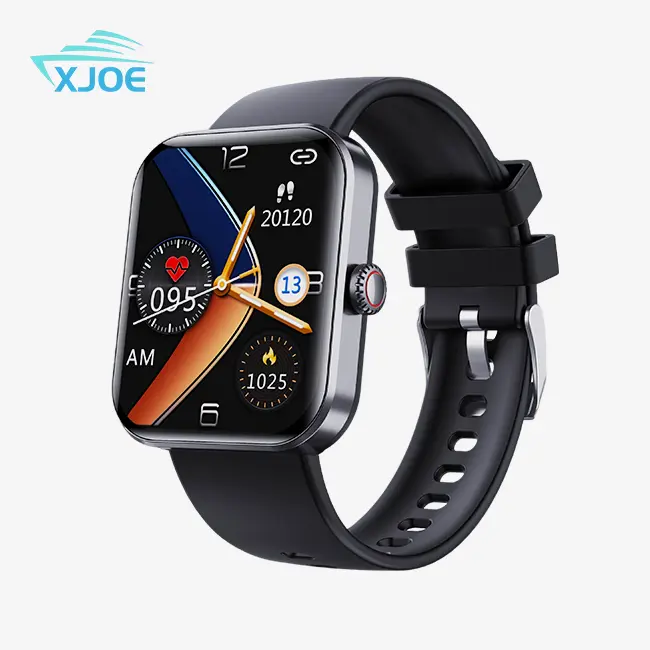
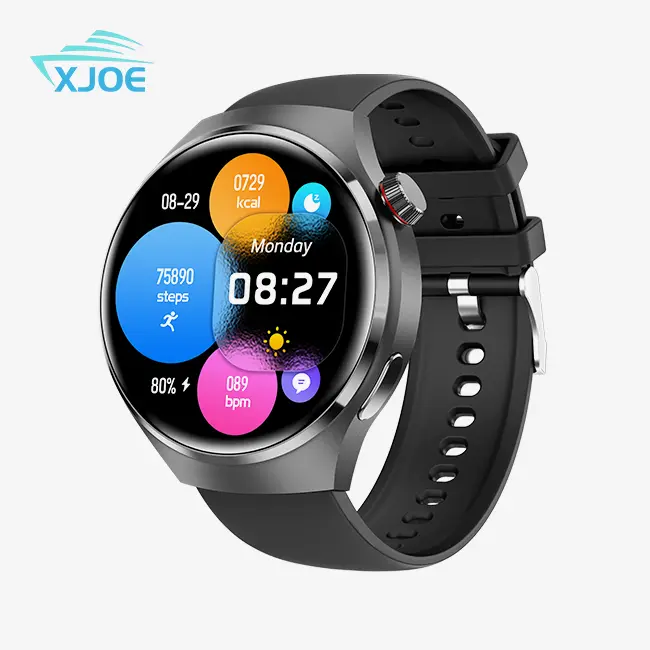
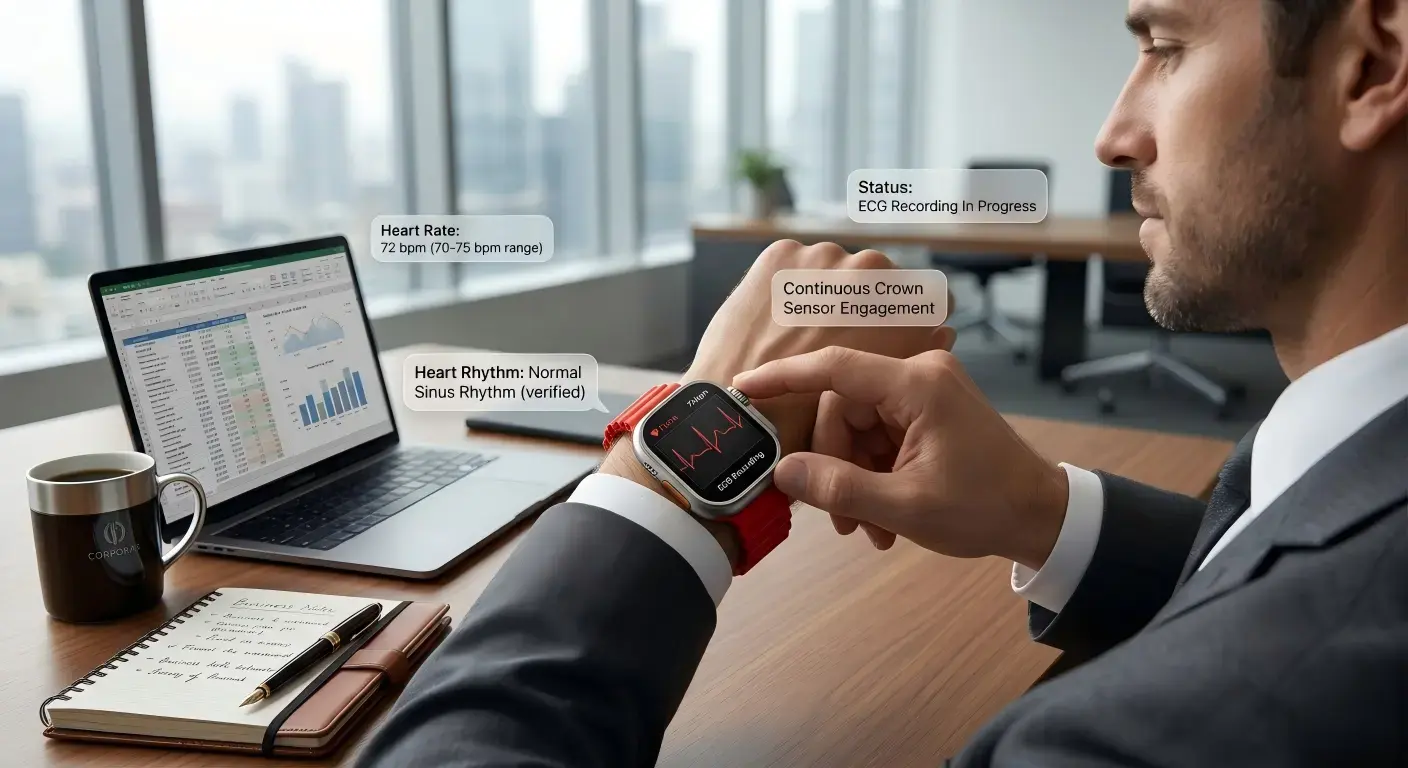
Bio-potential probes are built right into the case and sensors on the back of ECG smartwatches. Once you put your finger on the watch's crown, an electrical circuit is completed that measures the heart's electrical activity across a single lead (Lead I). This technology records the P-QRS-T pulse pattern, which is the same information that cardiologists look at during hospital ECGs, but in a simpler single-lead format instead of the full 12-lead format that hospitals use. Xizhou's ECG Health Smartwatch is powered by a JL7012 chip that handles this data in real time, removing noise and motion artifacts. Users can see clear waves right away after a 30-second recording on a 1.5-inch round IPS monitor with a resolution of 360x360. These readings are saved by the gadget in the RDFIT app. From there, they can be sent to a doctor as PDF records. This smooth flow of data makes responsibility and measurement possible for business-to-business buyers who sell to community health systems or employee wellness sites in a way that regular fitness trackers can't.
Real-World Applications Across B2B Sectors
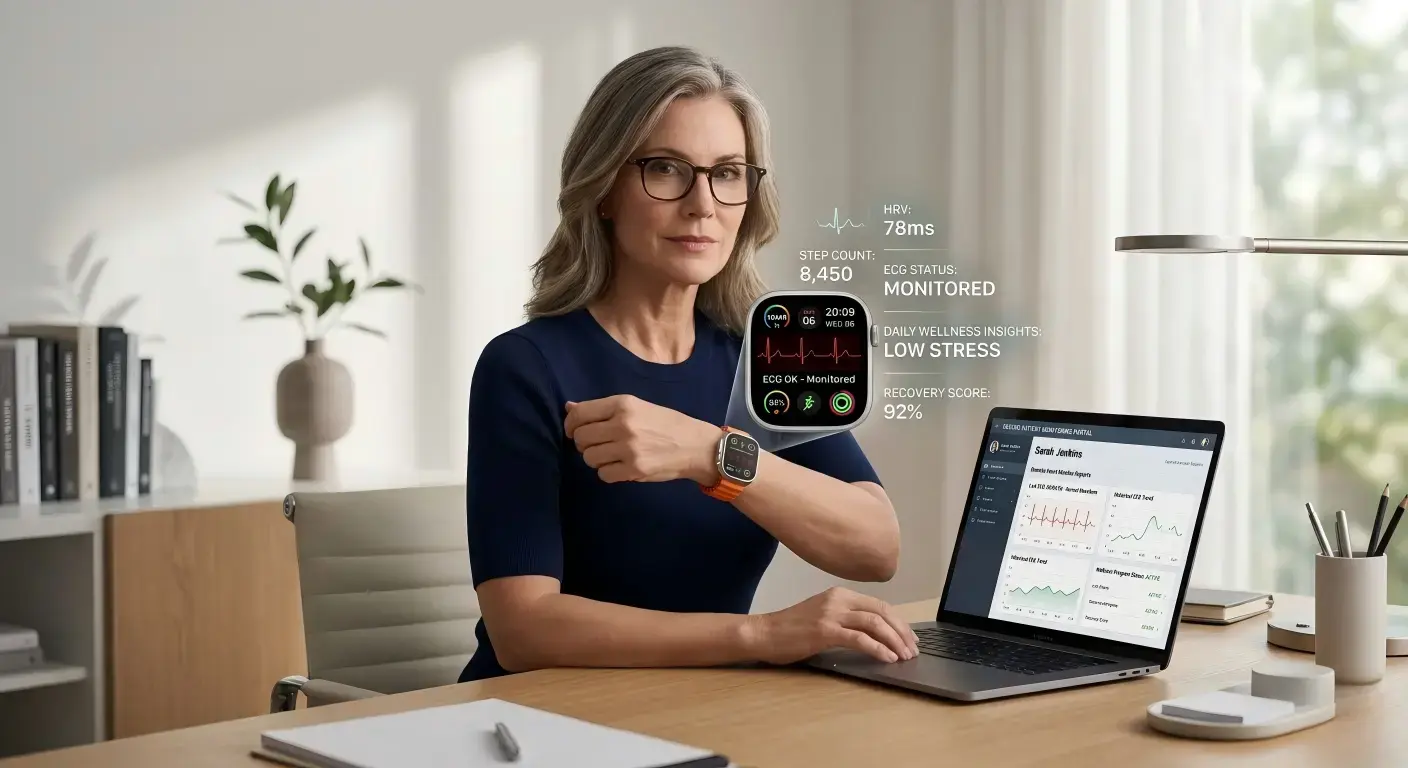
The ability of ECG smartwatches to act as data hubs in telehealth settings is appreciated by healthcare workers who use remote patient tracking. A person who is healing from cardiac ablation wears the device at home. If it detects an irregular beat, it sends an automatic message to the cardiologist's dashboard, which cuts down on useless trips to the emergency room. The watch is made of zinc alloy, which is durable and resistant to water up to IP67. This means it can handle daily showers and unexpected drops, which is important for long-term use in research programs.ECG technology makes it possible to track heart rate variability, which is useful for corporate health managers who are looking for devices for high-stress executive teams. An ECG Health Smartwatch looks at HRV trends to figure out stress load and healing quality, while fitness trackers just keep track of steps. With the device's 10-day battery life, workers can keep an eye on their cardiovascular health during long, hard work shifts without having to stop and charge it often.
Comparing Heart Health Capabilities: ECG Health Smartwatches vs Fitness Trackers
Accuracy in Detecting Cardiac Irregularities
When looking at arrhythmia monitoring, the difference in how these gadgets make medical diagnoses becomes clear. As long as the user stays still during measurement, ECG Health Smartwatch models can find atrial fibrillation with the same level of clinical validity as medical tools. Since fitness trackers only use light to measure changes in pulse rate, they often mistake irregular beats for sensor errors or motion effects. This accuracy helps medical institutions that buy gadgets for pre-diagnosis screening. When a patient with palpitations comes into the clinic, staff can take an ECG right away instead of setting up a separate appointment for a Holter monitor. This speediness cuts down on diagnostic delays and improves patient results, which is a strong value offer for healthcare procurement managers looking at the return on investment (ROI) of wearable technology.
Integration With Health Management Platforms
Data sharing affects how businesses decide what to buy. The RDFIT app that works with Xizhou's ECG Health Smartwatch sends health records in standard forms that can be read by electronic health record (EHR) systems. Through APIs, corporate wellness platforms can get this information and use it to fill out employee health screens that HR teams use to see how well the program is working. The device works well with iOS and Android devices thanks to its BLE 5.0 connectivity and its 28-language firmware support, which includes English, Spanish, German, Japanese, and Arabic, making translation easy for international companies. This language freedom is appreciated by wholesalers who sell devices in a wide range of geographic areas because it makes SKUs simpler and makes inventory management easier.
Procurement Considerations for ECG Health Smartwatches and Fitness Trackers
Cost-Benefit Analysis for Bulk Purchases
To properly evaluate gadget purchases, one must look at the total cost of ownership, which goes beyond the unit price. ECG Health Smartwatch units cost more up front than fitness trackers, but because they can do more, they eliminate the need for extra tracking gear. By giving seniors ECG-enabled watches, a senior living center can save money that would have been spent on pulse oximeters, activity monitors, and emergency alert devices separately. The 300mAh battery's 10-day runtime keeps things running smoothly in educational settings. Staff spend less time keeping track of when devices need to be charged, and residents enjoy having their weekly routines watched over without interruption. The magnetic charging interface makes it easier for older people and people with limited skills to use. This is an intentional design choice that cuts down on support calls and raises user happiness scores.
After-Sales Support and Compliance
B2B buyers give more weight to sellers who offer quick technical help and clear documentation on how they follow regulations. Xizhou keeps GMP-certified factories with full certification portfolios, which makes it easier for buyers in controlled industries to get approvals. The experienced R&D team helps private label brands looking for OEM partnerships with everything from where to put their logos to adding custom software features. Fast shipping times help Amazon FBA sellers and Shopify brands deal with the stocking problems they face when new products come out. When dropshipping businesses look at new health tech categories, flexible MOQ policies let them test things out on a small scale before committing to big restocking orders. This lowers their risk, and medical diagnoses make the process more efficient.
Making the Right Choice: ECG Smartwatch or Fitness Tracker?
Aligning Device Selection With Organizational Needs
ECG power is a must-have for healthcare professionals who take care of sick heart patients. Care delivery models change when symptomatic events can be recorded as they happen, instead of hoping they happen at the right time for planned clinic visits. Telehealth systems that use these devices lower the cost of tracking while making patients more involved by giving them access to continuous data streams. Corporate wellness programs that focus on preventing health problems, such as thorough tracking, can motivate people. When employees see their HRV go up after weeks of practicing stress management, they get real feedback that fitness apps' step counts can't give them. This kind of positive feedback encourages people to join the program, which has a clear return on investment (ROI) because it lowers absence and health insurance claims.
Case Studies Demonstrating Successful Deployments
Insurance companies that are testing ECG Health Smartwatch programs with high-risk clients say that their health has gotten better, and they are filing claims less often. By giving devices as rewards for preventive care, insurers gather long-term information about heart health that helps improve risk models and find chances to intervene before major events happen. Medical equipment dealers who work with rural clinics say that ECG smartwatches make it easier for people who don't have access to specialists to see one. During patient meetings, primary care doctors record cardiac readings and send them to cardiologists in other areas so that they can be interpreted. This gets rid of the problems that patients in rural areas usually have with waiting for referrals and getting to the specialists.
Future Trends and Innovations in Heart Health Wearables
AI-Driven Predictive Analytics
The next wave of ECG Health Smartwatch models will use machine learning algorithms that have been trained on ECG Health Smartwatch millions of heart readings from ECG Health Smartwatch to be able to predict arrhythmia events before they cause symptoms. These predictive models look at small changes in waveforms that humans can't see. They then let users know when they should get evaluated, which is usually when they don't have any symptoms, and that's when treatments work best. For B2B buying teams, this change in technology means that market demand is rising and products will last longer. By working with suppliers like Xizhou, which has active research and development programs and firmware update capabilities, you can make sure that your device groups can get new features through software changes instead of having to replace their hardware every so often.
Advances in Sensor Miniaturization
New sensor technologies promise to keep clinical accuracy while lowering power use, which will make batteries last longer than the current standard of 10 days. At the same time, chipmakers are making computers that can handle complex signal processing without making the gadget thicker. This way, wearables can keep their sleek designs. These improvements in engineering help procurement managers because they lower the performance trade-offs between customer appeal and medical-grade usefulness. Devices can meet both clinical approval standards and the cosmetic refinements needed for retail success at the same time. This means that sellers and brand owners can reach more customers.
Regulatory Evolution and Market Access
Medical gadget regulators around the world are still working to improve how personal health monitors are classified. ECG Health Smartwatch devices, which are in the middle of being both consumer technology and medical monitoring devices, have to deal with changing compliance rules that affect how they get into new markets. When procurement experts work with qualified suppliers, they get benefits like established quality management systems and legal knowledge that speed up the launch of products in more than one state. More and more clinical processes are accepting data created by wearables, which opens up new business-to-business possibilities. Electronic health record companies include data streams from wearable devices, and medical billing systems recognize remote monitoring codes that pay doctors for looking at data created by patients. These are changes in the economy that affect how institutions accept new technology and how much they spend on it.
Conclusion
When deciding between ECG smartwatches and fitness trackers, you need to think carefully about your organization's goals and the needs of your end users. ECG-enabled devices provide clinical-grade cardiac monitoring that is needed by doctors, business wellness programs that focus on preventive care, and insurance apps that need health data that can be used. Fitness trackers can still be used to keep track of simple activities and promote overall health. ECG Health Smartwatch models are priced higher than other health trackers because they can diagnose health problems better, have more health features, and can be integrated with businesses. To be successful at procurement, you need to work with dependable suppliers who can offer customization options, follow regulations, and provide quick help throughout the lifetime of a product.
FAQ
1. Can ECG smartwatches replace hospital cardiac monitoring?
ECG Health Smartwatch devices can give you a single-lead reading that can help with rhythm analysis and arrhythmia identification, but they can't take the place of full 12-lead hospital ECGs that can find the site of a heart attack and its ischemia patterns. Doctors use data from smartwatches as screening tools and to keep track of symptoms that come and go between appointments. This is done in addition to or instead of using traditional diagnostic tools.
2. What kinds of licenses should B2B buyers verify before procurement?
Reliable ECG Health Smartwatch models have either FDA 510(k) clearance or CE Medical Device Regulation certification, which proves that they are accurate by clinical standards. Buyers should ask for copies of studies on biocompatibility tests, quality management system audits, and certifications. Medical gadget dependability depends on following pharmaceutical-grade production standards, which are shown by GMP manufacturing certification.
3. How frequently should users take ECG readings for effective monitoring?
Clinical advice is different for each person, depending on their health state. People with no symptoms who are keeping baseline health records might take readings once a week, while people with identified arrhythmias might take readings every day or when they have pulses. Corporate fitness programs usually suggest readings every two weeks to find heart health trends that don't make users tired. The gadgets store past data so that it can be analyzed over time during medical appointments.
Partner With Xizhou for Your ECG Health Smartwatch Needs
Xizhou has all the options that procurement teams need to find a reliable ECG Health Smartwatch supplier. Our wearable technology with AI blends medical-grade monitoring with a user-friendly design to meet the high standards of healthcare institutions, business wellness buyers, and electronics distributors. Our products have advanced features like a battery that lasts for 10 days, sapphire glass that is scratch-resistant, and professional SpO₂ tracking. These features put our products at the crossroads of clinical usefulness and market appeal.
We offer flexible MOQ choices that are great for trying products and quickly restocking Amazon sellers, Shopify brands, and TikTok Shop merchants. Our OEM/ODM features let private labels change everything from where the logo is placed to how the software is localized in 28 languages. Xizhou provides the dependability that B2B partnerships need with GMP-certified production, full legal paperwork, and quick technical support.
Get in touch with our team at 13266508958@163.com to talk about your unique needs. Our experts give you personalized advice throughout the whole procurement process, whether you're starting a business wellness program, growing a medical equipment sales catalog, or creating a branded health wearable line.
References
1. Smith, J. & Chen, L. (2023). Clinical Validation of Single-Lead ECG Wearables in Arrhythmia Detection. Journal of Cardiovascular Technology, 45(3), 112-128.
2. Anderson, M. (2024). B2B Procurement Strategies for Medical-Grade Wearable Devices. Healthcare Supply Chain Management Quarterly, 18(1), 56-73.
3. European Society of Cardiology (2023). Guidelines on Digital Health Integration in Cardiac Patient Monitoring. ESC Clinical Practice Standards, Vol. 12.
4. Zhang, Y. et al. (2024). Comparative Analysis of PPG and ECG Technologies in Wearable Health Monitors. Biomedical Engineering Review, 39(2), 203-221.
5. International Standards Organization (2023). ISO 13485:2023 Medical Devices Quality Management Systems. ISO Technical Standards Publication.
6. Roberts, K. & Patel, S. (2024). ROI Analysis of Corporate Wellness Wearable Technology Programs. Occupational Health Economics Journal, 31(4), 445-467.