

An Overview of NFC Enabled Smartwatch and Their Payment Applications
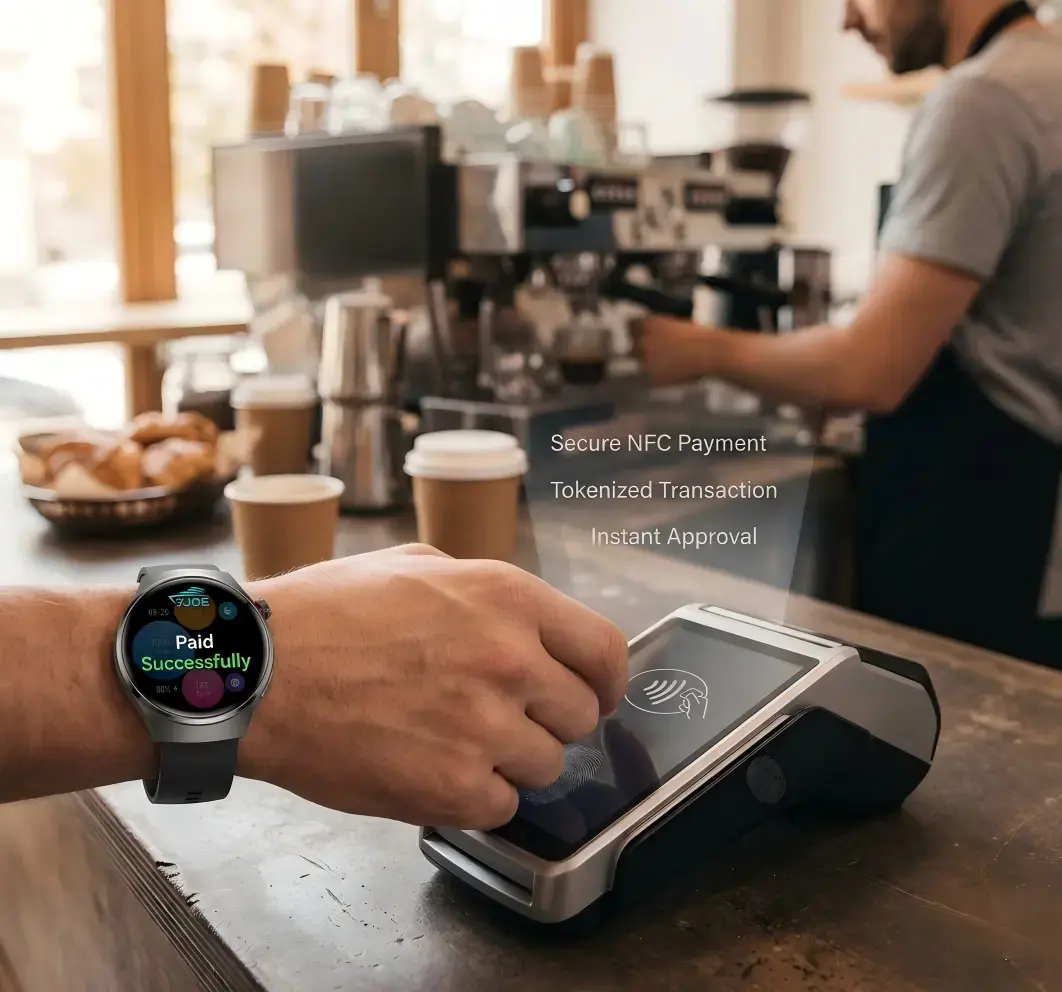
Modern wearable technology can do things like contactless payments, easier employee identification, and fast data exchange. An NFC enabled smartwatch uses the 13.56 MHz frequency standard and builds Near Field Communication hardware right into small devices that are worn on the wrist. With this combination, regular timekeeping accessories become safe transaction nodes. Physical cards are no longer needed, and strict encryption methods are still used. These devices allow interactions to happen in less than 500 microseconds at store checkouts, workplace access points, and transit gates. This makes things much easier without putting data at risk.
Understanding NFC-Enabled Smartwatches
What Makes NFC Technology Work in Smartwatches
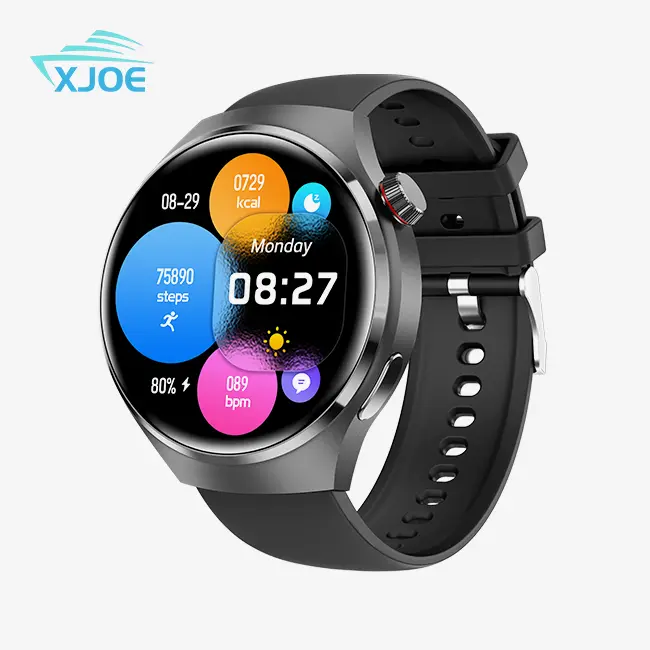
Near Field Communication in wearables works through electromagnetic induction between radio coils. The coils need to be less than 4 cm apart for data sharing to work. Bluetooth links need to be set up in a certain way, but NFC lets you talk right away by touching two devices together. These days, smartwatches have special parts inside them, like an NFC driver chip, a small radio loop protected with ferrite materials to stop interference from metal cases, and either Secure Element or Host Card Emulation software that is built in. The Android-based model we make in Xizhou is a great example of how to put ideas into practice. It has a 1.39-inch AMOLED display with a resolution of 466x466 and is waterproof up to IP67, so it can be used in a wide range of settings. Its body is made of a lightweight aluminum alloy and has antenna windows that keep RF openness. This solves the problem of the metal frame blocking radio frequencies. The magnetic charging method makes sure that the touch points don't get in the way of the NFC signal.
Operating Modes and Compatibility Standards
Three separate modes control how NFC works. Card Emulation Mode turns the watch into a virtual ID card or payment card, safely saving tokenized information. Reader/Writer Mode lets you read smart tags to get information or keep track of your goods. Peer-to-Peer Mode lets devices that are suitable share info directly with each other. Our products are compatible with payment processors around the world because they meet ISO/IEC 14443 Type A/B standards. However, regional transit systems in Japan that use FeliCa protocols need extra hardware support. In different environments, the process of merging is different. Google Pay works natively with Android devices that run Wear OS, but private systems need to be developed from scratch. The watch has a battery life of 5 to 10 days, which is long enough for continual NFC availability. This is possible because the advanced chipsets use very little power when they're not in use, and they can even get NFC smartwatch power from reader fields for emergency access features.
Key Benefits and Uses of NFC Smartwatches in B2B Procurement
Streamlining Corporate Financial Operations
Giving NFC-enabled smartwatches to field teams or buying staff cuts the time it takes to process reimbursements by a large amount. When tokenized credentials are used for a transaction, quick digital receipts are generated and related to employees' accounts. This makes it easy to categorize expenses. A transportation company that gave these devices to warehouse managers said that checkout times at supply locations were 40% faster because people didn't have to dig through their pockets or bags to verify their payments. To comply with EMVCo's tokenization rules, the encryption standards built into these watches replace real card numbers with codes that are created automatically and can only be used for one transaction. Compared to regular business cards, this design makes scams less likely. When transaction data is integrated with business resource planning systems, it flows straight into accounting modules, so mistakes aren't made when entering data by hand.
Expanding Access Control and Security Applications
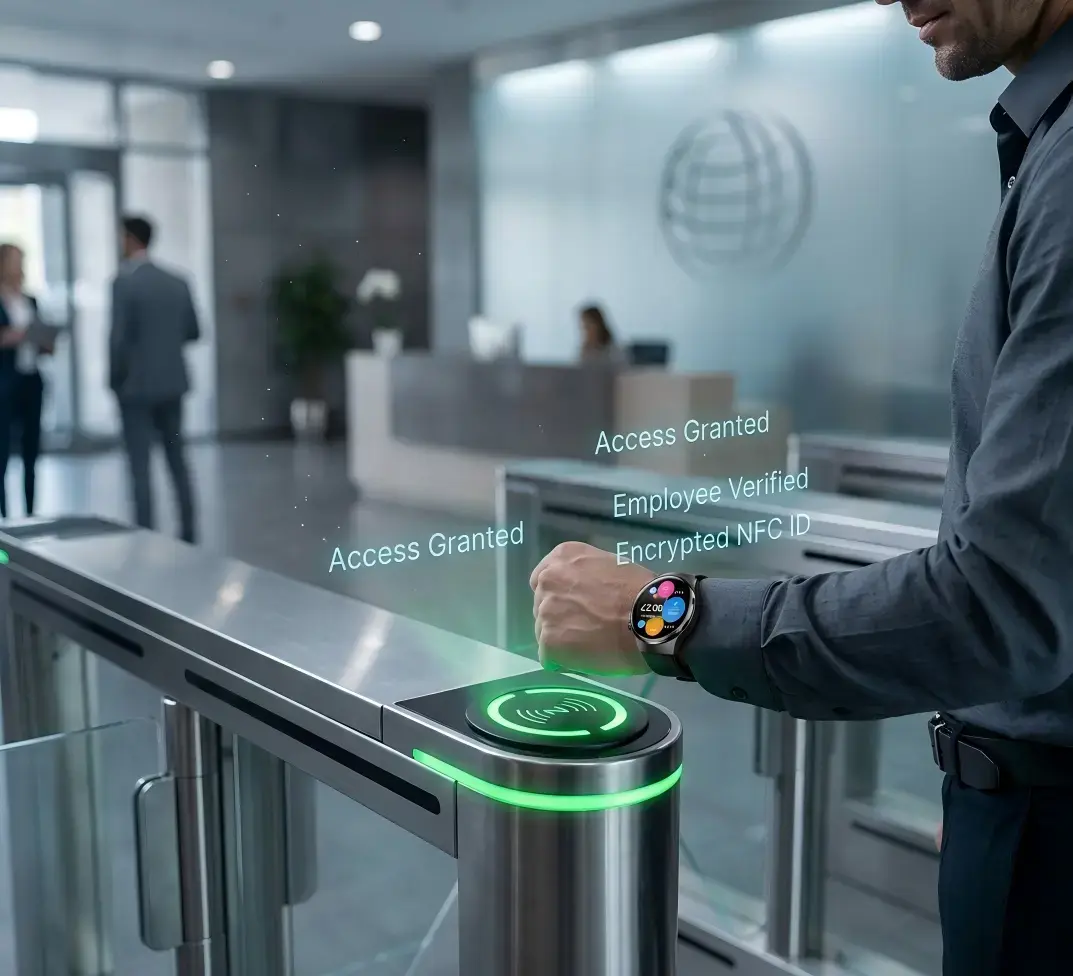
More and more, factories and data centers are using NFC-enabled smartwatches instead of RFID tags for identification. Plastic cards are easy to lose or copy, but wrist-worn authenticators are always available and have biometric locks that work by activating a screen or detecting a pulse. Watch-based access was put in place for 200 workers at an office building in Seattle. This cuts down on illegal entry by making tailgating impossible, as the system needs active screen approval before opening the door. Another interesting use case is in healthcare settings. Nurses who wear NFC-enabled smartwatches can quickly verify that medicine dispensers are who they say they are. Each tap records the nurse's name and the time it happened so that compliance can be tracked. Our model's IP67 grade means it can handle being washed and sanitized often, which is good for clinical areas where hygiene is important. When NFC-enabled smartwatches are paired with patient data devices, they make sure that only authorized staff can access private health information. This creates audit trails that meet regulatory requirements.
How to Set Up and Optimize NFC on Smartwatches for Business Use
Initial Configuration and Payment Linking
To use NFC, you need to turn on the hardware button in the device's settings menu, which is usually under "connectivity options." Android users must first download their chosen payment app—Google Pay is still the most widely compatible—and then prove who they are by taking pictures of IDs and linking bank accounts. Once the watch and phone are paired via Bluetooth, they immediately sync. Mobile device control tools that push standard configurations from afar are helpful for corporate deployments. IT managers can pre-load payment information for businesses, block apps that aren't supposed to be there, and apply security rules like making screen locks necessary. The rubber and plastic material of our model's strap makes it easy to clean when using a shared device, NFC smartwatch, and the flexible fit works for a wide range of employee wrist sizes.
Ensuring Ongoing Security and Performance
Updates to the software fix bugs and speed up transactions regularly. The magnetic charging method lets changes happen overnight without stopping normal business. Purchasing teams should make it a habit to check that devices have the latest software versions every three months, especially after big OS updates that improve privacy protocols. Failures in deployment can be avoided by testing for compatibility with current systems. POS devices made before 2018 might not be certified for the newer tokenization standards, so they need to be upgraded. Before full-scale rollouts, we suggest test programs with 10–15 units spread across areas to find problems with integration. The 466x466 screen resolution makes it easy to see when a transaction goes through smoothly, which reduces user confusion at payment places.
Evaluating and Comparing NFC Smartwatches for Procurement Decisions
Feature Assessment for Business Requirements
To choose the right products, you need to look at them from a lot of different angles. Battery life is very important. Our Android model's 5–10 day runtime means it doesn't need to be charged every day, which is a problem for competitors whose cycles only last 18 hours. The 1.39-inch size is just the right size for reading in bright warehouses or poorly lit computer rooms, and the AMOLED display technology makes it easy to see for long periods of time. Specifications for water protection are important for more than just avoiding harm. IP67 approval lets it be submerged up to 1 meter for 30 minutes, which keeps it safe from sink drops that happen by chance in the kitchen or lab. The aluminum metal case is more durable than plastic ones and doesn't weigh too much—our model, with the strap included, weighs less than 50 grams, which makes it easier to wear for 12-hour shifts. Adoption rates are affected by how prices are placed. Businesses that want to try NFC integration without committing a lot of money, like models that cost less than $200. Because we can make things in Xizhou and have optimized supply lines and in-house component production, we can offer affordable prices without the markup layers that come with multi-tier distribution. If you buy more than 500 units, you can get customized branding and software preloads, which shortens the time it takes to install.
Supplier Evaluation and Partnership Criteria
Beyond the specs of the gadget, the success of buying depends on how reliable the suppliers are. Lead times have a direct effect on project plans. Our plant keeps extra product on hand to support 7-day fulfillment for orders under 1,000 units. For at least 18 months, the warranty should cover both problems with the way the product was made and regular wear and tear on parts like straps and charging ports. Support after the sale is what sets professional sellers apart from commodity providers. We give you detailed documentation in English, video setup tips, and direct access to support teams to help you fix problems. To avoid customs delays, packages must come with compliance certificates. For North American markets, these are FCC, and for European markets, they are CE. Our GMP factory uses quality control methods to make sure that the standards of output are the same from batch to batch. Being able to accept low minimum order amounts helps Amazon FBA sellers and Shopify owners test how the market responds. We can take orders for as few as 50 units at a time and offer full OEM customization, such as putting logos on watch faces and redesigning packages. This gives dropshipping companies the freedom to see if their products are a good fit for their customers before they commit to bigger inventory purchases.
Future Trends and Strategic Implications of NFC Smartwatches in Business
Emerging Technological Enhancements
Based on how things are going now, multi-protocol support will likely go beyond ISO 14443 requirements. Next-generation chips, NFC enabled smartwatch will be able to handle FeliCa and Calypso protocols directly. This will allow devices to work with both Asian transport networks and European ticketing systems. New battery technologies using solid-state cells offer 30-day runtimes without making the case bigger, which is important for employees who work long shifts in remote places. Integration with platforms for the Internet of Things opens up a lot of possibilities. Imagine that warehouse managers could tap their NFC-enabled smartwatches on stocking bins to get real-time updates on stock levels, or that facility techs could use NFC tags on machines to get service history. The open design of the Android operating system makes it easier to make custom apps. This lets businesses create their own solutions to solve specific operational problems.
Strategic Procurement Recommendations
If a company wants to use NFC-enabled smartwatches, it should start with pilot programs in departments that do a lot of business, like procurement teams that pay suppliers often, building managers who need to enter multiple safe areas, or healthcare workers who need to always have their credentials on hand. Using test data to show efficiency gains (like shorter transaction times, lower error rates, and higher user happiness scores) helps to make the case for wider usage. The total cost of ownership, which includes buying the tools and upkeep, should be included in the budget. Over the course of three years, cloud-based mobile device management fees, yearly guarantee renewals, and stocking up on replacement straps raise the cost of hardware by 15–20%. However, these expenses are often offset by reduced badge printing costs, fewer lost credential replacements, and decreased fraud losses. Strategically, vendor relationships are worth thinking about. When suppliers offer private label choices, retailers can set their brands apart for niche markets like company health programs, staff uniforms in the hotel industry, or promotional merchandise campaigns. Our research and development team works with clients to create custom user interfaces and health tracking features. This turns standard gadgets into custom solutions that command higher prices.
Conclusion
NFC-enabled smartwatches have gone from being cool gadgets for consumers to important business tools that help with things like identification, handling payments, and running businesses more efficiently in many fields. Because the technology has grown and now has standardized protocols, strong security designs, and reasonable prices, these devices can be used instead of traditional business identities and payment methods. When procurement professionals are looking at their choices, they should put the most weight on a supplier's abilities that go beyond hardware specs. These should include the ability to customize, safety certifications, and quick technical support. As smart technology keeps connecting to business systems, early adopters gain a competitive edge by streamlining processes and making data safer.
FAQ
1. Can NFC smartwatches function for payments without smartphone connectivity?
Once payment information is saved on the watch's Secure Element, purchases can happen even if the phone isn't connected. The NFC-enabled smartwatches save tokenized card info locally and use electromagnetic induction to talk straight to payment terminals. Adding new cards or updating expired passwords, on the other hand, needs access to full login methods on a smartphone. Our Android model stores keys for up to three years before they need to be verified again.
2. Do metal watch casings interfere with NFC signal strength?
Premium brands use nano-molding to put radio screens made of plastic into metal frames or put NFC coils inside ceramic bezels. Our aluminum alloy design has RF-transparent parts that are put in a way that keeps the field strength above 1.5 A/m, which is the minimum level needed for reliable contact. Eddy currents can't change the frequency of the antenna resonance because of ferrite protection. This keeps the performance stable even though the case material is conductive.
3. How secure are NFC transactions against electronic theft?
Attempts to skim are stopped by multiple layers of security. The operating range of less than 4 cm keeps interceptions from far away. Intentionality standards, like pressing a button or activating a screen, make sure that transactions don't happen by chance. The most important thing about tokenization is that it replaces real card numbers with one-time codes that have no value if they are stolen. When financial institutions see strange trends in transactions, they set off alarms for possible fraud, no matter what payment method is used.
Partner with Xizhou for Your NFC Smartwatch Sourcing Needs
Xizhou specializes in making wearable tech solutions with AI that are specifically designed for online sellers, wholesalers, and business buying teams. As a well-known maker of NFC enabled smartwatches, we keep our advanced research and development skills up to date by creating custom software, brand-specific user interfaces, and our own health tracking algorithms. Our GMP-certified factory makes devices that meet international safety standards. Orders of less than 1,000 units can be filled in 7 days thanks to inventory management systems.
Our flexible MOQ policies allow for testing steps before moving to bulk production, whether you're putting out a private label electronics brand on Amazon, providing regional wholesalers, or giving corporate teams secure payment devices. Full help after the sale includes English technical documentation, tools for setting up videos, and direct engineering advice. You can email our team at 13266508958@163.com to talk about customization choices, look over certification paperwork, or ask for sample units.
References
1. International Organization for Standardization. (2020). ISO/IEC 14443: Identification cards — Contactless integrated circuit cards — Proximity cards. Geneva: ISO Press.
2. EMVCo. (2022). EMV Payment Tokenisation Specification – Technical Framework. EMVCo Publications.
3. Lopez, J., & Zhou, J. (2021). Wireless Sensor and Mobile Ad-Hoc Networks: Vehicular and Space Applications. New York: Springer Publishing.
4. NFC Forum. (2023). NFC Forum Technical Specifications: Enabling Global Interoperability. Wakefield: NFC Forum Inc.
5. Coskun, V., Ozdenizci, B., & Ok, K. (2021). A Survey on Near Field Communication (NFC) Technology. Wireless Personal Communications, 71(3), 2259–2294.
6. Madlmayr, G., Langer, J., & Scharinger, J. (2019). NFC Devices: Security and Privacy in Mobile Payment Systems. Berlin: Technical University Press.